 Polski

Rabbit Bedding – Soft, Low-Dust Bedding for Comfort & Grip



- Voor 17 uur besteld, dezelfde dag verzonden!
- Rodent specialist since 2011
- Dispatched from our own stock


- Voor 17 uur besteld, dezelfde dag verzonden!
- Rodent specialist since 2011
- Dispatched from our own stock


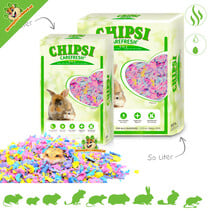
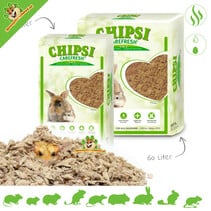

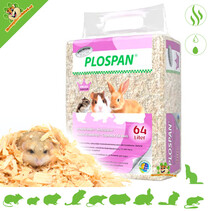

Rabbit bedding – soft, low-dust and absorbent for every enclosure
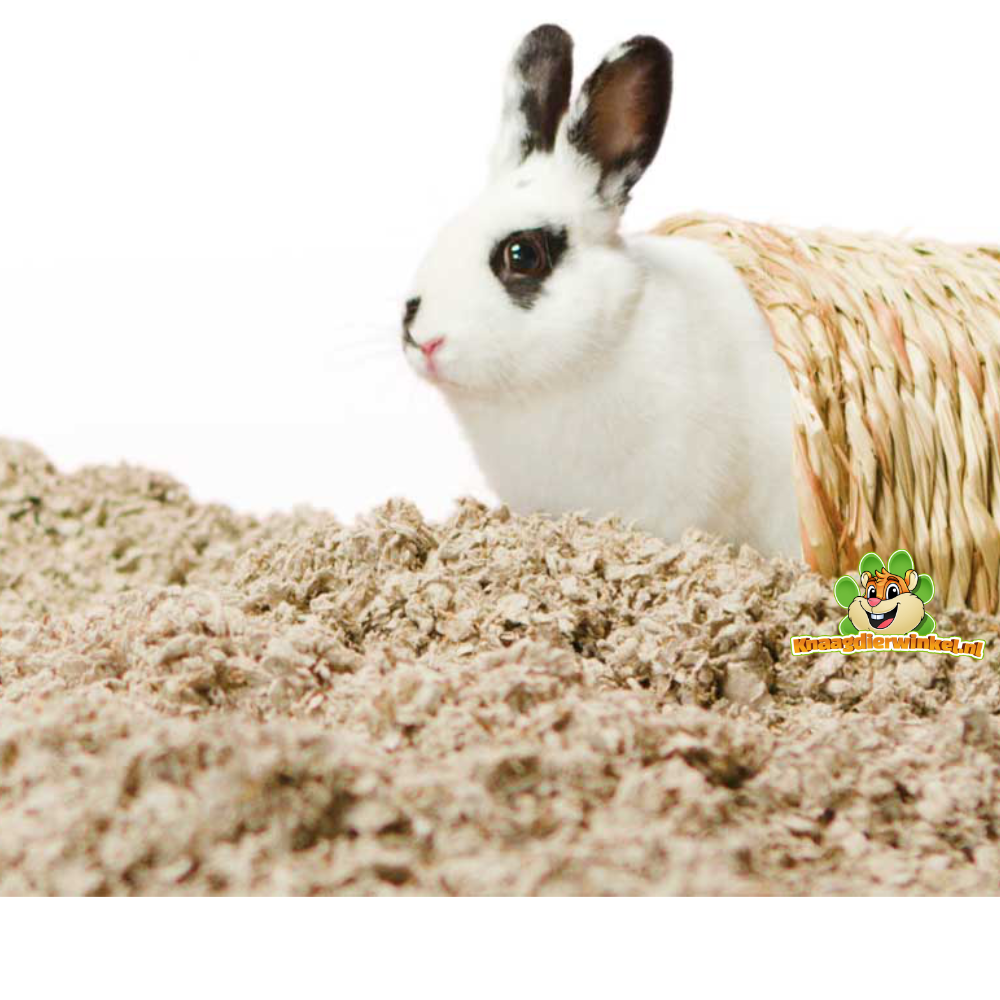 Rabbit bedding helps keep the enclosure dry, comfortable, and practically clean. The best type of bedding depends on where your rabbits live: indoors, outdoors, in a run, in a hutch, in a rabbit room, or with a separate toilet area. In this category, you will find soft, low-dust, and absorbent bedding for rabbits, such as cotton, paper/cardboard, hemp, flax, spelt, straw, coconut, and wood products.
At DRD Knaagdierwinkel®, we view bedding as part of the overall setup. A good layer of bedding provides comfort and grip, absorbs moisture where needed, and fits in with your cleaning routine. For many owners, a 2-zone system works best: a comfortable base or mat in the enclosure and extra absorbent rabbit toilet bedding in the rabbit toilet .
✓ In short: choose rabbit bedding based on comfort, absorption, low-dust use, grip, and ease of cleaning.
✓ For indoors, soft, low-dust, and easy-to-maintain materials are often practical; for outdoors, pay extra attention to dryness, insulation, and moisture control.
✓ For the toilet tray, preferably use a separate toilet filler so that the toilet area and the lying area are clearly distinct.
Quick links:
Why bedding? · What can you find here? · Which bedding fits? · Indoor enclosure · Outdoor enclosure · Toilet area · How many liters needed? · Maintenance · Handy shopping routes · FAQ
Comfort & grip
A good bedding layer makes the enclosure more pleasant to walk, lie down, and rest on.
Drier accommodation
Absorbent bedding helps to absorb moisture better and identify wet spots faster.
Smart zones
Work with a comfort layer, toilet zone, hay corner, and optionally floor mats for a clear layout.
Why good bedding is important for rabbits
Bedding serves multiple functions at once. It provides your rabbits with a comfortable surface, helps absorb moisture, and makes the enclosure easier to keep clean. Especially in an indoor enclosure, sleeping area, or permanent resting spot, you want a layer of bedding that suits the use of that space.
The best bedding is therefore not the same for every enclosure. Indoors, you often focus on comfort, low-dust use, grip, and cleaning. Outdoors, you pay extra attention to dryness, insulation, ventilation, and ensuring the bedding does not remain damp for too long. For litter-trained rabbits, you can often work more efficiently with a separate litter box and a comfortable underlay in the rest of the enclosure.
Ground cover helps with
✓ Comfortable walking, lying down, and resting.
✓ Absorb moisture where necessary.
✓ Keeping a room fresher and more organized.
✓ Provide grip and structure in an indoor enclosure or night shelter.
✓ Create practical zones for toilet, rest, and movement.
What can you find in this Rabbit Bedding category?
This category contains various types of bedding and underlays for rabbits. Some bedding is primarily soft and comfortable, while others are highly absorbent or practical for a toilet area. There are also natural materials that can be useful in larger hutches, sleeping areas, or outdoor enclosures.
Assortment in this category
✓ Cotton bedding: soft bedding for comfort, resting places, and indoor shelters.
✓ Paper and cardboard bedding: practical bedding for absorption, comfort, and organized cleaning.
✓ Hemp, flax, and spelt: plant-based materials that can serve well as a natural underlayer.
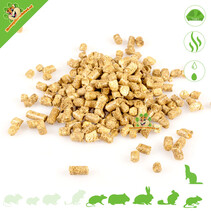
✓ Granular bedding: convenient for toilet areas or places where extra absorption is needed.
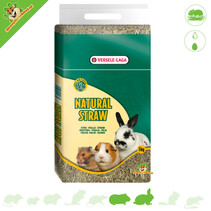
✓ Straw: especially suitable as an insulating top layer or extra comfort layer in a sheltered outdoor area or night shelter.
✓ Wood and natural products: practical in specific situations, depending on fabric, structure, absorption, and type of occupancy.
Which bedding suits your rabbits?
The best bedding depends on your enclosure and your rabbits. For a rabbit room, you often want grip and comfort. For a litter box, you primarily want strong absorption. For an outdoor hutch or sleeping area, you want a dry, practical layer that is easy to inspect and can optionally be combined with straw as a top layer.
Also consider coat type and behavior. With long-haired rabbits, bedding that is too loose or sticky is more likely to get caught in the fur. For rabbits that dig, push, or rummage in the bedding frequently, a firmer or more clearly defined bedding solution is sometimes more practical.
Pay attention to when choosing
✓ Is the bedding used in the entire enclosure, in the toilet, in the sleeping area, or only at a resting place?
✓ Do you primarily need comfort, absorption, grip, or insulation?
✓ Is the stay indoors or outdoors?
✓ Does the bedding remain practical for long-haired rabbits?
✓ Can you easily recognize and remove wet spots?
Bedding for indoor rabbits
Indoor rabbits often live in a fixed location, such as a rabbit room, indoor run, or C&C enclosure. In these areas, it is useful to work with clear zones: a litter box with litter bedding, a hay corner, resting areas, and a non-slip surface.
In many indoor enclosures, it is not necessary to use a thick layer of loose bedding everywhere. Some owners prefer to combine floor mats or pee pads with a separate litter box. Other owners, however, use a soft comfort layer in places where their rabbits like to lie down.
Practical interior layout
✓ Use a clear toilet bowl with absorbent toilet bedding.
✓ Choose soft bedding or mats at resting areas.
✓ Ensure grip on slippery floors.
✓ Keep hay, water, and toilet together in logical places.
✓ Check daily for wet spots, hair, droppings, and odor.
See also: Rabbit room · Floor mats for rabbits · Keeping rabbits indoors
Bedding for outdoor rabbits
Outdoor shelters require extra attention to moisture, cold, ventilation, and insulation. In a night shelter, you want a dry, controllable bedding layer. During wet or cold periods, straw as a top layer can be pleasant, but it is usually not the most absorbent base layer. Often, an absorbent underlayer with straw works better as an extra comfort or insulation layer.
Regularly inspect outdoor shelters for damp spots, condensation, odors, and dirt. A thick layer of bedding might seem pleasant, but if moisture remains trapped, it actually becomes less comfortable. Keeping them dry and being able to inspect them properly is therefore more important than simply using “lots of bedding.”
Practical outdoor use
✓ Use a dry, absorbent base layer in the night shelter.
✓ Add straw as a top layer or extra insulation where appropriate.
✓ Check daily for damp spots and odor.
✓ Ensure that the night shelter remains dry, sheltered, and well-ventilated.
✓ Adjust the layer based on season, weather, and use of the accommodation.
Read more: Keeping rabbits outdoors · Rabbits in winter · Outdoor products
Combine floor covering and toilet area
Many rabbits can be house-trained or naturally use a specific corner. In that case, it is wise to set up a separate toilet area. Use absorbent litter in the litter box and keep the rest of the enclosure structured differently. This way, the distinction between the toilet area and the resting area remains clear.
Place hay at or above the toilet, as many rabbits enjoy eating hay while sitting on or near the toilet area. This often makes the toilet zone more logical and helps the rest of the enclosure stay cleaner.
2-zone system
✓ Toilet tray: absorbent toilet bedding for urine and feces.
✓ Stay: comfort layer, base mat or practical underlay.
✓ Hay corner: place hay next to or above the toilet.
✓ Cleaning: selectively remove wet spots.
✓ Monitoring: examine droppings, urine, and eating behavior daily.
View now: Rabbit toilets · Rabbit toilet bedding · Hay racks for rabbits
How much bedding do you need?
Do you want to calculate approximately how many liters of bedding you need? Then use this simple formula:
Length × width × layer thickness in cm ÷ 1000 = number of liters
Example: a base of 100 × 50 cm with a layer of 5 cm requires approximately 25 liters of bedding.
✓ Measure the inside dimensions of the enclosure or the zone you want to fill.
✓ Choose the layer thickness based on use: comfort layer, toilet zone, or night pen.
✓ Take into account distribution, tamp down, and refilling in between.
✓ For litter boxes, it is preferable to use targeted litter bedding rather than filling the entire enclosure thickly.
| Base measure | Layer 3 cm | Layer 5 cm | Layer 10 cm |
|---|---|---|---|
| 100 × 50 cm | 15 liter | 25 liter | 50 liter |
| 120 × 60 cm | 22 liter | 36 liter | 72 liter |
| 150 × 60 cm | 27 liter | 45 liter | 90 liter |
Also view all bedding and nesting material .
Bedding for long-haired rabbits
For long-haired rabbits, the choice of bedding is especially practical. Loose fibers, light pieces, or sticky materials can get stuck in the fur more easily. As a result, maintenance takes more time and the hindquarters can become messy more quickly.
For long-haired rabbits, it is often helpful to keep the toilet area clearly separate and to use less sticky materials, floor mats, or easily inspectable resting places in the rest of the enclosure. Check the fur around the hindquarters daily, especially during heat, shedding, or a damp enclosure.
Pay attention to long-haired rabbits
✓ Does the bedding not get stuck in the fleece too much?
✓ Is the toilet area dry and easy to keep clean?
✓ Is the hindquarters clean and dry?
✓ Are ground mats or less loose material more practical?
✓ Are wet spots removed quickly enough?
Maintenance and changing of rabbit bedding
How often you change the bedding depends on the material, the number of rabbits, the size of the enclosure, cleanliness, and whether you work indoors or outdoors. You can often clean a litter box daily, while the rest of the enclosure is partially or completely cleaned periodically.
Does an odor linger, do you see wet spots, or does the floor feel damp? Then it is time to change the bedding or adjust the layout. Sometimes the problem lies not with the bedding itself, but with a litter box that is too small, insufficient filling, poor ventilation, or a hay and toilet area that is not logically placed.
Maintenance in practice
✓ Scoop out toilet spots regularly.
✓ Remove wet bedding immediately from resting areas and corners.
✓ Refresh the substrate before the odor or moisture becomes too strong.
✓ Check outdoor shelters extra carefully for condensation and dampness.
✓ Clean toilet bowls and surfaces according to the product information.
Good to know
Introduce new bedding gradually if your rabbits are sensitive to changes. Check daily whether your rabbits are eating normally, producing normal droppings, and using the bedding comfortably. If one of your rabbits is not eating or not producing droppings, contact a rabbit-specialist veterinarian.
Handy shopping routes for rabbit bedding
Bedding works best when combined with a logical enclosure structure. Think of a litter box with litter bedding, floor mats for grip, a hay rack near the litter box, and a clearly organized rabbit room or run.
Learn more about the floor, toilet, and enclosure
Would you like to first determine which bedding structure suits your rabbits better? Then read our information pages on keeping rabbits indoors, outdoors, the rabbit room, litter training, droppings, and enclosures. This way, you choose bedding not as a separate bag, but as part of an enclosure that works logically.
Keeping rabbits indoors · Keeping rabbits outdoors · Furnishing a rabbit room · Litter training a rabbit · Rabbit droppings
Frequently asked questions about rabbit bedding
Which bedding is suitable for rabbits?
Suitable bedding for rabbits is low-dust, comfortable, practical to keep clean, and matches the enclosure. For the litter box, choose primarily based on absorption; for resting areas, choose more based on comfort and grip.
What is the difference between floor covering and toilet bedding?
Bedding is used as an underlayer in the enclosure, sleeping area, or resting places. Toilet bedding is used locally in the litter box, where urine absorption and easy scooping are important.
Can I use straw as bedding for rabbits?
Straw is particularly useful as a top layer or extra insulation in a sheltered outdoor area or night shelter. As the sole absorbent base layer, straw is usually less practical, because it absorbs urine less effectively than actual toilet or bedding.
What bedding do you use for indoor rabbits?
For indoor rabbits, soft, low-dust, and easy-to-maintain materials often work well. Many owners combine floor mats or comfort bedding with a separate litter box containing litter bedding.
What bedding do you use for outdoor rabbits?
For outdoor rabbits, pay extra attention to dryness, insulation, and controllability. In a night hutch, an absorbent base layer often works, with optional straw as a top layer, depending on the season and enclosure.
How many liters of bedding do I need?
Calculate using length × width × layer thickness in cm ÷ 1000 = number of liters. For a base of 100 × 50 cm with a layer of 5 cm, you need approximately 25 liters.
Which bedding is suitable for long-haired rabbits?
For long-haired rabbits, it is helpful to choose bedding that does not get caught in the fur too much. Use a clearly defined toilet zone and check the fur around the hindquarters daily.
How often should you change rabbit bedding?
That depends on the material, the number of rabbits, the size of the enclosure, and how litter-trained your rabbits are. Remove wet spots regularly and replace the bedding before the odor or moisture becomes too strong.
Rabbit bedding at DRD Knaagdierwinkel®
At DRD Knaagdierwinkel®, you will find bedding for various rabbit enclosures: indoor enclosures, outdoor hutches, sleeping hutches, rabbit rooms, clean & clean enclosures, toilet areas, and resting places. From soft comfort bedding to absorbent pellets and natural underlays: each type of bedding plays a specific role in daily care.
✓ Cotton, paper/cardboard, hemp, flax, spelt, straw, coconut, and other bedding neatly grouped together
✓ Practical to combine with toilet bedding, rabbit toilets, floor mats, hay racks, and cleaning products
✓ Selection guide for indoors, outdoors, toilet areas, long-haired rabbits, and maintenance
✓ Calculation tool to estimate the number of liters of bedding faster
✓ Specialist since 2011
✓ Delivered from our own stock
