 Polski

DIY materials for rodents and rabbits

- Voor 17 uur besteld, dezelfde dag verzonden!
- Rodent specialist since 2011
- Dispatched from our own stock

DIY materials for rodents and rabbits
 Do you want to build, modify, or beautify something yourself for your rodent or rabbit? In the DIY category, you will find practical materials for hamsterscaping, gerbilscaping, natural decor, and smart enclosure improvements. Think of wood glue, wooden dowels, DIY popsicle sticks, birch slices, natural paint, cork inserts, S-hooks, suction cups with clamps, backing glue, and handy tools.
When it comes to DIY, DRD looks not only at creativity but, above all, at a project that actually works in the enclosure. A homemade platform must be stable, a running wheel upgrade must fit properly, a backdrop must be able to cure properly, and a hanging point must remain sturdy. This way, you aren't just making something fun, but a practical improvement that works for the animal, the enclosure, and daily use.
In short
✓ DIY materials help you make or improve routes, platforms, feeding spots, scaping details, and practical components yourself.
✓ Especially popular for hamsterscaping, gerbilscaping, terrarium finishing, and custom natural decor.
✓ Always choose based on application, curing, stability, material, animal species, and the location where you use the product.
Quick links
What can you find here? | Why DIY? | DIY ideas | By animal species | Choosing materials | DRD tip | Learn more | Combining | Checklist | Good to know | FAQ
Wood & joining
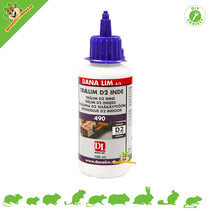
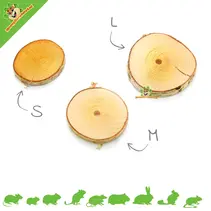
For building, reinforcing, and repairing. Think of wood glue, wooden dowels, ice cream sticks, and birch slices for small platforms, routes, or scavenger hunt details.
Finishing & cladding
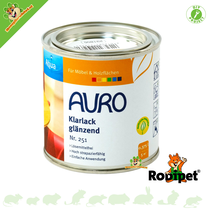
For a neat, practical finish. Think of DIY natural paint, cork inserts for running wheels, and backing adhesive for terrarium walls.
Hanging & mounting
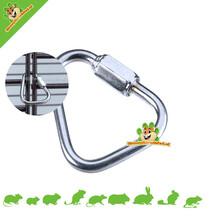
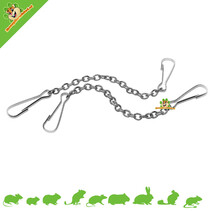
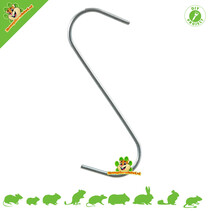
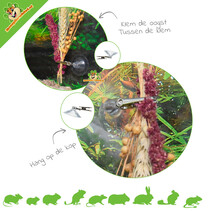
For lightweight accessories, temporary mounting, or practical fastening. Think of S-hooks, clamps, and suction cups with clamps.
Treadmill upgrades
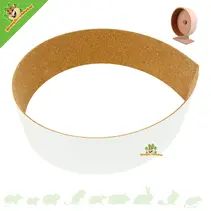
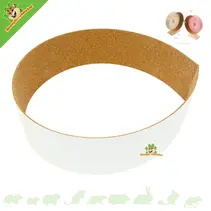
For extra grip, comfort, or replacement. Cork inserts can make a tread more pleasant and are convenient for maintenance.
Scaping & backdrops
For terrariums, natural backdrops, and calm scape finishes. Especially interesting for hamsterscaping and gerbilscaping.
Tools & details
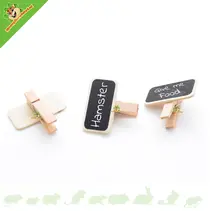
For neat cutting, labeling, preparing, and finishing. Handy when you often make small adjustments yourself.
Why use DIY in a rodent or rabbit enclosure?
DIY gives you the opportunity to tailor an enclosure better to your animal. You can make routes slightly more logical, fit a platform, improve a running wheel, give a subtle finish to a background, or add small feeding and sniffing spots. This is especially valuable for natural enclosures, as standard products do not always fit exactly the size, layering, or layout you have in mind.
In hamsterscaping and gerbilscaping, DIY often revolves around depth, pathways, natural layers, and stable transitions. For rats and pygmy rats, it is more often about hanging, attaching, creating routes, and keeping smart components secure. For guinea pigs and rabbits, DIY can be practical for low feeding spots, hay areas, labels, clips, ledges, or small adjustments to an existing setup.
The most important thing is that a DIY project is not only beautiful but also remains sturdy, dry, easily accessible, and inspectable. A homemade component must suit your animal's behavior as well as how you maintain the enclosure daily.
DIY ideas: what can you make or improve yourself?
Plateaus and routes
With wood glue, dowels, birch slices, and popsicle sticks, you can create small routes, stepping stones, resting spots, or decorative transitions. Keep them low, stable, and appropriate for the animal species.
Food and snack corners
A small serving tray, dry feeding corner, or sniffing spot can help present food, herbs, and snacks more neatly. This works especially well in scapes and natural enclosures.
Improve exercise wheel
A cork insert can make the running surface of a suitable exercise wheel more comfortable and make maintenance easier. Always choose the correct size and check regularly for wear.
Finishing the terrarium or scape
With background glue and natural materials, you can make a backdrop or scape look calmer and neater. Always allow the glue to dry and cure completely before your animal can get near it.
Hanging and mounting
S-hooks, suction cups with clamps, and other mounting materials are handy for lightweight accessories. Make sure everything hangs securely and that no legs, toes, or heads can get caught in openings.
DIY by animal species
Mouse
For mice, DIY works especially well with small routes, lightweight hanging points, nesting corners, and mini-platforms. Keep components small, airy, and escape-proof.
Dwarf hamster
For dwarf hamsters, you can create beautiful landscaping details with DIY, such as low platforms, feeding spots, small routes, and decorative elements. Everything must be stable and remain low so that no unnecessary tripping hazards are created.
Hamster
For hamsters, DIY is particularly interesting for hamsterscaping, running wheel upgrades, natural routes, and terrarium finishing. Also check out hamsterscaping for beginners and the hamster setup selection guide .
Gerbil
Gerbils are avid diggers and gnawers. DIY can be useful for sturdy routes, terrarium finishing, and natural scaping, but choose assembly and materials with extra care. Also check out gerbilscaping and the gerbil enclosure setup selection guide .
Dwarf rat
Size can vary among dwarf rats. Therefore, choose DIY components based on the individual animal: build, strength, climbing behavior, and enclosure type. Hanging structures, creating routes, and Ratscaping zones can be particularly interesting.
Rat
For rats, DIY is especially practical for hanging, mounting, digging boxes, routes, hanging spots, and smart cage modifications. Check assembly very carefully, as rats are active and smart. Also check out Ratscaping and Ratscaping for beginners .
Guinea pig
For guinea pigs, DIY works especially well for low feeding spots, hay corners, labels, C&C modifications, and practical furnishings. Keep everything low, spacious, and easily accessible, as guinea pigs are true ground dwellers.
Rabbit
For rabbits, DIY can be handy for low feeding areas, labels, hay corners, safe edges, or practical attachments. Choose sturdy material and take into account size, gnawing power, and room to move.
Chinchilla
For chinchillas, DIY is primarily functional: sturdy assembly, dry materials, and platforms and parts that are easy to keep clean. Pay extra attention to gnawing power, dry placement, and stable attachment.
Degoe
For degus, choose extra sturdy and simple DIY materials. Degus gnaw a lot and actively use routes, so assembly, material selection, and regular checks are important.
Choosing materials: glue, paint, wood, cork, and fasteners
In DIY, the choice of materials is crucial. Use wood glue only for suitable wood joints and allow it to dry and cure completely. Use natural paint for creative finishing of suitable materials and allow it to dry thoroughly before the project comes near the animal. Use cork inserts only if the size and type of running wheel match well.
Hooks, suction cups, and clamps are handy, but must be placed firmly and logically. Use them primarily for lightweight parts and check that no dangerous openings, loose loops, or wobbly accessories are created.
Homemade doesn't mean everything in the enclosure has to be. Sometimes, a single well-placed platform, a neat feeding area, or a quieter background is enough to make the layout clearer and more attractive.
Practical DRD tip
It is better to make DIY projects modular rather than fixed into one large unit. A separate platform, separate route, or separate feeding spot is easier to test, move, clean, and replace. This prevents you from having to take your entire scape apart when one part doesn't work properly.
Want to know more about scion and interior design?
DIY is especially suitable when you already know which behavior you want to support. Therefore, read on at hamsterscaping for beginners , the hamster enclosure selection guide , gerbilscaping , the gerbil enclosure selection guide , and Ratscaping for beginners .
Do you mainly want to combine products? Then also take a look at Natural Rodent Furnishings , Cage Furnishings , Gnawing Material , and Play & Foraging .
Combine nicely with DIY
Natural design
Cork, wood, bamboo, bark, and natural paths often form the basis of a DIY scape.
Cage setup
Combine DIY with houses, exercise wheels, tunnels, platforms, food bowls, and drinking fountains.
Ground cover
A good layering structure determines where you can stably place DIY routes, platforms, and scaping details.
Chewing material
In addition to homemade parts, provide suitable gnawing material so that your animal can nibble naturally.
Checklist: Choosing and making a DIY project
✓ Do you know which problem or function your project solves: route, grip, scaping, feeding spot, fastening, or finishing?
✓ Is the material suitable for the animal species, gnawing strength, and location in the enclosure?
✓ Do you let your glue, paint, or background glue dry and cure completely before your pet can get near it?
✓ Do you check for sharp edges, splinters, loose parts, and wobbly connections?
✓ Do routes remain low, logical, and without unnecessary drop points?
✓ Can you clean, move, or replace the project later?
✓ Test your stability with your hand before your animal uses the part?
Good to know for DIY for rodents and rabbits
Let everything dry and harden completely.
Are you using glue, paint, or background adhesive? Only place the project in the enclosure when everything is completely dry and cured and there is no longer any strong odor.
Homemade must also remain verifiable.
A beautiful project must remain practical. You must be able to check wet spots, food residue, loose parts, and wear without taking the entire setup apart.
Watch out for gnawing power
Gerbils, rats, chinchillas, and degus can make extensive use of parts. Therefore, check DIY constructions regularly and replace parts that splinter, fray, or become unstable.
Do not use unknown materials
Do not use random paint, glue, treated wood, plastic, or decorative material if you do not know how it reacts to gnawing, moisture, or prolonged use in an enclosure.
Frequently asked questions about DIY for rodents and rabbits
What can you make yourself for rodents?
You can create low platforms, routes, feeding corners, aquascaping details, exercise wheel upgrades, backdrops, and small hanging solutions, among other things. Always choose materials that suit the animal species and the location in the enclosure.
Which DIY materials are useful for hamsterscaping?
For hamsterscaping, wood glue, dowels, popsicle sticks, birch slices, cork, backing glue, and natural materials are useful. Build a low, stable structure suitable for deep bedding.
Can I use regular wood glue for rodents?
Preferably use a product intended for this type of application and follow the product information. Always allow the glue to dry and cure completely before your animal can get near it.
Can I use regular paint in a rodent enclosure?
Do not use just any paint. Choose only paint suitable for the intended use and allow everything to dry completely. Take into account gnawing, moisture, and contact with bedding.
What do you use cork inserts for?
Cork inserts are used to replace or improve the running surface of a matching exercise wheel. Always pay attention to the correct size and check the running surface regularly for wear.
Is DIY suitable for gerbils?
DIY can be very suitable for gerbils, but gerbils gnaw and dig avidly. Choose sturdy materials, avoid fragile constructions, and check regularly for wear and tear.
Is DIY suitable for guinea pigs and rabbits?
Yes, especially for low feeding spots, hay corners, labels, practical mounting, and small adjustments. Keep everything low, spacious, and easily accessible.
When should you replace a DIY part?
Replace a DIY part if it is wet, dirty, unstable, splintered, frayed, or heavily chewed. Pay particular attention to regularly checking joints, edges, and suspension points.
Buy DIY materials at DRD Knaagdierwinkel®
At DRD Knaagdierwinkel®, you will find DIY materials for rodents and rabbits that allow you to create routes, landscaping details, feeding areas, exercise wheel upgrades, backdrops, and practical fixings yourself. We select based on application, ease of use, animal-friendly use, and value in a well-designed enclosure.
Do you want to look further specifically? Then go to DIY , combine with Natural Rodent Setup , Cage Setup , Bedding & Nesting Material , Gnawing Material or Play & Foraging .
✓ Specialist since 2011 in hamsterscaping, gerbilscaping, and natural interior design
✓ Carefully selected assortment: DRD chooses what is truly right for the animal, enclosure, and use
✓ Delivered from our own stock and shipped from the Netherlands to the Netherlands, Belgium, Germany, and other EU countries
