 Polski

Guinea pig winter products – warmth, shelter and dry resting places



- Voor 17 uur besteld, dezelfde dag verzonden!
- Rodent specialist since 2011
- Dispatched from our own stock



- Voor 17 uur besteld, dezelfde dag verzonden!
- Rodent specialist since 2011
- Dispatched from our own stock



Guinea pig winter products: warmth, shelter, and dry resting places during cold days
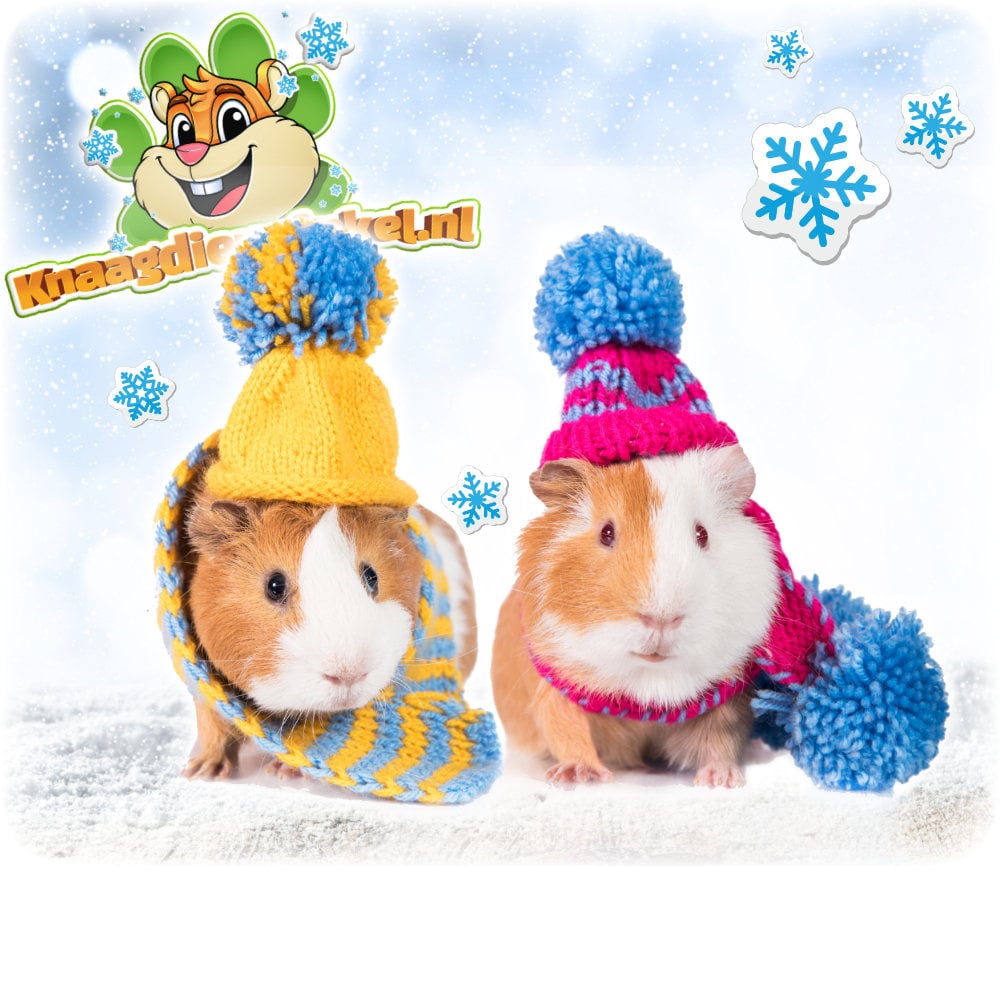 Guinea pig winter products help manage cold days better. In winter, it is mainly about a draft-free spot, dry bedding, sheltered resting places, plenty of hay, clean water, and daily checks.
A winter product is therefore not just “something warm”. It must fit into the entire enclosure. A warm basket is of little value if it gets wet. A small house works better when there is enough dry bedding around it. And an outdoor enclosure requires much more preparation than a guinea pig kept indoors in a stable room.
At DRD Knaagdierwinkel®, we view winter care as a complete system. Does the resting place stay dry? Is there enough shelter? Can your guinea pigs access hay and water? Is the enclosure protected from drafts? And are wet spots easy to check? This way, you choose winter products that truly help with daily care. Specialist since 2011.
✓ Guinea pig winter products for warmth, shelter, dry resting places, and comfort
✓ With houses, tunnels, soft resting places, bedding, pee mats, and practical winter accessories
✓ For indoor enclosures, C&C cages, temporary cold periods, and well-prepared outdoor enclosures
✓ Selected by DRD Knaagdierwinkel® – Specialist since 2011
Quick links
In short • Why winter products? • Types of winter products • Which product do you choose? • Warmth & shelter • Indoors or outdoors • Hay, feed & water • Keep dry & clean • FAQ
In short: what does a guinea pig need in the winter?
In winter, a guinea pig primarily needs a dry, sheltered, and draft-free environment. Warmth is important, but dryness and stability are at least as important. A wet resting place feels cold and makes the enclosure uncomfortable more quickly.
Therefore, ensure sufficient dry bedding, sheltered houses, soft resting places, plenty of hay, and easily accessible water. Pay extra attention to checking that water points continue to work, that resting places remain dry, and that your guinea pigs continue to eat, drink, and move normally.
Winter products work best when your guinea pig can choose for itself. So offer multiple spots: a sheltered spot, a warmer resting place, a hay corner, a dry open area, and an easily accessible water source.
Drought first
Dry ground cover and dry resting places are the basis of winter comfort.
Provide shelter
Houses, tunnels, and soft resting places help guinea pigs lie sheltered.
Check water
In cold weather, double-check that water bottles, water bowls, and drinking nipples are working properly.
Why winter products for guinea pigs?
Cold days call for extra attention to dryness, drafts, water, hay, and resting places. Guinea pigs live close to the ground and often lie in fixed spots. When those spots become damp or cold, you will notice it in your guinea pigs' comfort.
Winter products help to make the enclosure more practical. Think of extra dry bedding, houses, tunnels, baskets, fleece products, pee mats, hay racks, and water solutions that remain easy to monitor. The goal is not to create one warm corner, but to keep the entire enclosure logical and comfortable.
Useful basic routes: Guinea pig bedding , Guinea pig houses , and Guinea pig water bottles and bowls .
Types of guinea pig winter products
Not every winter product serves the same purpose. Some products provide shelter, while others ensure comfort, absorption, water control, or a more convenient cleaning routine. Therefore, first consider what you want to improve in the enclosure.
| Product type | Usage | What do you look out for? |
|---|---|---|
| Houses and shelters | Shelter, peace, and a more draft-free location. | For multiple guinea pigs, use multiple hiding places and preferably open routes. |
| Tunnels | Sheltered walking routes and extra resting places. | Check for moisture, dirt, and sufficient space to walk through. |
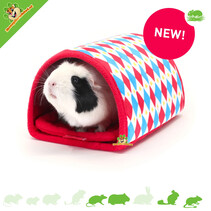
| Cushions, baskets and igloos | Soft, warmer resting places in a dry enclosure. | Only pleasant when they stay dry, clean, and intact. |
| Ground cover | Absorb moisture and keep the soil comfortable. | Check fixed urination spots extra carefully and change the bedding in a timely manner. |
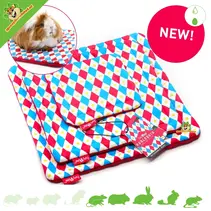
| Plaster mats and bottom mats | Maintain resting areas, C&C enclosures, and wet zones better. | Wash and dry completely before putting them back. |
| Hay racks and hay sacks | Offer hay dry and more easily accessible. | Check under the hayloft for moisture and old residue. |
Which guinea pig winter product do you choose?
The best choice depends on where your guinea pigs are kept. Indoors, winter care mainly revolves around draft-free areas, dry resting spots, water control, and comfort. Outdoors requires much more preparation: wind, moisture, cold, freezing water, shelter, and daily checks all play a role.
| Situation | Often a suitable choice | Why? |
|---|---|---|
| Indoors on cold days | Houses, tunnels, baskets, dry bedding | Provides shelter and comfort without the enclosure becoming stuffy. |
| C&C stay | Plaster mats, C&C bedding, resting places and hay racks | Zones make it easier to separate dry and wet areas. |
| Long-haired guinea pig | Dry bedding, pee pads, and easily washable resting places | Moisture and dirt cling to long fur more easily. |
| Multiple guinea pigs | Multiple small houses, tunnels, resting places, and hay corners | This way, one guinea pig does not have to claim a warm or sheltered spot. |
| Country residence | Dry shelter, extra ground cover, water control and draft-free layout | Outdoors, moisture, wind, and freezing are important points of attention. |
Warmth and shelter for guinea pigs
Warmth starts with a good location. Do not place the enclosure in a draft, directly against cold windows or doors, or on a damp floor. A quiet spot with a stable indoor climate is often more pleasant than a place with strong temperature fluctuations.
Houses, tunnels, baskets, igloos, and soft resting places help guinea pigs lie sheltered. However, make sure that soft materials stay dry. A basket or fleece blanket that gets wet should be replaced or washed quickly.
✔ Provide sheltered resting places without drafts.
✔ Offer multiple warm or sheltered spots for multiple guinea pigs.
✔ Check soft resting areas daily for moisture and dirt.
✔ Use houses and tunnels so that guinea pigs cannot block each other.
✔ Keep walking routes to hay and water clear.
Guinea pig cushions and baskets
For soft resting places that provide extra comfort when they stay dry.
Guinea pigs indoors or outdoors in winter
Indoors, it is particularly important that the enclosure is not in a draft and that the temperature does not fluctuate significantly. Do not place the cage directly next to an exterior door, a cold glass wall, an open window, a drafty floor, or a heater that causes large temperature differences.
Outdoor winter care requires much more preparation. An outdoor enclosure must be well-sheltered, dry, draft-free, and safe. You should not simply put guinea pigs that are not used to outdoor life outside in the winter. Even guinea pigs that do live outdoors require daily monitoring for moisture, wind, water, hay, and behavior.
✔ Indoors: choose a quiet, draft-free spot with a stable temperature.
✔ Outdoors: check extra for wind, moisture, cold, and freezing water.
✔ Do not move guinea pigs suddenly from warm indoors to cold outdoors.
✔ Outdoors, only use a shelter that remains well-sheltered and dry.
✔ Check daily if your guinea pigs are eating, drinking, and moving normally.
Useful routes: Guinea pig cage , Guinea pig runs and enclosures , and Guinea pig transport box .
Hay, feed, and water during cold days
Hay remains a daily staple, even in winter. Ensure your guinea pigs have ample and easy access to hay and that the hay stays dry. A hay rack, hay sack, or a designated hay corner helps keep the hay more accessible and cleaner.
Water requires extra monitoring in winter. Drinking bottles and water bowls must remain accessible and function properly. At outdoor shelters, water can cool down or freeze. Therefore, check more frequently, and always test drinking bottles to ensure the spout drains properly.
✔ Keep hay dry, fresh, and readily available.
✔ Check water points daily, and more often when it is cold outside.
✔ Test drinking bottles for a properly functioning drinking nipple.
✔ Check if all guinea pigs continue to eat, drink, and poop.
✔ Use food bowls that stay clean and dry.
Guinea pig hay racks
For a permanent hay corner that remains more accessible and controllable.
Drinking bottles & water bowls
For clean, accessible water in cage, run, or C&C enclosure.
Keep the guinea pig enclosure dry and clean in the winter.
In winter, damp spots are especially annoying. Wet bedding, wet hay, or damp resting places feel colder and make the enclosure unpleasant more quickly. Therefore, check the places where your guinea pigs urinate, rest, and eat hay more often.
Use absorbent bedding, pee pads, or litter boxes on persistently wet spots. Remove wet hay and old vegetables promptly, and allow washable products to dry completely before putting them back. A dry surface is especially important for long-haired guinea pigs, as moisture and dirt tend to cling to their fur more easily.
✔ Check fixed urine spots more often during cold periods.
✔ Keep hay corners dry and remove wet hay in time.
✔ Wash pee pads, fleece, and baskets before they remain musty or wet.
✔ Let washable products dry completely before putting them back.
✔ Pay extra attention to the wet belly line and hindquarters in long-haired guinea pigs.
Ground mats & pee pads
For C&C accommodations, resting areas, and zones that get wet quickly.
Guinea pig cleaning products
For urine stains, toilet areas, feeding areas, and daily maintenance.
Winter care in a C&C guinea pig cage
In a C&C guinea pig cage, you can effectively work with winter zones. Create a dry hay corner, a sheltered resting area, a spot with soft materials, an open walkway, and a water point that is easy to monitor. This keeps the enclosure organized and practical.
In C&C enclosures, pay particular attention to edges, corners, under shelters, under hay racks, and areas where pee mats are lying. This is often where wet spots form that you will want to remove more quickly in the winter.
See also: C&C guinea pig cages , C&C bedding and Guinea pig cage accessories .
Cold days and daily check
During cold periods, daily checks are especially important. Check if your guinea pigs are eating normally, taking hay, drinking, defecating, and moving. Also pay attention to posture, coat condition, wet spots, and whether all animals have access to shelter and hay.
A guinea pig that is eating less, is lethargic, feels cold, breathes heavily, is puffed up, or is reacting clearly differently than normal needs attention. Do not wait if there are clear symptoms; contact a veterinarian.
More information: Guinea pig health , Guinea pig not eating and Guinea pig droppings .
DRD makes the choice: winter care starts with dry and sheltered conditions
At DRD, we view guinea pig winter products not as standalone winter items, but as part of a care routine. Warmth, dryness, shelter, hay, water, and check-ups should all work together.
The power lies in thinking ahead. By ensuring a draft-free area, dry resting zones, sufficient hay, and easily controllable water points before cold days, winter care becomes calmer and more manageable.
Convenient to combine with guinea pig winter products
Warmth & shelter
Guinea pig houses • Guinea pig tunnels • Guinea pig cushions and baskets • Guinea pig hammocks
Keep soil dry
Guinea pig bedding • Bedding for long-haired guinea pigs • Guinea pig floor mats and pee pads • Guinea pig toilets
Hay, feed & water
Guinea pig hay • Guinea pig hay racks • Guinea pig food and nutrition • Drinking bottles and water bowls
Inspection & maintenance
Guinea pig cleaning products • Guinea pig health • Caring for long-haired guinea pigs • Cleaning a guinea pig cage
Checklist – using guinea pig winter products correctly
✓ Is the enclosure located in a dry, draft-free, and quiet spot?
✓ Are there multiple sheltered resting places with two or more guinea pigs?
✓ Do baskets, cushions, igloos, and pee pads stay dry and clean?
✓ Is there always plenty of dry, fresh hay available?
✓ Check your water points extra carefully on cold days or for outdoor enclosures?
✓ Do you pay attention to food, drink, droppings, posture, activity, and coat condition?
✓ Do you use your winter products as part of a complete interior design, not as a standalone solution?
Good to know
In winter, guinea pigs primarily need dryness, shelter, and a stable environment. A warm product only helps when the basics are right: no drafts, no damp resting place, sufficient hay, and easily accessible water.
Do you notice that your guinea pig is eating less, is lethargic, feels cold, is breathing heavily, is puffed up, or is reacting clearly differently than normal? Then contact a veterinarian.
FAQ – frequently asked questions about guinea pig winter products
How do you keep a guinea pig warm in the winter?
Provide a dry, draft-free place, sufficient bedding, sheltered houses, plenty of hay, and warm resting places that remain clean and dry.
Which winter products are useful for guinea pigs?
Useful winter products include houses, tunnels, baskets, igloos, soft resting places, extra bedding, pee mats, hay racks, and products that help to effectively monitor water and the ground.
Can guinea pigs stay outside in the winter?
This is only possible when they are accustomed to it and the outdoor enclosure is well-sheltered, dry, draft-free, and safe. Check the outside extra carefully for moisture, cold, wind, and freezing water.
Can a guinea pig that lives indoors go outside in the winter?
Do not suddenly put a guinea pig that lives indoors outside in the winter. Large temperature fluctuations are unpleasant. It is better to choose a stable, draft-free indoor spot.
What is more important: heat or drought?
Both are important, but dryness is the foundation. A wet resting place feels cold and quickly makes the stay unpleasant. So, first ensure dry bedding, dry hay corners, and clean resting places.
How do you prevent drafts in a guinea pig enclosure?
Do not place the enclosure directly near exterior doors, cold windows, open ventilation grilles, drafty floors, or areas with strong air currents. Choose a quiet spot with a stable climate.
How do you check your water in the winter?
Check daily whether water is available and whether drinking bottles or water bowls are working properly. Check more frequently at outdoor enclosures, as water can cool down or freeze.
Which bedding is good in the winter?
Choose bedding that absorbs moisture well and helps keep the enclosure dry. For permanent urination spots, you can also use pee mats, litter boxes, or extra absorbent zones.
Are cushions and baskets suitable in winter?
Yes, soft resting places can provide extra comfort, as long as they remain dry, clean, and intact. Check regularly for moisture, hair, loose threads, and wear.
What do you combine with guinea pig winter products?
Combine winter products with bedding, hay, houses, tunnels, water stations, cushions, pee pads, toilets, cleaning supplies, and daily checks.
✓ Guinea pig winter products for warmth, shelter, dry resting places, and comfort
✓ Practical for indoor enclosures, C&C cages, outdoor enclosures, and cold days
✓ Combines well with bedding, hay, houses, tunnels, water sources, and cleaning supplies
✓ Ordered before 5 PM, shipped the same day
✓ Specialist since 2011
✓ Delivered from our own stock
Unsure which winter product best suits your guinea pigs, enclosure, or situation? Feel free to contact us via our contact page . We are happy to help you decide.
