 Polski

Natural furnishings for rodents & rabbits – Cork, Bamboo & Wood types


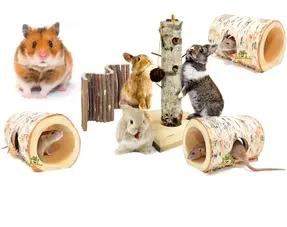


Natural setup for rodents and rabbits
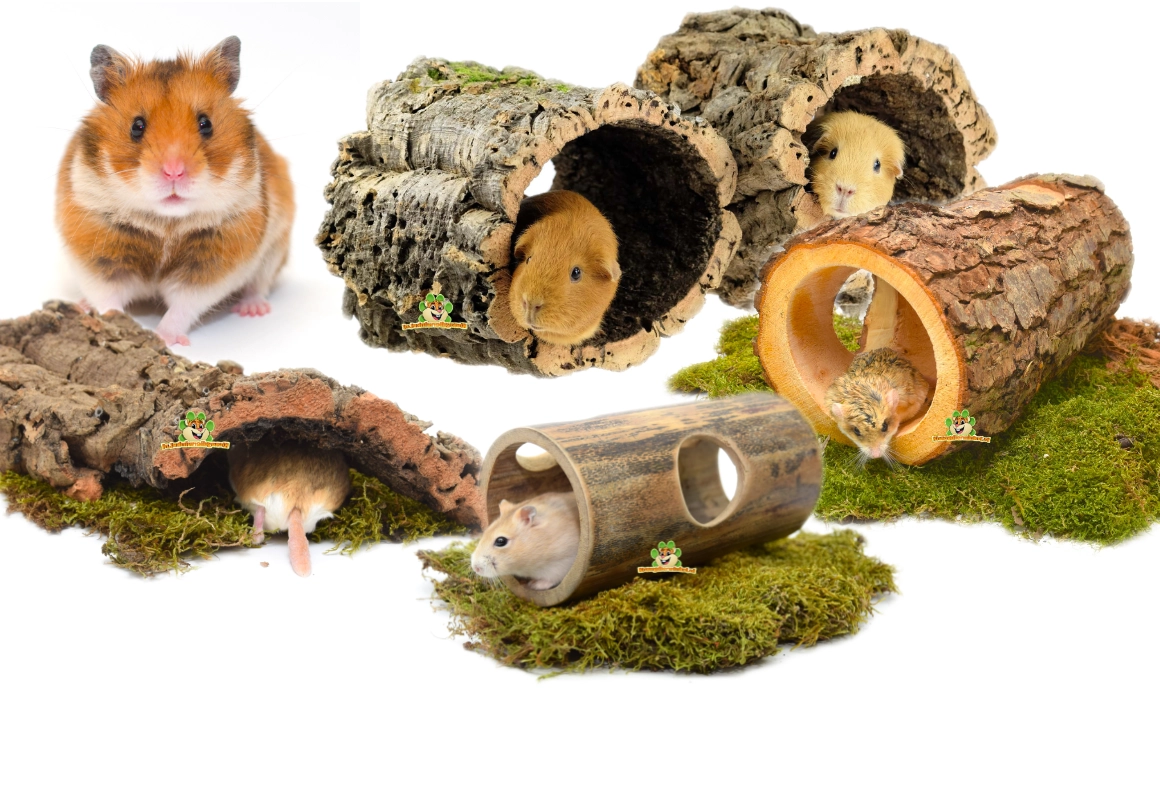 Do you want to furnish your rodent or rabbit's enclosure in a more natural, richer, and practical way? In the Natural Rodent Furnishing category, you will find materials such as cork and bamboo , willow , bark wood , and various types of wood for hiding, climbing, gnawing, exploring, and scaving.
When designing natural enclosures, DRD considers not only how aesthetically pleasing something looks in the enclosure, but primarily its function for the animal. A cork tunnel can serve as both a hiding place and a route, a willow bridge can be both a transition and a gnawing object, and bark provides structure, scent, and cover. In this way, natural design becomes not just decoration, but a method to make the enclosure more logical and enriching.
In short
✓ Natural design helps with hiding, climbing, gnawing, exploring, and creating routes.
✓ Cork, bamboo, willow, and various types of wood add structure to an enclosure, terrarium, run, or scape.
✓ Always choose based on animal species, size, stability, and the function the product will serve in the enclosure.
Quick links
Subcategories | Why natural decorating? | By animal species | Scaping | Combining | Checklist | Good to know | FAQ
Natural design
Everything for a natural base: wooden elements, pathways, hiding places, scaping products, and functional decorative materials.
Cork and bamboo
Cork is popular for tunnels, hiding places, and natural pathways. Bamboo provides a calm, sturdy, and decorative appearance.
Hazelnut, birch and beech
Sturdy wood types with a natural look. Beautiful for bridges, routes, gnawing moments, and calm scape construction.
Mahogany and alder
Natural wood products with character. Great for variety, texture, and a warmer look in the living space.
Willow
Willow is popular for bridges, tunnels, treads, and light natural furnishings. Suitable for routes, cover, and gnawing fun.
Bark wood
Bark wood provides a lot of structure. Beautiful for shelter, tunnels, natural edges, height differences, and scaving details.
Why choose natural decor?
A natural design makes an enclosure more interesting and easier for your animal to navigate. Prey animals such as hamsters, mice, gerbils, guinea pigs, and rabbits often feel more comfortable when they have cover, routes, and multiple resting spots. Climbers such as rats, pygmy rats, chinchillas, and degus, on the other hand, enjoy using natural materials as routes, stepping stones, lookout points, or objects to gnaw on.
The beauty of natural materials is that they can serve multiple functions. A tunnel is not just a tunnel, but also a shelter. A bridge is not just a bridge, but can also connect different levels. A piece of cork or bark can enhance the beauty of a scape, while simultaneously providing structure and shelter.
Always combine natural furnishings with a good foundation: suitable bedding and nesting material , functional cage fittings , and sufficient opportunities for play and foraging . This creates an enclosure that not only looks beautiful but also works logically.
Natural layout per animal species
Hamsters and dwarf hamsters
For hamsters and dwarf hamsters, a natural setup is ideal for hamsterscaping. Think of low tunnels, cork, willow bridges, houses, moss, sand zones, and natural routes through deep bedding. Always place heavy items stably on the bottom or on a sturdy support so that they cannot sink when your hamster digs.
Gerbils
Gerbils love to dig, gnaw, and destroy. For gerbilscaping, sturdy materials such as cork, bark wood, willow, and various types of wood are very valuable. It is better to choose robust products and place components stably, as gerbils actively change their setup.
Mice
Mice enjoy using natural furnishings as cover, routes, and climbing opportunities. Small tunnels, narrow passages, lightweight bridges, and sheltered routes make the enrichment much richer. When dealing with mice, pay extra attention to small openings and the risk of trapping.
Rats and pygmy rats
For rats and pygmy rats, a natural setup can be part of Ratscaping : routes, platforms, digging zones, tunnels, and natural structures. Pygmy rats can vary in size, so always choose products based on the actual build and usage of the individual animal.
Guinea pigs
For guinea pigs, a natural setup primarily serves as low shelter, a passageway, and a quiet route. Choose wide, low products that guinea pigs can easily pass through. Avoid tall climbing structures; guinea pigs are ground-dwelling animals and primarily need a good view, hiding places, and floor space.
Rabbits
For rabbits, sturdy, low tunnels, bridges, and hiding places are interesting as enrichment in a run, room, or enclosure. Choose based on size and stability so that your rabbit can safely move past, through, or over them.
Chinchillas and degus
Chinchillas and degus enjoy using natural materials as routes, hiding places, and gnawing objects. Ensure sturdy placement, good ventilation, sufficient space, and regular checks for wear. A cool, dry environment remains important for chinchillas.
Scaping: natural design with function
Scaping means deliberately constructing an enclosure with zones, variations in height, hiding routes, and natural materials. In hamsterscaping and gerbilscaping , the emphasis is often on deep bedding, tunnels, cork, sand zones, moss, and digging structures. Ratscaping, on the other hand, focuses more on climbing, routes, digging boxes, platforms, and enrichment.
A good scape looks natural, but must above all remain practical. You must be able to check on your animal, find food remnants, and clean wet spots. Therefore, always leave sufficient visibility and access, especially around houses, tunnels, and digging zones.
Combine beautifully with natural decor
Ground cover
The foundation for digging, walking, nesting, and zoning. Especially important for hamsters, gerbils, and mice.
Moss & natural details
Nice for softening transitions or making a roof, tunnel, or corner look more natural.
Foraging
Make the natural setup more lively by hiding food, herbs, or snacks and encouraging searching.
Chewing material
Additional material to give natural gnawing behavior a clear place in the enclosure.
Checklist: choosing a natural interior
✓ Does the product suit the animal species and size of your animal?
✓ Does the product have a clear function: sheltering, route, climbing, gnawing, or scaping?
✓ Is the product stable, even when your animal digs, jumps, or gnaws?
✓ Are passageways wide enough and is there no risk of entrapment?
✓ Can you still properly inspect and clean the accommodation?
✓ Does the product combine logically with bedding, houses, tunnels, and foraging areas?
✓ Regularly check natural materials for wear, loose parts, or sharp edges.
Good to know about natural interior design
Adapt the natural setup to the animal
Consider size, weight, passage, stability, and use. A tunnel that is perfect for a dwarf hamster may be too small for a Syrian hamster, guinea pig, or rabbit. By matching well, a natural setup becomes both more beautiful and more practical.
Place heavy parts stably
For animals that dig, such as hamsters and gerbils, it is best to place heavy items on the bottom of the enclosure or on a sturdy support. This prevents anything from sinking when the bedding is moved.
Check for wear
Natural materials are used, sniffed, climbed on, and gnawed. Therefore, check regularly for sharp edges, loose pieces, or areas that are no longer firm.
Keep the stay verifiable
A rich setup is beautiful, but you must still be able to see your animal, find wet spots, and remove leftover food. So build richly, but not cluttered.
Frequently asked questions about natural design
What is a natural environment for rodents?
Natural furnishings consist of materials such as cork, bamboo, willow, bark wood, and types of wood used for hiding places, routes, tunnels, climbing, gnawing, and landscaping.
Why is a natural decor good for an accommodation?
A natural setup provides more structure, cover, and activity. Animals can choose where to walk, hide, climb, or gnaw, making the enclosure richer and more logical.
Is cork suitable for hamsters and gerbils?
Yes, cork is popular with hamsters and gerbils because it is lightweight, natural, and versatile. You can use it as a tunnel, hiding place, route, or landscaping element. Always place larger pieces securely.
Is willow suitable for landscaping?
Willow is often used for bridges, tunnels, rollers, and light natural furnishings. It is suitable for many rodents and rabbits, as long as the size and use suit the animal.
What kind of natural interior suits guinea pigs?
Low, wide hiding places, tunnels, and sheltered routes are particularly suitable for guinea pigs. Choose products that a guinea pig can easily pass through and avoid tall climbing structures.
What kind of natural interior suits rabbits?
Sturdy tunnels, low bridges, hiding places, and natural enrichment are interesting for rabbits. Pay attention to sufficient size, stability, and sturdy materials.
What is the difference between natural furnishings and gnawing material?
Natural furnishings often serve a dual function: they create routes, hiding places, or structure within the enclosure. Gnawing material is primarily intended as a loose supplement to encourage gnawing behavior. Some products can serve both functions.
How do you clean natural furnishings?
Remove visible dirt, shake out loose bedding, and check that the material remains dry. It is preferable to replace heavily soiled or damaged natural materials, as wood and bark cannot always be cleaned completely.
Buy natural furnishings at DRD Knaagdierwinkel®
At DRD Knaagdierwinkel®, you will find natural furnishings for rodents and rabbits that help make their enclosure richer, more beautiful, and more functional. We select based on application: hiding, climbing, gnawing, creating routes, scaping, and natural enrichment.
Would you like to look further specifically? Then go to Natural furnishing , Cork and Bamboo , Willow , Bark wood , or combine with Play & Foraging .
✓ Specialist since 2011 in natural design, scaping, and enrichment
✓ Carefully selected assortment: DRD chooses what is truly right for the animal, enclosure, and use
✓ Delivered from our own stock and shipped from the Netherlands to the Netherlands, Belgium, Germany, and other EU countries
