 Polski

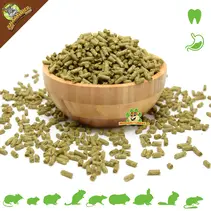
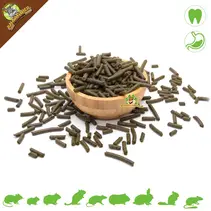
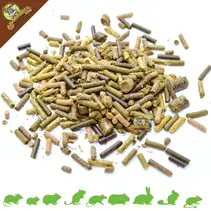
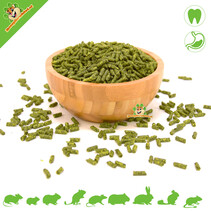
Rat pellets – 100% natural herb, vegetable, seed & fruit pellets

- Voor 17 uur besteld, dezelfde dag verzonden!
- Rodent specialist since 2011
- Dispatched from our own stock
- Voor 17 uur besteld, dezelfde dag verzonden!
- Rodent specialist since 2011
- Dispatched from our own stock
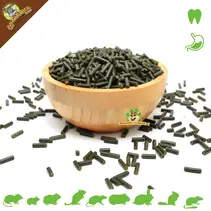
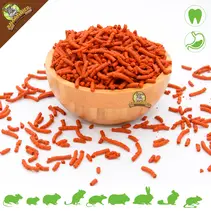
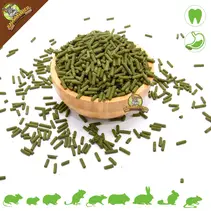
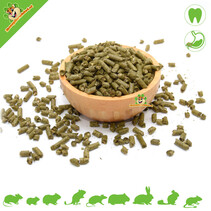
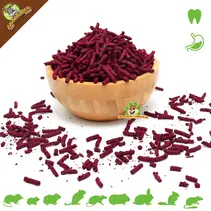
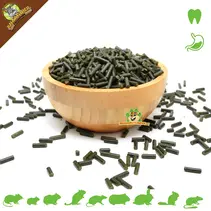
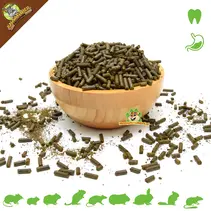
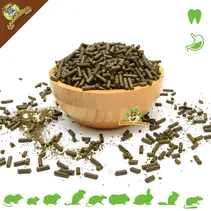
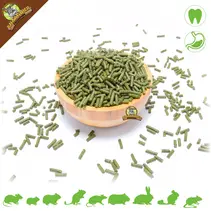
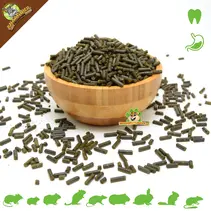
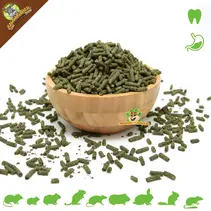
Rat Pellets – natural pellets for foraging, rewarding, and variety
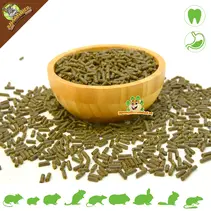
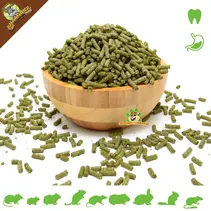
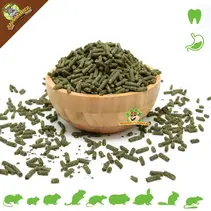
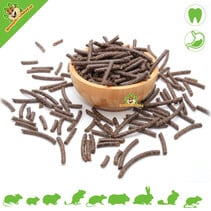
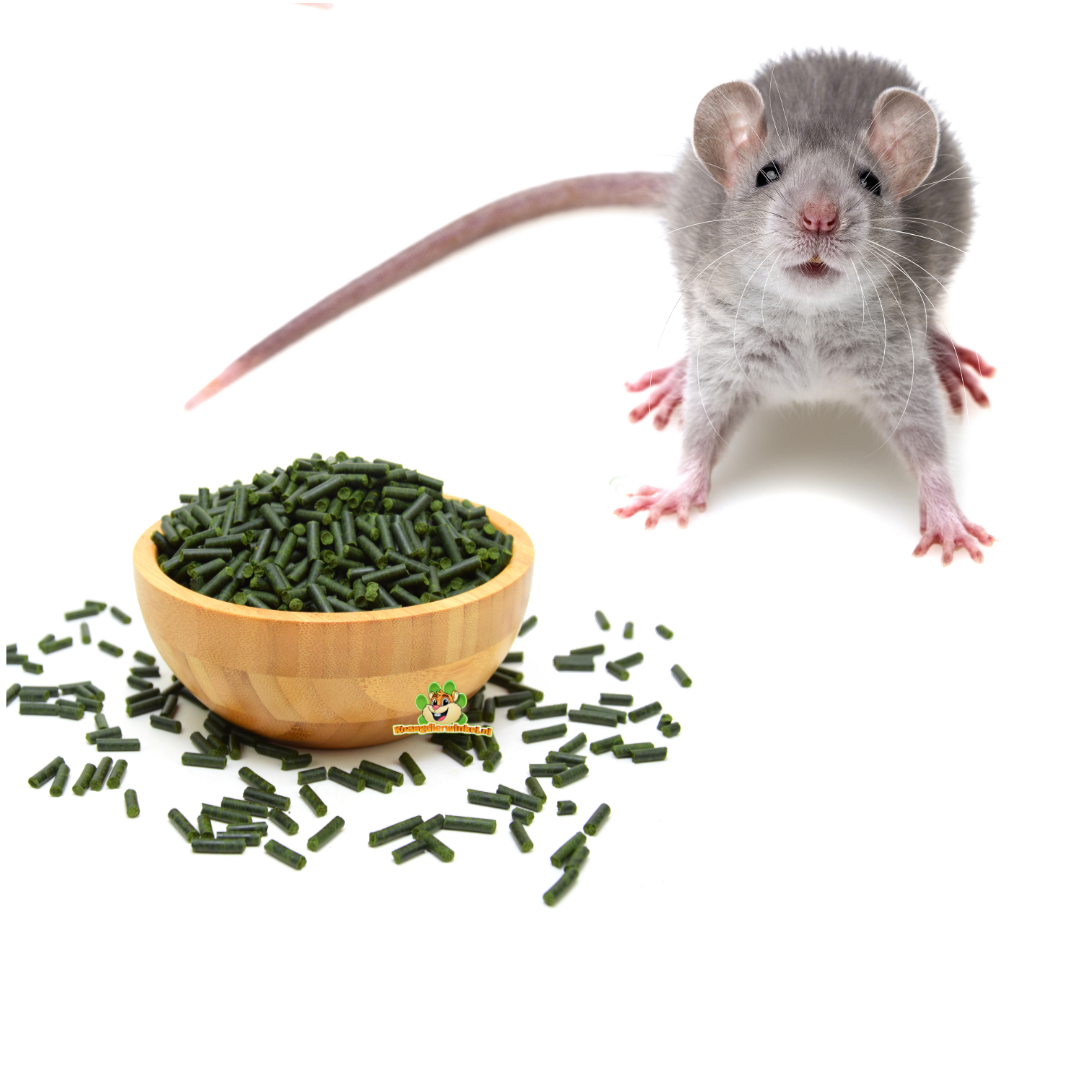 Rat pellets are small, pressed treats made from, for example, herbs, vegetables, seeds, or fruit. They are convenient to portion, easy to hide, and therefore very suitable for foraging, rewarding, and providing variety. That is why DRD considers not only taste but, above all, the role of rat pellets: pellets are a supplement to good rat food , not a replacement for the daily basic diet.
DRD selects rat pellets that match how pet rats like to eat: searching, sniffing, gathering, and discovering small rewards. Use pellets, for example, in a rat digging box , among foraging toys , as a brief training session, or as a supplement to rat herbs and seeds . This makes feeding more fun without the extras taking center stage.
In short
✓ Rat pellets are small compressed treats for rewarding, variety, and foraging.
✓ Use pellets as a supplement alongside complete rat food, not as a complete basic diet.
✓ Fruit and seed pellets are often extra attractive; give these consciously and in small quantities.
Quick links
Why rat pellets? · Choosing pellets · Types of pellets · Dosing & feeding · Foraging with pellets · Combining with staple food · Checklist · Shopping routes · FAQ
Reward small.
Pellets are small and easy to dose. This makes them convenient for taming, training, or brief contact.
Foraging
By hiding or scattering pellets, you make eating more active. Rats then have to search, smell, and discover.
Conscious variation
Herb, vegetable, seed, and fruit pellets provide variety. Choose consciously based on taste, purpose, and quantity.
Why rat pellets are useful
Rat pellets are particularly convenient because they are small, dry, and easy to portion. You can easily count them, divide them among several rats, and hide them in the cage. This makes pellets suitable for owners who want to give their rats something extra without immediately offering large snacks or full food bowls.
For rats, this is especially interesting because eating is not only nutrition but also behavior. Rats enjoy foraging, actively use their noses, and like discovering small rewards. With pellets, you can easily stimulate this behavior.
The most important nuance: pellets in this category are intended as a supplement. The basis remains appropriate rat food. This keeps the menu manageable, while still allowing enough room for variety, training, and foraging.
Choosing rat pellets: what to look for?
Choose rat pellets primarily based on purpose. Do you want quiet daily enrichment, an extra tasty training reward, or something to hide in a digging box? Herb and vegetable pellets often work well for variety and foraging. Fruit and seed pellets are usually more attractive, so you use them more consciously as a small reward.
- Choose herb or vegetable pellets if you primarily want to provide variety and foraging fun.
- Choose fruit or seed pellets primarily as a small reward or training moment.
- It is better to gently alternate a few flavors than to give a lot of different extras every day.
- Use pellets as a supplement to the daily basic diet.
- Distribute pellets over multiple locations when you have a group of rats.
- Observe how your rats react to new flavors and build up gradually.
Do you want to set up the basic diet properly first? Then go to Rat Food or read the Rat Food Selection Guide .
What types of rat pellets are there?
In this category, you will find various types of pressed pellets. They look similar in shape, but their role as a product can differ. Some pellets are spicy and suitable as a quiet variation, while others are somewhat more attractive as a reward due to the fruit or seeds.
Herb pellets
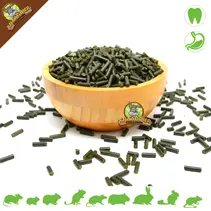
Herbal pellets are great when you want to give rats extra scent, texture, and variety. They are easy to hide in foraging toys, a sniffing spot, or a digging box. Use them as a small supplement alongside their regular food.
Vegetable pellets
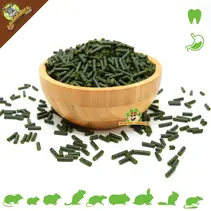
Vegetable pellets provide variety in taste and smell. They are convenient if you want to give something small that is easy to portion. Vegetable pellets are also pleasant for foraging, because they are dry and compact.
Fruit pellets
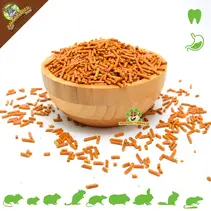
Fruit pellets are often extra popular. That is precisely why it is best to use them as a small reward or as a “high value” extra during training and contact moments. Just a little bit can be enough to make it interesting.
Seed pellets
Seed pellets are often richer in character and therefore attractive as a reward. Use them consciously and in small quantities. They are very suitable for hiding, but should not become the basis of the menu.
Mixed pellets
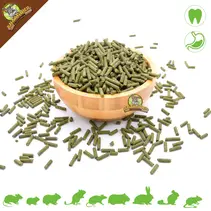
Mix pellets combine multiple flavors or ingredients in a single pellet. They are handy when you want a bit more variety without having to sprinkle individual herbs, seeds, or vegetables separately. Here too, the rule applies: use them as a supplement and pay attention to the total amount of extras.
Dosing and giving pellets to rats
Pellets are easy to portion because you can give them individually or in small amounts. This makes them more manageable than large snacks. This is especially handy with groups: you can distribute pellets across multiple locations so that one fast rat doesn't claim everything.
- Start with small amounts when introducing a new flavor.
- Use pellets as a reward, enrichment, or foraging extra.
- Feed fruit and seed pellets more consciously than herb or vegetable pellets.
- Distribute pellets at multiple locations near a group of rats.
- Remove old or damp leftovers from the cage in time.
- Keep an eye on the total amount of snacks and extras.
Practical tip
✓ Preferably use pellets as a foraging activity rather than as an extra bowl next to the feed.
✓ Choose 2 or 3 flavors and alternate gradually, so you can clearly see what your rats like.
✓ It is best to give new extras in small quantities, especially to sensitive or picky rats.
Foraging with rat pellets
Rat pellets are very suitable for foraging. They are dry, compact, and easy to hide. This allows you to turn food into an activity. Instead of giving all the extras immediately, let your rats search, sniff, and make small choices.
- Hide a few pellets in a digging box or sniffing spot.
- Put pellets in foraging toys or cardboard rolls.
- Place pellets in various safe places in the cage.
- Combine pellets with tunnels, platforms, and Ratscaping routes.
- Use pellets when taming or recalling.
- Check afterwards to ensure no old leftovers are left behind.
Do you want to do more with searching and enrichment? Then check out Rat Play & Foraging , Rat Digging Box , and Ratscaping .
Combining pellets with rat food
Rat pellets are supplementary. The daily basis remains a suitable rat food. This distinction is important because pellets in this category are primarily intended for reward, variety, and foraging. Therefore, view them as smart extras alongside the menu, not as the core of the diet.
- Use rat food as a daily basis.
- Use pellets as a supplement for variety, rewarding, and searching.
- Do not use snacks and pellets all at once in large quantities.
- Pay attention to the total amount of extras in addition to the basic food.
- For groups, check whether all rats can participate fairly.
Are you looking for the main food? Then go to Rat Food . Are you looking for more treats? Then also check out Rat Snacks .
Checklist: how to choose the right rat pellets
✓ You use pellets as a supplement, not as a complete staple food.
✓ You choose the type of pellet based on the goal: herbs, vegetables, fruit, seeds, or a mix.
✓ You give fruit and seed pellets more consciously and in smaller quantities.
✓ You distribute pellets across multiple locations when you have multiple rats.
✓ You also use pellets for foraging, training, or taming.
✓ You remove old, damp, or hidden leftovers from the cage on time.
Handy shopping routes for pellets, snacks, and foraging
Rat pellets work best when you clearly distinguish between basic food, rewards, and enrichment. With these routes, you quickly create a logical combination.
Basic & supplement
First set up the daily food properly, and then choose pellets as additional variation.
Reward & vary
Use pellets together with snacks, herbs, and seeds for brief moments of contact and searching.
Foraging & searching
Hide pellets in play materials, digging zones, and natural routes in the cage.
Learn more about rat nutrition and enrichment
Do you want more guidance on basic feed, supplements, and active feeding? These information pages align well with this category:
FAQ – frequently asked questions about rat pellets
Are rat pellets the same as rat food?
No, the pellets in this category are intended as a supplement, reward, or extra foraging. For the daily basis, choose appropriate rat food. So, you use pellets alongside the main food, not instead of it.
What do you use rat pellets for?
You can use rat pellets as a small reward, for taming, in foraging toys, in a digging box, or as a small variation alongside the basic food. They are especially handy because they are small and easy to portion.
Which pellets are suitable for daily foraging?
Herb and vegetable pellets are often pleasant for quiet variety and search games. Fruit and seed pellets are usually more attractive, so it is better to use them more consciously as a small reward.
How many pellets can you give rats?
Give pellets in small quantities as a supplement. The correct amount depends on the type of pellet, the rest of the diet, and your group of rats. Above all, ensure that the supplements do not displace the basic food.
Are fruit pellets suitable for rats?
Fruit pellets can be used as a small reward. Because fruit is often extra attractive, it is better to give fruit pellets in moderation and purposefully, for example during training or as a search reward.
Can you hide rat pellets in a digging box?
Yes, that is actually a nice way to use pellets. Hide a few pellets in a digging box, sniffing area, or foraging toy. Just make sure to check afterwards that no old or damp remnants are left behind.
DRD chooses rat pellets that make rewarding, variety, and foraging easier.
At DRD Knaagdierwinkel®, we view rat pellets as small, practical extras within a complete nutritional plan. They should not replace the basics, but rather add something: a search moment, a reward, a new flavor, or a nice way to connect with your rats.
Undecided between herbal pellets, vegetable pellets, fruit pellets, seed pellets, or regular rat snacks? Then check out the Ratten Webshop or contact us via Service & Contact . We are happy to help you decide.
✓ Natural rat pellets made from herbs, vegetables, seeds, and fruit
✓ Smart to use for rewarding, foraging, training, and variety
✓ Specialist since 2011
✓ Ordered before 17:00, shipped the same day from our own stock
