 Polski

Choosing guinea pig bedding for a dry and fresh enclosure




- Voor 17 uur besteld, dezelfde dag verzonden!
- Rodent specialist since 2011
- Dispatched from our own stock




- Voor 17 uur besteld, dezelfde dag verzonden!
- Rodent specialist since 2011
- Dispatched from our own stock
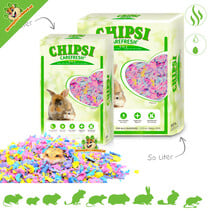

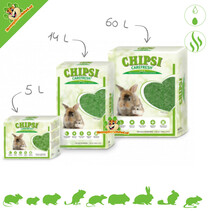
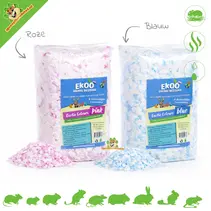
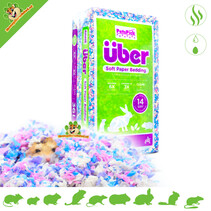
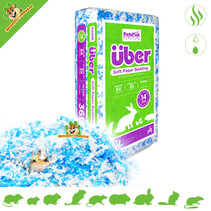
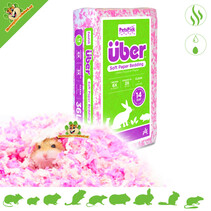
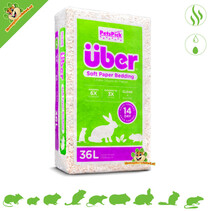

Choosing guinea pig bedding: dry, comfortable, and practical for everyday use
 Good guinea pig bedding makes the enclosure drier, more comfortable, and easier to keep clean. Guinea pigs live close to the ground, walk a lot on the floor, and like to lie in quiet spots. Therefore, the bedding is one of the most important choices for the guinea pig cage.
Which bedding is best depends on your enclosure, the number of guinea pigs, the hay corner, designated potty spots, coat length, and your cleaning routine. Some owners prefer using loose bedding. Others opt for washable floor mats, pee pads, litter box bedding, or a combination of multiple zones.
At DRD Knaagdierwinkel®, we look not only at absorption, but at total usability: does the bedding stay dry, does the coat stay neat, is the hay corner easy to keep clean, does it fit in a C&C enclosure, and can you easily maintain wet spots? This way, you choose bedding that is right for your guinea pigs and for you. Specialist since 2011.
✓ Bedding for guinea pig cages, C&C enclosures, hay corners, and potty areas
✓ Choice of loose bedding, floor mats, pee pads, and litter box bedding
✓ Extra routes for long-haired guinea pigs, C&C bedding and toilets
✓ Selected by DRD Knaagdierwinkel® – Specialist since 2011
Quick links
In short • Which bedding should you choose? • Types of bedding • C&C bedding • Long-haired guinea pigs • Toilet bedding & pee spots • Calculation tool • Cleaning • FAQ
In short: what is good bedding for guinea pigs?
Good guinea pig bedding is absorbent, comfortable, easy to keep clean, and suitable for the enclosure. The bedding should help absorb urine, limit wet spots, and keep the paws and fur as dry as possible.
For many guinea pig enclosures, a combination works best: a soft or absorbent base, extra pee pads on fixed wet spots, and optionally litter bedding in a litter box or hay corner. With C&C guinea pig cages, floor mats and separate pee pads are often very practical.
Pay particular attention to daily use. Bedding may look nice, but in practice, it must suit your guinea pigs: how much they urinate, where they lie, the length of their fur, and how often you want to clean.
Keep dry
The soil must help absorb moisture and quickly identify wet spots.
Comfortable walking
Guinea pigs walk and lie on the floor a lot. Therefore, choose a surface that remains comfortable with daily use.
Easy to clean
A good foundation fits your cleaning routine: daily wet spots, periodic deeper cleaning.
Which guinea pig bedding do you choose?
The right choice depends on the type of enclosure. In a classic guinea pig cage, loose bedding is often used. In a C&C guinea pig cage, many owners opt for washable floor mats with pee pads in the popular spots. In a hay corner or litter box, litter bedding can actually be useful.
| Situation | Often a practical choice | Why? |
|---|---|---|
| Classic guinea pig cage | Loose bedding | Easy to spread over the bottom and easy to refresh. |
| C&C guinea pig cage | Ground mats + pee pads | Fits well with zones, washable solutions, and large floor surfaces. |
| Permanent hayrick | Plasma mat, toilet bowl or toilet bed | Guinea pigs often sit near hay for a long time; this spot gets wet faster. |
| Long-haired guinea pigs | Coat-friendly floor | Less chance of loose particles getting stuck in the long coat. |
| Many designated pee spots | Extra pee mats or toilet bedding | Wet zones can be changed faster without changing everything. |
Types of guinea pig bedding
There is no single type of bedding that is perfect for every guinea pig enclosure. The best choice is bedding that stays dry, works well in your enclosure, and suits your guinea pigs. Therefore, it is helpful to think in terms of bedding rolls: a base layer, a potty area, a hay corner, and a resting zone.
Loose bedding
For cages and enclosures where you want to use a loose absorbent layer.
Ground mats and peat mats
For washable zones, C&C enclosures, resting areas, and designated potty spots.
Toilet bedding
For litter boxes, urinating areas, and wet zones near the hay corner.
C&C ground cover
For C&C guinea pig cages with floor mats, pee pads, toilet areas, and hay corners.
Long-haired guinea pigs
For guinea pigs with long fur, paying extra attention to tangles, wet hindquarters, and loose particles.
Guinea pig toilets
For designated urination spots, litter boxes, and better maintenance around the hay corner.
Bedding for C&C guinea pig cages
With a C&C guinea pig cage, you can work very effectively with zones. The base can, for example, consist of a bottom mat, with loose pee pads in areas where your guinea pigs often lie down or urinate. Around the hay corner, you can use extra absorption, as guinea pigs often sit there for a long time.
The advantage of such a zone division is that you don't always have to clean the entire enclosure. You can rotate wet spots more quickly and keep the large base clean for longer. This makes C&C enclosures practical for owners who like to keep things organized.
Useful routes: C&C guinea pig bedding , guinea pig floor mats and pee pads , and guinea pig cage selection guide .
Bedding for long-haired guinea pigs
With long-haired guinea pigs, you look not only at absorption but also at coat friendliness. Long hair can get wet faster around the hindquarters, and some loose bedding materials can get caught in the fur. Therefore, it is wise to consider the bedding and care together.
A practical approach involves working with a comfortable base, paying extra attention to wet spots, and regularly checking the hindquarters. Washable mats or well-chosen bedding can help keep the enclosure tidy.
Read more: Bedding for long-haired guinea pigs and Caring for long-haired guinea pigs .
Toilet bedding, guinea pig toilets, and designated potty spots
Guinea pigs do not always become fully house-trained, but many do have favorite spots where they urinate frequently. This is often near the hay corner, in a hiding place, or at a designated resting spot. By cleverly furnishing these areas with litter bedding, a litter box, or a pee mat, you can keep the enclosure dry more easily.
A litter box or litter bedding is therefore primarily a maintenance aid. The goal is not for your guinea pig to become perfectly house-trained, but rather to make wet areas easier to manage.
Handy to combine: guinea pig toilets , guinea pig toilet bedding , guinea pig hay racks , and guinea pig cleaning products .
How much bedding do you need?
For loose bedding, you can easily calculate approximately how many liters you need. Measure the inside dimensions of the enclosure and choose the desired layer thickness.
✓ Formula: length × width × layer thickness in cm ÷ 1000 = number of liters of bedding.
✓ Example: 120 × 60 × 5 cm ÷ 1000 = 36 liters of bedding.
✓ For guinea pigs, you often work with a practical layer that absorbs moisture and is easy to change.
✓ If necessary, use extra toilet bedding or pee mats on persistent wet spots.
| Interior dimensions of the enclosure | Layer of 3 cm | Layer of 5 cm | Layer of 8 cm |
|---|---|---|---|
| 100 × 50 cm | 15 liter | 25 liter | 40 liter |
| 120 × 60 cm | 22 liter | 36 liter | 58 liter |
| 160 × 80 cm | 38 liter | 64 liter | 102 liter |
| 200 × 80 cm | 48 liter | 80 liter | 128 liter |
Also view all bedding and nesting material or go back to guinea pig bedding .
Keep guinea pig bedding clean
A fresh floor starts with regular checks. Remove wet hay, wet spots, and vegetable scraps daily. Pay particular attention to the hay corner, hiding places, and favorite resting spots. That is where the floor often becomes damp the fastest.
How often you completely change the bedding depends on the enclosure, the bedding, the number of guinea pigs, and the distribution of urine spots. If you use pee pads or toilet bedding, you can often clean more specifically.
✔ Check the hay corner and favorite resting spots daily.
✔ Replace wet bedding or pee pads on time.
✔ Remove wet hay and vegetable scraps from the enclosure.
✔ Use toilet bedding or pee mats in areas that get wet quickly.
✔ For long-haired guinea pigs, also check the hindquarters and coat.
Read more: Cleaning a guinea pig cage and view guinea pig cleaning products .
DRD chooses: the soil as the basis of the enclosure
At DRD, we do not view bedding as an afterthought. The bedding determines how comfortably guinea pigs walk, lie down, eat, and rest. It also determines how easily you keep the enclosure fresh.
That is why we look at combinations: loose bedding where practical, pee pads in wet spots, toilet bedding near the hay corner, and coat-friendly choices for long-haired guinea pigs. This way, you make the bedding part of a smart guinea pig routine.
Checklist – choosing the right guinea pig bedding
✓ Does the floor suit the type of enclosure: cage, C&C, or run?
✓ Does the floor stay sufficiently dry with your number of guinea pigs?
✓ Can you quickly recognize and replace wet spots?
✓ Is the floor comfortable for paws, belly, and resting places?
✓ Is the bedding suitable for long-haired guinea pigs when they live in the enclosure?
✓ Is extra attention paid to the hay corner, toilet area, and designated urination spots?
✓ Does the base fit in with your daily cleaning routine?
Good to know
A wet floor can cause discomfort and makes the fur dirty faster. Therefore, check the places where your guinea pigs often sit, eat, or rest daily.
Do you see wet hindquarters, bald patches, irritated skin, abnormal droppings, or reduced appetite? Then look not only at the ground, but also at health, diet, and behavior. If in doubt, contact a veterinarian.
Frequently asked questions about guinea pig bedding
What is good bedding for guinea pigs?
Good bedding for guinea pigs is absorbent, comfortable, and practical to keep clean. The best choice depends on your enclosure, the number of guinea pigs, the hay corner, designated potty spots, and your cleaning routine.
What bedding do you use in a C&C guinea pig cage?
In a C&C guinea pig cage, floor mats and pee pads are often practical. You can create zones for resting areas, hay corners, and designated potty spots. Toilet bedding can be useful in a litter box or wet corner.
Are floor mats useful for guinea pigs?
Floor mats can be useful, especially in C&C enclosures. They provide a soft base and are washable. Use extra pee pads frequently in wet spots so you can change them more quickly.
What is the difference between floor covering and toilet bedding?
You use floor covering as the base for the floor of the enclosure. Toilet bedding is used specifically in litter boxes, hay corners, or wet areas where extra absorption is useful.
Can you use a guinea pig toilet?
Yes, a guinea pig toilet can be useful for regular pee spots or in the hay corner. Not every guinea pig becomes house-trained, but a litter box can help to keep wet spots clean more effectively.
Which bedding is good for long-haired guinea pigs?
For long-haired guinea pigs, preferably choose a substrate that stays nice and dry and is less likely to get caught in the fur. Also, regularly check the hindquarters and resting places.
How often should you change guinea pig bedding?
That depends on the enclosure, the bedding, and the number of guinea pigs. Check for wet spots daily and change the bedding as soon as it becomes damp, dirty, or strong-smelling.
Where do guinea pig cages get wet the fastest?
Often near the hay corner, hiding places, and favorite resting spots. Guinea pigs spend a lot of time there, and wet spots form more quickly. Pee pads, litter bedding, or a litter box can help with this.
How much bedding do you need?
Use the formula length × width × layer thickness in cm ÷ 1000. This is how you calculate the number of liters for loose bedding. For an enclosure of 120 × 60 cm with a layer thickness of 5 cm, you need approximately 36 liters.
What do you combine with guinea pig bedding?
Combine bedding with pee pads, litter box bedding, guinea pig toilets, hay racks, cleaning supplies, and a logical layout with dry resting places.
Useful to look at as well
✓ Guinea pig floor mats and pee pads
✓ Bedding for long-haired guinea pigs
✓ Guinea pig bedding for cages, C&C enclosures, hay corners, and potty areas
✓ With selection guide for loose bedding, floor mats, pee pads, and litter box bedding
✓ Practical for C&C guinea pig cages, long-haired guinea pigs, and daily cleaning
✓ Ordered before 5 PM, shipped the same day
✓ Specialist since 2011
✓ Delivered from our own stock
Unsure which bedding best suits your guinea pigs, C&C enclosure, or cleaning routine? Feel free to contact us via our contact page . We are happy to help you decide.
