Polski

Gerbilscaping for Gerbils! Create the Perfect Habitat for Your Gerbil




- Voor 17 uur besteld, dezelfde dag verzonden!
- Rodent specialist since 2011
- Dispatched from our own stock



- Voor 17 uur besteld, dezelfde dag verzonden!
- Rodent specialist since 2011
- Dispatched from our own stock
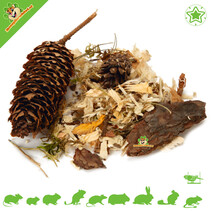
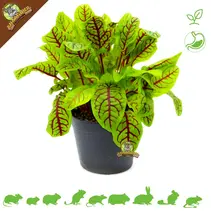
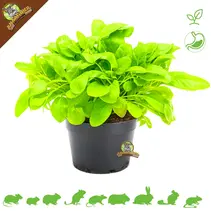
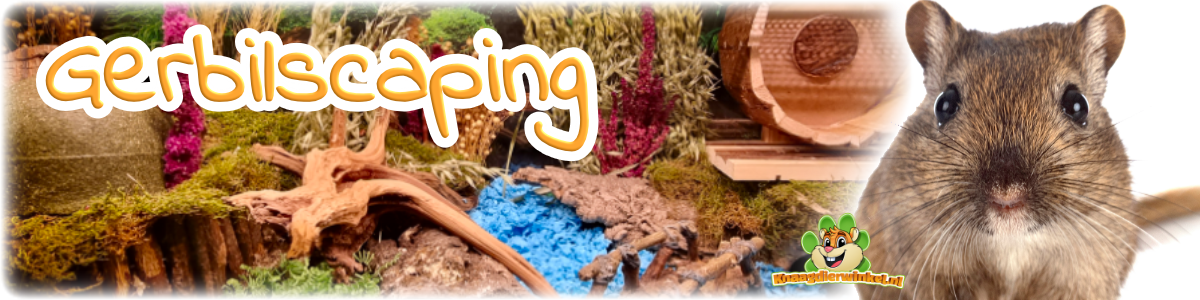
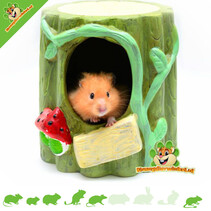
Gerbil scaping starts at DRD Rodent Shop! Order everything for the Gerbil Scape quickly and easily at the DRD Gerbil Webshop !
Gerbil scaping is the natural and smart design of a gerbil's habitat , with one clear goal: to give your gerbils the opportunity to do what they're naturally good at: digging, building tunnels, gnawing, collecting, and exploring . The result is not only a beautiful scape, but above all, an enclosure that provides tranquility and daily activity.
At DRD Rodent Shop®, you'll find gerbil scaping products that complement each other perfectly: from diggable bedding to tunnels , houses , and forage enrichment . We've been specializing in rodents and rabbits since 2011 .
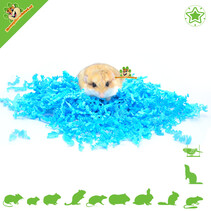
The soil is the core: choose diggable and buildable, so that tunnels can remain standing.
Gerbil bedding → | Digging grounds →
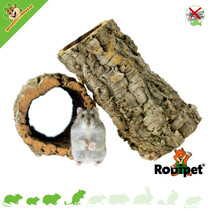
Combine tunnels, (multi-room) houses and natural shapes for peace and structure in the landscape.
Houses → | Tunnels →
Add a sandbox, gnawing material and foraging activities to keep the scape interesting every day.
Sandbox → | Play & Forage →
What is gerbil scaping?
Gerbil scaping is the creative and functional design of a gerbil enclosure using materials that reflect natural behavior. Think of a deep digging layer, safe tunnels and hiding places, plus enrichment such as a sandbox and foraging items. Many owners opt for a "natural look" with natural products (e.g., wood, moss, and fiber materials), as long as everything is animal-safe .
The basics: ground cover that can support tunnels
Gerbils are real diggers. A gerbilscape should therefore start with gerbil bedding that provides volume and preferably allows for tunnels. In practice, a deep layer works best: the more space there is for digging, the better your gerbils can create their own routes.
Practical guideline
✔ Choose a diggable soil and make it deep (think of ±20 cm or more if your accommodation allows it).
✔ Mixing is allowed: combining can provide extra stability and structure.
✔ Work in layers: firmer at the bottom, airier at the top for the “construction”.
Popular mix ideas often used in landscapes: Cotton & Cotton , Cotton & Hemp , and Cotton & Wood Fiber . Want extra "natural touches"? Then also consider moss (only if it's truly suitable for animal enclosures).
Building with houses & tunnels: rest, routes and storage places
A good gerbil enclosure offers multiple hiding places. Use houses and tunnels so gerbils can choose: sleep, hide, or store food. For social animals, it's often helpful to have multiple hiding places , so there's always a quiet option.
- Multi-room cottages are popular: sleeping in one room, storage in the other.
- Use routes : tunnel → house → sandbox, so that the scape “walks”.
- Want to add height? Do so in a controlled manner using platforms and ladders (stable and securely placed).
Enrichment: sandbox, gnawing material & foraging
A scape only becomes truly enjoyable when there's something to do every day. So, focus on three pillars: a sandbox (rolling/occupation), gnawing material (natural gnawing behavior), and playing & foraging (searching, sniffing, puzzling). This way, you use food and snacks more intelligently: not as a "perk," but as an activity.
Checklist – Gerbil scaping in 6 practical steps
✔ Choose a suitable accommodation with room for depth.
✔ Create a deep, diggable base – ground cover .
✔ Place multiple houses and tunnels for routes and rest.
✔ Add a sandbox and position it stably.
✔ Provide gnawing material and change it regularly.
✔ Make it interactive with foraging (hiding, searching, puzzles).
Safety
Use only materials intended for animal enclosures. Avoid decorative items (not designed for animals), lacquered/painted items, and small, loose parts. Place heavy objects (such as an exercise wheel) on a stable platform , not loosely on unstable substrates, so digging doesn't create a risk of getting trapped. Never pick up gerbils by their tails. If you have any questions about furnishing or product selection, we're happy to help you via our service page .
FAQ – Gerbilscaping
Where do I start with gerbil scaping?
Always start with the substrate: a deep, diggable substrate . Then build structure with tunnels/houses and add enrichment (sandbox, gnawing material, foraging).
How deep should the ground cover be?
The more burial space, the better. A practical base of approximately 20 cm or more often works, depending on the enclosure. More important than the exact number: the ground must be excavatable and preferably able to support tunnels.
Which materials should I avoid?
Avoid lacquered/painted materials, loose decorative items, sharp edges, and small parts that could be swallowed. Instead, choose products specifically designed for rodents and gerbil habitats.
How often do I change a gerbil's cape?
Small adjustments (changing routes, introducing new gnawing material, or foraging assignments) can be made regularly. Major maintenance should be done gradually to maintain group familiarity and minimize stress.
✔ Gerbil scaping is all about digging, routes and resting places
✔ Deep excavation layer + houses/tunnels + enrichment = strong base
✔ Specialist since 2011
Order before 5 PM, shipped the same day | Delivered from our own stock | Specialist since 2011