 Polski

Everyday Guinea Pig Hay: Types, Structure, and Selection Guide
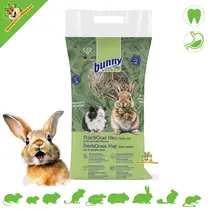
FreshGrass fresh grass hay in its pure form, without vegetables or flowers. Dried indoors and hand-packed for long, crunchy stalks. Low in dust and high in fiber: ideal as a daily basis for rabbits and larger rodents.
Read more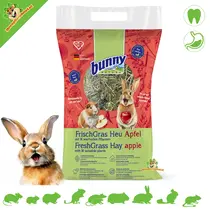
Premium FreshGrass fresh grass hay with apple for added flavor and variety. Dried indoors and hand-packed for long, crispy stalks. Low-dust and high-fiber: ideal for rabbits and rodents, and also great for foraging.
Read more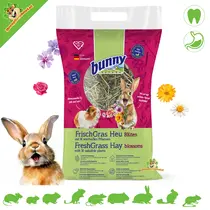
Premium FreshGrass fresh grass hay with blossoms for added variety. Dried indoors and hand-packed for long, crisp stems. Low-dust and high-fiber: ideal for rabbits and rodents, also great for foraging.
Read more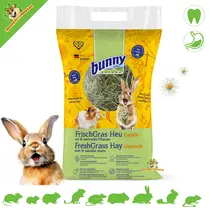
Premium FreshGrass fresh grass hay with chamomile. Dried indoors and hand-packed for long, crispy stalks. Low in dust and high in fiber: perfect as a daily staple or as a fragrant alternative for rabbits and rodents.
Read more- Voor 17 uur besteld, dezelfde dag verzonden!
- Rodent specialist since 2011
- Dispatched from our own stock
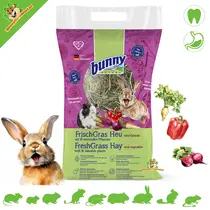
Super-premium FreshGrass hay with a 6% vegetable mix (beetroot, bell pepper, parsnip). Suitable for rabbits, guinea pigs, chinchillas, and degus as a base, and for small rodents as nesting and nibbling hay. Dried indoors and hand-packed.
Read more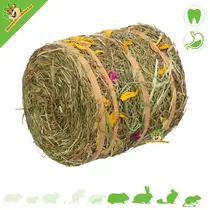
Compact 500-gram hay bale with blossom and edible fiber band. A fiber-rich supplement and fun foraging activity for guinea pigs, rabbits, chinchillas, and degus.
Read more
Fiber-rich blossom hay with rose petals for guinea pigs, rabbits, chinchillas, and degus. Also beautiful as natural nesting and landscaping material for small rodents.
Read more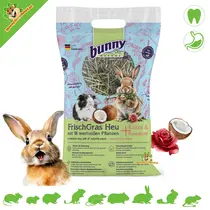
Premium FreshGras fresh grass hay with coconut and rose for added fragrance and variety. Gently dried indoors and hand-packed for long, crispy stalks. Low-dust and high-fiber: ideal for rabbits and rodents.
Read more- Voor 17 uur besteld, dezelfde dag verzonden!
- Rodent specialist since 2011
- Dispatched from our own stock

Discover the Natural Delights of ESVE Herbal Hay for Your Furry Friends! Imagine treating your beloved rodent or rabbit to a delicious treat straight from the vast European meadows. That's exactly what ESVE Herbal Hay has to offer. This fiber-rich and del
Read more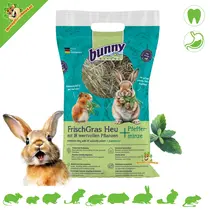
Premium FreshGras fresh grass hay with mint for an extra refreshing variety in the feeder. Gently dried indoors and hand-packed for long, crisp stems. Low-dust and high-fiber: ideal for rabbits and rodents.
Read more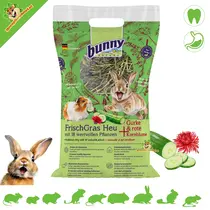
Freshgrass hay, bunny nature freshgrass, freshgrass hay, cucumber hay, cornflower hay, rabbit hay, guinea pig hay, chinchilla hay, degu hay, rodent hay, low-dust hay, foraging hay
Read more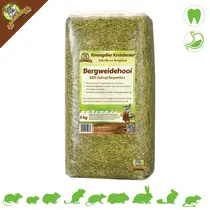
Premium Alpine Mountain Meadow Hay from De Knaagdier Kruidenier® in a 5 kg package. For guinea pigs, rabbits, chinchillas, and degus, also as nesting and landscaping material.
Read more- Voor 17 uur besteld, dezelfde dag verzonden!
- Rodent specialist since 2011
- Dispatched from our own stock
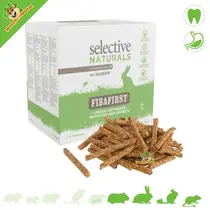
High-fiber food for rabbits with long fibers, timothy hay, alfalfa stems, and linseed. With 30% fiber and a natural stick texture.
Read more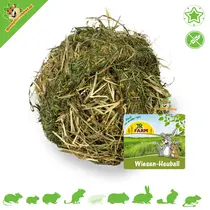
Natural hay ball from JR Farm with mountain meadow hay. For herbivores to roll, nibble, and pull together; for small rodents as surprise nesting and foraging material.
Read more
Choosing guinea pig hay: the basis of every good guinea pig diet
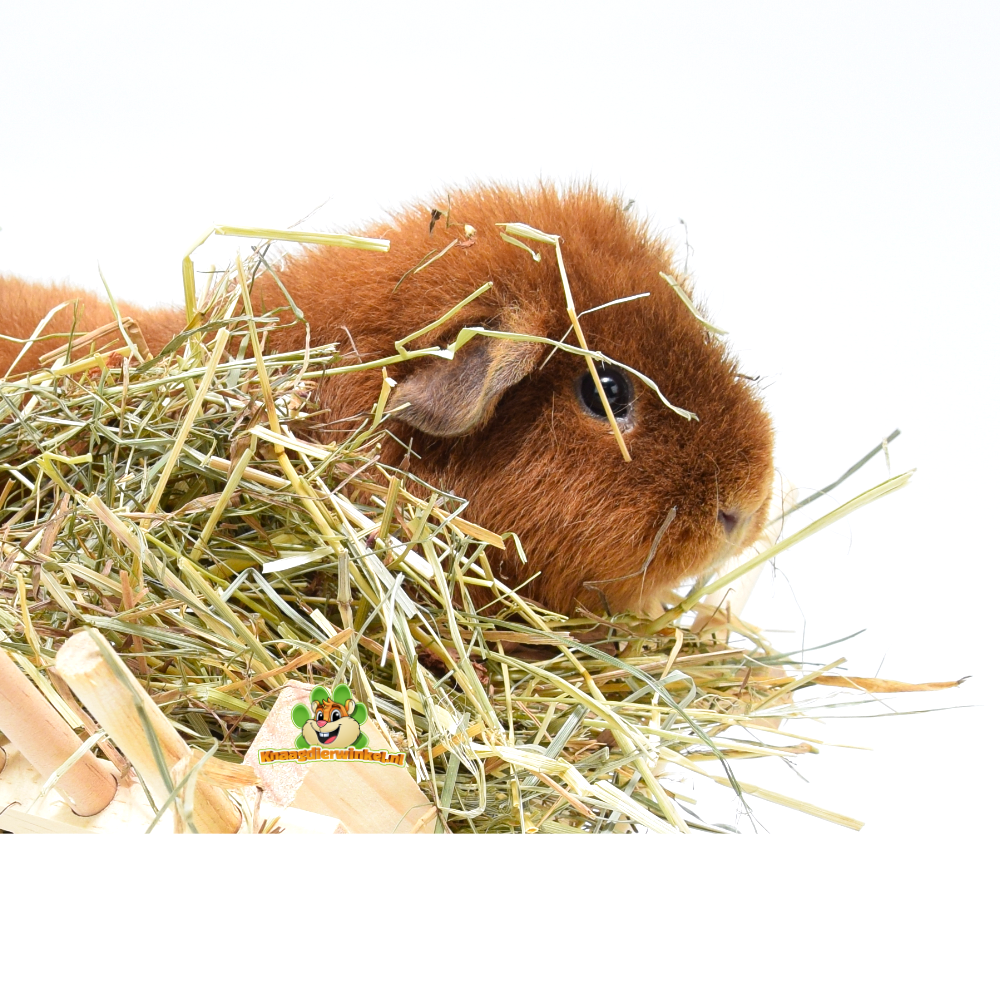 Guinea pig hay is the basis of their daily diet. Guinea pigs eat throughout the day and require a lot of fiber. Therefore, hay should always be readily available. Good hay helps guinea pigs chew for extended periods, stay occupied, and maintain their daily feeding routine.
The best hay for your guinea pigs is not just the hay that looks nice, but above all the hay that is well eaten. Some guinea pigs prefer soft and fragrant hay, while others find coarser stems or timothy hay more interesting. Variety in texture can help keep eating hay appealing.
At DRD Knaagdierwinkel®, we view hay as the star player in the guinea pig enclosure. Hay should not be left lying around just "on the side," but must be presented in an easily accessible, clean, and attractive manner. Therefore, combine hay smartly with a guinea pig hay rack , a dry hay corner, suitable guinea pig bedding , and daily checks of appetite and droppings. Specialist since 2011.
✓ Hay is the daily basis of guinea pig nutrition
✓ Choose based on aroma, texture, freshness, and absorption
✓ Combine hay with hay racks, herbs, toilet bedding, and droppings control
✓ Selected by DRD Knaagdierwinkel® – Specialist since 2011
Quick links
In short • Why hay? • Types of hay • Which hay is suitable? • Offering hay • Hay corner & hygiene • Droppings & teeth • Useful combinations • FAQ
In short: which hay is good for guinea pigs?
Good hay for guinea pigs is fresh, dry, low in dust, high in fiber, and readily eaten. Hay may be herbaceous and fragrant, but it should not smell musty, damp, dusty, or moldy. The texture may vary: soft hay can be appealing to picky guinea pigs, while coarser hay provides more chewing time.
Many guinea pigs appreciate variety. Consider timothy hay, meadow hay, mountain meadow hay, fresh grass hay, or herbal hay. The most important thing remains that your guinea pigs eat enough hay daily. In practice, hay that is left uneaten is less effective than slightly different hay that is eaten well.
Also pay attention to the spot where you offer hay. Guinea pigs often sit near the hay corner for a long time. As a result, this spot gets wet or dirty more quickly. A good hay rack, hay bag, pee mat, litter box, or litter bedding can help keep the hay cleaner and more appealing.
Hay must be eaten
Above all, choose hay that your guinea pigs consume well. That is more important than one specific “perfect” type.
Structure provides choice
Soft, coarse, spicy, or stemmy hay can be appreciated differently by each guinea pig.
The hay corner counts
Hay remains more attractive if it is offered dry, accessible, and in an organized manner.
Why is hay so important for guinea pigs?
Guinea pigs are herbivores that spend a lot of time eating. Hay provides fiber, prolonged chewing, and daily activity. Because guinea pigs often eat small amounts, hay must not only be present but also remain easily accessible and appealing.
Hay also plays a role in daily check-ups. A guinea pig that eats less hay may produce smaller or fewer droppings. Dental problems can also become apparent because a guinea pig takes less hay, eats more slowly, eats selectively, or drops food.
Read more: Guinea pig food selection guide , Guinea pig droppings and Guinea pig teeth .
Types of hay for guinea pigs
There are various types of hay you can use for guinea pigs. The difference lies mainly in texture, smell, spiciness, fiber content, and how appealing your guinea pigs find it. Switching or combining can be helpful, especially for guinea pigs that tend to be picky.
| Hay type | Feature | When is it useful? |
|---|---|---|
| Timothy hay | Often somewhat coarser and fibrous in texture. | Great as a base for guinea pigs that enjoy chewing on texture. |
| Meadow hay | Mixed grass species with varying structure. | Practically daily hay for many guinea pigs. |
| Mountain meadow hay | Fragrant hay with natural variation. | Interesting for guinea pigs who appreciate scent and variety. |
| Herbal hay | Hay with herbs or flowers. | Useful for making the haymaking moment more appealing. |
| Fresh grass hay | Often green, fragrant, and softer in character. | Good for guinea pigs, who accept softer hay better. |
| Hay bales and chunks | Compressed or as an extra form of hay. | As a variation, supplement, or extra activity alongside loose hay. |
Which hay suits your guinea pigs?
When choosing hay, observe your guinea pigs' behavior. Do they eat a lot of hay or leave a lot behind? Do they mainly pick out the soft parts? Do they prefer long stalks or finer pieces? The answer to these questions will help you choose better.
| Situation | Often a suitable choice | Why? |
|---|---|---|
| Your guinea pig eats hay well. | Stick to a good foundation and alternate with structure. | This is how you keep the haymaking moment interesting without disrupting the routine. |
| Your guinea pig is picky. | Try softer, more fragrant, or herbal hay. | Scent and softer textures can stimulate absorption. |
| You want more chewing time | Choose a somewhat coarser hay texture. | Coarser stems require more chewing. |
| Hay gets dirty quickly | Use a hay rack, hay sack, or a designated hay corner. | Hay remains cleaner and more accessible. |
| You see fewer or smaller droppings | Check hay intake, appetite, and teeth. | Eating less hay can quickly become visible in the droppings. |
Useful to use with: Guinea pig droppings , Guinea pig not eating , and Guinea pig teeth .
Offering hay: hay rack, hay sack, hay corner, or loose?
Hay must be easily accessible. Guinea pigs must be able to eat without difficulty, even when living with other animals. A hay rack, hay sack, or a clearly defined hay corner can help keep the hay clean and organized.
Please ensure that the hay is not made too difficult to reach. A guinea pig must be able to eat in a relaxed manner, without having to pull, climb, or contort itself into an awkward position. For groups, it is pleasant to offer multiple hay spots.
Guinea pig hay racks
For a permanent hay corner and more easily accessible hay in the guinea pig cage.
Guinea pig food bowls
For pellets, vegetables, or herbs next to the hay corner.
Playing & foraging
Make hay more interesting with herbs, flowers, or a quiet foraging moment.
Hay corner, urination spots and hygiene
The hay corner is often one of the most used spots in the enclosure. Guinea pigs eat there, sit there for long periods, and often leave droppings and urine behind. As a result, the hay corner gets wet or dirty faster than other places.
Therefore, it is smart to set up the hay corner practically. Consider a pee mat, litter box, litter bedding, or extra absorbent flooring in that area. This keeps the hay cleaner and allows you to replace wet spots more quickly without having to clean the entire enclosure immediately.
Ground mats & pee pads
For permanent hay corners, resting places, and areas that get wet more quickly.
Guinea pig toilets
For designated potty spots or as a practical container under or next to the hay corner.
Guinea pig toilet bedding
For litter boxes and wet areas near hay, shelters, or resting places.
Hay, droppings, and teeth: daily check
In daily practice, hay consumption, droppings, and dental health are closely interconnected. A guinea pig that eats hay well usually produces firm droppings regularly. Are the droppings becoming smaller, softer, or less numerous? Then it is wise to take an extra close look to see if your guinea pig is still eating enough hay.
Also pay attention to signs such as eating more slowly, dropping food, selective eating, a wet chin, weight loss, or reduced enthusiasm for hay. This can have various causes, including dental problems or pain. If in doubt, if your pet is eating less, or if there are no droppings, contact a veterinarian.
✔ Check daily whether enough hay is disappearing.
✔ Pay attention to the size, shape, and quantity of droppings.
✔ Check if your guinea pig chews normally and does not noticeably select.
✔ Weigh yourself regularly to notice weight loss sooner.
✔ Contact a veterinarian if there is reduced eating, no droppings, or signs of pain.
Read more: Guinea pig droppings , Guinea pig teeth and Guinea pig not eating .
Making hay more attractive to guinea pigs
If your guinea pig is eating too little hay, first check the quality, freshness, and location. Replace old or flattened hay regularly and consider trying a different texture or scent. Small amounts of dried herbs or flowers mixed into the hay can also make haytime more interesting.
✓ Offer multiple tufts of hay in different places.
✓ Use a hay rack or hay bag that your guinea pig can easily reach.
✓ Mix a small amount of guinea pig herbs into the hay.
✓ Alternate between soft and coarser hay types.
✓ If there is a sudden decrease in hay consumption, always check teeth, droppings, and behavior as well.
DRD makes the choice: hay as daily main route
At DRD, we view hay not as a simple byproduct, but as the daily main route through the enclosure. Hay largely determines how your guinea pig eats, how active it is, and how easily you notice changes.
That is why we look at the entire system: which hay is eaten, where is the hay kept, does it stay dry, is there enough variety, are the droppings normal, and does the hay corner fit the flooring and cleaning routine?
Handy to combine with guinea pig hay
Nutrition & variety
Guinea pig food and nutrition • All-in-one guinea pig food • Guinea pig herbs • Fresh guinea pig herbs • Guinea pig snacks
Offer hay
Guinea pig hay racks • Guinea pig food bowls • Guinea pig playing and foraging
Hay corner & hygiene
Guinea pig bedding • Guinea pig floor mats and pee pads • Guinea pig toilets • Guinea pig toilet bedding • Guinea pig cleaning products
More explanation
Guinea pig food selection guide • Vitamin C for guinea pigs • Guinea pig vegetable list • Guinea pig droppings • Guinea pig teeth
Checklist – offering guinea pig hay properly
✓ Is there always plenty of hay available?
✓ Does the hay smell fresh and feel dry?
✓ Is the hay actually being eaten and not just trampled flat?
✓ Is the hay corner dry and easy to clean?
✓ Can all guinea pigs reach the hay at the same time or spread out enough?
✓ Are droppings normal in shape, size, and quantity?
✓ Is your guinea pig suddenly eating less hay? Check teeth and behavior, and contact a veterinarian if in doubt.
Good to know
Hay is important, but it is not the only nutritional pillar. Guinea pigs also need special guinea pig food and daily attention to vitamin C. Vegetables and herbs can supplement, but should be introduced gradually.
Is your guinea pig eating less hay, stopping eating, producing fewer droppings, or do you notice weight loss, lethargy, signs of pain, or abnormal chewing? Contact a veterinarian.
Frequently asked questions about guinea pig hay
Which hay is best for guinea pigs?
The best hay for guinea pigs is fresh, dry, low in dust, and readily eaten. Timothy hay, meadow hay, mountain meadow hay, fresh grass hay, and herbal hay can all be suitable, depending on what your guinea pigs accept well.
How much hay does a guinea pig need?
Guinea pigs should always have plenty of hay available. Replenish the hay daily and replace any hay that is wet, dirty, or trampled.
Why doesn't my guinea pig eat hay?
This can be caused by the quality of the hay, the location of the hay, a preference for texture, too much other food, or a health problem such as dental issues. Is your guinea pig suddenly eating less or not at all? Contact a veterinarian.
Is Timothy hay good for guinea pigs?
Yes, timothy hay is a commonly used type of hay for guinea pigs. It often has a somewhat coarser texture and can be a good base for guinea pigs that like to eat stemmy hay.
Can a guinea pig eat herbal hay?
Yes, herbal hay can be a nice change of pace. Just make sure that hay remains the basis and that the herbal hay suits your guinea pigs and their daily diet.
How do you keep hay clean in a guinea pig cage?
Use a hay rack, hay sack, or a designated hay corner. Optionally, place a pee mat, litter box, or litter bedding under the hay corner, as guinea pigs often sit there for a long time.
Is a hay rack useful for guinea pigs?
Yes, a hay rack can be useful if your guinea pigs can access it comfortably and in a relaxed manner. Hay must remain easily accessible and not be offered too high or in a way that is too difficult.
Can you mix different types of hay?
Yes, that can actually be useful. By combining different textures or scents, hay remains more interesting for some guinea pigs.
What does eating hay say about guinea pig droppings?
When a guinea pig eats less hay, droppings may become smaller, less numerous, or abnormal. Therefore, check both hay intake and droppings daily.
What do you combine with guinea pig hay?
Combine guinea pig hay with guinea pig food, vitamin C, vegetables, herbs, hay racks, pee pads, litter bedding, and daily checks of droppings and appetite.
✓ Guinea pig hay as a daily basis for nutrition, chewing, and fiber intake
✓ With selection guide for timothy hay, meadow hay, mountain meadow hay, herbal hay, and fresh grass hay
✓ Practical to combine with hay racks, toilet bedding, pee mats, herbs, and droppings control
✓ Ordered before 5 PM, shipped the same day
✓ Specialist since 2011
✓ Delivered from our own stock
Are you unsure which hay is best suited for your guinea pigs or how to conveniently set up the hay corner? Feel free to contact us via our contact page . We are happy to help.
