 Polski

Humus with seeds: how to create a living digging and sniffing area
- Posted on
- By DRD Knaagdierwinkel
- Posted in Bedding, Dwarf Hamster, Gerbil, Gerbilscaping, hamster, Hamsterscaping, Mouse, Rat, Ratscaping
- 0
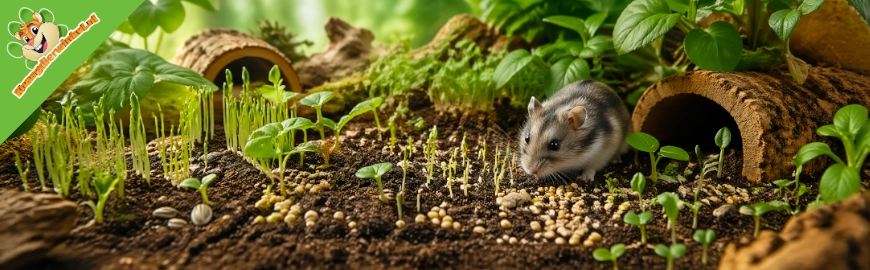
Discover how to use humus with seeds to create a green, airy and dig-friendly scape for hamsters, mice, gerbils and rats.
Humus with seeds: how to create a living digging and sniffing area
Yes, biological humus is very suitable for sprouting seeds. It is airy, pleasant to dig in and therefore ideal for a natural scape where animals can sniff, make tunnels and discover young plants. Especially for hamsterscaping, gerbilscaping and ratscaping, this is a lovely way to make the enclosure feel more natural, lively and interesting.
For example, you can scatter a millet seed mix into the humus, but you can also use another seed mix or rodent food, as long as it really consists of seeds. With a little moisture and some light, the first green sprouts often appear quite quickly. Step by step, this creates a natural green area that animals love to explore.
Quickly go to:
Why humus is so much fun
Which animals is this suitable for?
How to sprout seeds in humus
Humus as a digging area or full scape
Fresh plants in humus
Products for this scape
Good to know
FAQ
Humus is loose and airy, which helps small roots grow more easily and gives animals a pleasant material to dig in.
Sprouting seeds make a scape feel alive. Animals can sniff, nibble and explore between the young green shoots.
Humus fits beautifully into natural hamster, gerbil and rat scapes and also combines very well with fresh plants.
Why humus is such a lovely addition to a scape
Humus is much more than just a bedding material. It really gives animals something to do. They can rummage through it, dig little tunnels and search for whatever is growing or hidden inside. That means you are not just adding a beautiful natural element to the enclosure, but also real enrichment.
Because humus is so airy, it works very well for seeds and young roots. That makes it a wonderful base for a green corner or even for a full natural-looking setup. Just a few fresh sprouts can already change the whole look, but you can also take it further and create a real mini jungle.
Which animals is this suitable for?
A humus area with seeds or plants is especially fun for mice, dwarf hamsters, hamsters, gerbils, dwarf rats and rats. These are animals that love to dig, sniff and explore their surroundings. For these species, humus fits beautifully within natural enrichment and scaping.
For rabbits and guinea pigs, humus can also be interesting for a bit of rummaging around, but when it comes to a sand area they often benefit more from play sand. That usually matches their way of using sand better.
How to sprout seeds in humus
If you want to start small, a separate tray or bowl with humus is ideal. This lets you quietly watch how everything grows first, and then place it in the enclosure once the little plants have started to come up nicely.
How to do it
✓ Fill a tray or bowl with biological humus
✓ Scatter a layer of millet seed mix or another seed mix over the top
✓ Lightly spray the humus with a plant sprayer so everything becomes moist, but not soaking wet and heavy
✓ Place a piece of lightly damp toilet paper on top to help the seeds start sprouting
✓ Put the tray in a bright place
✓ Check it daily and spray again when needed
After a few days, you will often see the first sprouts appear. You can then let the tray grow a little longer outside the enclosure, or use it straight away as part of the setup. Both work well. Especially if you enjoy working with hamsterscaping, gerbilscaping or ratscaping, this is a lovely and natural addition.
Humus as a digging area or a full scape
You do not have to use humus only in a small tray. You can also make a separate digging area in the enclosure or, for more advanced setups, fill a larger section of the enclosure with humus and scatter the seeds directly into it. If you build it up calmly and keep it nicely moist, little plants can start sprouting in different places throughout the enclosure.
This creates a very playful and natural effect. Everything does not have to grow evenly or perfectly. In fact, that wilder and looser look is often what makes it so beautiful. And for the animals it is even more interesting, because there is something to discover in different places.
Fresh plants in humus
Besides seeds, you can also place fresh plants into the humus. This makes a scape look greener and more alive. Humus is very suitable for this because plants root nicely in it and it looks natural inside the enclosure.
That also makes humus a lovely base if you want to create a more natural or bioactive-looking setup. You can start small with one tray or one corner, but you can also build a larger setup with different heights, plants and harvest materials. That gives your scape more depth and variation over time.
Products for this green scape
If you want to get started with humus, seeds and fresh plants yourself, these products help you create a natural digging area or green scape where animals can happily sniff, dig and explore.

Biological Humus 10 litre
An airy, natural base for digging, sowing and scaping. Ideal as a digging area, sprouting tray or as a base for fresh plants.
✓ Airy and natural
✓ Ideal for seeds and little roots
✓ Perfect for hamsterscaping, gerbilscaping and ratscaping

Fresh plants
Fresh plants make a scape feel more alive and natural. Fun to explore, lovely to sniff around and for some animals also nice to nibble carefully.
✓ Green enrichment for the enclosure
✓ A lovely addition to humus and scapes
✓ Ideal for hamsterscaping, gerbilscaping and ratscaping
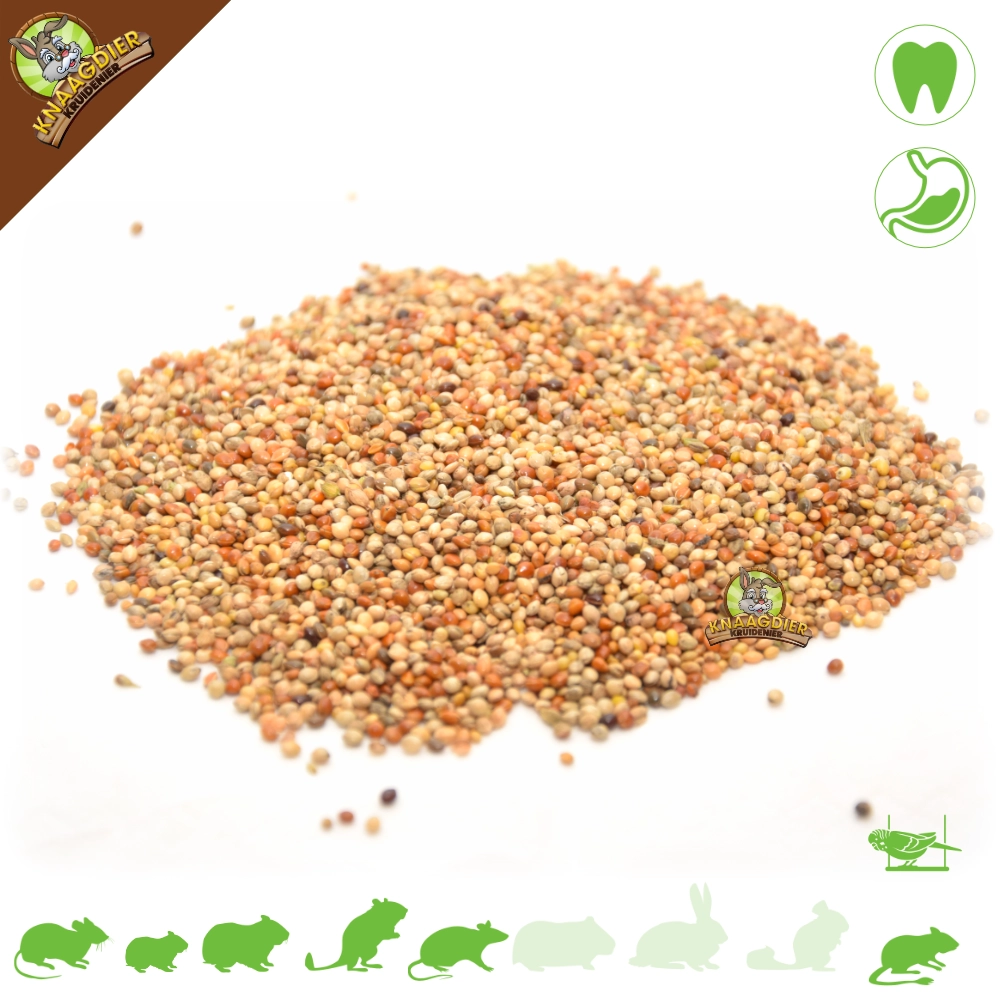
Millet Seed Mix
A lovely seed mix for sowing, sprouting or simply using as natural enrichment in a humus tray or scape.
✓ Seed-rich and natural
✓ Great for sprouting trays and scapes
✓ Adds extra variety and activity
Specialist since 2011 • personal and expert advice • shipped from our own stock
Good to know
- Preferably use seed mixes or food that really consists of seeds.
- Keep the humus moist, but not soaking wet.
- Always check heavy houses, stones or other decoration carefully.
- Support heavy objects from underneath so animals cannot dig underneath them and get trapped.
- If you work with a separate tray, you can first grow the plants quietly outside the enclosure.
So for animals that love digging, humus is not only beautiful, but also truly functional. It offers digging fun, variation and a natural element that changes a little over time. That is exactly what makes it so lovely.
FAQ about humus with seeds
Can you really sprout seeds in humus?
Yes, absolutely. Humus is airy and pleasant for little roots. With some moisture and light, seeds can sprout beautifully in it.
Which seeds can you use?
A millet seed mix is especially nice for this, but other seed mixes can also work well as long as they really consist of seeds. That makes them suitable for sprouting.
Does the tray need to stay outside the enclosure first?
Not necessarily, but it can be practical. That way you can let the seeds sprout quietly first and place the tray into the enclosure once the little plants are visible.
Which animals especially enjoy humus with seeds?
Mice, dwarf hamsters, hamsters, gerbils, dwarf rats and rats often find this especially interesting. They love to dig, sniff and explore.
Is humus also suitable for rabbits and guinea pigs?
It can be fun for a bit of rummaging around, but when it comes to sand areas rabbits and guinea pigs often benefit more from play sand. That usually suits their way of using sand better.
What should you watch out for in a humus scape?
Pay special attention to heavy objects in the enclosure. Houses, stones or other heavy decoration should always be supported properly so animals cannot dig underneath them.
Comments
Be the first to comment...