Polski

Gerbil sand bath & sandbox – bath sand, digging sand and rodent-proof sandboxes


- Voor 17 uur besteld, dezelfde dag verzonden!
- Rodent specialist since 2011
- Dispatched from our own stock

- Voor 17 uur besteld, dezelfde dag verzonden!
- Rodent specialist since 2011
- Dispatched from our own stock

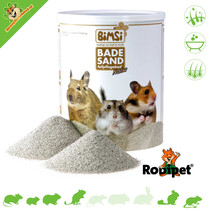

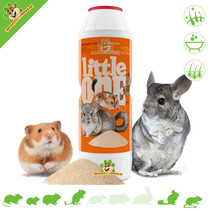


Gerbil sand bath & sandbox – bath sand, digging sand and sandboxes for natural behavior
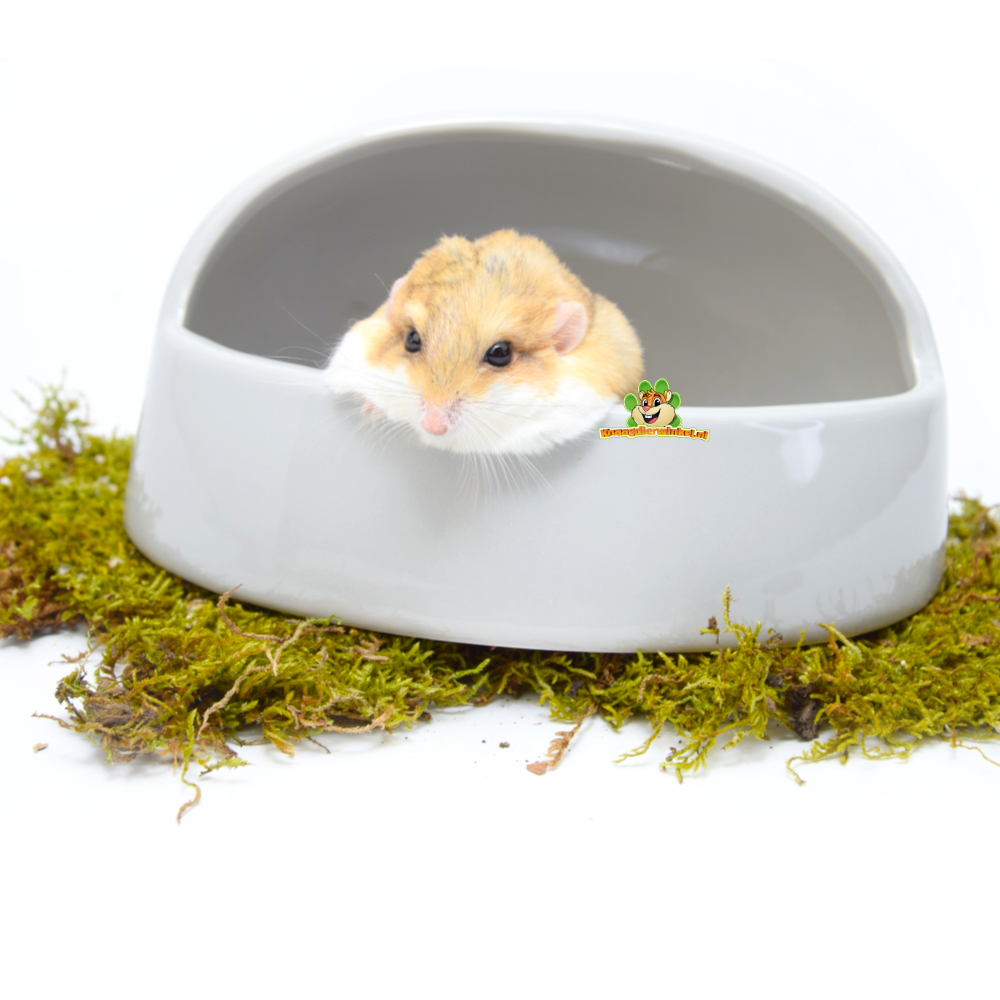 A gerbil sand bath (also known as a gerbil sandbox ) is more than just a nice extra: it helps your gerbils roll , dig , and feel safe in their habitat. Gerbils are naturally active (desert) inhabitants who enjoy sheltered exercise. With the right combination of bath sand and a sturdy sandbox , you instantly enrich their environment—and make it more practical for you.
At DRD Rodent Shop® , you choose sand and sandboxes that work in practice: suitable material, a logical size, and cleverly combined with gerbil scaping. Specialists in rodents and rabbits since 2011 .
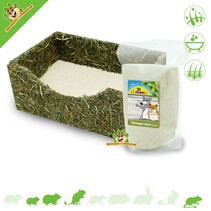
For a sand bath, choose bath sand (fine and clean). For tunnels, choose digging sand (structure that will remain).
View bath sand →
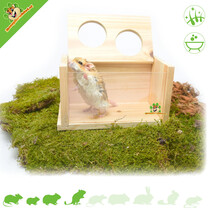
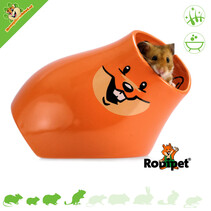
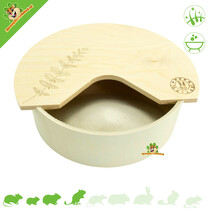
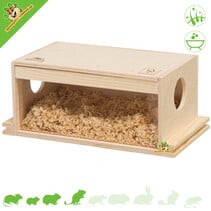
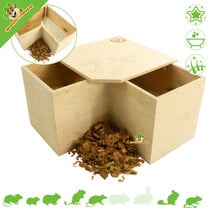
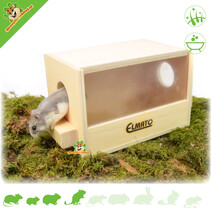
Gerbils are energetic. Preferably choose a heavier sandbox (e.g., ceramic or glass ) or one with a dust-proof lid .
All sandboxes →
Sift droppings regularly with a sand sieve . Replace the sand as soon as it becomes wet or starts to smell.
Sand sieve & scoops →
Gerbil sand bath / sandbox – quick selection guide
The best setup is often a permanent sand bath zone (bathing sand) and—if you have the space—a separate digging zone (digging sand). This way, you can provide your gerbils with both care and stimulation, without everything turning into one big sandstorm.
1) Sand bath (rolling & grooming)
- Bath sand (fine, dry and clean) is intended for rolling in.
- Choose a spacious tank so that multiple gerbils can exchange without any hassle.
- Tip: for species that particularly like to bathe (such as fat-tailed gerbils), a permanent sand bath is often extra practical.
2) Dig zone (tunnels & "castle feeling")
- Digging sand has more structure and is intended for digging (tunnels can remain standing better).
- Combine this with sufficient ground cover for real “tunnel systems”.
- Gerbil bedding → for a thick, diggable base.
✔ Practical tip: avoid placing the sandbox directly next to drinking water (wet sand requires quick replacement) and ensure it is stable (e.g. in a corner or under a platform).
Bath sand vs. digging sand – what's the difference?
Bath sand is very fine and intended for rolling and "dust baths." Digging sand (or a digging mix) is intended for creating tunnels and provides more structure. Ideally, you'll offer both, each with its own function.
Which sand is suitable for a gerbil sand bath?
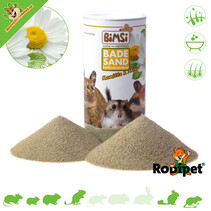
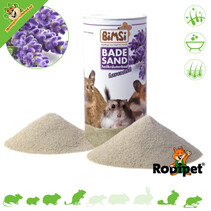
- Bath sand : fine, dry, low-dust – designed for rolling. Chinchilla sand is often chosen for this purpose.
- Desert sand : a beautiful natural effect and great for gerbil landscaping.
- Excavation sand : for tunnels/structures. Excavation sand
Note: Do not use sharp sand (such as shell sand) in a sand bath. Instead, choose specially selected bath sand or desert sand that is gentle on skin and coat.
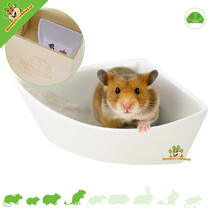
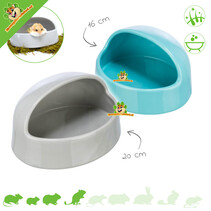
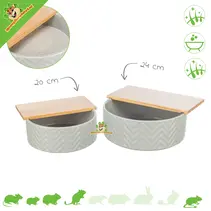
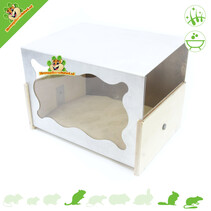
Which sandbox is suitable for gerbils?
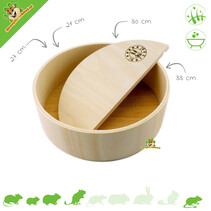
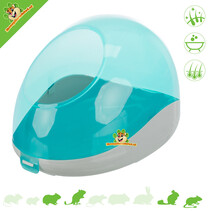
- Ceramic : heavy, gnaw-resistant and stable (great for avid diggers).
- Glass : hygienic and easy to clean.
- With lid : helps limit sand spreading, especially for “enthusiastic” bathers.
- Size : Better spacious than cramped; make sure a gerbil can turn/roll comfortably.
Gerbil scaping tip: use the sandbox as a "zone" in the enclosure (e.g. against a wall or under a platform) to keep things organized.
Maintenance – how do you keep the sand bath fresh?
- Sift out droppings and debris daily/every other day with a sieve scoop .
- Replace sand as soon as it becomes wet or starts to smell different.
- Clean the container with warm water and let it dry thoroughly before adding new sand.
Checklist – gerbil sand bath & sandbox
✔ Choose bath sand for rollers and digging sand for tunnels.
✔ Take a stable sandbox (ceramic/glass) or a model with a lid .
✔ Do not place the sandbox near drinking water (wet sand = replace).
✔ Sift regularly with a sand sieve for longer use.
✔ Introduce new materials slowly and check that your gerbils continue to eat normally and remain active.
Safety
Use sand intended for rodents (dry and textured). Check sandboxes for damage and replace the sand immediately if it becomes wet. If you notice any significant changes in behavior, appetite, or feces, contact a veterinarian.
FAQ – gerbil sand bath & sandbox
Are people searching for “gerbil sand bath” or “gerbil sandbox”?
Both are common. That's why we're including both: sand bath (function) and sandbox (product). This way, you'll capture more searches.
How often should a gerbil take a sand bath?
Many gerbils enjoy using a sand bath regularly. It's practical to have the sand bath (with clean, dry bath sand) available frequently and to maintain the sand regularly (sifting/replacing it).
What's better: ceramic or plastic?
Ceramic is heavier and more gnaw-resistant. Plastic can be lighter and move more quickly; for real rodents, a sturdy material is often more comfortable and durable.
Can I use one container for both sand bathing and digging?
That is possible, but it often works better to separate functions: a fine bath sand pit for rollers and a separate digging zone with digging sand for tunnels.
✔ Gerbil sand bath & sandbox for rolling, digging and enrichment
✔ Bath sand, desert sand and digging sand cleverly combined
✔ Specialist since 2011
Order before 5 PM, shipped the same day | Delivered from our own stock | Specialist since 2011