 Polski

Hamster tunnels & dwarf hamster tunnels – safe hiding and playing
- Voor 17 uur besteld, dezelfde dag verzonden!
- Rodent specialist since 2011
- Dispatched from our own stock




- Voor 17 uur besteld, dezelfde dag verzonden!
- Rodent specialist since 2011
- Dispatched from our own stock

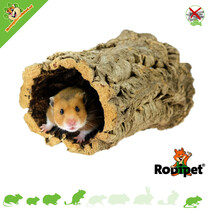
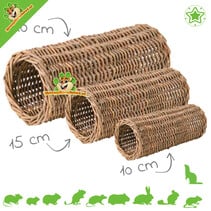
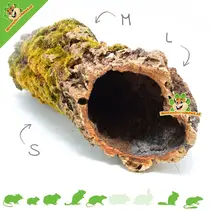
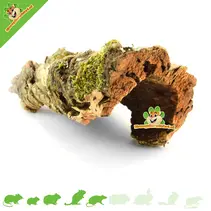
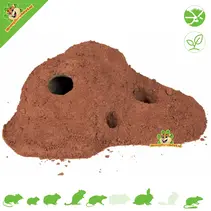
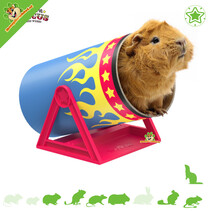
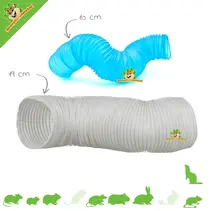
Hamster tunnels – hiding, routes & natural behavior
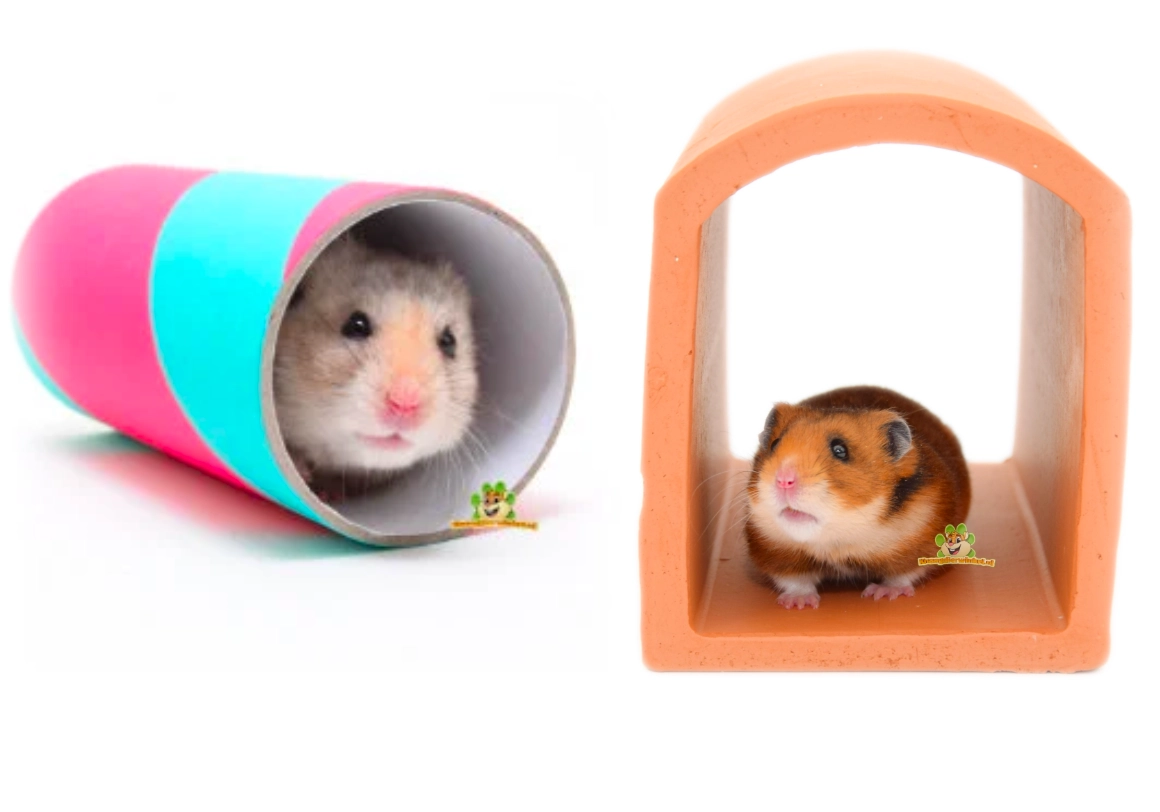 Hamsters are burrow builders. In the wild, they move through tunnels and burrows, and a good hamster tunnel (or dwarf hamster tunnel ) also provides that same sense of security indoors. Tunnels make the enclosure less "open," encourage exploration, and provide your hamster with hiding routes between the nest, feeding area, and sand area. In this category, you'll find a carefully selected assortment of hamster tunnels and components for a hamster tunnel system (including cork, wood, grass, and terracotta). Specialist since 2011.
Tunnels make the enclosure less open. This is consistent with prey behavior and often provides noticeably more peace and quiet.
Routes, passages and hiding places encourage exploratory and foraging behaviour in the enclosure.
Tunnels work particularly well with bedding, houses, and a digging area. This way, you can truly create "zones."
Choosing a hamster tunnel: what to consider
A tunnel is only truly enjoyable if it's comfortable to use and fits logically into the design. Pay particular attention to:
- Diameter (not too small, especially for golden hamsters)
- Stability (cannot roll or collapse when your hamster digs)
- Materials (replacing vs. cleaning, and nibbling behavior)
- Route (tunnels connect “zones”: nest – food – sand – digging area)
Types of hamster tunnels & materials
In this category you will find:
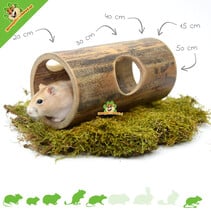
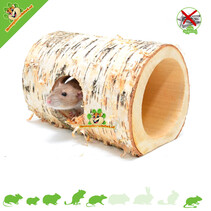
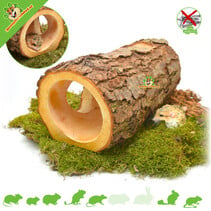
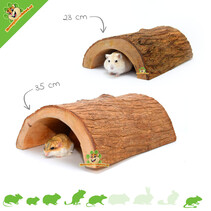
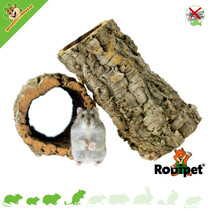
- Cork and bark tunnels : natural, spacious and ideal as a passage and shelter.
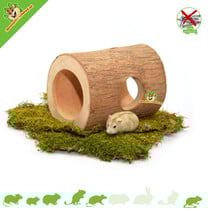
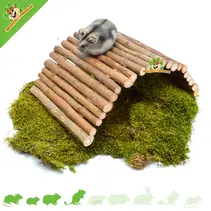
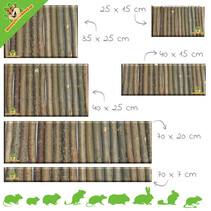
- Wooden tunnels : sturdy, can be easily combined with platforms and houses.
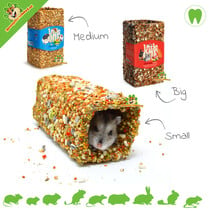
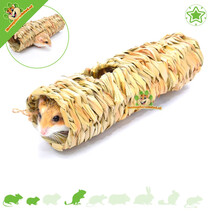
- Grass tunnels : light and nibbleable; nice as extra enrichment (often temporary).
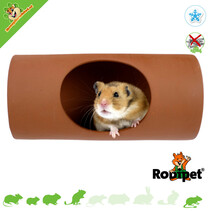
- Terracotta tunnels : heavy and stable; pleasant as a cool hiding place (also useful in a sandy area).
- “Challenge” tunnels : Some trunk/wood tunnels invite nibbling and self-adjustment.
Sizing advice: dwarf hamster tunnel vs. golden hamster tunnel
The right diameter prevents sticking and makes tunnels comfortable. Use this as a guideline:
- Dwarf hamster tunnel : ± 5–6 cm diameter
- Golden hamster tunnel : ± 7 cm or larger
Tip: For natural tunnels (cork/tree bark), the internal dimensions vary. If in doubt, choose a slightly larger size.
Creating a Hamster Tunnel System: Routes and Hiding Paths
With multiple tunnels, you can easily build a hamster tunnel system . This works best if you create routes between fixed locations: nesting area, feeding area, sand bath, and digging area. Feel free to combine materials: a spacious cork tunnel as the "main tunnel" and a terracotta tunnel as a permanent, cool hiding place.
Tunnels in hamster scaping & digging bucket
Tunnels are ideal for hamster scaping: they create structure, sightlines, and sheltered walking routes. In a digging box, you can place tunnels horizontally or partially buried, allowing your hamster to build its own "burrows" around them.
Maintenance & hygiene
- Grass tunnels: usually replaceable (not intended for wet cleaning).
- Terracotta tunnels: Rinse with warm water and let dry completely.
- Wooden/cork tunnels: wipe clean and let dry thoroughly; an enzyme cleaner can help with odors, see urine spray .
Checklist: hamster tunnel(s) properly arranged
✔ Correct size (dwarf hamster 5–6 cm, golden hamster 7+ cm)
✔ The tunnel is stable and cannot roll or collapse.
✔ Multiple hiding routes instead of one “open area”
✔ Tunnels connect zones (nest – food – sand – digging corner)
✔ Materials that fit your cleaning routine (replacement/cleaning)
Safety warnings
- Always check natural tunnels for splinters , sharp edges or loose pieces.
- Choose tunnels that are spacious enough ; too small can be stressful and inconvenient for larger hamsters.
- Place tunnels firmly, especially near a digging zone, to prevent unstable "cavities" from forming.
FAQ – hamster tunnels
Are tunnels suitable for all hamsters?
Yes. Both dwarf hamsters and Syrian hamsters enjoy using tunnels. Pay particular attention to the diameter and stability.
What is a hamster tunnel system?
A combination of multiple tunnels and passages, so that your hamster can move between areas in the enclosure in a sheltered environment.
Which tunnel is best for hamster scaping?
Cork and terracotta tunnels are very popular: cork for natural routes, terracotta as a stable shelter.
Can my hamster sleep in a tunnel?
Many hamsters use tunnels as a hiding place or stopover. For proper sleeping, they often choose a house/nesting chamber, but tunnels contribute significantly to safe, sheltered running.
Why buy hamster tunnels from DRD Rodent Shop®?
✔ Specialist since 2011
✔ Ordered before 5 PM = shipped the same day
✔ Delivered from our own stock
✔ Smartly selected range for well-being & safety
