 Polski



Holen Sand Digging Sand and Play Sand 5 kg
- Dispatched from our own stock
- Personal & expert advice
- Always 100% rodent-friendly
- Ordered before 5 p.m., shipped the same day!
Holen Sand Digging Sand and Play Sand
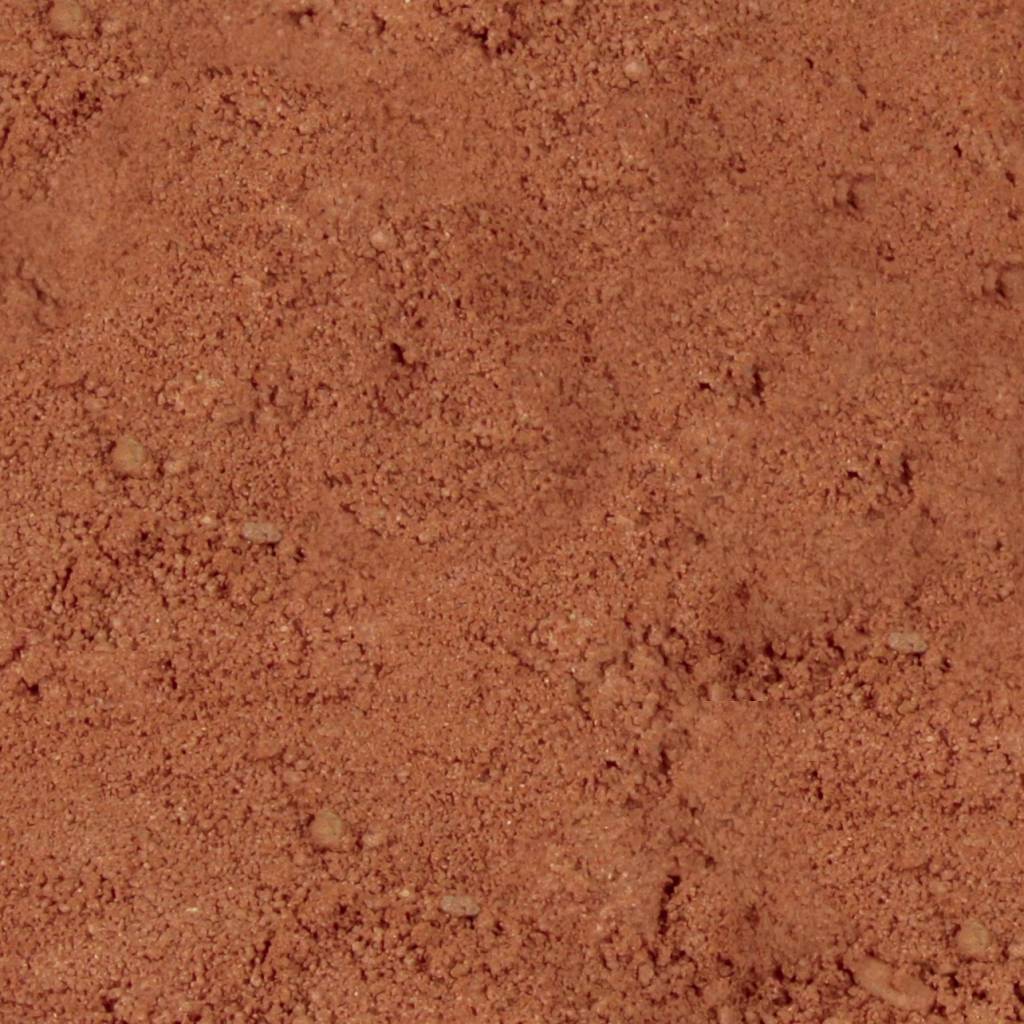
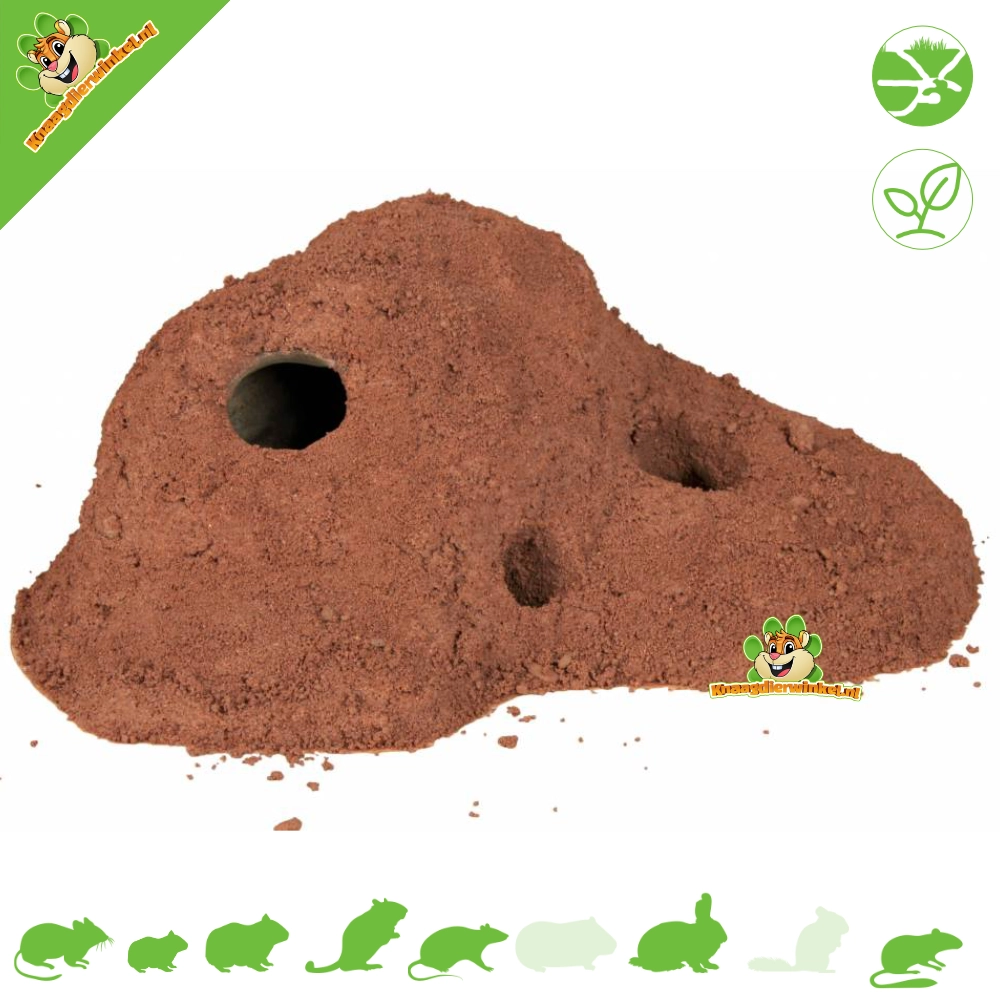
Burrow Sand is a special digging sand with clay that can be used for natural enclosures, hamsterscaping, gerbilscaping, and digging boxes. Due to the clay content, the sand retains its shape better than ordinary loose sand. As a result, animals can create tunnels, burrows, and digging structures in it, especially when used in a confined area of the enclosure.
This sand is particularly interesting for animals that like to dig, such as hamsters, dwarf hamsters, mice, and gerbils. It can also be used for rats, rabbits, and degus in a separate digging box. A bag is roughly equivalent to 5 liters, making this product primarily suitable for a digging zone or box and less practical for filling an entire large enclosure.
In short
- Digging sand and play sand based on sand and clay
- Contents: , approximately 5 liters
- Suitable for tunnels, burrows, and digging zones
- Beautiful for hamsterscaping and gerbilscaping
- Can be used in a separate digging box for larger animals
- For desert animals, let dry thoroughly first.
- Not suitable for chinchillas
Advantages of Hollow Sand
✔ With clay for structure: the sand stays in place better when making tunnels and burrows.
✔ Ideal for scaping: beautiful for hamster scaping, gerbil scaping, and natural decor.
✔ Stimulates digging behavior: animals can search, dig, build, and explore.
✔ Also for digging boxes: suitable as a separate digging area for, for example, rats, rabbits, and degus.
✔ Without dyes and additives: suitable for a natural look in the enclosure.
Why choose hollow sand?
Ordinary loose sand sinks quickly when an animal digs in it. Burrow sand contains clay, giving it more structure. As a result, tunnels and burrows remain standing better, and digging becomes more interesting for animals that like to make their own spot.
For small rodents, this can add a lot to their enclosure. A digging zone provides variety alongside the regular bedding, sand bath, houses, and tunnels. Your animal can choose whether to dig, sniff, or walk through the sand.
At DRD, we view this product primarily as enrichment and landscaping material. It is not a substitute for a generous base layer of bedding for hamsters or gerbils, but rather an extra zone that makes the enclosure more natural and challenging.
For which animals is Hollow Sand suitable?
- Mouse: suitable as a small digging zone or natural landscaping area. Use a manageable amount and check how the mice interact with it.
- Dwarf hamster: suitable as an extra digging area in a hamsterscape. Let the sand dry thoroughly if you want to create a drier setup.
- Hamster: suitable as a digging zone, especially in a fenced-off part of the enclosure. For Syrian hamsters, a more spacious digging area is preferable.
- Gerbil: suitable for gerbilscaping and digging behavior. Use it as a separate zone alongside a firm, deep base bedding.
- Rat: suitable as a digging box under supervision. For rats, it is primarily a playful digging and exploration area, not suitable as basic bedding.
- Rabbit: suitable for a separate digging box. Use a sturdy box and check that the sand remains clean and dry.
- Degoe: suitable as a digging bucket or digging zone, provided the sand is thoroughly dry and fits within the layout.
- Chinchilla: not suitable. The sand is too damp and too heavy for the delicate chinchilla fur.
Do not use as a sand bath
Den Sand is intended as digging sand, not as a sand bath. For a sand bath, use fine, dry bath sand suitable for grooming the animal. Den sand contains clay and is therefore specifically intended to maintain shape while digging and creating tunnels.
For hamsters, gerbils, and degus, you can use this product as a digging zone, but also offer a suitable sand bath if that is appropriate for the species. For chinchillas, always choose special chinchilla sand and not burrow sand.
How do you use Burrow Sand for small rodents?
- Use the sand in a designated part of the enclosure.
- Preferably apply a thick layer so that animals can really dig.
- For tunnels and burrows, a layer of about 20 cm or more works best.
- Allow the sand to dry thoroughly first at desert-like facilities.
- Check daily that the digging zone remains clean, stable, and not too damp.
- Combine the sand with ground cover, cork, tunnels, vines, or natural decorations.
For small rodents such as mice, dwarf hamsters, and hamsters, it is often most practical to set up one part of the enclosure as a digging zone. This way, the rest of the enclosure remains available for bedding, nesting material, houses, food, water, and foraging areas.
How much do you need?
A bag is approximately 5 liters. For small excavator buckets, one bag is often a good start, but for large surfaces or deep layers, you need multiple bags.
- Small digging angle: 1 bag may be sufficient for a compact zone.
- 50 x 50 cm container with a 10 cm layer: approximately 5 bags are needed for this.
- Enclosure of 100 x 40 cm with a 20 cm layer: more than 10 bags are needed for this.
Therefore, we recommend this sand primarily as a targeted digging zone or digging box. For the entire enclosure, a regular, diggable bedding is usually more practical and economical.
Use for hamsterscaping
In a hamsterscape, you can use burrow sand to create a dry, natural digging zone. This fits nicely alongside a deep base layer of bedding, a sand bath, cork tunnels, grapevines, and dried plants. The sand provides a different texture than regular bedding, allowing your hamster to experience more variety.
Do not use burrow sand as the sole digging option. Hamsters benefit most from a deep, stable base bedding in which they can also create nests and tunnels. Burrow sand serves as an additional choice area within the enclosure.
Use in gerbilscaping
For gerbils, burrow sand can be interesting as a separate digging or tunnel zone. Gerbils are active diggers and enjoy using various textures. Combine the sand with a sturdy base bedding and natural furnishings such as cork, wood, and tunnels.
Pay extra attention to stability with gerbils. They can dig quickly and undermine the furnishings. Therefore, regularly check that the digging zone does not collapse in a way that becomes inconvenient or unsafe.
Use as a digging box for rats, rabbits, and degus.
For larger animals, Burrow Sand can be used in a separate digging box. This makes the enclosure more varied without having to fill the entire bottom with sand. Choose a sturdy box with sufficient rim so that the sand is not immediately spread throughout the entire enclosure.
For rats, this is primarily intended as a temporary digging and sniffing activity under supervision. For rabbits and degus, a digging box can be a nice form of enrichment. Always check that the sand remains dry, clean, and suitable for your animal.
Let dry first for desert animals
The sand may still contain moisture upon delivery due to the clay. For animals that require a dry environment, therefore, allow the sand to dry thoroughly before using it in the enclosure. This prevents the humidity in the enclosure from becoming too high.
Let the sand dry in a clean, well-ventilated place. Turn it over occasionally if necessary so that moisture can evaporate better. Only use it when it is dry enough for the setup you want to create.
Holes Sand and fresh plants
Hollow sand can also be used as part of a natural plant zone, but plants often root more easily in humus than in clay-rich sand. If you want to place perennial rodent plants in the enclosure, a combination with organic humus is often more logical.
Hollow sand can be beautiful for temporary plants or a dry landscaping zone. Also check out our fresh rodent plants for extra natural variety.
Save
Store Den Sand in a dry and cool place. Seal the bag tightly when not using it all at once. This keeps the sand clean and prevents moisture, dust, or dirt from getting to it.
Dimensions and specifications
- Product: Hollow Sand Digging Sand and Play Sand
- Volume: approximately 5 liters
- Material: sand with clay
- Use: digging zone, tunnels, burrows, scaving and digging bucket
- Suitable for: mouse, dwarf hamster, hamster, gerbil, rat, rabbit and degu
- Not suitable for: chinchillas
- Special notes: for desert animals, let dry thoroughly first
Compound
Composition: sand with clay.
The clay helps to give the sand more structure, allowing tunnels and burrows to remain standing better than with loose, dry sand. Always check the sand for imperfections before use and observe how your animal interacts with it closely during the first use.
Good to know
Burrow Sand is digging sand, not bathing sand. Use it as a digging zone or digging box, and not as a substitute for chinchilla sand or hamster bathing sand. Allow the sand for desert animals to dry thoroughly first and do not use it for chinchillas. Check daily that the sand remains clean, dry, and stable, and remove soiled areas promptly.
Frequently asked questions about Hollow Sand
Is Burrow Sand suitable for hamsterscaping?
Yes, Burrow Sand is suitable for hamsterscaping as an extra digging zone or natural sand structure. Use it alongside a deep, diggable base bedding.
Is hollow sand suitable for gerbilscaping?
Yes, the sand can be used in a gerbilscape as a separate digging or tunnel zone. However, do check regularly that the zone remains stable and clean.
Can my hamster dig tunnels in this?
Yes, due to the clay content, the sand holds together better than loose sand. For actual tunnels, a sufficiently thick layer is important, preferably in a delineated excavation zone.
How many liters is of Hollow Sand?
A bag is roughly comparable to 5 liters.
How many bags do I need for an excavator bucket?
That depends on the size of the container and the desired layer thickness. For a 50 x 50 cm container with a 10 cm layer, approximately 5 bags are needed.
Is Holen Zand suitable as a sand bath?
No, this product is intended as digging sand. For a sand bath, choose fine, dry bath sand that is suitable for your pet's coat care.
Is hollow sand suitable for chinchillas?
No, Hollow Sand is not suitable for chinchillas. It is too damp and too heavy for the delicate chinchilla fur.
Why does the sand have to dry first for desert animals?
Due to the clay content, the sand can retain moisture. For animals that require a dry environment, allow the sand to dry thoroughly first so that the humidity in the enclosure does not become too high.
Can I use Hollow Sand for fresh plants?
That is possible, but plants often root more easily in humus. A combination of loose sand and organic humus can therefore be more practical.
How do I store Hollow Sand?
Store the sand in a dry and cool place. Close the packaging tightly if you do not use everything at once.
Useful shopping links
- View hamsterscaping
- View gerbilscaping
- View bedding for hamsterscaping
- View excavation sand
- Check out Organic Hummus
- View fresh rodent plants
- View natural design
- Unsure about excavation sand or ground cover? We are happy to help you decide.

| Material: | Sand |
| Liter (approx): | 5 Liter |
| Weight (approx): | 5 kg |
| Suitable for: | Rodents, Mouse, Dwarf Hamster, Hamster, Rat, Rabbit, Degu |
| Particularities: | For desert animals. Let the sand dry first. |
| Safety information: | Observe the animal during initial use to see how it interacts with the bedding. Always check the bedding before use for possible irregularities. |




Leuk zand mijn hamster krijg er wel een beetje een oranje kleur van maar dat gaat weg door ander zand.
- Koud zand
- Vacht verkleurd
Het sand komt in een zak binnen. Ziet er super uit. Alleen na een dag begint het enorm te stuiven. Waardoor als je geen terarrium hebt overal rood sand komt.
- Ziet er leuk uit.
- Stuift enorm
Onze hamsters doen er niets mee. Ik denk omdat het zo hard wordt. Een van de hamsters vond i.i.g. de hummus leuker.
Leuk voor het graven mijn hamster was niet meer te herkennen zat helemaal onder. Het is na een tijdje wel leuk qua kleur maar hamster doet er niet zo veel mee.
Het is heel leuk om een grot of een tunnel hiermee te maken, maar het na een tijdje wordt het hard, dus mijn hamster doet er niet zo veel mee.