 Polski

Guinea pig health and support products


- Voor 17 uur besteld, dezelfde dag verzonden!
- Rodent specialist since 2011
- Dispatched from our own stock




- Voor 17 uur besteld, dezelfde dag verzonden!
- Rodent specialist since 2011
- Dispatched from our own stock

Guinea pig health & care: observe closely, recognize quickly, and provide appropriate support
 Guinea pig health starts with close observation. Is your guinea pig eating normally, eating hay, drinking well, pooping as you are used to, and moving smoothly? Even small changes in behavior, appetite, coat, urine, droppings, or posture can reveal a lot.
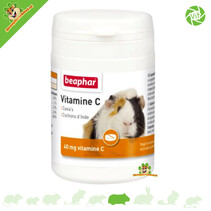
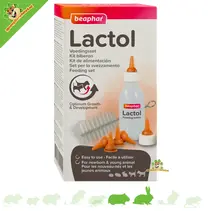
In this category, you will find products and information that help to better organize health and care. Think of vitamin C, special diets and force-feeding, care products, transport boxes, water bowls, drinking bottles, cleaning products, bedding, pee pads, and practical information pages about important signs.
At DRD Knaagdierwinkel®, we view health as part of the whole. A guinea pig needs plenty of guinea pig hay , appropriate guinea pig food , daily attention to vitamin C, a dry substrate, sufficient space, companions, quiet hiding places, and careful observation. Products can provide support, but for clear symptoms, a veterinarian remains the right step. Specialist since 2011.
✓ Guinea pig health products, vitamin C, special food, care and hygiene
✓ Practical guidance regarding food, hay, droppings, urine, coat, skin, and behavior
✓ Logically combines with food, bedding, transport, and information pages
✓ Selected by DRD Knaagdierwinkel® – Specialist since 2011
Quick links
In short • Daily check-up • Nutrition & vitamin C • Important signs • Care • Hygiene & accommodation • Transport & veterinarian • Convenient combinations • FAQ
In short: what to look out for regarding guinea pig health?
Pay daily attention to food, hay intake, drinking, droppings, weight, urine, coat, skin, posture, movement, and behavior. Especially reduced eating, failure to take hay, lethargy, pain, shortness of breath, blood, severe itching, weight loss, or sudden changes in behavior are signals to take seriously.
Guinea pigs sometimes show discomfort subtly. That is why it is helpful to know what is normal for your guinea pigs. Does your guinea pig always come straight to the hay and is he staying away now? Are his droppings getting smaller? Is he puffed up? Is he moving more stiffly? These are changes you don't want to miss.
✔ Does your guinea pig eat hay and appropriate guinea pig food daily?
✔ Does your guinea pig receive daily attention for vitamin C?
✔ Are his droppings, urine, coat, and behavior as you are used to?
✔ Does the ground remain dry at the hay corner, resting areas, and urination zones?
✔ Contact a veterinarian in case of clear symptoms, loss of appetite, pain, lethargy, or if you have any doubts.
Food and hay
Eating less or not taking hay is an important signal in guinea pigs.
Droppings and urine
Changes in droppings, urine, or urination behavior provide practical checkpoints.
Coat and behavior
Itching, bald patches, hunching over, a pained posture, or sudden withdrawal are more noticeable if you check daily.
Daily health check for guinea pigs
A daily check doesn't have to be complicated. You can already see a lot while feeding, refilling hay, changing water, and cleaning. Does your guinea pig come forward as usual? Is it eating hay? Are the droppings normal? Does the coat look clean? Precisely because you take a quick look every day, changes stand out more quickly.
| Checkpoint | What do you look out for? | Why is this important? |
|---|---|---|
| Food and hay | Is your guinea pig eating hay, pellets, and vegetables as normal? | Eating less is an important warning signal in guinea pigs. |
| Droppings | Number, shape, size, dryness and change from normal. | Droppings often change along with appetite, hay intake, and bowel function. |
| Urine | Color, smell, urination behavior, wet hindquarters, or signs of pain. | Urinary problems can be painful and require attention. |
| Fur and skin | Itching, bald patches, scales, scabs, tangles, or a wet coat. | Skin and coat problems can have various causes. |
| Behavior | Lethargy, cowering, pain posture, altered gait or reduced responsiveness. | Guinea pigs sometimes show discomfort subtly. |
Read more: Guinea pig droppings , Guinea pig language and Guinea pig not eating .
Nutrition, hay, and vitamin C as the basis for health
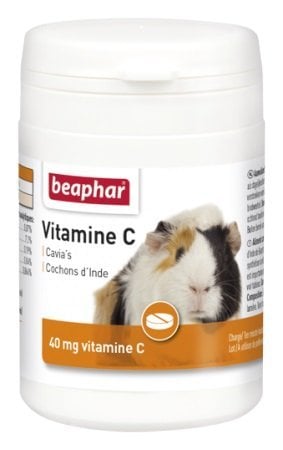
Health starts with the daily basics. Guinea pigs need plenty of hay, appropriate guinea pig food, and daily attention to vitamin C. Hay aids in prolonged chewing and keeps the feeding routine going. Guinea pig food provides targeted supplementation. Vitamin C is especially important because guinea pigs cannot produce it themselves.
Therefore, use guinea pig-specific food and ensure that your guinea pig actually eats it. In cases of selective eating, reduced eating, or recovery, it may be necessary to reassess the diet. Specialty food or force-feeding can provide support in certain situations, but the cause of not eating or deterioration must always be taken seriously.
Guinea pig food & nutrition
Special guinea pig food should be tailored to the needs of guinea pigs.
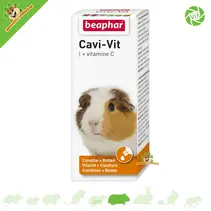
Vitamin C for guinea pigs
A constant point of attention, because guinea pigs must obtain vitamin C through their diet.
More explanation: Guinea pig food selection guide , Vitamin C for guinea pigs and Special food and force feeding .
Important signals where you do not wait
Not every minor difference is immediately a problem, but some signals in guinea pigs are important enough to take quick action. Not eating or eating significantly less is a particular alarm signal. Pain, blood, shortness of breath, lethargy, severe itching, or weight loss also require prompt assessment.
✓ Not eating, not taking hay, or eating much less than normal.
✓ Fewer or no droppings, smaller droppings, or clearly abnormal droppings.
✓ Drooling, wet chin, altered chewing, dropping food, or weight loss.
✓ Pain during urination, blood in urine, urinating many small amounts, or difficulty urinating.
✓ Severe itching, bald patches, scabs, sores, or excessive scratching.
✓ Lethargy, shortness of breath, hunched posture, pain posture, or sudden, significantly abnormal behavior.
Relevant information: Guinea pig not eating , Guinea pig teeth , Guinea pig itching, mites and parasites and Guinea pig bladder problems .
Guinea pig care: nails, coat, skin and daily routines
Guinea pig care consists of small, recurring checks. Think of nails, coat, skin, paw pads, hindquarters, and behavior when touched. A short, calm check is often more valuable than the occasional long grooming session that makes your guinea pig stressed.
| Care | What do you look out for? | Useful next step |
|---|---|---|
| Nails | Too long, bent, snagging, or running differently. | Check regularly and cut carefully. |
| Coat | Tangles, wet spots, flakes, bald patches, or dirt. | Brush, check hindquarters, and keep the ground dry. |
| Skin | Itching, redness, sores, scabs, or signs of parasites. | Have a veterinarian take a look if there are clear symptoms. |
| Hindquarters | Wet coat, urine, droppings, dirt or irritation. | Assess urination spots, soil, and health together. |
Handy extras: Guinea pig care , Guinea pig nail trimming and Long-haired guinea pig care .
Hygiene, floor, and enclosure: health starts under the paws too.
A dry, clean substrate contributes to comfort, grooming, and daily checks. Guinea pigs often have specific urine spots, especially near hay corners and resting places. By specifically cleaning these areas, you keep the enclosure more pleasant and spot abnormalities in urine, droppings, or behavior more quickly.
✔ Check wet spots, old hay, and old vegetables daily.
✔ Use absorbent bedding, pee pads, or toilets at designated urination spots.
✔ Keep hay corners dry and easily accessible.
✔ Wash soft materials and let them dry completely.
✔ Make cleaning part of a health check, not just hygiene.
Ground mats & pee pads
Useful for designated resting places, hay corners, and wet areas.
Guinea pig toilets
For fixed urination spots and more targeted cleaning in the enclosure.
Read also: Cleaning a guinea pig cage and Guinea pig cleaning products .
Transport box and vet visit: well prepared for the trip
When health issues arise, you don't want to have to search for a safe transport solution first. A good transport box is therefore part of the basic equipment for guinea pig owners. Use a stable box with grip, ventilation, and enough room to sit safely. Place some familiar hay inside, unless the veterinarian advises otherwise.
✔ Have a transport box ready if there is no eating, pain, blood, shortness of breath, or obvious illness.
✔ Use an absorbent, non-slip surface in the playpen.
✔ Where possible, bring information: weight, eating habits, droppings, urine, and since when this has been occurring.
✔ Transport your guinea pig calmly, away from drafts, heat, and direct sunlight.
View: Guinea pig transport box , Guinea pig drinking bottles and water bowls , and Guinea pig hay .
Smartly combine guinea pig health with the right categories
Nutrition & support
Guinea pig hay • Guinea pig food and nutrition • Vitamin C Guinea pig • Special diets and force-feeding
Control & information
Guinea pig not eating • Guinea pig teeth • Guinea pig droppings • Guinea pig bladder problems
Care & hygiene
Guinea pig care • Guinea pig bedding • Guinea pig floor mats and pee pads • Guinea pig cleaning products
Stay & trading
Guinea pig cage • C&C guinea pig cages • Guinea pig transport box • Guinea pig information
DRD makes its choice: health is visible in daily details
At DRD, we view guinea pig health as a system: nutrition, hay, vitamin C, teeth, substrate, behavior, hygiene, and care are all interconnected. A product only truly helps when it fits the animal's situation and the owner's routine.
The power lies in early recognition. Anyone who checks food, hay, droppings, urine, coat, and behavior daily will notice sooner when something is wrong.
Checklist – guinea pig health and care
✓ Do you check daily if your guinea pig takes hay, food, and water?
✓ Do you pay attention to droppings, urine, weight, posture, and behavior?
✓ Is vitamin C part of the daily dietary routine?
✓ Do you regularly keep an eye on your nails, coat, skin, and hindquarters?
✓ Does the ground remain dry at the hay corner, resting areas, and urination zones?
✓ Do you have a transport box ready for the vet visit?
✓ Should you contact a veterinarian if there is no eating, pain, lethargy, blood, shortness of breath, or a clear change?
Good to know
This category helps you better organize health and care. The information is intended as practical guidance and does not replace a veterinarian. In particular, not eating, eating significantly less, lethargy, pain, shortness of breath, blood, weight loss, or sudden abnormal behavior require prompt action.
Would you like to read up on general background information about guinea pigs? Then also check out the LICG guinea pig information at licg.nl.
FAQ – frequently asked questions about guinea pig health
What do you pay attention to daily regarding guinea pig health?
Pay attention to hay eating, feed intake, drinking, droppings, urine, weight, coat, skin, posture, movement, and behavior. Changes from normal are particularly important.
When should you take a guinea pig to the vet?
Contact us if you are not eating, eating significantly less, are lethargic, in pain, shortness of breath, have blood in the urine, are having difficulty urinating, are losing weight, have severe itching, have sores, or experience sudden abnormal behavior.
Why is vitamin C important for guinea pigs?
Guinea pigs cannot produce vitamin C themselves. Therefore, vitamin C should be part of their daily care through appropriate food or a targeted supplement.
What do you do if a guinea pig doesn't eat?
Do not wait. Check hay, feed, water, droppings, and behavior, and contact a veterinarian immediately. Specialty food can provide support, but it does not replace an investigation into the cause.
How do you recognize possible dental problems in a guinea pig?
Watch out for eating less hay, drooling, a wet chin, weight loss, dropping food, crooked chewing, slower eating, or smaller droppings. Have the teeth checked if in doubt.
What are the signs of bladder problems in guinea pigs?
Squealing or straining while urinating, red or bloody urine, urinating many small amounts, thick or sandy urine, wet hindquarters, reduced appetite, or lethargy can be signs to be taken seriously.
How do you care for a guinea pig's coat and skin?
Check regularly for tangles, itching, bald patches, scales, scabs, sores, and a wet coat. For long-haired guinea pigs, checking the hindquarters and belly is especially important.
How does a clean stay contribute to health?
A dry, clean floor helps to better control urine, droppings, coat, and skin. Wet hay corners, urine spots, and dirty mats can cause problems more quickly.
Which products contribute to guinea pig health?
Think of guinea pig food, hay, vitamin C, specialty food, grooming products, a transport box, bedding, pee pads, litter boxes, cleaning supplies, and water bowls or drinking bottles.
What do you combine with guinea pig health?
Combine health with guinea pig food, hay, bedding, guinea pig cage, houses, tunnels, cleaning, guinea pig language, care, and practical information pages.
✓ Guinea pig health and care with practical guidance on nutrition, signs, hygiene, and daily checks
✓ Convenient to combine with vitamin C, specialty food, transport box, care products, bedding, and cleaning products
✓ With internal routes to guinea pig not eating, teeth, droppings, bladder problems, itching and guinea pig food
✓ Ordered before 5 PM, shipped the same day
✓ Specialist since 2011
✓ Delivered from our own stock
Unsure which product suits your guinea pig's situation? Feel free to contact us via our contact page . In case of clear symptoms, loss of appetite, pain, lethargy, or rapid deterioration, consulting a veterinarian is the right step.
