 Polski

Ferret food bowls, bottles & water bowls – sturdy, hygienic and practical

- Voor 17 uur besteld, dezelfde dag verzonden!
- Rodent specialist since 2011
- Dispatched from our own stock

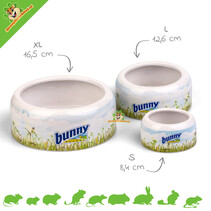




Ferret food bowls, bottles & water bowls – sturdy, hygienic and practical
Ferrets are curious, energetic, and… sometimes even little "interior designers." A food or water bowl that's too light is easily moved or knocked over. That's why you'll find a smart selection of food bowls, water bowls, and water bottles for ferrets in this category: from heavy ceramic bowls (anti-knock) to hanging bowls and (glass) water bottles. With practical selection guides for placement, hygiene, and multiple drinking points. Specialists since 2011, so you can choose with confidence.
Opt for a heavier ceramic or a stable setup (e.g., in a holder). This reduces spills and cleanup.
Especially for pairs or groups: offer multiple spots. Consider combining a water trough and water bottle for added safety.
Water points get sticky faster than you think. A consistent routine prevents odors and buildup.
Which food and water solution is right for your ferret?
The best choice depends primarily on your ferret's behavior: eating and drinking well, or a lot of sliding/playing. Basically, you can choose from:
- Drinking bowl / water bowl – natural drinking, quick to refill (for ferrets, choose a sturdy, wide bowl).
- Drinking bottle – handy if you want to limit spills or as an extra water point (check daily for flow).
- Hanging tank – ideal for use in a cage/enclosure: stays high, reducing the risk of litter/mess getting into the water.
- Set-up in holder – food and water bowl stable in a frame (practical for “topplers”).
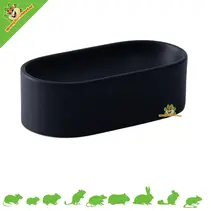
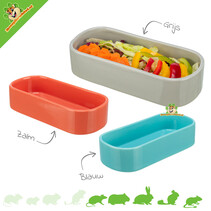
Useful examples from this category: a hanging bowl such as Savic Crock Medium , a sturdy ceramic bowl such as the oval ceramic food/drink bowl , and drinking bottles such as the Trixie glass drinking bottle or Classic drinking bottle .
Water & drinking points: how to keep it practical
- Always fresh water – changing it daily is a good basic rule (especially with tanks).
- Multiple locations – for multiple ferrets or a larger play area: place 2 drinking points.
- Combining a bowl and bottle offers both choice and certainty. Many owners find this helpful for ferrets who like to "trouble."
- Check water bottles – check daily that the spout is flowing properly and is not leaking or stuck.
Want to tailor your ferret's food choices to your needs? Then check out Ferret Food & Snacks .
Materials & models: what are the differences?
In this category, you'll find various materials. Here's what to look for:
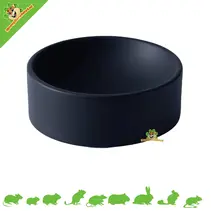
- Ceramic – heavy, stable, and often difficult to move: ideal for ferrets that slide or knock over things. Example: long ceramic food/water bowl .
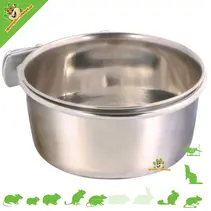
- Stainless steel/metal – durable and easy to clean. Example: Stainless steel feeding bowl .
- Plastic – lightweight and practical, but prone to shifting; in that case, choose hanging or a bracket.
- Glass (water bottle) – sturdy material; ensure proper fastening. Example: Trixie glass water bottle .
- In a holder/frame – extra stable and neat in the enclosure. Example: Deluxe wooden food and water bowl (holder) .
Placement: Where should you place the food and water station?
- Quiet corner – not right next to the toilet or the busiest passageway.
- Stable surface – on a flat spot so that the container does not wobble.
- In the enclosure – hanging baskets are useful for keeping litter/debris out of the water.
- In the play area – choose a heavy drinking bowl (ceramic) or provide an extra bottle as a backup.
Are you working on a complete, fresh routine? Then combine this with Ferret Health & Care and (for potty training) with Ferret Toilets .
Maintenance & hygiene
- Daily : change the water and rinse the tank (especially if there are leftover food particles in it).
- Drinking bottles : clean thoroughly regularly and check the spout for flow/leakage.
- Food bowls : remove food remains and keep bowls clean (ceramic/stainless steel are often extra easy).
- Need extra support with cleaning and personal care? Check out our health & personal care section .
Checklist: feeding and drinking area for ferrets
This list will give you a good foundation:
✔ Sturdy feeding bowl (ceramic/stainless steel) that does not slide easily
✔ At least 1–2 drinking points (especially with multiple ferrets)
✔ Change the water daily and clean the tank/bottle regularly
✔ Feeding area logically placed (not near the toilet, but stable)
✔ Nutrition and reward tailored to your ferret food & snacks
Safety warnings
- Check containers and bottles for cracks, damage and sharp edges (especially with intensive use).
- Always secure a (glass) drinking bottle securely so that it cannot fall or come loose.
- Do not let stagnant water sit for too long; refresh daily and clean regularly.
- If you notice your ferret drinking significantly less, becoming lethargic, or acting differently than usual, contact a veterinarian.
FAQ – frequently asked questions
Is a drinking trough better than a drinking bottle?
This varies from ferret to ferret. A water bowl often provides natural drinking and is quick to refill, but can become dirty from playing or feeding. A water bottle helps prevent spills. Many owners combine both.
How many drink points do I need?
For one ferret there should be at least one good drinking point, but for pairs/groups or a large play area two drinking points are often more convenient (less hassle, more security).
My ferret is knocking over the litter box. What works best?
Choose a heavy ceramic bowl , a hanging bowl , or a set in a holder/frame . Place it in a stable location and avoid "play corners" as drinking areas.
How do I prevent deposits in drinking bottles?
Refresh the water daily and clean the bottle thoroughly regularly. Also check the spout for leaks and fluid retention.
Where can I find everything for my ferret together?
Go to the main categoryFerret and combine with health & care and houses, baskets & cushions .
Why buy food bowls and water bowls from DRD Rodent Shop®?
✔ Specialist since 2011
✔ Ordered before 5 PM = shipped the same day
✔ Delivered from our own stock
✔ Smartly selected range for well-being & practical use
