 Polski

Rat Food Bowls – hearty feeding, eating and foraging together


- Voor 17 uur besteld, dezelfde dag verzonden!
- Rodent specialist since 2011
- Dispatched from our own stock

- Voor 17 uur besteld, dezelfde dag verzonden!
- Rodent specialist since 2011
- Dispatched from our own stock
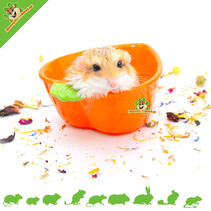
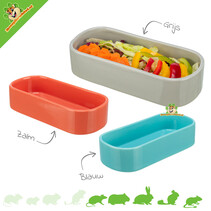
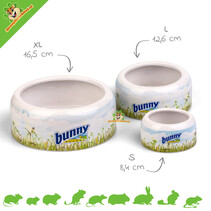
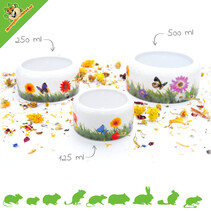
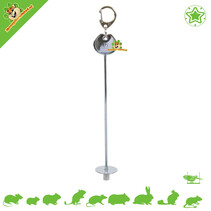
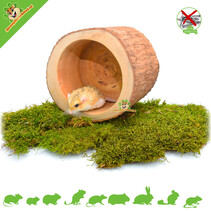

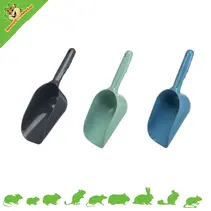
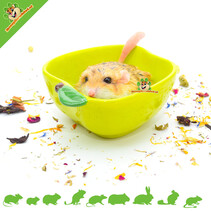
Rat Food Bowls – hearty feeding, eating together, and smart foraging
 Rat food bowls help present daily food in a neat, accessible, and organized manner. Rats are social animals that often eat and explore together, and sometimes even drag food around. Therefore, when it comes to food bowls, DRD looks not just at “a bowl for food,” but primarily at stability, material, group use, placement, ease of cleaning, and whether the bowl fits the way you feed your rats.
DRD selects food bowls that suit both pet rats and practical use: heavy ceramic bowls, stainless steel bowls, rock and concrete bowls, spill-proof bowls, and treat balls for extra challenge. Use a food bowl for the daily basics, such as Rat Food , combine it with Rat Drinking Bottles & Water Bowls , and alternate with Rat Play & Foraging , Rat Snacks , and Rat Herbs and Seeds . This makes feeding not only practical but also more fun and active.
In short
✓ Sturdy food bowls help to present rat food neatly, within reach, and in an easily inspectable manner.
✓ For groups, multiple feeding points or a more spacious feeding area are often preferable, so that rats can eat together peacefully.
✓ Snack balls and food balls make feeding more active because rats have to push, roll, and search.
Quick links
Why food bowls? · Choosing a food bowl · Types of food bowls · Feeding together · Food bowl or foraging? · Cleaning · Checklist · Shopping routes · FAQ
Sturdy & stable
Heavy ceramic, rock, and concrete trays often remain standing better when rats enthusiastically eat, sniff, or stand on the edge with their paws.
Eating together
Rats live in groups. A spacious bowl or multiple feeding points provide more peace when several rats want to eat at the same time.
More challenge
Snack balls and food balls make eating more active. Ideal for offering a portion of the food or small rewards as a search moment.
Why a good food bowl is useful for rats
A good food bowl makes feeding more organized. You can better see how much food is being offered, whether a lot is left uneaten, and whether all the rats can eat in peace. This is especially useful with a group, as rats can differ in pace, preference, and enthusiasm.
Rats are inquisitive and not always careful with their belongings. A bowl that is too light can be knocked over or moved around the cage. A sturdy bowl made of ceramic, stainless steel, rock, or concrete often stays in place better and is easier to keep clean.
At the same time, not all food needs to come from a bowl at all. Especially with rats, it is fun to use part of the food for foraging. This way, you combine order with enrichment: a fixed feeding spot for the basics and searching moments for extra activity.
Choosing a rat food bowl: what to look for?
Choose a food bowl based on stability, material, size, and how you feed. Do you feed the basic food in a single bowl? Then a heavier bowl is preferable. Do you have multiple rats? Then multiple feeding points or a larger bowl are often handy. Do you want to offer food more actively? Then a treat ball or food ball is a better fit.
- Choose a heavy food bowl if your rats like to push, dig, or stand on the edge.
- Choose stainless steel when you want a lightweight, hygienic, and easy-to-clean container.
- Choose ceramics, rock, or concrete when stability is important.
- Choose multiple feeding points when your group eats quickly or when not all rats can reach one bowl at the same time.
- Choose a treat ball or food ball when you want to make feeding more active.
- Place food bowls in a dry, stable spot, not directly on a designated urination spot.
Do you want to choose the right basic food? Then check out Rat Food or read the Rat Food Selection Guide .
What types of food bowls are there for rats?
Within this category, you will find various types of food bowls and feeding solutions. Each type offers its own benefit for daily care.
Ceramic food bowls
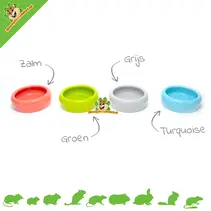
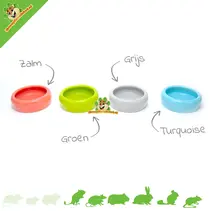
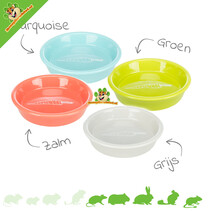
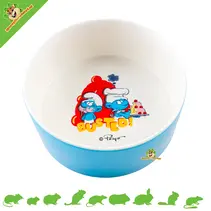
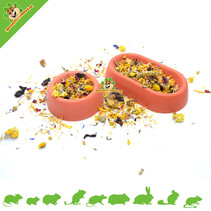
Ceramic food bowls are popular because they stand firmly and are easy to clean. They are great for basic food, small portions of vegetables, or a designated feeding spot in the cage. Due to their weight, they are less likely to be knocked over.
Stainless steel food bowls
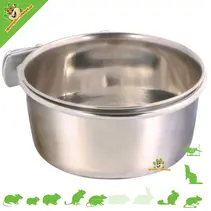
Stainless steel food bowls are hygienic, lightweight, and practical. They are easy to wash and suit owners who like to clean quickly and neatly. With lightweight bowls, however, pay attention to their placement so that they do not slide around too easily.
Rock and concrete boxes
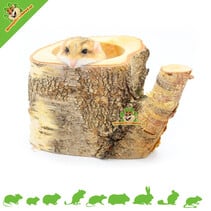
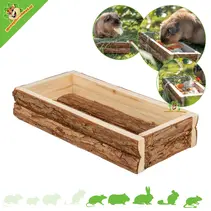
Rock and concrete containers are extra sturdy and often have a natural appearance. They fit nicely into a Ratscaping setup and stay firmly in place due to their weight. This is pleasant for active rats that like to scratch at everything.
Anti-spill food bowls
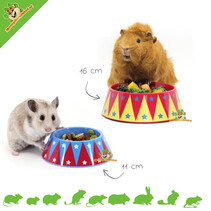
Anti-spill food bowls can help keep food together a bit better. This is useful when your rats dig, push, or pull food out of the bowl a lot. They don't make feeding “perfectly neat,” but they can make things more organized.
Snack balls and feed balls
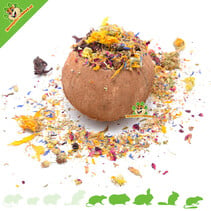
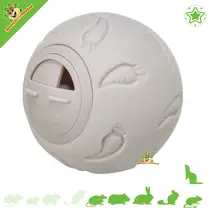
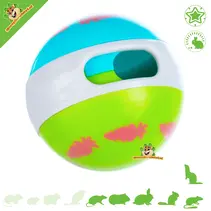
Treat balls and food balls are not standard food bowls, but they are great for actively offering part of the food. Rats have to push, roll, and search before anything comes out. That immediately turns feeding into a little game.
Feeding multiple rats together
Rats often eat together, but not every rat eats in the same way. One rat is fast and bold, while another eats more calmly. Therefore, the feeding area is important. You can make feeding calmer with a spacious bowl, multiple feeding points, or a combination of a bowl and scatter food.
- Use a spacious bowl when multiple rats want the food at the same time.
- Place multiple feeding points for larger groups.
- Scatter some of the food in a sniffing area or digging box to encourage extra searching behavior.
- Use treat balls or food balls for active rats that like to work for their food.
- Check if all rats can easily reach the food.
- Remove old or wet food residues in time.
Optionally combine feeding with Rat Pellets , Rat Snacks , and Rat Herbs and Seeds for extra variety.
Feeder or foraging: it doesn't have to be a choice
A food bowl is handy for keeping track, but rats also really enjoy foraging. Therefore, a combination works perfectly: part of the basic food in a bowl and part spread out for foraging. This way, you know exactly what you are offering, while your rats remain actively engaged.
- Use the food bowl for the fixed daily basis.
- Use a treat ball or food ball for small portions of food or pellets.
- Scatter herbs, seeds, or small pellets throughout a digging box or sniffing zone.
- Hide snacks in foraging toys or among safe materials.
- Ensure that energy-rich extras remain supplementary.
- Check foraging areas for old food remnants.
Practical tip
✓ Use a food bowl for control and foraging for fun; together, this often provides the best routine.
✓ With multiple rats, spreading them out helps them eat together more peacefully.
✓ A snack ball is nice for small portions, but not for everything your rats need in a day.
Clean and keep food bowls tidy
Food bowls are used daily and quickly come into contact with saliva, food remnants, bedding, and sometimes urine. Cleaning them regularly keeps the feeding area fresh and makes it easier to see what is being eaten.
- Remove old food remnants from the bowl in time.
- Wash food bowls regularly and let them dry thoroughly.
- Check ceramics, rock, and concrete for cracks or sharp edges.
- Check stainless steel trays for dents, loose edges, or wear.
- Empty snack balls and food balls thoroughly after use.
- Do not place food bowls on regular urination spots or under leaking water bottles.
For daily hygiene, you can proceed to Rat Care , Rat Toilets , and Rat Pee Mats .
Checklist: how to choose the right food bowls
✓ The food bowl is sturdy enough for curious, active rats.
✓ The size suits the number of rats and the feeding method.
✓ The material is easy to clean and easy to inspect.
✓ The feeding spot is dry, stable, and not directly next to a regular urination spot.
✓ For groups, there are sufficient feeding points or part of the feed is offered in a distributed manner.
✓ Snack balls and food balls are used as extra enrichment alongside the daily base.
Handy shopping routes for feeding, drinking, and foraging
Food bowls work best when they are part of a clear feeding and drinking routine. With these routes, you can quickly create a practical combination.
Feeding the basics
Create a clear feeding area with a sturdy bowl, suitable rat food, and sufficient drinking water.
Active feeding
Alternate food bowls with foraging toys, treat balls, pellets, and search time.
Sniffing & scattering
Make food more interesting with herbs, seeds, digging bins, and natural foraging spots.
Learn more about nutrition and daily care
Do you want more guidance on feeding, watering, and the practical setup of the rat cage? These information pages are a good fit for this category:
FAQ – frequently asked questions about rat food bowls
What kind of food bowl is suitable for rats?
A suitable food bowl for rats is sturdy, stable, and easy to clean. Heavy ceramic, rock, or concrete bowls often stay in place well. Stainless steel, on the other hand, is practical and hygienic.
Do rats need one food bowl or several?
That depends on your group. One spacious bowl can work fine, but with multiple rats, extra feeding points or spreading out the feeding is often preferable. This allows all rats to eat more peacefully.
Is ceramic or stainless steel better for rats?
Ceramic is heavier and often remains more stable. Stainless steel is lightweight, hygienic, and easy to clean. The best choice depends on your cage, your rats, and how firmly the bowl needs to stand.
Can you give rat food without a bowl?
Yes, you can scatter or hide part of the food as a foraging moment. A food bowl remains handy for keeping an overview, but searching and sniffing make feeding more active and fun.
Are snack balls suitable for rats?
Yes, treat balls and food balls can be fun for rats. Use them for small portions of food, pellets, or snacks. They are intended as extra enrichment, not as the only way to offer daily food.
How often do you clean a rat food bowl?
Check food bowls daily for old food residue, moisture, and dirt. Wash them regularly and let them dry thoroughly. Empty and clean treat balls after use so that no old residue remains.
DRD chooses feeders that combine firm feeding and active searching.
At DRD Knaagdierwinkel®, we view rat food bowls as part of the daily feeding strategy. A good bowl makes feeding organized, clean, and accessible. Additionally, you can add extra challenge with treat balls, scatter food, and foraging toys. This keeps feeding practical and fun.
Undecided between ceramic, stainless steel, rock, concrete, a spill-proof bowl, or a snack ball? Then check out the Ratten Webshop or contact us via Service & Contact . We are happy to help you decide.
✓ Food bowls for rats: ceramic, stainless steel, rock, concrete, anti-spill and snack balls
✓ Smartly combines with rat food, water bottles, water bowls, pellets, snacks, and foraging
✓ Specialist since 2011
✓ Ordered before 17:00, shipped the same day from our own stock
