 Polski

Dwarf Rats Bedding – a low-dust, fresh, and natural setup
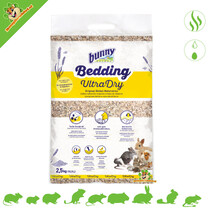
Natural spelt bedding with high absorption capacity and good ammonia binding. Soft, economical to use, and suitable for rodents and rabbits.
Read more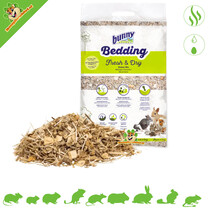
Natural spelt mix bedding with flax, applewood, and pine heartwood. Highly absorbent, fresh to the touch, and suitable for rodents and rabbits.
Read more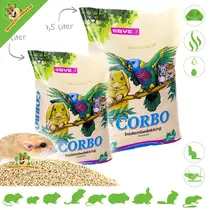
Deep in the heart of the rodent kingdom, where the air is filled with the cheerful chirping of birds and the hissing sounds of reptiles, we meet an incredibly innovative bedding called Corbo. A paradise for all the winged and furry creatures hopping aroun
Read more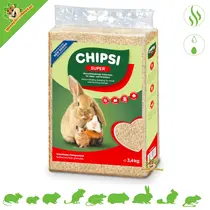
Highly absorbent wood fiber granules from Chipsi. Ideal as bedding or an absorbent underlay for rodents and rabbits, with good moisture absorption and odor binding.
Read more- Voor 17 uur besteld, dezelfde dag verzonden!
- Rodent specialist since 2011
- Dispatched from our own stock
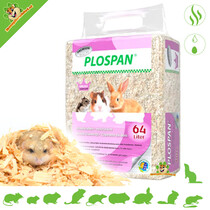
Plospan Kingsize Wood Shavings are especially recommended as ideal bedding for your small rodents with sensitive respiratory tracts. It's the most dust-free bedding in the Plospan range, minimizing respiratory irritation. The Kingsize is slightly coarser
Read more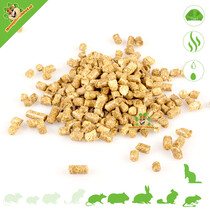
Natural straw pellets of approx. 20 liters / 8 kg. Suitable as litter and absorbent underlay for rats, guinea pigs, rabbits, chinchillas, degus, and ferrets.
Read more
Fine beech wood chips of approx. 6 mm. Ideal as toilet bedding, sniffing corner, path, or decorative structural layer in the enclosure.
Read more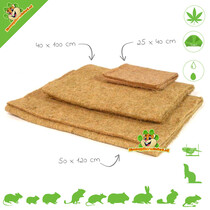
Soft hemp mat made of untreated hemp fibers in 3 sizes. Can be used as a pee mat, soft resting place, nesting material, sniffing mat, or underlay in cages and enclosures.
Read more- Voor 17 uur besteld, dezelfde dag verzonden!
- Rodent specialist since 2011
- Dispatched from our own stock
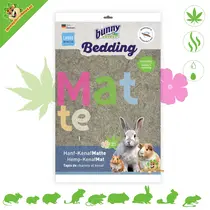
Reversible mat made of 100% natural hemp and kenaf fibers for small rodents and rabbits. Thick, absorbent, odor-binding, and comfortable as a lying mat, extra layer, or nesting material in the enclosure.
Read more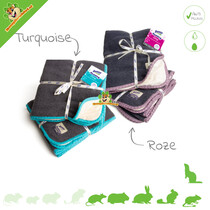
Bunny Bedding Easy consists of fluffy, soft fleece and extra absorbent Molton. This unique combination ensures that urine is quickly drained and absorbed and retained within the Molton. This way, guinea pigs and other animals always have nice, dry paws. A
Read more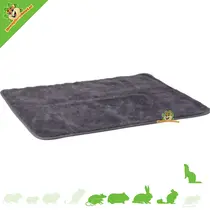
The Vetbed is made of synthetic sheepskin. A major advantage of the vetbed is that it is nice and soft, insulates heat and absorbs moisture very well. Suitable for guinea pigs and rabbits as a pee pad or solid bedding.
Read more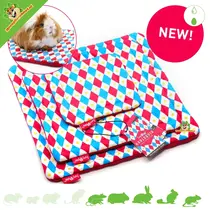
Practical set of 3 soft and absorbent HayPigs pee pads for your lap, transport box, or a designated potty spot. Reversible, with a waterproof inner layer, and washable at 30°C.
Read more- Voor 17 uur besteld, dezelfde dag verzonden!
- Rodent specialist since 2011
- Dispatched from our own stock
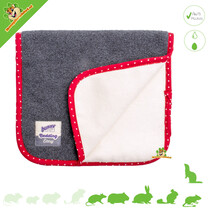
Bunny Bedding Easy consists of fluffy, soft fleece and extra absorbent Molton. This unique combination ensures that urine is quickly absorbed and held in the Molton. This ensures that guinea pigs and other pets always have nice, dry paws. They also don't
Read more
Soft, washable plush blanket for rats, guinea pigs, rabbits, and ferrets. Available in 3 sizes. Great as a comfortable underlay, resting place, or pee pad.
Read more
Natural 4-component bedding with flax, spelt husk, hardwood and hardwood bark. Soft, enriching and ideal as a top layer, mixed bedding or foraging bedding.
Read more
Dwarf Rats Bedding – a low-dust, fresh, and natural setup
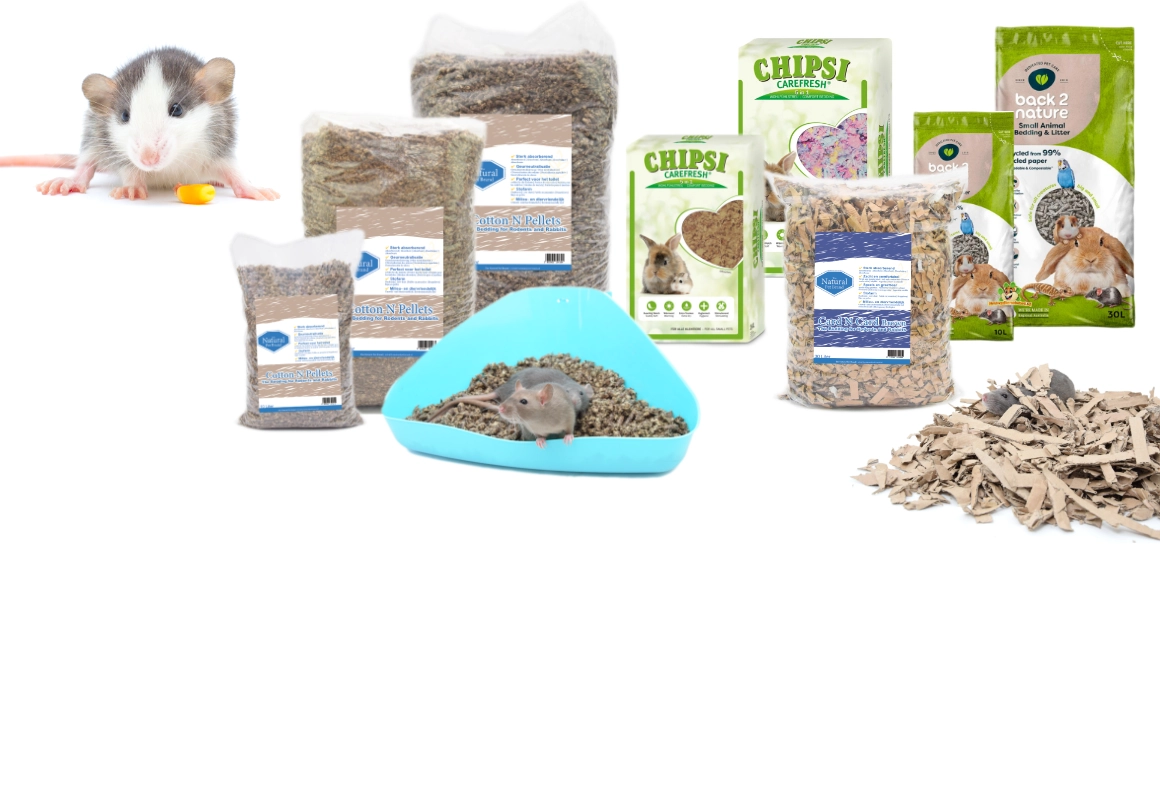 Basically, you choose bedding for dwarf rats just as carefully as bedding for pet rats: low-dust, fresh, highly absorbent, and practically easy to keep clean. However, with dwarf rats, there is also an extra interesting possibility: depending on size, group, and setup, they can also be kept in a spacious terrarium-like enclosure, such as a large Black Scape-style setup. In that case, the bedding becomes not only a hygiene product but also the basis for natural decor, digging zones, and Ratscaping in a hamsterscape-like manner.
Dwarf rats can still differ significantly from one another in size and build, as they are a relatively young variant/mutation. Therefore, do not choose substrate and setup based solely on the name “dwarf rat,” but consider your animals and your enclosure: do they live in a wire cage, a spacious terrarium, a hybrid enclosure, or a Black Scape-style scape? How much floor space do they use, where do they urinate, do they like to create sniffing spots, and is a deep natural layer more suitable than just a thin base layer?
In this category, you will find bedding that provides a fresh base for dwarf rats as well as complements the creation of a natural scape. Combine the bedding with a safe dwarf rat cage , matching dwarf rat houses , natural Dwarf Rat Ratscaping , and, where appropriate, a spacious terrarium such as the Black Scape Terrarium . For food, simply choose good rat food .
In short
✓ For dwarf rats, choose primarily low-dust bedding that absorbs moisture well and puts as little strain on the respiratory tract as possible.
✓ In a wire cage, the emphasis is often on hygiene and a fresh base; in a spacious terrarium, substrate can also become part of a natural scape.
✓ With a Black Scape-style setup, you can work with deeper layers, zones, digging spots, sniffing corners, and natural structures.
Quick links
Why bedding? · Cage or terrarium? · Choosing bedding · Low-dust & respiratory system · Ratscaping & hamsterscape style · Calculation tool · Cleaning · Checklist · Shopping routes · FAQ
Low-dust selected
Dwarf rats have sensitive airways. A low-dust substrate is therefore essential, both in a cage and in a terrarium.
Cage or terrarium
In a cage, you often choose practical and hygienic options; in a spacious terrarium, you can work more with natural layers and zones.
Scape construction
You can make a pygmy rat enclosure richer with deeper layers, humus zones, tunnels, wood, and natural structures.
Why bedding is important for dwarf rats
Bedding is the foundation of the enclosure. It absorbs moisture, provides grip, makes movement patterns more pleasant, and helps keep the cage or terrarium fresh. This is especially important for dwarf rats, as they are small, active, and curious, and have frequent contact with bedding layers, houses, tunnels, and hiding places.
The bedding does not need to be “specially different” from that of pet rats when keeping dwarf rats in a standard rat cage. In that case, the choice should primarily be low-dust, fresh, and practical. However, in a spacious terrarium or Black Scape-style enclosure, you can actually use bedding much more as a decorative layer: with variations in height, digging zones, sniffing corners, tunnels, cork, wood, and natural decorations.
DRD therefore chooses bedding for dwarf rats as part of the overall setup: low-dust and hygienic for the respiratory system, but also suitable for building a natural enclosure when your animals and enclosure are suitable for it.
Dwarf rats in a cage or terrarium: what does that mean for bedding?
Dwarf rats can be kept in various ways. In a wire cage, the emphasis is often on ventilation, low-dust bedding, designated urination spots, and practical hygiene. In a spacious terrarium, such as a large Black Scape-style setup, you can work more with natural substrates, digging zones, and scape elements.
- For a wire cage, you often choose a low-dust base layer that is easy to keep clean.
- In a terrarium, you can create more bottom depth, height variations, and natural layers.
- For a Black Scape-style setup, you can think of a hamsterscape-style layout, but adapted for dwarf rats.
- Always ensure adequate ventilation and thoroughly check for moisture, odor, and urine stains.
- Match layer thickness and material to the actual size, build, and behavior of your animals.
- Keep the accommodation controllable: beautiful, natural decor should never come at the expense of hygiene and clarity.
DRD looks at accommodation type
✓ Wire cage: focus on low dust, moisture absorption, toilet areas, and practical cleaning.
✓ Large terrarium: more space for deep substrate layers, natural zones, tunnels, and scape construction.
✓ Hybrid layout: combine a fresh base with separate digging buckets, humus corners, or sniffing zones.
Choosing dwarf rat bedding: what to look for?
Choose substrate based on dust, moisture absorption, odor control, texture, ease of cleaning, and enclosure type. Dwarf rats do not require a completely separate substrate world, but its application can differ from that of regular pet rats, especially when working with a large terrarium and a natural scape setup.
- Choose low-dust bedding as a fresh base.
- Pay attention to moisture intake, especially with solid urine spots.
- Choose a texture that is comfortable to walk in and does not feel too sharp or hard.
- If necessary, use toilet areas or pee pads in a wire cage to facilitate hygiene.
- Work in a terrarium with zones: base substrate, digging area, sniffing corner, and natural route.
- Match the bedding to your enclosure, group size, animals, and cleaning routine.
For the basics of the enclosure, you can go to Dwarf Rat Cage . Do you want to compare more broadly with regular rats? Then also check out Rat Bedding .
Dust-free working: important for sensitive rat airways
Rats have sensitive airways. Therefore, low-dust bedding is an important basic choice for dwarf rats. A substrate that generates a lot of dust can make the cage or terrarium less pleasant. Therefore, pay attention not only to how beautiful or natural a bedding looks, but also to how clean, dry, and low-dust it remains in use.
- Choose low-dust materials and shake out bags gently.
- Watch out for dust when filling, changing, and cleaning the enclosure.
- Ensure good ventilation, without drafts.
- Avoid bedding that quickly becomes stuffy, damp, or dusty.
- Check houses, tunnels, and corners where dust or moisture can accumulate.
- Keep a very close eye on drinking spots and urination spots.
Good to know
✓ Dwarf rats do not need a sand bath and do not bathe in sand like chinchillas or degus.
✓ We therefore do not position fine sand or chinchilla sand as bedding or a care product for dwarf rats.
✓ For dwarf rats, preferably choose low-dust bedding, safe sniffing zones, and practical hygiene.
Ratscaping in a hamsterscape-like way
In a large terrarium, you can think differently for dwarf rats compared to a standard wire cage. You can use bedding as a landscape: with deeper layers, variations in height, natural pathways, cork, wood, houses, tunnels, humus or sniffing zones, and decorative top materials. In terms of structure, this resembles hamsterscaping, but the setup must always remain adapted to dwarf rats: they are social animals with a different body structure, different movement patterns, and different hygiene needs.
- Create a sturdy base layer that is comfortable to walk on and can absorb moisture.
- Use deeper zones where your dwarf rats can sniff or dig.
- Work with tunnels, cork, wood, and small houses to create routes.
- Use decorative materials primarily as a top layer or accent, not as a dusty main base.
- Check humus or plant zones very carefully for moisture, odor, and stability.
- Always ensure access to potty areas, drinking points, shelters, and tunnels.
For this setup method, Dwarf Rat Ratscaping , Ratscaping, and the Black Scape Terrarium complement each other nicely.
Practical scape tip
✓ Build a pygmy rat enclosure in zones: sleeping zone, feeding zone, sniffing zone, digging zone, and runway.
✓ Use natural layers and decoration to enrich the enclosure, but keep everything manageable.
✓ Dwarf rats remain rats: ventilation, hygiene, and accessibility remain more important than just a beautiful landscape.
How much bedding do you need?
Do you want to calculate approximately how many liters of bedding you need? Then use this simple formula:
Length × width × desired layer thickness in cm ÷ 1000 = number of liters of bedding
Example: a soil surface of 100 × 50 cm with a 5 cm layer requires approximately 25 liters of soil cover. If you also create a separate digging box, humus zone, or raised scape zone, calculate that layer separately.
| Base measure | Layer 5 cm | Layer 10 cm | Layer 15 cm |
|---|---|---|---|
| 80 × 50 cm | 20 liter | 40 liter | 60 liter |
| 100 × 50 cm | 25 liter | 50 liter | 75 liter |
| 120 × 60 cm | 36 liter | 72 liter | 108 liter |
✓ Always measure the actual bottom surface area you are filling.
✓ Calculate separate beds, humus zones, or raised scape sections separately.
✓ Take product structure into account: airy bedding fills differently than compact material.
✓ Also view the main category Bedding & Nesting Material .
Keep dwarf rat enclosure fresh
Dwarf rats can choose designated urination spots, take food to their houses, and move bedding. By working smartly with zones, cleaning remains easier. Pay particular attention to corners, houses, tunnels, drinking spots, and places where your animals like to rest.
- Remove wet spots and old feed residues in time.
- Check huts, tunnels, burrowing zones, and humus areas for moisture and odor.
- If necessary, use portable toilets or pee pads at designated urination spots.
- Replace the bedding based on odor, moisture, and use of the enclosure.
- Allow cleaned parts to dry thoroughly before replacing them.
- Ensure sufficient ventilation in a terrarium as well and avoid stuffy, damp corners.
For practical cleaning and hygiene, you can also look at Rat Care , Rat Toilets , and Rat Pee Mats .
Checklist: how to choose the right bedding
✓ The bedding is low-dust and pleasant for sensitive rat airways.
✓ The substrate matches the enclosure type: wire cage, terrarium, or hybrid setup.
✓ In a terrarium, you can work with deeper layers, scape zones, and natural pathways.
✓ The layer thickness suits the cage, the terrarium, the setup, and the behavior of your dwarf rats.
✓ Drinking spots, shelters, tunnels, and urination areas remain easy to monitor.
✓ The bedding is tailored to your animals, enclosure, and use, not just the name “dwarf cage”.
Handy shopping routes for substrate, terrarium, and setup
Bedding works best as part of a complete dwarf rat setup. With these routes, you can quickly create a logical combination.
Soil & stay
Start with a safe cage or spacious terrarium and then choose the right substrate.
Scaping & sheltering
Combine bedding with houses, walking routes, natural structures, and sniffing zones.
Hygiene & care
Make cleaning easier with toilet stations, urinals, and appropriate care.
Learn more about dwarf rats and bedding
Do you want more guidance on dwarf rats, cage setup, terrarium construction, and substrate selection? These information pages are a good fit for this category:
FAQ – frequently asked questions about dwarf rat bedding
Which bedding is suitable for dwarf rats?
Suitable bedding for dwarf rats is primarily low-dust, absorbent, and easy to keep clean. In a spacious terrarium, you can also choose bedding suitable for natural layers, digging zones, and scape construction.
Do dwarf rats need different bedding than pet rats?
Not always. In a standard cage, you can often use good rat bedding. The difference becomes greater when dwarf rats are kept in a spacious terrarium or Black Scape-style setup, because you can then work more with deep layers, zones, and natural structures.
Can you keep pygmy rats in a Black Scape-style terrarium?
This can be beneficial if the enclosure is spacious enough, well-ventilated, and remains practically easy to keep clean. In such a setup, you can work more with natural bedding layers, tunnels, cork, wood, humus zones, and sniffing areas. However, the layout must suit the actual size and behavior of your dwarf rats.
How much bedding do you need for dwarf rats?
That depends on the floor area and the desired layer thickness. Calculate using length × width × layer thickness in cm ÷ 1000. In a terrarium or scape setup, you can calculate individual zones separately.
Do pygmy rats need a sand bath?
No. Dwarf rats do not need a sand bath like chinchillas or degus. Therefore, we do not classify fine sand or chinchilla sand as suitable for dwarf rats.
How do you keep a natural pygmy rat enclosure fresh?
Work with clear zones, check urine spots, keep drinking spots dry, and remove old food residues promptly. With deep or natural layers, monitoring moisture, odor, and ventilation is especially important.
DRD selects dwarf rat bedding based on low-dust use, hygiene, and a natural design.
At DRD Knaagdierwinkel®, when it comes to dwarf rat bedding, we look at what is truly practical for small pet rats: low-dust, fresh, absorbent, easy to monitor, and suitable for the enclosure. In a wire cage, the emphasis is often on hygiene and a fresh base. In a large terrarium, however, bedding can become part of a natural scape with layers, zones, and pathways.
Undecided between substrate, terrarium setup, digging zone, Ratscaping, toilet area, or pee pads? Then check out the Dwergrat Webshop or contact us via Service & Contact . We are happy to help you decide.
✓ Dwarf rat bedding with attention to low-dust use, moisture absorption, and fresh hygiene
✓ Also suitable as a basis for building a natural scape in a spacious terrarium or Black Scape-style setup
✓ Always tailor to enclosure type, layer thickness, digging zone, and the actual size of your dwarf rats
✓ Smartly combined with dwarf rat cages, houses, Ratscaping, toilet areas, and good rat food
✓ Specialist since 2011
✓ Ordered before 17:00, shipped the same day from our own stock
