 Polski

Buy hamster food: best hamster food & dwarf hamster food + selection guide
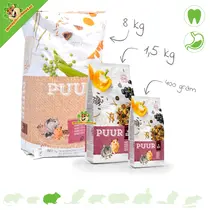
Witte Molen PUUR Hamster food is a pure and varied gourmet muesli for hamsters (Syrian hamster/Golden hamster). The food contains special ingredients tailored to your hamster's nutritional needs. Witte PUUR Hamsters contains no artificial preservatives, c
Read more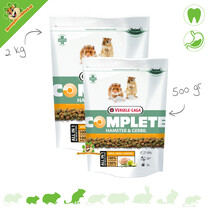
All-in-one pellet food for dwarf hamsters, hamsters, and gerbils. With chicken, grains, peas, apple, flaxseed, salmon oil, and yucca.
Read more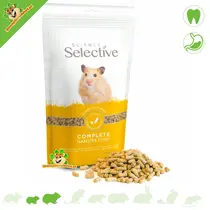
Complete all-in-one food for dwarf hamsters and hamsters. With oats, barley, flaxseed, 19% protein, and monocomponent pellets. No added sugars.
Read more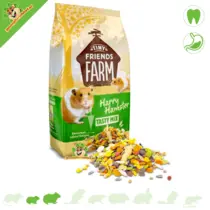
Complete mixed food for dwarf hamsters and hamsters. With corn, oats, wheat, peas, sunflower seeds, peanuts, and pumpkin seeds. Stimulates foraging.
Read more- Voor 17 uur besteld, dezelfde dag verzonden!
- Rodent specialist since 2011
- Dispatched from our own stock
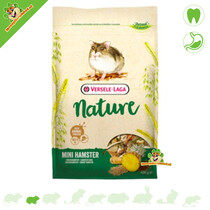
Versele Laga Mini Hamster Nature dwarf hamster food is a complete food tailored to the nutritional needs of dwarf hamsters. This premium blend of natural ingredients contains all the essential nutrients, vitamins, minerals, and amino acids your pet needs
Read more
Complete hamster food with extruded all-in-one pellets. With animal protein, omega 3 & 6, FOS, MOS, and a hamster-specific composition.
Read more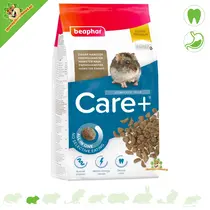
Complete dwarf hamster food with extruded all-in-one pellets. With animal protein, omega 3 & 6, FOS, MOS and 21% crude protein.
Read more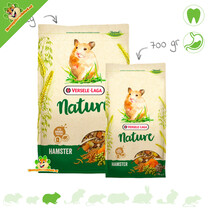
Varied complete hamster food for hamsters/golden hamsters. With grains, green peas, seeds, sunflower seeds, fruit, nuts, herbs, and 4% mealworms.
Read more- Voor 17 uur besteld, dezelfde dag verzonden!
- Rodent specialist since 2011
- Dispatched from our own stock
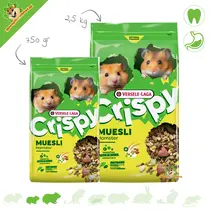
A varied, crunchy muesli mix for dwarf hamsters and Syrian/golden hamsters. With grains, seeds, vegetables and peanuts, without artificial colours or flavourings. Available in 750 g and 2.5 kg.
Read more
Because (Russian) dwarf hamsters are much smaller and have high energy needs, it's important that they get enough energy and protein from their food. This mix consists of a special blend of grains, seeds, vegetables, herbs, and fruit, specifically for sma
Read more
Complete muesli food of 5 kg for mice, dwarf hamsters, hamsters, gerbils, and rats. With fine grains, pea flakes, peanuts, and shrimp.
Read more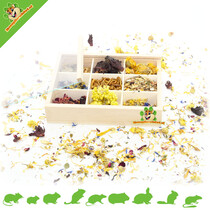
Luxury wooden storage box with 9 compartments and a sliding plexiglass lid. Handy for neatly storing and beautifully presenting snacks, herbs, flowers, or small extras.
Read more- Voor 17 uur besteld, dezelfde dag verzonden!
- Rodent specialist since 2011
- Dispatched from our own stock
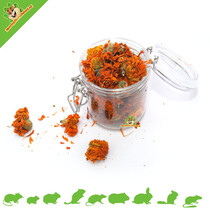
Handy 500 ml plastic preserving jar for airtight storage of food, herbs, flowers, and snacks for rodents and rabbits. Sturdy, neat, and practical to use.
Read more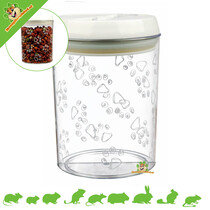
1.5-liter plastic storage jar for dry food, spices, and snacks. Airtight seal, easy to clean, and without the legs shown in the image.
Read more
Meet the handy little scoop that helps you scoop up small seeds for your little rodent. This scoop is wonderfully deep, allowing you to scoop effortlessly without spilling! And let's not forget the striking pink color - so you will never lose the scoop an
Read more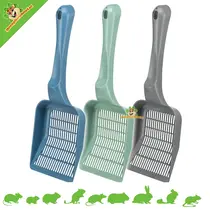
Handy plastic shovel for scooping up bedding, cleaning puddle corners, and sifting sandboxes.
Read more- Voor 17 uur besteld, dezelfde dag verzonden!
- Rodent specialist since 2011
- Dispatched from our own stock

Handy 23 cm plastic food scoop for food, bedding, sand, and grooming supplies. Comfortable to hold and easy to clean.
Read moreHamster Food & Dwarf Hamster Food – Choose the Best Food for Your Hamster
 Looking for hamster or dwarf hamster food that truly matches your pet's natural eating habits? In this category, you'll find various types and brands of food (mixes and all-in-one pellets) and, most importantly, a clear guide to choosing the right one. Hamsters are foragers, foragers, and (usually) true seed eaters—and this is reflected in their needs.
DRD Rodent Shop® has been a specialist since 2011. We're happy to help you choose based on species, lifestyle (active/foraging), eating habits (selective eating), and your practical situation.
What is the best hamster food?
The best hamster food reflects hamsters' natural behavior: foraging, selecting, hoarding, and chewing on various textures. Basically, you're looking for food that:
- Varied (seeds/grains, vegetable components, herbs and, where appropriate, animal proteins).
- Suitable for your species (golden hamster is different from many dwarf hamsters).
- Contains sufficient crude fiber to keep the intestines active.
- Especially for golden hamsters: a suitable place provides animal proteins (e.g. insects).
- Preferably without unnecessary additives such as lots of sugary bits, strong aromas or excessive colour mixes.
Why is variety in hamster food important?
Variety helps keep the food interesting and better suited to natural behavior. It can contribute to:
- A wider distribution of nutrients
- More foraging behavior (searching & gathering)
- Less boredom
- More “work” for the teeth due to different structures
Practical tip: feed (part of) the food as a scattering feeder instead of putting everything in a bowl. This is often more suitable for hamsters.
Nutritional requirements of hamsters and dwarf hamsters (species-specific)
Hamsters and dwarf hamsters are often described as granivores (seed/grain eaters) with an omnivorous "edge": many species also consume small animal proteins in the wild (e.g., insects). The ideal mix depends on the species, life stage, and activity level.
Guideline per species (as we often adhere to in practice):
Roborovski dwarf hamster: seeds, usually little animal food
Russian dwarf hamster: seeds, grasses/herbs, insects as a supplement
Campbell's dwarf hamster: seeds, grasses/herbs, insects as a supplement
Chinese dwarf hamster: mainly seeds; protein is usually limited (check carefully how your animal reacts to the chosen mix).
Syrian hamster (golden hamster): seeds/grains, vegetable components and a greater need for animal proteins
Which nutrients are essential for hamsters?
- Protein: often around ± 16% as a practical lower limit; young/active animals often have a slightly higher protein content. Sources can include insects.
- Fats: roughly 4–7% is a commonly used guideline (energy, coat condition).
- Fiber: supports intestinal function; comes from vegetable components and herbs, among other sources.
- Carbohydrates: via seeds and grains (energy source).
- Vitamins & minerals: through a varied composition (and for some owners through well-considered supplements).
Is all hamster food suitable for all ages?
Broadly speaking, yes, but the emphasis shifts with each life stage:
- Young hamsters often benefit from a little more protein and a rich, varied mix.
- Adult hamsters generally do well in a stable base with foraging opportunities.
- Senior hamsters often benefit from more easily digestible textures, sufficient fiber, and an energy intake that matches their activity.
Do I need to feed anything besides basic food?
That's possible, provided you see it as a supplement (not a replacement for the basics). Consider:
- Vegetables (small portions): carrot, broccoli, bell pepper.
- Herbs/flowers as enrichment, such as chamomile , plantain and marigold .
- High protein snacks (usually 1–2x per week, depending on type): silkworms , mealworms , grasshoppers .
- Gnawing material for activity and dental use: hamster gnawing material .
Very sugary snacks and "candy mixes" should be used as a base. Use these sparingly as enrichment.
Foraging: feeding as hamsters like to do
 Hamsters are real foragers. By scattering or hiding (some of) their food, you can make feeding a daily activity. This can easily be done with toilet paper rolls, paper scraps, food puzzles, or by scattering the food loosely throughout the bedding.
Foraging tip: We've also developed a special Foraging Menu for hamsters . You can use it as enrichment or (depending on your choice) as a complete base for a foraging-style diet.
- ✓ 100% natural (focus on pure ingredients)
- ✓ Lots of flavor & texture (suits search and collect behavior)
- ✓ Feeding = enrichment (mental challenge)
Selective eating & “selective hamster food”: how to approach it smartly
Many owners recognize this: your hamster picks out the "tastiest" parts first (often energy-rich pieces). This behavior makes sense: hamsters are designed to store food. In nature, food isn't available in unlimited quantities, so they instinctively eat what provides energy quickly first.
- Portioning: Provide a clear portion size and only refill when it's completely gone. This is the most effective "basic rule."
- Feed as a scattering feed: sprinkle (some of) it around the enclosure. This discourages "rapid snacking."
- Adjusting the food: choose a mix with less extremely tasty "peaks" or give them separately as enrichment.
- All-in-one kibble: for persistent selective eating, an all-in-one kibble can be more practical because each kibble has the same composition.
- Get used to it slowly: when changing, always mix over several days.
Does your hamster otherwise look fine (weight, fur, alertness) but seems to be eating selectively? There's no reason to panic. Hamsters sometimes secretly "balance" better than you think, partly by hoarding and retrieving food later.
All-in-one kibble or mixture?
A mixture often complements foraging and natural variety. However, if your hamster consistently eats "only the best," an all-in-one kibble can help maintain a more stable intake. Keep an adjustment period in mind: hamsters need time to accept new textures.
Hoarding: Why Your Hamster Hides Food
Hamsters carry food in their cheek pouches . This "hoarding" is normal behavior: they take food to a safe place (a house/pantry) to eat later. That's why it may seem like they're eating very little, when in fact there's a stash of food.
Hamster Teeth (and Why Food Structure Matters)
Hamsters have incisors that continuously grow. Chewing and gnawing are part of their daily maintenance. Structure, variety, and sufficient gnawing opportunities promote natural tooth function.
- Incisors grow and wear down through chewing/gnawing.
- Different structures in food and enrichment ensure natural use.
- Always combine with suitable gnawing material for hamsters .
Digestion: Why Species Differ
Hamster digestion varies by species. Some species are somewhat "faster," while others rely on a broader mix with more plant-based options. That's why choosing a species-specific diet often works better than a "one size fits all" diet.
Short summary per type (practical):
- Roborovski: often somewhat “faster” processing; seed-based.
- Russian/Campbelli: broader mix, sensitivity to too much sweetness can play a role.
- Chinese dwarf hamsters: often benefit from a clear, not too sweet base; observe individual reactions carefully.
- Syrian hamster: larger body shape; often more room for protein components as a supplement.
Coprophagy in hamsters
Hamsters can produce two types of feces, including softer, "nutrient-rich" droppings that they sometimes ingest immediately. This behavior is called coprophagy and is a natural way to recycle certain nutrients.
Overweight: what should we pay attention to?
- Low to moderate fat (less focus on extremely fatty seeds)
- Low-sugar/sugar-free (no "candy mix" as a base)
- More fiber components (herbs/vegetable components)
- Transparent ingredients list (preferably described in concrete terms)
Hamster food from Jumbo, AH or Action – what should you look out for?
Searches for "hamster food Jumbo," "hamster food AH," and "hamster food Action" are high because they're quick and close. We understand that. Want to compare? Then check out this:
- What species is it intended for? Dwarf hamsters and golden hamsters don't always have the same ideal mix.
- How specific is the ingredients list? A clear list is preferable to "byproducts."
- Be aware of extras: lots of sweet bits, colored parts, and “candy mixes” are usually additions, not the foundation.
- Mix or all-in-one? A mix can be good for foraging; for selective feeding, an all-in-one kibble can be more practical.
- Food as enrichment: sprinkling/hiding often works better than “everything in one bowl”.
Want to make a more targeted choice? Browse the selection on this page and combine it with suitable supplements like mealworms , silkworms , or a foraging menu .
FAQ – hamster food
Is there grain-free hamster food?
In practice , "grain-free hamster food" as a complete staple diet is almost always a misconception. Hamsters (and dwarf hamsters) are naturally seed and grain eaters (granivores) : grains and seeds constitute a significant portion of their natural energy supply.
What does 'species-specific' hamster food mean?
Species-specific means that the composition is tailored to the hamster species. A Syrian hamster, for example, might benefit from a bit more animal protein, while many dwarf hamsters thrive on a simple, not too sweet diet.
Can I combine different brands of hamster food?
Yes, that's possible. Do it gradually (mix for a few days) and pay attention to balance: don't accidentally eat too much fat/protein or too little variety.
How do I know if my hamster is eating well?
Look for practical signs: stable weight, active appearance, normal droppings, and a good coat condition. Are you unsure about their condition or eating habits? We're happy to help through our service .

