 Polski

Ratscaping for Pet Rats – Natural Design with Cork, Moss, Platforms & Digging Zones
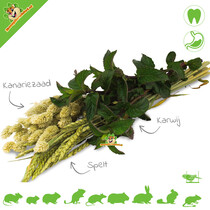
Discover the rich diversity of nature with JR Farm Herbal Harvest, a carefully composed mix of different types of wild grasses, spelt, caraway and canary seed. This natural mix offers rodents a varied and healthy diet that stimulates their natural gnawing
Read more
JR Farm Summer Harvest is a natural harvest with Millet, Dill, and Oats. A fun, seed-rich extra for rodents and rabbits to pick, nibble, and forage with.
Read more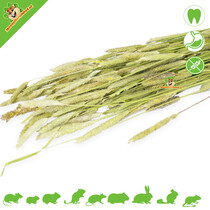
Natural and fresh Timothy Harvest is 100% natural, without additives, and fresh from the field. Treat your rodents and rabbits to the delicious and nutritious treat of JR Farm Timothy Harvest. This high-quality hay is an ideal addition to your little frie
Read more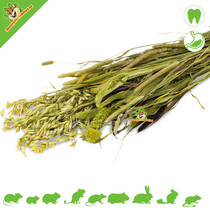
JR Farm Meadow Harvest is a natural harvest of grasses, herbs, and seeds. Great as foraging enrichment and a nibbling activity for rodents and rabbits.
Read more- Voor 17 uur besteld, dezelfde dag verzonden!
- Rodent specialist since 2011
- Dispatched from our own stock
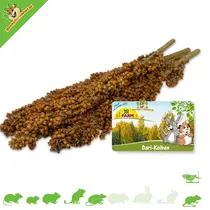
Natural dari cob with sun-ripened seeds. Fun for small seed-eating rodents and birds to harvest and forage for themselves.
Read more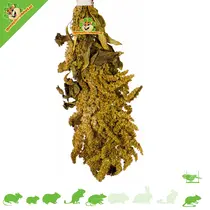
Natural amaranth harvest with sun-ripened seeds. Fun for small seed-eating rodents and birds to harvest and forage for themselves.
Read more
Natural green Senegal millet for self-harvesting. Great for small seed-eating rodents and birds as a snack, for wildlife spotting, and foraging.
Read more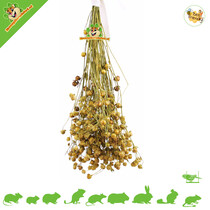
Natural flax harvest with sun-ripened linseeds. Fun for small seed-eating rodents and birds to harvest, search for, and nibble on themselves.
Read more- Voor 17 uur besteld, dezelfde dag verzonden!
- Rodent specialist since 2011
- Dispatched from our own stock
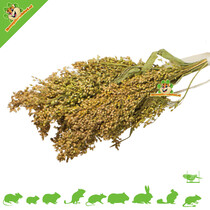
Natural millet harvest for small rodents, pygmy rats, rats, and birds. For hamsterscaping, gerbilscaping, ratscaping, foraging, pecking, and harvesting seeds themselves.
Read more
Natural apple tree harvest with twigs and leaves. For gnawing, foraging, scavenger hunts, and plant variety for rodents and rabbits.
Read more
Natural seed harvest with dari, millet, and linseed/flax. For small rodents, degus, and birds as a foraging snack, harvesting fun, and nature activity.
Read more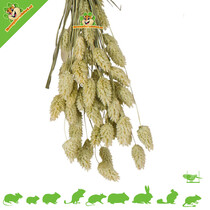
Natural canary seed harvest from JR Farm. For small rodents and birds to search for, loosen, collect seeds themselves, and be actively engaged.
Read more- Voor 17 uur besteld, dezelfde dag verzonden!
- Rodent specialist since 2011
- Dispatched from our own stock
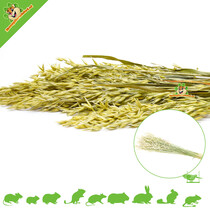
Natural oat harvest for all rodents and rabbits. Fun to pick yourself, examine, and use as forage enrichment.
Read more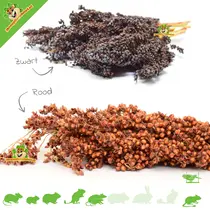
Natural dari/sorghum cob in red or black for small rodents and birds. Ideal for foraging, hamsterscaping, and seed-rich enrichment.
Read more
Natural pearl millet harvest for rodents, rabbits, and birds. Great for hamsterscaping, gerbilscaping, ratscaping, foraging, pecking, and harvesting seeds themselves.
Read more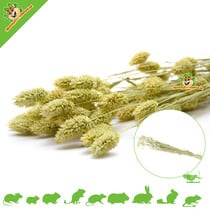
Canary seed harvest for small rodents, birds, and natural landscaping. Great for foraging, hamster landscaping, and seed-rich enrichment.
Read more- Voor 17 uur besteld, dezelfde dag verzonden!
- Rodent specialist since 2011
- Dispatched from our own stock
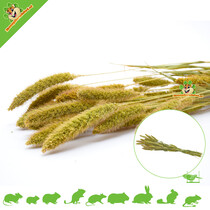
Needle millet harvest for small rodents, birds, and natural landscaping. Great for foraging, hamster landscaping, and natural enrichment.
Read more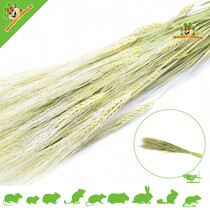
Dried barley harvest for small rodents, birds, and natural scaping. Great for foraging, hamster scaping, and enrichment in the enclosure.
Read more
Green wheat ear harvest for small rodents, birds, and natural landscaping. Fun for foraging, hamster landscaping, and natural enrichment.
Read more
Discover now the enchanting tube filled with delicious spray millet, especially for all small rodents! In this tube you will find both red and yellow millet - a delicious variety that your animal friends will enjoy. It will be a real treat for them, becau
Read more- Voor 17 uur besteld, dezelfde dag verzonden!
- Rodent specialist since 2011
- Dispatched from our own stock

A tube with a beautiful bunch of grains, grasses and flowers. Besides being a beautiful bunch, the stems contain tasty grains and seeds. This mix has been specially formulated for both rodents and birds!
Read more
Imagine an enchanting tube full of a beautiful bunch of grains, grasses and flowers! But that's not all - these stems are filled with tasty grains and seeds. A real feast for both your rodent friends and the cheerful birds! The bouquet has been carefully
Read more
Discover the enchanting tube with a beautiful bunch of grains, grasses and flowers now! But that's not all, because these stems are packed with tasty grains and seeds. A real treat for both your rodent friends and the cheerful birds! The bouquet has been
Read more
An ESVE Pet Bouquet is the most natural snack you can give your rodents and rabbits. You can place or hang the varied mix of grains, grasses and herbs in the enclosure. Not only does it look beautiful, but it meets the animal's natural gnawing needs and a
Read more
Ratscaping for Rats – natural design, digging zones, and smart enrichment
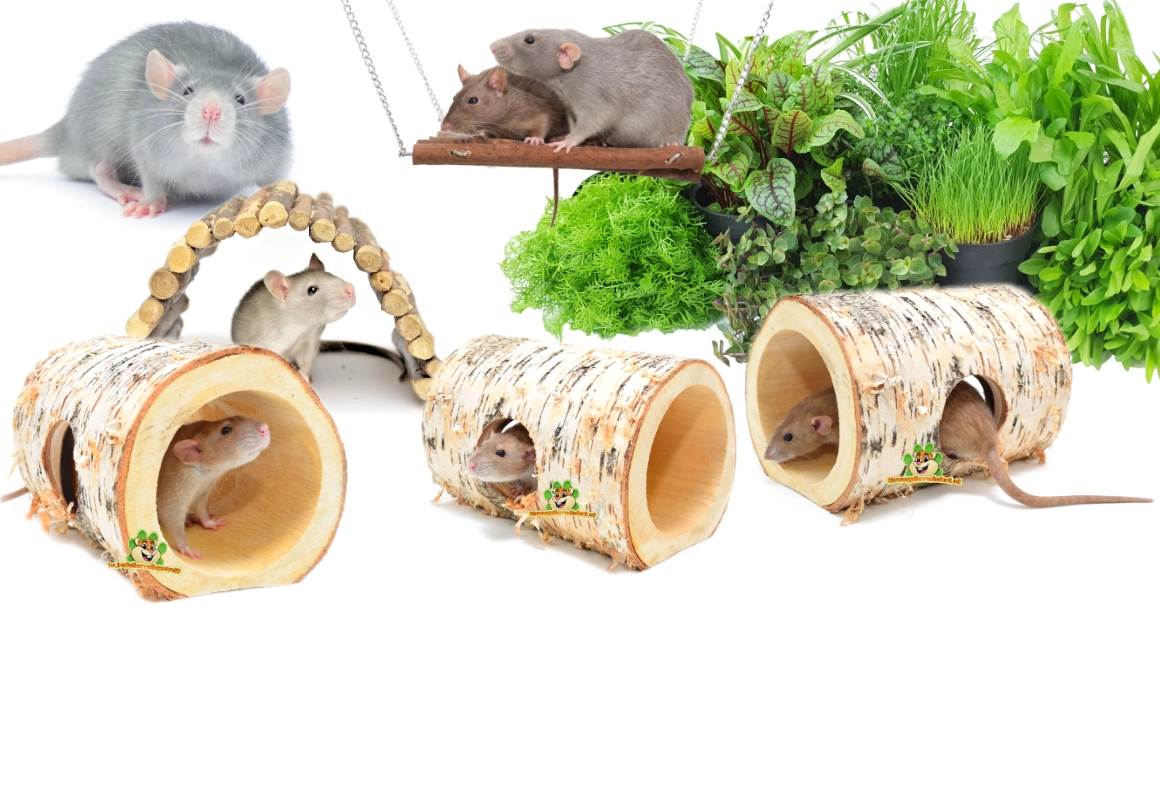 Ratscaping is the natural and thoughtful design of a rat cage, with more attention to behavior, routes, digging spots, hiding, climbing, sniffing, and exploring. Rats are intelligent, social animals that enjoy exploring and using their environment. Therefore, when it comes to Ratscaping, DRD looks not only at a “beautiful natural cage,” but primarily at function: what can your rats do with it, how does it stay clean, and how does it suit their sensitive airways?
DRD selects Ratscaping products that make natural furnishings practical: low-dust rat bedding , separate rat digging boxes , cork, wood, tunnels, platforms, hiding places, gnawing material, and foraging products. This way, you build a cage step by step where rats can walk, climb, dig, rest, gnaw, and search. Just starting out? Then a separate digging box, plant zone, or natural corner is often the easiest first step.
In short
✓ Ratscaping makes the rat cage more natural, active, and interesting with routes, hiding places, and digging zones.
✓ Low-dust bedding, ventilation, and hygiene remain the foundation, because rats have sensitive airways.
✓ Start simply with a digging bucket, tunnel route, cork piece, or natural corner, and then gradually expand.
Quick links
Why Ratscaping? · Choosing products · The basics · Digging bucket & humus zone · Routes & elevations · Maintenance · Checklist · Shopping routes · FAQ
Natural behavior
Ratscaping gives rats more to do: walking, climbing, hiding, digging, sniffing, gnawing, and choosing routes.
Smart zones
With a digging zone, sleeping zone, feeding zone, and route zone, the cage becomes more organized and fun for your rats.
Practical setup
You don't have to rebuild the entire cage right away. Start with one natural corner and expand on what works well.
Why Ratscaping is such a good fit for pet rats
Rats are active social animals. They use their cage not only to eat and sleep, but also to explore, forge routes, follow one another, climb, gnaw, and rest in various spots. Ratscaping aligns with this by giving the cage more functions.
A good Ratscaping setup is not only beautiful to look at, but above all logical for the animals. A tunnel becomes a route, a piece of cork becomes a hiding place, a digging box becomes a sniffing and searching zone, and a platform becomes a staging post. This creates a cage where your rats can make their own choices.
For rats, the practical aspect is especially important. They have sensitive airways, often use designated urination spots, and are very resourceful with materials. Therefore, a good Ratscaping cage always combines natural furnishings with low-dust products, good ventilation, excellent hygiene, and sturdy placement.
Choosing ratscaping products: what to look for?
Choose ratscaping products based on function. Don't just ask “does this look nice?”, but more importantly: can my rats hide, climb, dig, gnaw, sniff, or rest with this? And can I keep it clean easily?
- Choose low-dust bedding as a fresh base for the cage.
- Choose a digging box or humus zone if you want to add digging and sniffing.
- Choose cork, wood, tunnels, and hiding places for routes and shelter.
- Choose platforms and ladders to use height safely and logically.
- Choose gnawing material and foraging products for extra activity.
- Choose materials that are stable, easy to inspect, and fit your cleaning routine.
Do you want to learn how to build it step by step first? Then also read Ratscaping for Beginners and Rat Cage Buying Guide .
The basis of Ratscaping: airways, hygiene, and structure
The foundation of Ratscaping is a healthy, practical cage. This means: low-dust bedding, sufficient ventilation, dry resting places, easy-to-check urine spots, and a sturdy setup. Only then do you add extra natural materials, digging zones, and decoration.
- Use low-dust bedding that absorbs moisture well.
- Ensure that air can circulate and that the cage does not become stuffy or damp.
- Create clear zones: sleeping, digging, eating, drinking, playing, and the toilet.
- Use toilets and pee pads in places where your rats often urinate.
- Check natural materials for moisture, odor, and gnawing damage.
- Keep drinking water, feeding spots, and routes easily accessible.
Useful basic routes are Rat Bedding , Rat Toilets , Rat Pee Mats , and Rat Care .
Excavator bucket, humus zone or natural corner
A digging box is often the easiest way to start Ratscaping. You create one clear zone where rats can sniff, dig, search, and explore. This is more organized than changing the entire substrate at once, and you can clearly see how your rats use it.
Humus can also be used as the sole bedding, but that is more suitable for experienced owners. Moisture, ventilation, stability, and maintenance must then be closely monitored. For beginners or first-time use, a separate digging box, humus corner, planting zone, or natural sniffing zone is usually more practical.
- Start with a separate digging box when you want to test how your rats react.
- Use a sturdy container that does not easily tip over or get emptied.
- Check humus and natural materials for moisture, odor, and mold growth.
- Combine a digging zone with tunnels, cork, foraging products, or herbs.
- Keep the digging zone away from drinking holes to prevent wet soil.
- Refresh or maintain the zone when it becomes too wet, dirty, or unstable.
Practical tip
✓ Start with one digging box or natural corner; this way, you can calmly discover what your rats actually use.
✓ Scatter a few small pellets, herbs, or dried vegetables in the digging zone to encourage searching behavior.
✓ Keep digging zones airy, dry enough, and easily inspectable.
Routes, heights, and hiding places in a Ratscaping cage
Ratscaping truly comes into its own when the cage feels logical. Rats like to use routes: from the bottom to the platform, from the tunnel to the hammock, from the house to the feeding area, and from the digging box to the hiding place. By placing items smartly, you make the cage more active and easier to navigate.
- Use tunnels and tubes as safe routes through the cage.
- Use platforms and ladders as intermediate stations at height differences.
- Place houses and shelters in quiet, stable places.
- Use cork, wood, and natural materials as structure and shelter.
- Create multiple routes so that rats can pass each other.
- Ensure that drinking points, feeding areas, and toilets remain accessible.
For routes and heights, combine Ratscaping nicely with Rat Tunnels & Tubes , Rat Platforms & Ladders , Rat Hammocks , and Rat Houses .
Maintaining ratscaping: keeping it natural and practical
A natural rat cage remains most pleasant when you can maintain it properly. Rats can move materials, gnaw, mark their territory, and choose designated urination spots. Therefore, check not only whether the setup remains attractive, but especially whether it stays dry, fresh, stable, and safe.
- Remove wet bedding and old food remnants in time.
- Check cork, wood, tunnels, and houses for moisture, odor, and gnawing damage.
- Keep digging zones aerated and refresh them when they become too wet or dirty.
- Use toilets and pee pads to make it easier to keep designated urination spots clean.
- Check that platforms, ladders, and tunnels remain firmly in place or suspended.
- Feel free to adjust the layout when you notice that a zone is not working effectively.
For cleaning and practical hygiene, you can go to Cleaning a Rat Cage .
Checklist: how to build Ratscaping in a practical way
✓ The base is low-dust, fresh, and well-ventilated.
✓ There are clear zones for sleeping, digging, eating, drinking, playing, and the toilet.
✓ Your rats can choose routes via tunnels, platforms, ladders, and hiding places.
✓ A digging bucket or humus zone is stable, controllable, and not too wet.
✓ Natural materials are firmly placed and easy to inspect.
✓ The setup remains practically easy to clean and is adjusted when your rats need something different.
Handy shopping routes for Ratscaping and natural interior design
Ratscaping works best when you combine products based on function: substrate, digging, routes, shelter, gnawing, and foraging. With these routes, you can quickly create a logical, natural layout.
Soil & excavation zone
Start with a low-dust base and add a separate digging bin or natural sniffing zone.
Routes & shelter
Create natural routes with tunnels, platforms, small houses, cork, and wood.
Gnawing & foraging
Add natural activity with gnawing material, herbs, snacks, and foraging toys.
Rat Chewing Material
Rats Playing & Foraging
Rat Herbs and Seeds
Learn more about Ratscaping and a rat cage selection guide.
Do you want more guidance on natural landscaping, digging zones, and maintenance? These information pages align well with this category:
FAQ – frequently asked questions about Ratscaping for rats
What is Ratscaping?
Ratscaping is the natural and functional arrangement of a rat cage. You work with zones, routes, digging spots, hiding places, natural materials, gnawing material, and foraging areas, so that rats have more to do in their cage.
How do you get started with Ratscaping?
Start simply with one natural corner, a digging box, a tunnel route, or a piece of cork. Watch how your rats use it and then gradually expand. This keeps things manageable and practical to keep clean.
What type of bedding do you use for ratscaping for rats?
Choose a low-dust bedding that absorbs moisture well and is suitable for sensitive rat airways. To encourage extra digging, you can add a separate digging box, humus zone, or plant zone.
Can humus be used as bedding for rats?
Humus can also be used as a complete bedding material, but that is primarily suitable for experienced owners. For most starting situations, a separate digging box, humus corner, or planting zone is more practical, as you can control moisture, ventilation, and maintenance more easily.
Is Ratscaping the same as making a beautiful natural cage?
Not entirely. A beautiful cage is nice, but Ratscaping is primarily about function. Your rats need to be able to hide, climb, dig, gnaw, forage, and choose routes. Ideally, beauty and practicality go hand in hand.
How do you keep a Ratscaping cage clean?
Work with clearly defined zones, remove wet spots promptly, and regularly check natural materials for moisture, odor, and wear. Toilets, pee-mats, and low-dust bedding make maintenance much more manageable.
DRD selects Ratscaping products that combine natural behavior and practical care.
At DRD Knaagdierwinkel®, we view Ratscaping as more than just natural decoration. A good Ratscaping cage helps rats do what they are good at: exploring, climbing, hiding, gnawing, sniffing, digging, and using routes together. At the same time, the cage must remain fresh, dust-free, and easy to maintain.
Undecided between bedding, humus, digging boxes, cork, tunnels, platforms, houses, or foraging products? Then check out the Ratten Webshop or contact us via Service & Contact . We are happy to help you decide.
✓ Ratscaping for rats: natural design, digging zones, tunnels, wood, cork, and enrichment
✓ Smartly combines with bedding, digging boxes, houses, tunnels, platforms, gnawing material, and foraging
✓ Specialist since 2011
✓ Ordered before 17:00, shipped the same day from our own stock
