 Polski

Mouse cages & terrariums – safe, spacious and escape-proof for colored mice
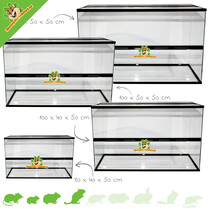
The Black Scape Gerbilarium Terrarium is ideal for "Hamsterscaping," for example. Thanks to the high rim, a lot of bedding can be used, in which the small rodents can then burrow. The terrarium is suitable for small rodents such as mice and dwarf hamsters
Read more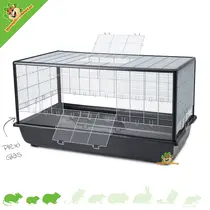
The Savic Aura 120 Plexi is a spacious 120 cm hamster cage with extra-high plexiglass walls. It's a suitable size for hamsters and ideal for keeping things organized, maintaining them, and providing bedding.
Read more
Looking for a spacious and elegant cage for your mouse or rat? The Savic Argus 120 Plexi Small Animal Home is the perfect choice for modern animal lovers who value both style and functionality. With dimensions of 118 x 64 x 94 cm, this cage offers plenty
Read more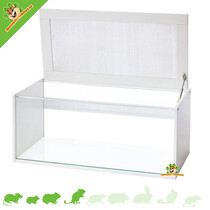
Stylish glass/wood terrarium of approx. 96 × 47 × 40 cm with high glass walls, double ventilation, and a top lid with a gas spring. For mice, dwarf hamsters, hamsters, and gerbils.
Read more
Mouse cages – safe, spacious & escape-proof for colored mice
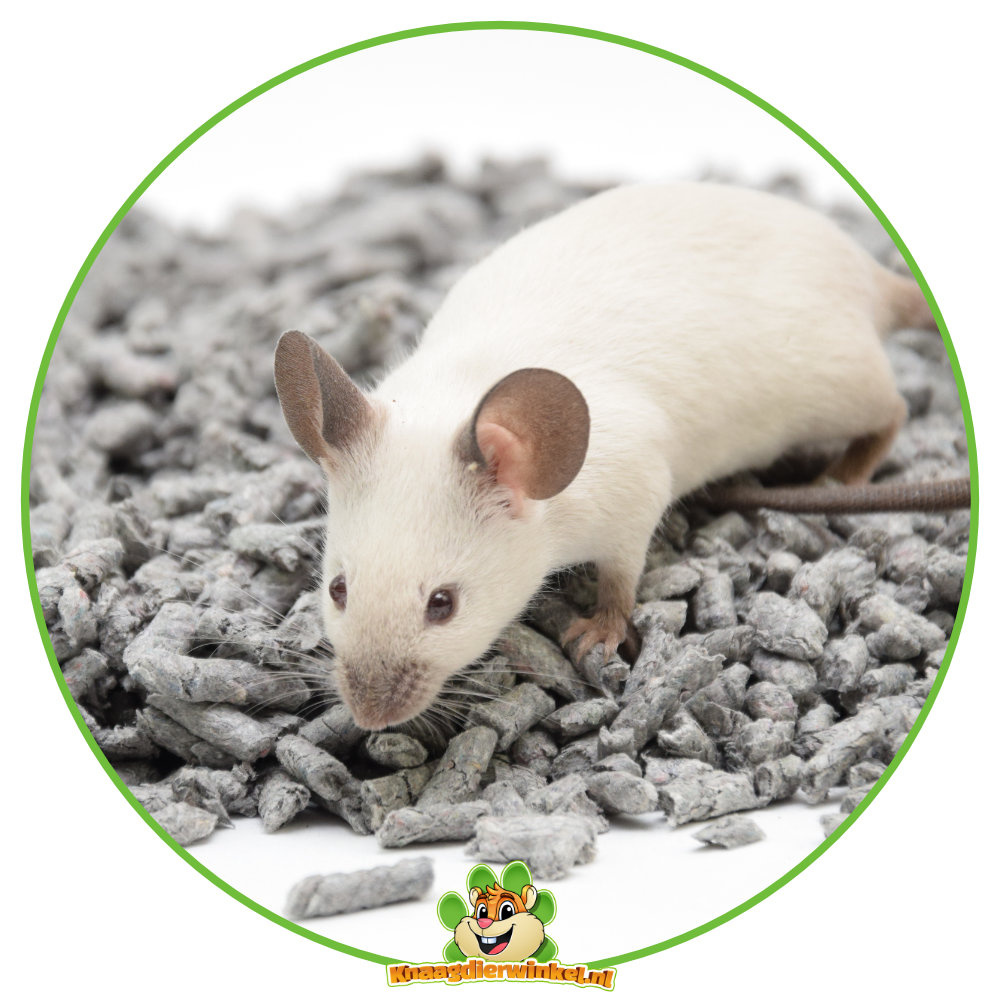 A good mouse cage is above all: safe (no escape routes), spacious enough for a group, and cleverly designed for climbing, running, and hiding. In this category, you'll find mouse cages and terrariums that match the natural behavior of (colored) mice: active, curious, and surprisingly athletic. Below, you'll also find practical selection help, including species information (colored mice, African pygmy mice, edible dormouse) and considerations for other mouse species, such as spiny mice and voles.
Mice are small, fast, and find openings where you least expect them. Pay attention to bar spacing , latches, and cracks. Always combine your cage with safe cage accessories (such as mounting and fixtures) for a reliable setup.
Mice are social animals and use their cages intensively. Space, multiple hiding places, and a smart layout make all the difference. Add plenty of houses and nesting material right away, so each animal has a choice.
Mice love to climb. Create levels and routes with platforms and ladders , tunnels , and a safe exercise wheel . This way, you can utilize the height and prevent boredom.
Which mouse cage suits your situation?
In practice, there are generally two safe options: a terrarium/aquarium with fine-mesh grilling or a cage with very small bar spacing and reliable locking mechanisms. Ideally, choose an enclosure that can be easily divided into zones: a digging and hiding area at the bottom and climbing routes at the top.
- Terrarium (glass/plexiglass) with a fine-mesh grid – often the most escape-proof and ideal for a deep substrate layer.
- Cage with small bar spacing – works well if the spacing is really small and there are no gaps around doors/hatchways.
- Ventilation & location – place the enclosure out of direct sunlight and away from heat sources; fresh air without strong drafts is ideal.
Tip: Combine the cage directly with a good base of bedding , food bowls and drinking bottles/water bowls so that your set-up is immediately complete.
Guidelines & sizing: practical choice (including mouse species)
For (colored) mice, the following applies: space + safety + group housing . As a guideline, an enclosure for 2–4 mice requires at least 75 x 40 x 40 cm . If you have more animals, then allow for additional surface area. Also, ensure a fine-mesh cover is provided for tanks/terrariums: mice can jump high.
Mouse Species (and What They Mean for Your Cage):
- House mouse (colored mouse) – active, likes to climb, and prefers to live in groups. Read more: Colored mouse information .
- African pygmy mouse – even smaller and incredibly fast; choose extra "crack-free" and with very fine openings/mesh. Read more: African pygmy mouse information .
- Edible dormouse – a dormouse with its own unique behavior and needs; choose plenty of climbing opportunities and multiple nesting sites. Read more: Edible dormouse information .
- Spiny mouse – not a "classic" mouse; the habitat and climate may vary (more focus on hiding places, routes, and stable conditions).
- Vole behavior and care vary considerably; cage requirements and (in the Netherlands) regulations may differ.
Want to fine-tune your feeding and enrichment right away? Combine your cage with mouse food and play and foraging (so that mice aren't just "living" but are also challenged daily).
Furnishing & enrichment: how to really make the most of your cage
Mice are agile, love to climb, and enjoy hiding. A good cage setup includes safe routes, soft nesting areas, and a layer of bedding that quickly absorbs urine. Make it practical with:
- An absorbent, low-dust bedding as a basis: mouse bedding .
- Multiple hiding places (not one house for the whole group): houses and tunnels .
- Heights & routes with platforms, ladders and climbing options: platforms & ladders .
- Resting place at the top (many mice like to sleep higher up): hammocks .
- Exercise with a safe, spacious running wheel with a closed running surface: mouse running wheels .
Maintenance & hygiene: keeping fresh without stress
- Work in zones : a “toilet/pee area” is easier to maintain than constantly turning the whole cage over.
- It's best to clean houses and accessories with mouse-friendly, practical cleaning routines (wipe regularly, let dry thoroughly).
- Bedding : Remove wet corners more quickly and refill. This keeps the cage fresher and more pleasant.
- Make feeding and watering hygienic with properly placed food bowls and drinking solutions .
Checklist: Choosing a Mouse Cage in 1 Minute
Before you order, please review this list:
✔ Sufficient size (space for a group)
✔ Escape-proof (bar spacing, gaps, locks)
✔ Good ventilation without draughts
✔ Possibility for multiple hiding places & routes
✔ Complete set-up: ground cover, nest, wheel, tunnels
✔ Easy to keep clean (zones, materials, access)
Safety warnings
- Avoid slatted floors and unprotected heights without a fall arrester (hammock/platform). Safe climbing = fun climbing.
- Place heavy parts in a stable position (preferably resting on the ground) so that they cannot shift while digging.
- Choose a wheel without spokes and with a solid running surface. This is safer for their tails and paws.
- Are you concerned about your pet's behavior, stress, or health? Contact a veterinarian with experience working with rodents.
FAQ – Frequently Asked Questions about Mouse Cages
Is a terrarium better than a barred cage for mice?
Often, yes, because a terrarium with fine-mesh grid is easier to make escape-proof and allows for deep substrate. A cage is also an option, provided the bar spacing and locking mechanisms are truly suitable.
How many mice can I keep in one cage?
Colored mice prefer to live in groups. Provide your cage with sufficient space, multiple hiding places, and food and water stations. Larger groups primarily require more surface area, more hiding places, and more "routes."
What kind of mouse do I have – does it matter?
Yes. Painted mice are the "classic" pet mice. African pygmy mice are much smaller (extra escape-proof). Dormice , spiny mice , and voles differ in behavior, and (in the Netherlands) regulations can also differ. Read more at: Painted mouse , African pygmy mouse , dormouse .
What else do I need besides the cage?
Consider ground cover, houses, nesting materials, a safe running wheel, tunnels, and foraging enrichment. Start practical with mouse kits or supplement them specifically using the mouse categories.
Why buy mouse cages from DRD Rodent Shop®?
✔ Specialist since 2011
✔ Ordered before 5 PM = shipped the same day
✔ Delivered from our own stock
✔ Smartly selected range for well-being & safety
