 Polski

Nesting material for Hamsters & Dwarf Hamsters – safe, soft and natural

Premium nesting material made of cotton and fleece. Super soft, colorful, and suitable for nest-building rodents or as a soft resting spot.
Read more
Premium nesting material made of cotton and fleece in cheerful colors. Super soft, absorbent, and decorative for rodents and rabbits.
Read more
Nesting material made of 100 percent pure natural hemp fiber for rodents and birds. Mini-Hemp Soft offers protection against draughts and provides a woolly warmth. Due to the unique properties of hemp fiber, the nest stays dry and free of odors for longer
Read more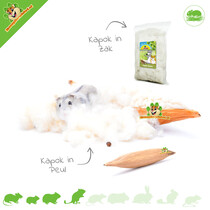
Natural, soft nesting material for small rodents such as hamsters, dwarf hamsters, mice, and gerbils. Available as kapok pods or loose kapok fibers.
Read more- Voor 17 uur besteld, dezelfde dag verzonden!
- Rodent specialist since 2011
- Dispatched from our own stock

100% natural and unprocessed kapok nesting material for mice, dwarf hamsters, hamsters, and gerbils. Soft, warm, and suitable for animals that build nests.
Read more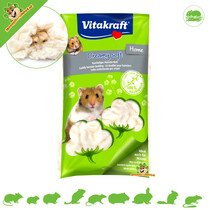
FOR YOU Dreamy soft is nesting material made from particularly cuddly soft cotton. The 100% natural material protects the animal against drafts and provides warmth. Also suitable for mice. cozy bed for hamsters and mice Made from 100% pure cotton = no syn
Read more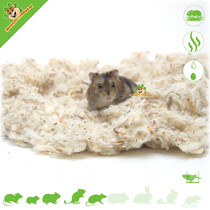
Soft cotton nesting material for mice, dwarf hamsters, hamsters, and gerbils. Airy, natural, and ideal to offer in small tufts for a warm and cozy nest.
Read more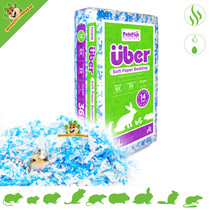
Discover the comfort of our cozy, soft shredded paper cover, which is food safe and nestable. Our award-winning Über products are high quality, natural and environmentally friendly. With 14-day odor control they distinguish themselves from the competition
Read more- Voor 17 uur besteld, dezelfde dag verzonden!
- Rodent specialist since 2011
- Dispatched from our own stock
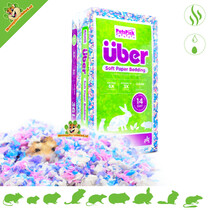
Discover the comfort of our cozy, soft, food-safe, nestable shredded paper bedding. Our award-winning Über products are high-quality, natural, and eco-friendly. With 14-day odor control, they stand out from the competition. This bedding is ideal for gerbi
Read more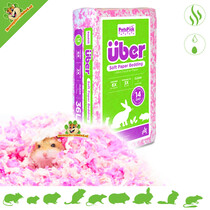
Discover the comfort of our cozy, soft shredded paper cover, which is food safe and nestable. Our award-winning Über products are high quality, natural and environmentally friendly. With 14-day odor control they distinguish themselves from the competition
Read more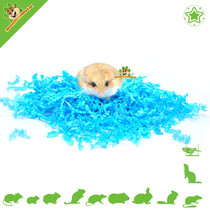
Soft crinkle paper as nesting material, play layer, and foraging layer for rodents, rabbits, birds, and ferrets. Rustling, airy, and fun for hiding snacks.
Read more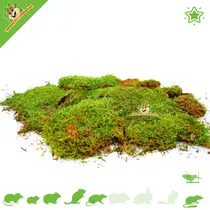
A unique and natural nesting material for your rodent! The moss is dried and gives the rodent enclosure a natural look. It is 100% safe for rodents.
Read more- Voor 17 uur besteld, dezelfde dag verzonden!
- Rodent specialist since 2011
- Dispatched from our own stock

Dried moss for hamsterscaping and gerbilscaping. Ideal as a natural decorative layer, an accent around tunnels, platforms, and hiding places, or as a soft texture in a scape.
Read more
Rustling paper material as nesting material, play layer, and foraging layer for rodents, rabbits, birds, and ferrets. Fun to hide snacks in.
Read more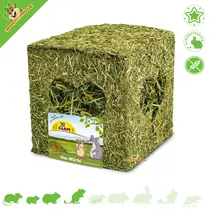
Natural hay cube made of mountain meadow hay with mealworms. Great as a snack cube, hiding place, and foraging item for hamsters, mice, gerbils, and other mixed-feeding rodents.
Read more
Natural grass nest for mice, hamsters, pygmy rats, rats, and degus. Can be used as a hiding place, playhouse, gnawing nest, or natural landscaping element.
Read more- Voor 17 uur besteld, dezelfde dag verzonden!
- Rodent specialist since 2011
- Dispatched from our own stock
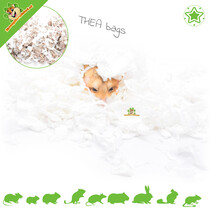
This bedding is made of wonderfully soft paper flakes. High-quality recycled paper makes this bedding/nesting material unique, highly absorbent, and also very fun to play in and build nests in. The paper is dust-free and super absorbent!
Read more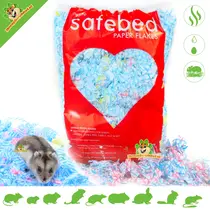
Soft colored paper flakes of 10 liters for bedding, digging box, or nesting material. Absorbent, lightweight, and suitable for small and larger rodents.
Read more
Bulk pack of soft colored paper flakes of approx. 25 liters. Ideal as nesting material, soft top layer, sniffing filler, or decorative scaping accent.
Read more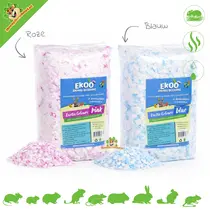
Soft bedding/top layer made from tea bags and colored fleece scraps (waste from baby clothes). Ideal as a pop of color in hamster scaping, gerbil scaping, and rat scaping, and as a cozy nesting or burrowing layer. 20 liters.
Read moreHamster nesting material for hamsters and dwarf hamsters
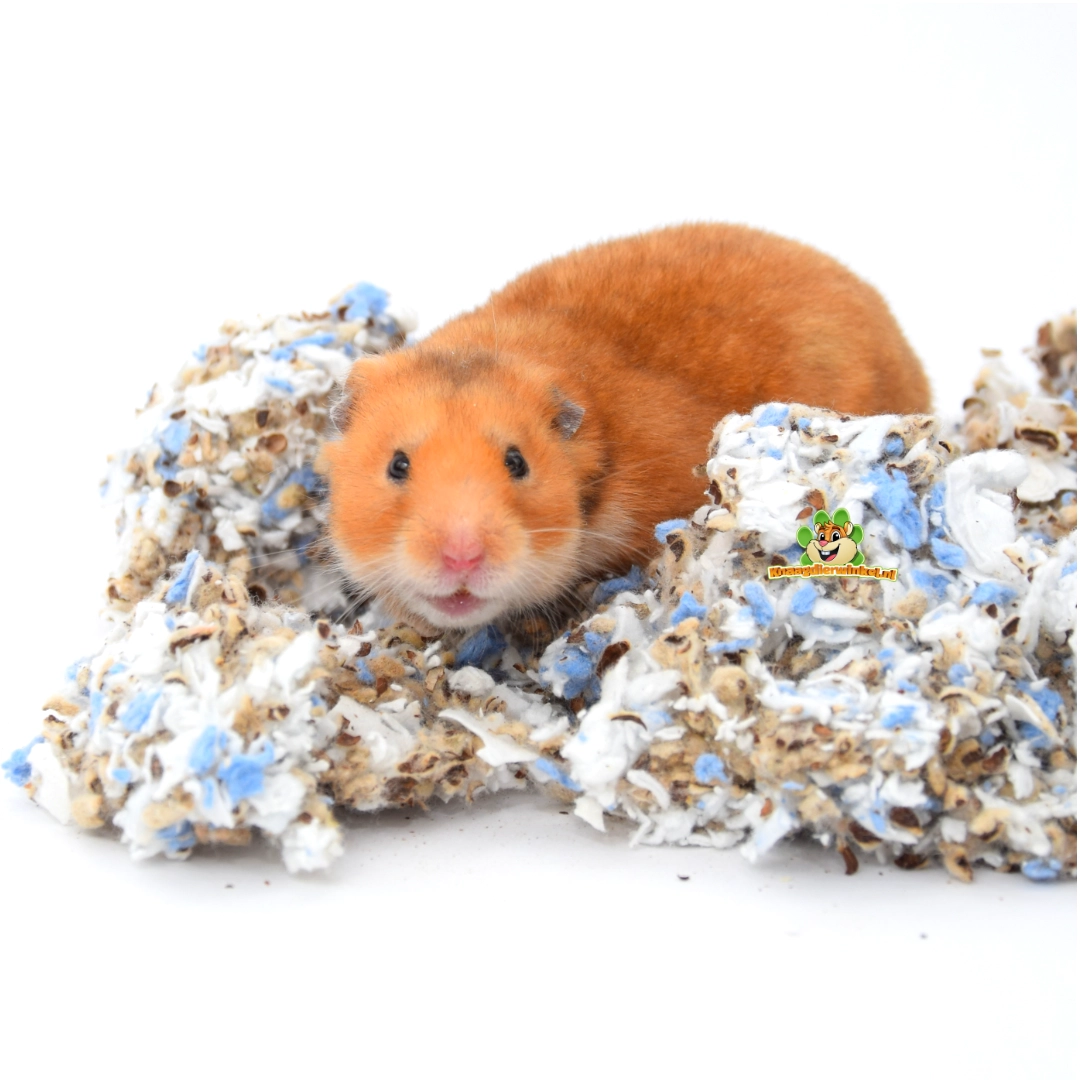 Hamsters and dwarf hamsters are true nest builders . In the wild, they line their sleeping areas with soft materials so they can rest warm, safe, and out of sight. With good nesting materials, you give your hamster the freedom to build its own nest – exactly as it should be.
At DRD Rodent Shop® , you'll find nesting materials that complement natural behavior and provide practical care. We select nesting materials based on safety, structure, and ease of use. Specialists since 2011.
Selection guide: which nesting material suits your hamster?
Your hamster will ultimately decide for itself what it likes best, but with these rules of thumb you can make the right choice more quickly:
- Dwarf hamsters often prefer light and airy nesting material (paper, soft fibres) and use it to create a compact bedroom.
- Syrian hamsters (golden hamsters) usually need more volume: a generous portion of soft material + possibly a slightly firmer structure for the outer layer.
- Active builders often do well with a combination: soft inside (paper/cotton) + structure outside (e.g. hemp/grass).
- Hamsterscaping : work with zones. A deep digging zone (bedding), a quiet sleeping zone (house + nesting material), and a "route" with tunnels/hiding places. See also Hamsterscaping .
Tip: A good home makes nesting material even more valuable. Also check out our hamster homes .
Types of nesting material in brief (and what they are good for)
- Paper (flakes/shavings/crinkle) – soft, easy to shape and ideal as a base for the sleeping nest.
- (Animal-safe) cotton nesting material – extra soft for the inside of the nest. Note: Do not use household cotton; choose material intended for animals.
- Hemp nesting material – somewhat firmer, breathable and fine for structure or as an "outer layer" around the nest.
- Kapok – very soft and popular with many hamsters as a “blanket” in the nest (offer it sparingly and combine with paper for volume).
- Grass nests/igloos – a combination of shelter and nesting feeling; great as an extra resting spot in the enclosure.
- Dried moss – especially popular in natural themes and hamster scaping. See also moss .
Want to use hay as an outer layer? You can. We have a comprehensive overview of hay in our Hamster Hay, Herbs & Seeds section .
How much nesting material does a hamster need?
A practical guideline to start with is 15–25 grams of nesting material in the enclosure. After that, top up as needed . Some hamsters move a lot and "process" it quickly, while others use the same base material for weeks and move around more frequently.
- Dwarf hamster: a generous handful of soft material + refill weekly if necessary.
- Golden hamster: 1–2 handfuls of soft material + refill weekly if necessary (more volume is often welcome).
How to offer nesting material smartly (without hassle)
- Set up a base in or near the sleeping cabin (or in a quiet corner of the digging area).
- Give a choice : offer two textures (e.g. paper + a bit of hemp/kapok) and see which your hamster prefers.
- Let your hamster build : nest building is a behavioral trait. Spread some of it throughout the enclosure so it can drag it along and "arrange" it.
- Connect to zones : combine with a diggable hamster bedding and safe hiding places.
Maintenance & hygiene: what works best?
- Spot cleaning is the basis: remove soiled areas (e.g. damp litter or corners where urine has been collected).
- Don't replace everything in the bedroom at once : leave a small, clean section so it remains "familiar."
- You can keep wooden houses fresh with an enzyme cleaner, such as products under urine spray (useful for stains and odors).
- Check weekly: is the nest dry, airy, and clean? If so, refilling it is often sufficient.
Safety choices for nesting materials
- Preferably choose nesting material that is intended for hamsters (soft, easy to shape and suitable for nest-building behaviour).
- We avoid synthetic hamster/household cotton wool , as fibres can be inconvenient if not suitable for animals.
- It is best to avoid using scented materials, heavily printed tissues, or craft materials containing glue or ink.
- Always check for loose wires, sharp edges, or parts that don't fit when gnawing/searching.
Frequently asked questions about hamster nesting material
What is the difference between nesting material and ground cover?
Nesting material is for the bedroom: soft, malleable, and designed to build a nest. Bedding forms the foundation of the enclosure: for digging, absorption, and a hygienic substrate. Together, they provide the most natural result. See also hamster bedding .
Is hay suitable as nesting material?
Yes, especially as an outer layer or extra insulation. Many hamsters use hay to create a "roof" or wall around their nest. You can find hay at Hamster Hay, Herbs & Seeds .
Which nesting material is the most popular?
In practice, many hamsters prefer paper as a base (easy to shape) and something extra soft for the inside of the nest. A combination often works best.
Should I provide different nesting material in summer than in winter?
Your hamster will largely manage this on its own. It's wise to occasionally offer two textures (e.g., paper + a bit of kapok/hemp), so your hamster can choose what feels comfortable at that moment.
How often should I replace nesting material?
Replace any dirty or damp parts and refill with clean material. A complete "nest reset" is usually unnecessary and can cause disruption.
Order nesting materials easily from DRD Rodent Shop ® – with a focus on well-being, safety, and practical design. Specialists since 2011.

