Polski



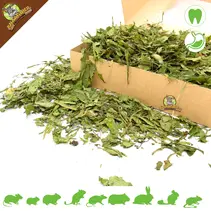
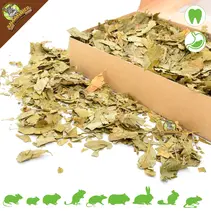
Dried Pear Leaves Coarse
- Buy 2 for €2,84 each and save 5%
- Dispatched from our own stock
- Personal & expert advice
- Always 100% rodent-friendly
- In stock soon!
Rodent Grocer Dried Pear Leaves
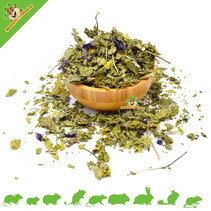
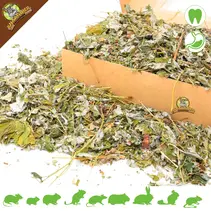
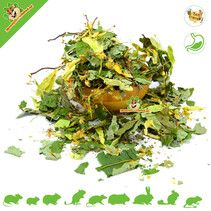
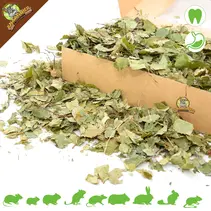
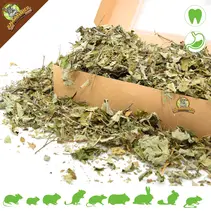
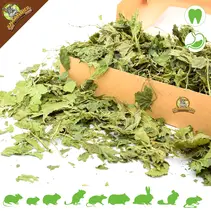
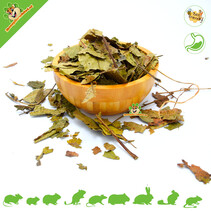
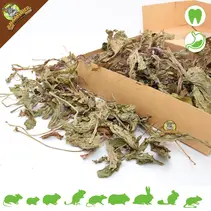
Dried pear leaves make a delicious, crunchy leaf topping to make hay, a feeding area, or a foraging area just a little more interesting. You can scatter them loosely throughout the enclosure, mix a small amount into hay, or hide them in a toy for your pet to sniff and search. They're also great as a "leaf texture" in hamster and gerbil scaping.
- Leaf topping for hay, foraging area or "sniffing corner"
- Nice as a variation in smell, taste and structure
- Use: sprinkle, hide or mix with other leaves/herbs
- Packaging: 100 grams, 500 grams and 1 kg
✔ Crispy leaf texture for browsing and foraging
✔ Handy as a topping for hay or in enrichment
✔ Natural variety in the daily menu
Why dried pear leaves?
Many animals get extra excited about having something to do with their food. Leaves provide texture and scent, making it easy to create a foraging opportunity without changing the basic diet. For example, sprinkle a small amount through the hay or place a few leaves in a fixed spot in the enclosure so your animal can choose, sniff, and search.
How to use pear leaves
- As a topping: sprinkle a small amount over hay or in a manger/hay bag.
- For foraging: hide among bedding or in a foraging toy.
- As a “leaf zone” in hamster scaping/gerbil scaping: a few leaves as natural decoration.
- Alternating often works best: combine with other leaves or herbs.
Compound
Dried pear leaves.
Good to know
- Use leaves as a supplement and variation, not as a replacement for hay or staple food.
- Start with a small amount, especially for animals that are not yet familiar with this.
- Store in a dry, dark place; moisture can reduce quality.
Save
Store dried leaves in a dark, dry, and well-ventilated place. Moisture is detrimental to their quality and can cause mold growth.
FAQ
Which animals are dried pear leaves suitable for?
Leaves are often used as a topping and enrichment for rabbits and many rodents. Not sure if it's right for your pet or situation? Feel free to send us a message via the service page.
How often can I give leaves?
Think of it as variety: a small amount a few times a week works well for many animals. Alternating with other leaves/herbs keeps things interesting.
Can I mix this with hay?
Yes, that's actually a great way to encourage foraging. Sprinkle a little bit into the hay or create a layer on the hay patch.
Does this fit in hamsterscaping or gerbilscaping?
Absolutely. Leaves create a natural look and offer extra opportunities for sniffing and searching. Use them primarily as decorative enhancements and vary the mix to keep things interesting.
Useful shopping links
| Content (approx): | 100 grams | 500 grams | 1 kg |
| Composition: | pear leaves |
| Analysis: | - |
| Promotes Foraging: | Yes |
| Suitable for: | Rodents, Mouse, Dwarf Hamster, Hamster, Gerbil, Rat, Guinea Pig, Rabbit |
| Type: | supplementary pet food |
| Particularities: | - |
| Disclaimer: | Not for food producing animals |