 Polski

Gerbil nesting material – safe, natural and suitable for building a warm nest together

Premium nesting material made of cotton and fleece. Super soft, colorful, and suitable for nest-building rodents or as a soft resting spot.
Read more
Premium nesting material made of cotton and fleece in cheerful colors. Super soft, absorbent, and decorative for rodents and rabbits.
Read more
Nesting material made of 100 percent pure natural hemp fiber for rodents and birds. Mini-Hemp Soft offers protection against draughts and provides a woolly warmth. Due to the unique properties of hemp fiber, the nest stays dry and free of odors for longer
Read more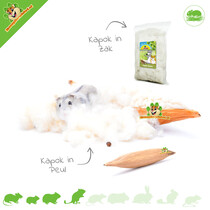
Natural, soft nesting material for small rodents such as hamsters, dwarf hamsters, mice, and gerbils. Available as kapok pods or loose kapok fibers.
Read more- Voor 17 uur besteld, dezelfde dag verzonden!
- Rodent specialist since 2011
- Dispatched from our own stock

100% natural and unprocessed kapok nesting material for mice, dwarf hamsters, hamsters, and gerbils. Soft, warm, and suitable for animals that build nests.
Read more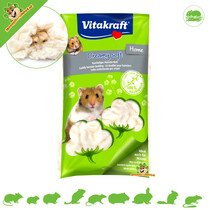
FOR YOU Dreamy soft is nesting material made from particularly cuddly soft cotton. The 100% natural material protects the animal against drafts and provides warmth. Also suitable for mice. cozy bed for hamsters and mice Made from 100% pure cotton = no syn
Read more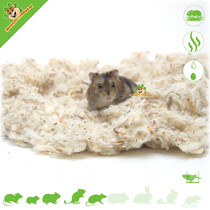
Soft cotton nesting material for mice, dwarf hamsters, hamsters, and gerbils. Airy, natural, and ideal to offer in small tufts for a warm and cozy nest.
Read more
Rustling paper material as nesting material, play layer, and foraging layer for rodents, rabbits, birds, and ferrets. Fun to hide snacks in.
Read more- Voor 17 uur besteld, dezelfde dag verzonden!
- Rodent specialist since 2011
- Dispatched from our own stock
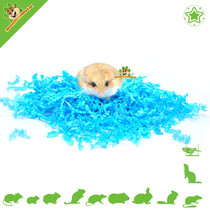
Soft crinkle paper as nesting material, play layer, and foraging layer for rodents, rabbits, birds, and ferrets. Rustling, airy, and fun for hiding snacks.
Read more
Bulk pack of soft colored paper flakes of approx. 25 liters. Ideal as nesting material, soft top layer, sniffing filler, or decorative scaping accent.
Read more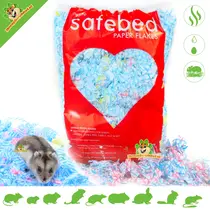
Soft colored paper flakes of 10 liters for bedding, digging box, or nesting material. Absorbent, lightweight, and suitable for small and larger rodents.
Read more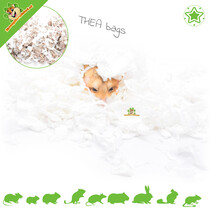
This bedding is made of wonderfully soft paper flakes. High-quality recycled paper makes this bedding/nesting material unique, highly absorbent, and also very fun to play in and build nests in. The paper is dust-free and super absorbent!
Read more- Voor 17 uur besteld, dezelfde dag verzonden!
- Rodent specialist since 2011
- Dispatched from our own stock

Natural grass nest for mice, hamsters, pygmy rats, rats, and degus. Can be used as a hiding place, playhouse, gnawing nest, or natural landscaping element.
Read more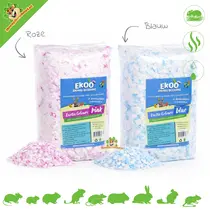
Soft bedding/top layer made from tea bags and colored fleece scraps (waste from baby clothes). Ideal as a pop of color in hamster scaping, gerbil scaping, and rat scaping, and as a cozy nesting or burrowing layer. 20 liters.
Read more
Gerbil nesting material – safe, natural and ideal for building a warm nest together
Gerbils are true builders : they love to drag materials to their favorite spot, create a nesting chamber , and prefer to sleep together in a sheltered burrow. With the right gerbil nesting material, you provide them with comfort and support natural behavior: collecting, shaping, hiding, and "arranging." In this category, you'll find nesting materials that are perfect for gerbils: safe , practical , and fun to build with.
At DRD Rodent Shop® , we select nesting materials based on ease of use and suitability for an active gerbil habitat. We've been specializing in rodents and rabbits since 2011 .
Choose a material that gerbils can drag, shape, and “arrange,” without sharp or unsuitable fibers.
View nesting material →
Gerbils usually build their nests in a burrow beneath the substrate. A good foundation makes nesting even more enjoyable.
Gerbil bedding →
Scatter small portions of nesting material throughout the enclosure or hide it in a tunnel: collecting = enrichment.
Play & Forage →
Choosing gerbil nesting material – quick selection guide
Want to keep it simple? Start with a paper nest (easy to shape and replace) and add a natural fiber for extra structure if needed. Gerbils often sleep together, so it's best to offer something a little more spacious so the group can "build" themselves.
1) Paper & fiber pulp (practical and clear)
- Paper flakes/paper fibres: easy to shape, relatively dust-free and quick to refresh.
- Crinkle paper: fun to drag, stack, and hide.
2) Natural fibers (for structure in the nest)
- Hemp fibre: gives body to the nest and combines well with paper.
3) Warmth & natural shelter options
- Kapok (offer short and well loosened): soft and warm as a supplement.
- Grass nests/grass igloos: natural, sheltered spots that gerbils like to adapt to their taste.
Tip : Don't change everything at once. Always leave a little bit of the "old nest smell" around, this keeps things familiar for the group.
What is gerbil nesting material?
Nesting material for gerbils is a material they can use to create a warm, sheltered sleeping area. Gerbils use it to line their nest chamber, partially screen an entrance, and shape the nest to their liking. The best nesting material is therefore soft , malleable , and suitable for daily use in an active habitat.
What types of nesting material are popular with gerbils?
- Paper nest (flakes/fibres/crinkle): quick to dispense, easy to replace and ideal for building.
- Natural fibers such as hemp: extra structure, especially nice in combination with paper.
- Natural nesting forms such as grass nests provide immediate shelter and enrichment.
How do you use nesting material in a gerbil enclosure?
- Place a basic portion in or near a house or near tunnels.
- Sprinkle a small portion spread out: gerbils like to collect it (extra activity).
- Replace wet or heavily soiled areas immediately; when replacing a large area, leave a small amount of old litter for identification.
Checklist – gerbil nesting material safe & practical
✔ Choose moldable nesting material (paper/fiber) that gerbils can build themselves.
✔ Combine with a good digging layer: nesting behaviour often occurs underground.
✔ Offer plenty of space for groups (sleeping together is normal).
✔ Remove wet or heavily soiled material immediately and refresh step by step.
✔ Watch out for loose long threads/fibers: remove them if you see them.
Safety
Introduce new nesting material slowly. Check regularly that the material remains dry and remove any soiled parts. If you notice any noticeable changes in behavior or condition, consult a veterinarian.
FAQ – gerbil nesting material
What is the best nesting material for gerbils?
For most gerbil enclosures, paper nesting materials (flakes, fibers, or crinkle) work best. You can supplement this with a natural fiber (such as hemp) or grass nesting material for added structure and shelter.
How much nesting material do gerbils need?
That depends on the group size and the enclosure. It's best to offer a larger area so the group can build and move independently. Refill when you see that everything has been "dragged" into the nesting chamber.
How often should I replace nesting material?
Replace wet or heavily soiled parts immediately. For the rest, gradually replacing the parts works best: this maintains familiarity and prevents unrest in the group.
✔ Safe nesting material for building, dragging and comfort
✔ Can be cleverly combined with ground cover, houses and tunnels
✔ Specialist since 2011
Order before 5 PM, shipped the same day | Delivered from our own stock | Specialist since 2011

