 Polski

Rat herbs and seeds – harvest, kernels & herbs for foraging and variety
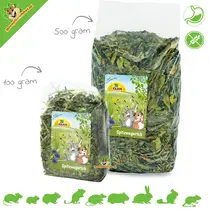
Supplementary green herb mix with 95% narrow-leaved plantain and 5% cornflower. Fragrant, natural, and fun to mix with hay or to give as a forage snack.
Read more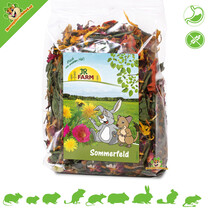
Additional summer snack mix with carrot, pea flakes, narrow-leaved plantain, marigold, sunflower, dandelion, hibiscus, and rose blossom.
Read more
Supplementary wheat field mix with spelt plant, millet, wheat plant, oat plant, marigold, sunflower, and cornflower. For rodents and rabbits.
Read more
Supplementary herb mix with parsley, oat and wheat flakes, beetroot, lucerne, narrow-leaved plantain, birch leaf, carrot, marigold and dandelion.
Read more- Voor 17 uur besteld, dezelfde dag verzonden!
- Rodent specialist since 2011
- Dispatched from our own stock
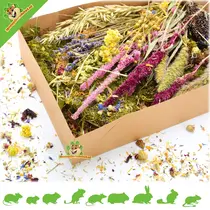
Summer harvest package with millet, ears of grain, amaranth, moss, and floral accents for hamsterscaping, gerbilscaping, foraging, and natural enrichment.
Read more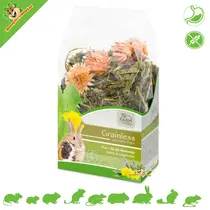
Grain-free herb mix with 87% dandelion, sage, peppermint, and immortelle. Fragrant in hay, as a snack, or as a forage mix.
Read more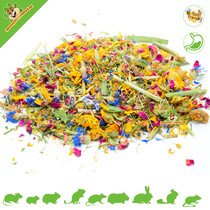
Greener flower and herb meadow mix with green oats, parsley stems, and blossoms. Ideal for enriching hay and stimulating natural foraging.
Read more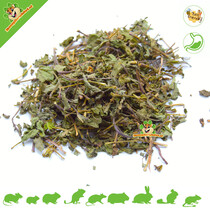
Dried peppermint leaves for rodents and rabbits. Fresh-smelling herb to enrich hay, mix with herbs, or scatter during foraging.
Read more- Voor 17 uur besteld, dezelfde dag verzonden!
- Rodent specialist since 2011
- Dispatched from our own stock
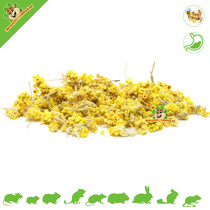
Dried yellow daisies for rodents and rabbits. Ideal for enriching hay, mixing with herbs, or scattering as a natural foraging opportunity.
Read more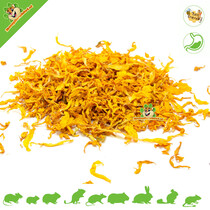
Sunflower Leaves 70 grams for rodents and rabbits. A natural leaf/blossom variety to enrich hay, scatter around, and stimulate foraging.
Read more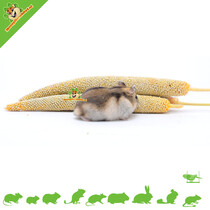
Natural pearl millet harvest for rodents, rabbits, and birds. Great for hamsterscaping, gerbilscaping, ratscaping, foraging, pecking, and harvesting seeds themselves.
Read more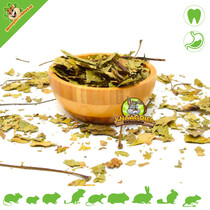
Dried hazelnut leaves for rodents and rabbits. Natural leaf variety to enrich hay, scatter around, and stimulate foraging.
Read more- Voor 17 uur besteld, dezelfde dag verzonden!
- Rodent specialist since 2011
- Dispatched from our own stock
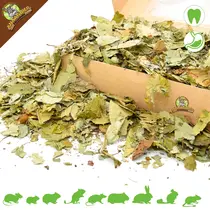
Crispy cherry leaves as a leaf topping for hay and foraging fun. Scatter them around, hide them, or mix a small amount into hay. For rabbits and rodents. Choose your weight.
Read more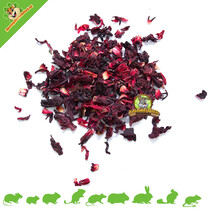
Dried hibiscus flowers for rodents and rabbits. Ideal for enriching hay, mixing with herbs, or scattering as a natural foraging opportunity.
Read more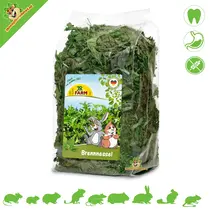
Supplementary green snack with dried nettle for rodents and rabbits. Fragrant, simple, and fun to mix into hay in small amounts.
Read more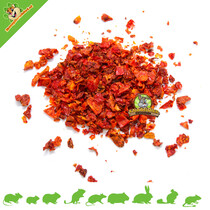
Dried tomato flakes as a colorful vegetable snack for rodents and rabbits. Tasty to nibble on, scatter around, and use while foraging.
Read more- Voor 17 uur besteld, dezelfde dag verzonden!
- Rodent specialist since 2011
- Dispatched from our own stock
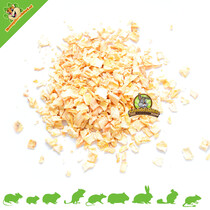
Dried celery cubes as a natural vegetable snack for rodents and rabbits. Tasty to nibble on, scatter around, and use while foraging.
Read more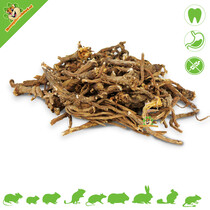
Natural dandelion roots for rodents and rabbits. Firm, spicy, and fun to nibble on, investigate, and hide in a sniffing spot.
Read more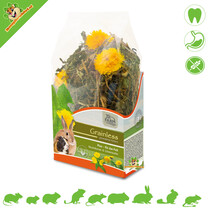
Grain-free herbal mix with 87% dandelion, peppermint, evening primrose, and everlasting flowers. Tasty in hay, as a herbal supplement, or as a forage mix for rodents and rabbits.
Read more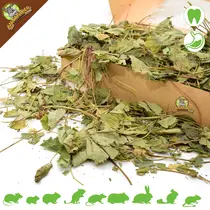
Dried strawberry leaves as a natural leaf variation for rodents and rabbits. Tasty mixed into hay, as a topping, or as a scatter mix for foraging.
Read more- Voor 17 uur besteld, dezelfde dag verzonden!
- Rodent specialist since 2011
- Dispatched from our own stock
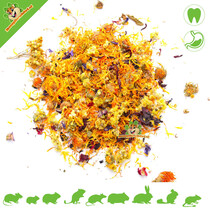
Colorful flower mix with hibiscus, calendula, immortelle, and black mallow. For hay enrichment, sniffing, and foraging.
Read more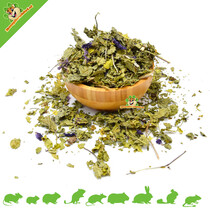
Dried mallow leaves for rodents and rabbits. Ideal as natural leaf variety, hay topping, or foraging material to scatter around.
Read more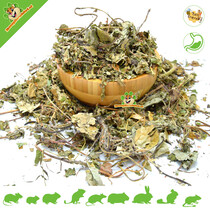
Dried Coltsfoot for rodents and rabbits. A natural herbal supplement to enrich hay, by mixing in herbal blends or scattering it around during foraging.
Read more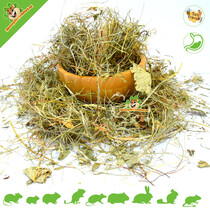
Dried Chickweed Herb for rodents and rabbits. Ideal for enriching hay, mixing with herbs, or scattering as a natural foraging opportunity.
Read more
Rat Herbs and Seeds – scattering, hiding, and foraging for pet rats
 Rat herbs and seeds are wonderful extras to make feeding pet rats more fun and natural. Think of seed mixes, kernels, ears, harvest, and fragrant herbs that you can scatter, hide, or offer in a foraging toy. That is why, when it comes to herbs and seeds, DRD does not look at grand nutritional promises, but rather at product role, dosage, foraging value, variety, and how to safely combine these extras with good rat food .
DRD selects herbs, seeds, and harvest products that suit rat behavior: sniffing, searching, plucking, gathering, and discovering small pieces. Use them, for example, in a rat digging box , mixed into rat bedding , in foraging toys , or as a small supplement alongside rat snacks and rat pellets . This provides variety without the extras taking center stage.
In short
✓ Herbs, seeds, kernels, and harvested produce are supplements to good rat food, not a staple diet.
✓ Ideal for scattering, hiding, and stimulating foraging behavior.
✓ Use seeds and kernels especially consciously, as some extras are richer in energy.
Quick links
Why herbs and seeds? · Choosing herbs & seeds · Types of extras · Foraging · Dosing & feeding · Storage & hygiene · Checklist · Shopping routes · FAQ
Variety alongside food
Herbs and seeds provide variety in aroma, taste, and texture. They are intended as a small supplement alongside the daily basic diet.
Perfect for searching
Small seeds, herb pieces, and harvested products are ideal for scattering, hiding, or using in a digging bucket.
Conscious dosing
Especially kernels, seeds, and richer mixes are better given as small foraging rewards rather than as a large portion in a food bowl.
Why herbs and seeds are fun for rats
Rats are curious omnivores who enjoy searching and selecting. Herbs, seeds, kernels, and harvested products fit in perfectly with this. You can create small foraging moments, add scents to the cage, and make your rats work for small extras. This makes feeding more interesting than just eating from a bowl.
The strength of this category lies primarily in enrichment and variety. A pinch of herbs in a digging box, a few seeds in a foraging toy, or a small harvest stalk to pluck can be enough to get your rats actively searching. Therefore, you do not need to provide large quantities to see a significant effect on behavior.
It is important, however, that herbs and seeds remain supplementary. The daily basis should consist of suitable rat food. Extras make the menu more fun and varied, but do not replace the main food.
Choosing herbs and seeds for rats: what to look for?
Choose herbs and seeds primarily based on their purpose. Do you want to add scent and variety? Then herbs or herb mixes are a good fit. Do you want your rats to forage? Then seeds, kernels, and scatter mixes are handy. Do you want to encourage plucking behavior? Then ears, harvested crops, and small bouquets are interesting.
- Choose herb mixes for scent, texture, and a little variety alongside the main food.
- Choose seeds and kernels primarily to scatter, hide, or as a small reward.
- Choose harvest, ears, or bouquets when you want to let rats pick or strip something.
- Use energy-rich seeds and kernels consciously and in small quantities.
- Distribute small extras across multiple locations when you have a group of rats.
- After foraging, check that no old, wet, or spoiled leftovers are left behind.
Do you want to set up the basic diet properly first? Then check out Rat Food or read the Rat Food Selection Guide .
What types of herbs, seeds, and harvest can you find here?
In this category, you will primarily find products used as supplements, search material, or for small variations. They each have their own role in feeding and enrichment.
Dried herbs and herb mixes
Dried herbs and herb mixes provide scent, texture, and variety. You can offer them in small quantities, scatter them in a sniffing area, or combine them with foraging material. At DRD, we describe herbs as nutritional and enrichment supplements, not as medical products.
Seeds and kernels
Seeds and kernels are popular for scattering and hiding. They are often small, fragrant, and attractive to rats. Because some seeds and kernels are high in energy, it is best to use them as small search rewards or as part of foraging.
Harvest, ears and bouquets
Harvest, ears of grain, and bouquets give rats something to peck at, strip, and investigate. You can safely hang them up, offer them in a fixed corner, or use them as part of a natural setup. Do check for moisture and contamination.
Scattering mixes and forage mixes
Scatter mixes are handy when you want to quickly create a foraging moment. Scatter a small amount through a clean digging box, through bedding, or in a foraging toy. This way, your rats have to use their noses and eating becomes an activity.
Herb pellets and compact extras
Herb pellets and compact extras are handy when you like to dose precisely. They are small, dry, and easy to hide. Are you specifically looking for pressed extras? Then also check out Rat Pellets .
Foraging with herbs and seeds
Herbs and seeds are very suitable for making foraging accessible. You don't need large portions. In fact, scattering small amounts often works best, because your rats then search longer and have to smell, choose, and explore more.
- Sprinkle a small pinch of herbs through a digging box or sniffing spot.
- Hide a few seeds or kernels in bedding or foraging toys.
- Hang a harvest stalk or ear of corn in such a way that rats can pick at it.
- Create several small searching spots near a group of rats.
- Use herbs and seeds as enrichment, not as a full bowl alongside the main food.
- Remove old, damp, or dirty residue in time.
You can find beautiful combinations at Rat Play & Foraging , Rat Digging Box , and Ratscaping .
Practical tip
✓ Use seeds primarily for searching, not as a large loose portion.
✓ In a digging bucket, crumbs, seeds, and herbs stay in one place better.
✓ With multiple rats, spreading them out helps them search together more calmly.
Dosing & feeding: small, conscious, and tailored to the menu
Herbs and seeds are supplements. The quantity depends on the type of product, the rest of the diet, and the condition of your rats. Seeds and kernels, in particular, can be high in energy. Therefore, it is advisable to use these extras as a small reward or for foraging activity, not as a large daily portion.
- Start with small amounts when giving a new mix.
- Use herbs primarily as fragrant variation or as sprinkling material.
- Use seeds and kernels judiciously, especially for rats that gain weight quickly.
- Give the harvest and ears of grain so that your rats can work on them, plucking or stripping them.
- Keep an eye on the total amount of snacks, pellets, seeds, and extras.
- Let rat food remain the core of the menu.
For more rewards, you can take a look at Rat Snacks . For pressed small extras, you can go to Rat Pellets .
Storage & hygiene of herbs, seeds and harvest
Dried herbs, seeds, and harvested products keep best when stored in a dry, cool, and sealed container. Moisture is their greatest enemy, as it can cause dried products to become musty or lose their fresh smell. Therefore, feed small portions and remove any old leftovers from the cage.
- Store herbs and seeds in a dry, cool, and tightly sealed place.
- Use a clean spoon or hand when scooping from the packaging.
- Give small amounts, so that little is left over.
- Remove products that have become damp, sticky, or musty.
- Check digging buckets and foraging areas for old remains.
- Hang harvested products so that they do not land directly in wet ground cover.
Good to know
✓ Herbs and seeds are nutritional and enrichment supplements, not medical products.
✓ We do not attribute any healing effect to herbs; a veterinarian should be consulted in case of health complaints.
✓ Use herbs and seeds as a nice addition to a complete diet.
Checklist: how to choose the right herbs and seeds
✓ You use herbs and seeds as a supplement alongside good rat food.
✓ You choose the product based on the goal: variety, foraging, picking, or rewarding.
✓ Seeds and kernels are portioned in small, deliberate amounts.
✓ You distribute small extras across multiple locations for a group of rats.
✓ Store dried products in a dry, cool, and sealed container.
✓ You remove old, wet, or musty-smelling leftovers from the cage in time.
Handy shopping routes for herbs, seeds, and foraging
Herbs and seeds work best when you make a clear distinction between basic feed, supplementation, and enrichment. With these routes, you can quickly create a logical combination.
Basic & supplement
Start with good rat food and use herbs, seeds, and pellets as small extras around it.
Reward & vary
Combine herbs and seeds with small snacks for contact, training, and variety.
Foraging & searching
Make searching more fun with scatter mixes, digging buckets, foraging toys, and natural trails.
Learn more about rat nutrition and enrichment
Do you want more guidance on basic feed, supplements, and active feeding? These information pages align well with this category:
FAQ – frequently asked questions about rat herbs and seeds
Are rats allowed to eat herbs and seeds?
Yes, herbs and seeds can be given as a small supplement alongside good rat food. Use them primarily for variety, rewards, and foraging. The daily basis remains appropriate rat food.
Are herbs healthy for rats?
Herbs can provide variety in scent, taste, and texture, but we do not use them as a medical solution. For health complaints, a veterinarian is the right route. View herbs primarily as nutritional and enrichment supplements.
How do you give seeds to rats?
It is best to scatter or hide seeds in small quantities. Use them, for example, in a digging box, mixed into bedding, or in foraging toys. This way, a small portion immediately becomes a fun search activity.
Aren't kernels and seeds too fatty for rats?
Some kernels and seeds are high in energy. Therefore, it is better to give them deliberately and in small quantities, especially to rats that gain weight quickly. Use them as a reward or a foraging activity, not as a large daily portion.
What is a harvest for rats?
Harvest consists of natural ears, stems, or bouquets that rats can pluck, strip, and examine. It is primarily fun as an activity and forage extra. Hang it up safely or offer it in a dry, inspectable location.
Can you use herbs and seeds in a digging box?
Yes, that is actually a nice way to use them. Sprinkle a small amount in a digging box or sniffing zone so that your rats have to search. Do check afterwards, however, to make sure no old or damp remnants are left behind.
DRD selects herbs and seeds that make foraging and variety easier.
At DRD Knaagdierwinkel®, we view herbs, seeds, and harvested produce as small, practical extras within daily care. They should not replace the basics, but rather add something: scent, texture, foraging fun, plucking behavior, and a fun way to keep your rats actively occupied.
Undecided between herb mixes, seeds, kernels, harvest products, pellets, or regular rat snacks? Then check out the Rat Webshop or contact us via Service & Contact . We are happy to help you decide.
✓ Herbs, seeds, kernels, and harvest for foraging and variety
✓ Smartly combines with rat food, snacks, pellets, digging boxes, and Ratscaping
✓ Specialist since 2011
✓ Ordered before 17:00, shipped the same day from our own stock
