 Polski

Care products for rabbits




- Voor 17 uur besteld, dezelfde dag verzonden!
- Rodent specialist since 2011
- Dispatched from our own stock





- Voor 17 uur besteld, dezelfde dag verzonden!
- Rodent specialist since 2011
- Dispatched from our own stock





Grooming products for rabbits – coat, nails and daily check-up
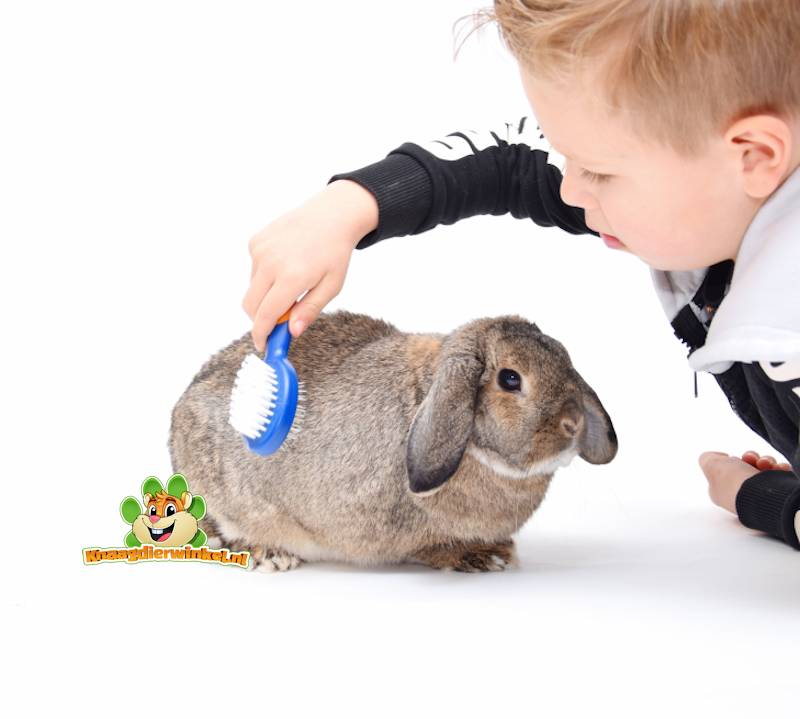 Rabbit grooming products help you quietly check their coat, nails, and daily signs. By regularly observing your rabbits closely, you will notice more quickly whether their coat remains neat, their nails aren't getting too long, their hindquarters are clean, and they are eating, defecating, and moving normally. In this category, you will find brushes, combs, nail care products, and practical tools for home rabbit care.
At DRD Knaagdierwinkel®, you will find grooming products for various situations: short-haired rabbits, long-haired rabbits, shedding, nails, coat checks, daily care, and practical hygiene around the grooming area. For medical signs, pain, loss of appetite, failure to defecate, or obvious abnormalities, we always refer you to a rabbit-specialist veterinarian. Please use this category primarily for care that you can calmly and responsibly maintain at home.
✓ In short: grooming products for rabbits help with coat care, nail checks, shedding, and daily grooming routines.
✓ Coat checks are especially important during molting and for long-haired rabbits.
✓ Is one of your rabbits not eating, is one of your rabbits not pooping, or do you see signs of pain? Then contact a veterinarian specializing in rabbits.
Quick links:
Why care? · What can you find here? · Coat care · Nails · Daily check · Long-haired rabbits · Gradual acclimatization · Important to know · Useful shopping routes · FAQ
Coat & shedding
Brushes and combs help to better control loose hair, tangles, and coat changes.
Nail check
Nails continue to grow and must be checked regularly, especially in indoor rabbits or on surfaces with less wear.
Daily signals
During grooming, you notice changes in coat, hindquarters, droppings, posture, appetite, and behavior more quickly.
Why is rabbit care important?
Rabbits are prey animals and do not always clearly show discomfort. That is precisely why quiet daily checks are valuable. By observing your rabbits regularly, you will notice more quickly if anything changes regarding their coat, nails, eyes, nose, hindquarters, appetite, droppings, or posture.
Grooming is also a way to get to know your rabbits better. How does their normal fur feel? How do they move? How do they behave during molting? How do they react to touch? When you know what is normal for your rabbits, changes stand out more quickly.
Personal care products help with
✓ Check coat and loose hairs.
✓ Check nails for length and position.
✓ Gently check the hindquarters, legs, and abdominal region.
✓ Notice early if eating, droppings, or behavior change.
✓ Get your rabbits used to gentle touching and grooming moments.
What can you find in this Rabbit Care category?
This category contains grooming products that help maintain coat and nails, and for daily check-ups. Think of brushes, combs, nail clippers, grooming tools, and products that support a neat grooming routine.
Assortment in this category
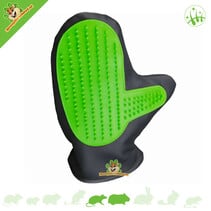
✓ Brushes for rabbits: for loose hair, shedding, and general coat control.
✓ Combs for rabbits: handy for longer fur, tangle-prone areas, and targeted control.
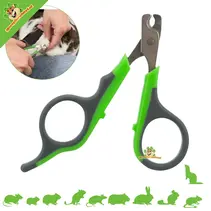
✓ Nail care: nail clippers and tools to properly check and maintain nails.
✓ Coat care: products for shedding, loose hair, and long-haired rabbits.
✓ Practical care aids: handy for quiet monitoring, hygiene, and care moments.
✓ Care routine: products that help to check regularly and gently.
Coat care for rabbits
A rabbit's coat varies from animal to animal. Short-haired rabbits often require less intensive grooming, but can still lose a lot of loose hair during molting. Long-haired rabbits require more monitoring, as tangles, matting, and dirt can accumulate more quickly.
Brushing and combing helps to remove loose hairs and allows for a better view of the coat. Do this gently and briefly so that your rabbits do not build up unnecessary tension. Pay particular attention to areas where hair tends to clump together more easily: behind the ears, on the flanks, around the hindquarters, and on the legs.
Coat inspection in practice
✓ Check for loose hairs more often during shedding.
✓ Use a brush or comb that suits the coat type and length.
✓ Pay attention to tangle-prone areas such as the hindquarters, flanks, and behind the ears.
✓ Keep care moments short and quiet.
✓ Seek professional help or a veterinarian for severe matting, pain, or skin problems.
Nail care for rabbits
Rabbit nails continue to grow and do not always wear down sufficiently on their own. Indoor rabbits, in particular, or rabbits that walk frequently on soft surfaces, can develop nails that become too long. Overgrown nails can cause discomfort when walking or make them more prone to getting caught.
Trimming nails requires calm, good lighting, and appropriate nail clippers. Only trim when you can clearly see what you are doing. If you are unsure, if the nails are dark, if one of your rabbits is moving a lot, or if you are afraid of cutting too short, have a rabbit-savvy veterinarian or experienced groomer demonstrate it.
Check nails
✓ Check regularly to see if nails are getting too long.
✓ Use a nail clipper suitable for small animals.
✓ Only cut when you can work calmly and confidently.
✓ Pay extra attention to dark nails and preferably cut carefully.
✓ Ask for help if you have any doubts or if your rabbits are experiencing a lot of stress.
Daily care check for rabbits
A quick daily check doesn't have to be complicated. Focus mainly on normal habits: are your rabbits eating well, are they eating hay, are they producing normal droppings, are they moving as usual, and do their fur and hindquarters look clean? Even small changes can be important for rabbits.
Don't turn care into a battle. You can observe a lot while feeding, replenishing hay, cleaning the litter box, or checking the run. For brushing, nail trimming, and more extensive checks, a quiet moment is better.
Daily check
✓ Are both rabbits eating normally?
✓ Is enough hay being eaten?
✓ Are there normal droppings in the litter box or the enclosure?
✓ Is the hindquarters clean and dry?
✓ Are your rabbits moving as you are used to?
Caring for long-haired rabbits
Long-haired rabbits require extra attention. The fur can tangle more easily, trap dirt, or become messy around the hindquarters. Bedding, litter box, and the season also play a role. Daily checks may be necessary during shedding or in warm weather.
For long-haired rabbits, it is helpful to take the environment into account during care. A dry toilet area, suitable bedding, good floor mats, and regular coat checks make maintenance much more manageable.
Pay attention to long-haired rabbits
✓ Tangles behind the ears, on the flanks, legs, and hindquarters.
✓ Dirt or moisture around the hindquarters.
✓ Bedding that gets stuck in the fur.
✓ Extra checks during moulting, heat, and wet periods.
✓ Seek help in time if matting, pain, or skin irritation occurs.
Gradually accustom rabbits to grooming
Grooming becomes easier when your rabbits can get used to it calmly. Start with short sessions and associate grooming with something predictable, such as talking quietly, a designated spot, or a small reward. Do not lift rabbits unnecessarily when checks can be done on the ground or in a low, stable place.
Some rabbits find brushing or nail checks stressful. In that case, build it up step by step: first touch, then briefly show the brush, and finally brush a small section. It is better to stop in time than to let the grooming session last too long.
Build up gradually
✓ Work briefly, calmly, and predictably.
✓ Use a low, stable place for checking.
✓ Get your rabbits used to a brush, comb, or nail clippers.
✓ Reward relaxed behavior with a small, appropriate reward.
✓ Stop when your rabbits build up too much tension.
Important things to know when caring for rabbits
Grooming products help with home check-ups and care, but they do not replace a veterinarian. With rabbits, changes in appetite, droppings, posture, or behavior are always important. Drooling, eating crookedly, shortness of breath, pain, wounds, maggots, a wet, dirty hindquarters, or sudden lethargy are also signals to seek expert help quickly.
Are you unsure whether something is still normal care or if there is something more going on? Then err on the side of caution and contact a veterinarian specializing in rabbits. Especially when one of your rabbits is not eating or not defecating, waiting is not a good idea.
Contact a veterinarian if
✓ Not eating or eating significantly less.
✓ No pooping or clearly pooping less.
✓ Pain signals, sluggishness, or sitting hunched over.
✓ Dirty, wet, or affected hindquarters.
✓ Wounds, maggots, shortness of breath, drooling, or noticeable dental signs.
Handy shopping routes for rabbit care products
Care is never separate from the rest of the setup. A dry toilet area, suitable bedding, sufficient hay, a well-equipped rabbit room, and a transport box for vet visits make daily care much more practical.
Learn more about caring for rabbits
Would you like more background information? Then also read our information pages on rabbit care, droppings, teeth, not eating, summer check-ups, and winter care. This way, you connect care products with real daily signals.
Caring for a rabbit · Rabbit droppings · A rabbit's teeth · Rabbit not eating · Rabbits in summer · Rabbits in winter
Frequently asked questions about grooming products for rabbits
Which grooming products do you need for rabbits?
Useful basic products include a suitable brush or comb, nail care, and possibly practical tools for calm inspection. Exactly what you need depends on coat type, age, living environment, and grooming routine.
How do you care for rabbits on a daily basis?
Check daily if your rabbits are eating well, eating hay, producing normal droppings, are clean around the hindquarters, and moving normally. Replenish hay, check the litter box, and see if any behavior or posture changes.
Do you have to brush rabbits?
That depends on the coat type and the time of year. During shedding and for long-haired rabbits, brushing or combing is often more important. Short-haired rabbits usually require less intensive grooming, but check-ups remain advisable.
Which brush is suitable for rabbits?
Choose a brush or comb that suits your rabbits' coat length and sensitivity. A soft brush is useful for loose hairs, while a comb may be better for longer fur or targeted control.
How often should you trim rabbit nails?
That varies depending on the rabbit and the surface. Check the nails regularly. Indoor rabbits or rabbits on soft surfaces sometimes wear down their nails less effectively. If in doubt, have it demonstrated by a rabbit-specialist veterinarian or an experienced groomer.
How do you care for long-haired rabbits?
Long-haired rabbits require more frequent coat checks. Watch out for tangles, matting, dirt around the hindquarters, and bedding getting caught in the fur. Keep the litter box dry and check extra carefully during shedding or hot weather.
What do you check on the hindquarters of rabbits?
Check if the hindquarters are clean and dry. Look for urine, sticky feces, wounds, maggots, a dirty coat, or a foul odor. If you see any obvious abnormalities, contact a veterinarian specializing in rabbits.
How do you get rabbits used to grooming?
Start briefly and gently. Let your rabbits get used to being touched, brushed, combed, or nail clippers without pressure. Reward relaxed behavior and stop in time so that grooming remains predictable.
When should you go to the vet?
Contact a rabbit-specialist veterinarian if one of your rabbits is not eating, not defecating, appears to be in pain, is lethargic, has difficulty breathing, is drooling, has wounds, or has a dirty, wet hindquarters.
Are personal care products sufficient for health problems?
No. Care products help with home care and check-ups, but do not replace a veterinarian. Expert help is needed in case of symptoms, pain, reduced appetite, or abnormal droppings.
Care products for rabbits at DRD Knaagdierwinkel®
At DRD Knaagdierwinkel®, you will find grooming products for rabbits that help with coat care, nail checks, daily grooming, and calm checks. This way, you choose products that suit your rabbits, their coat, their living environment, and your grooming routine.
✓ Brushes, combs, nail care, and practical grooming products neatly organized together
✓ Selection guide for coat, shedding, long-haired rabbits, nails, and daily check-ups
✓ Practical to combine with health, cleaning, transport, floor mats, and toilets
✓ Internal routes to care information, droppings, teeth, not eating, summer and winter
✓ Specialist since 2011
✓ Delivered from our own stock
