Polski




Have a question?
Have a question about this product? Please feel free to contact us, we will be happy to help you!

Have a question about this product? Please feel free to contact us, we will be happy to help you!
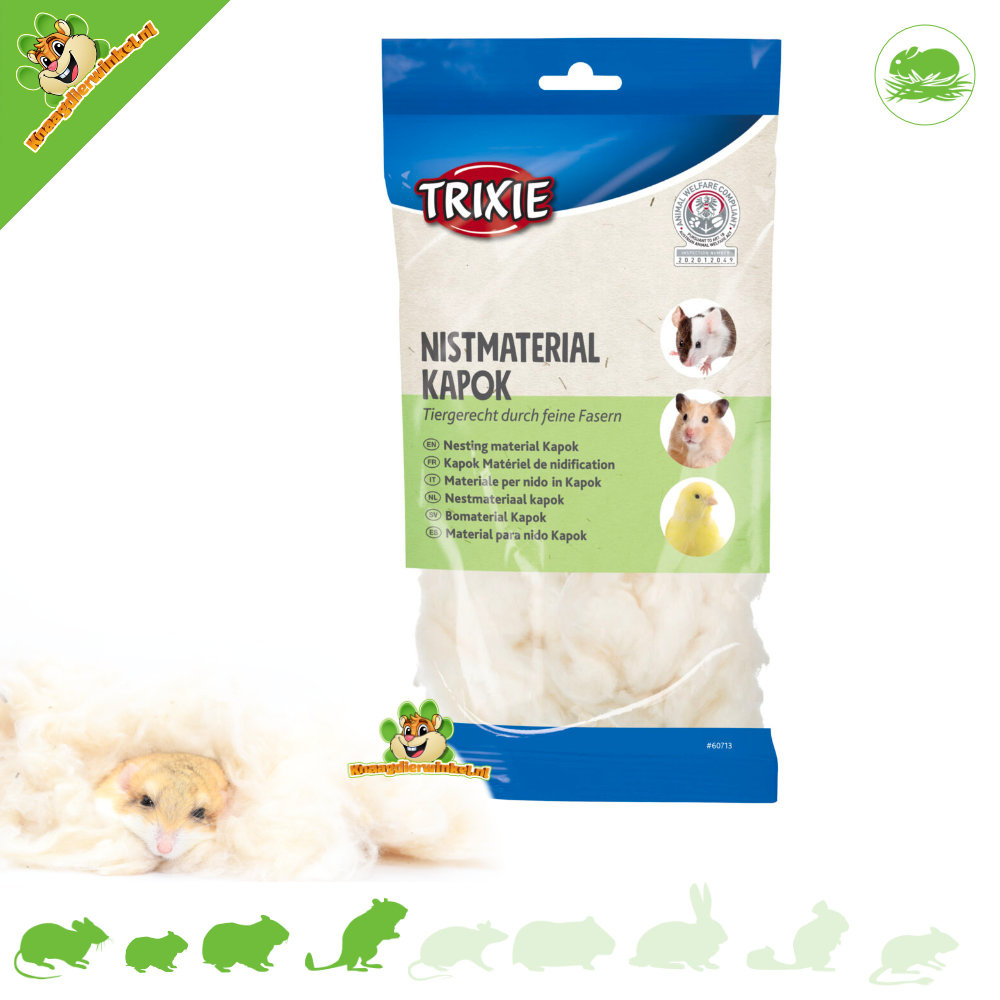
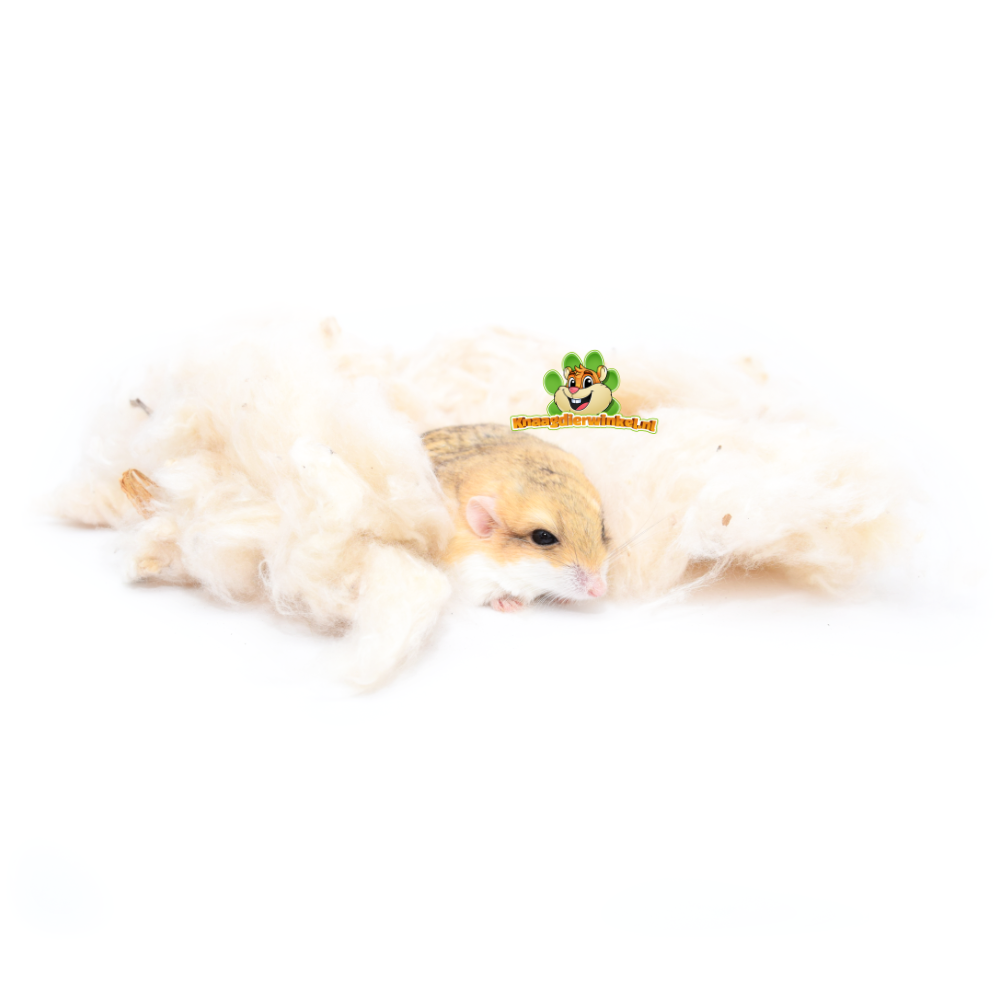
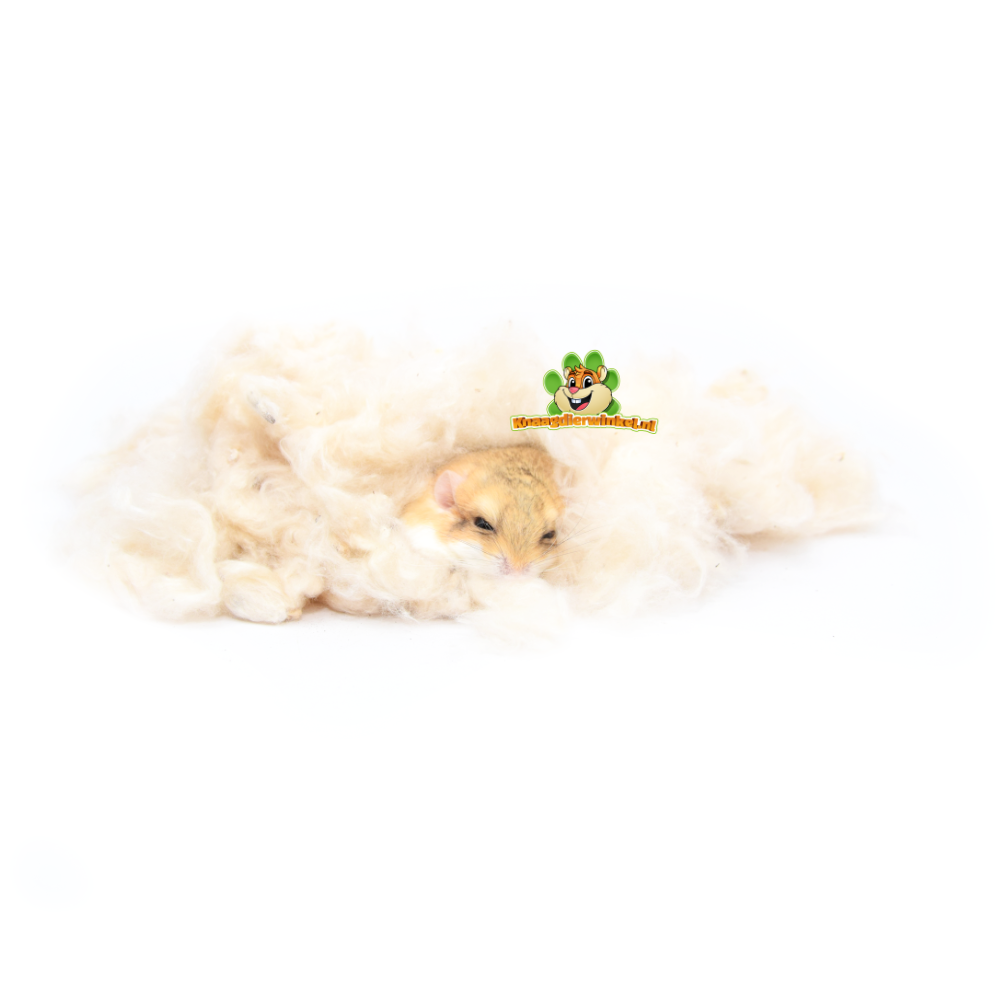
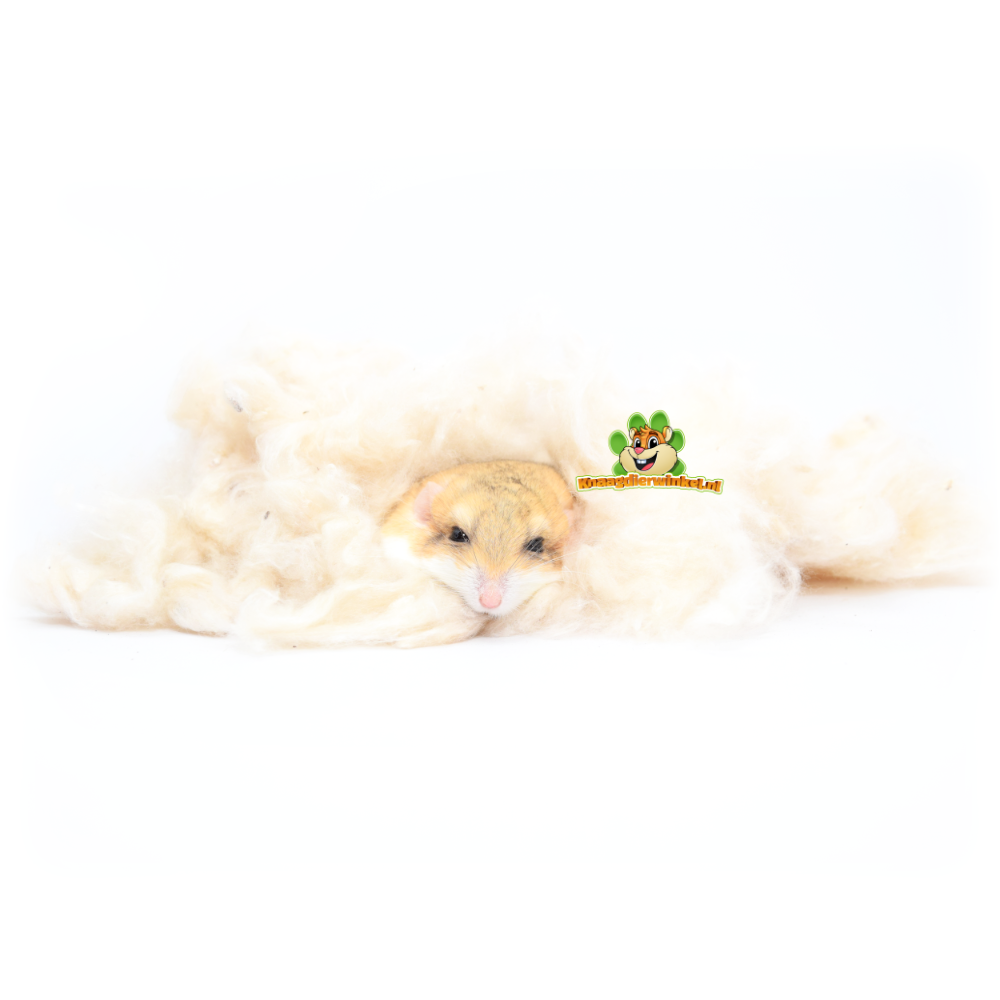
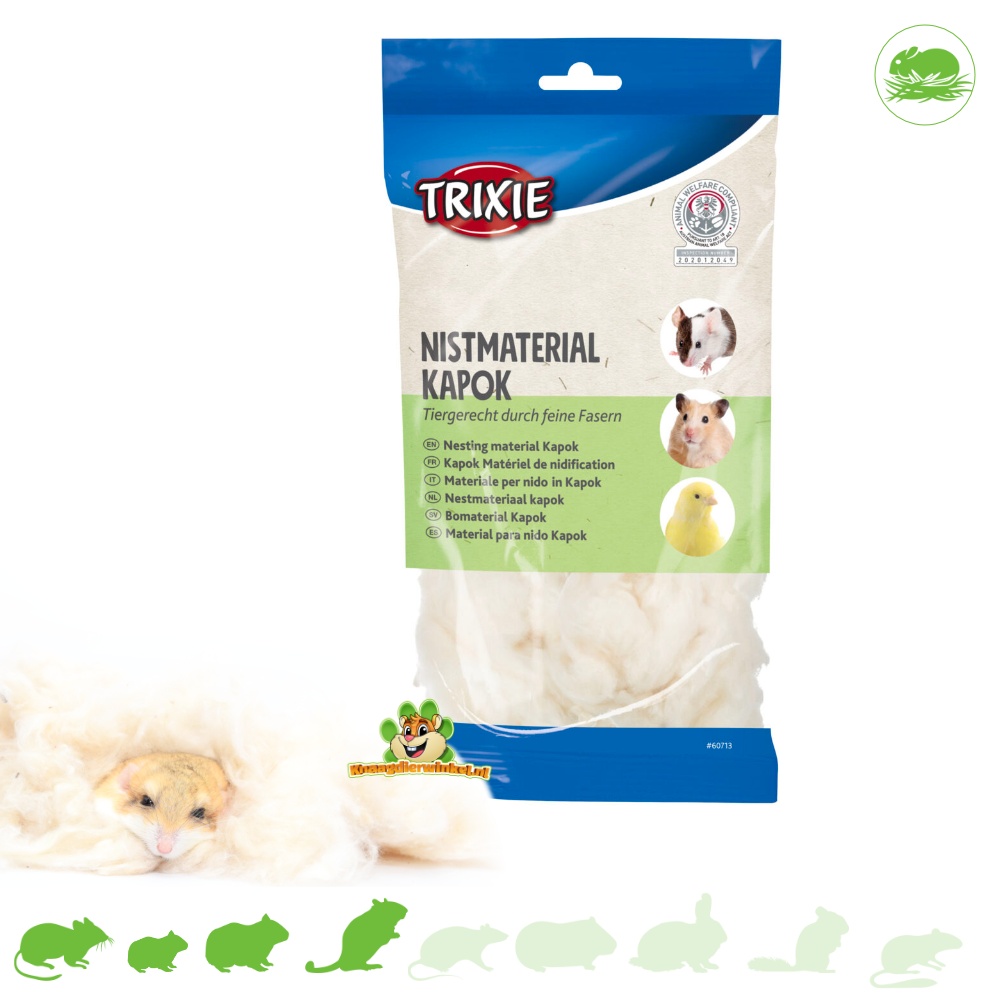
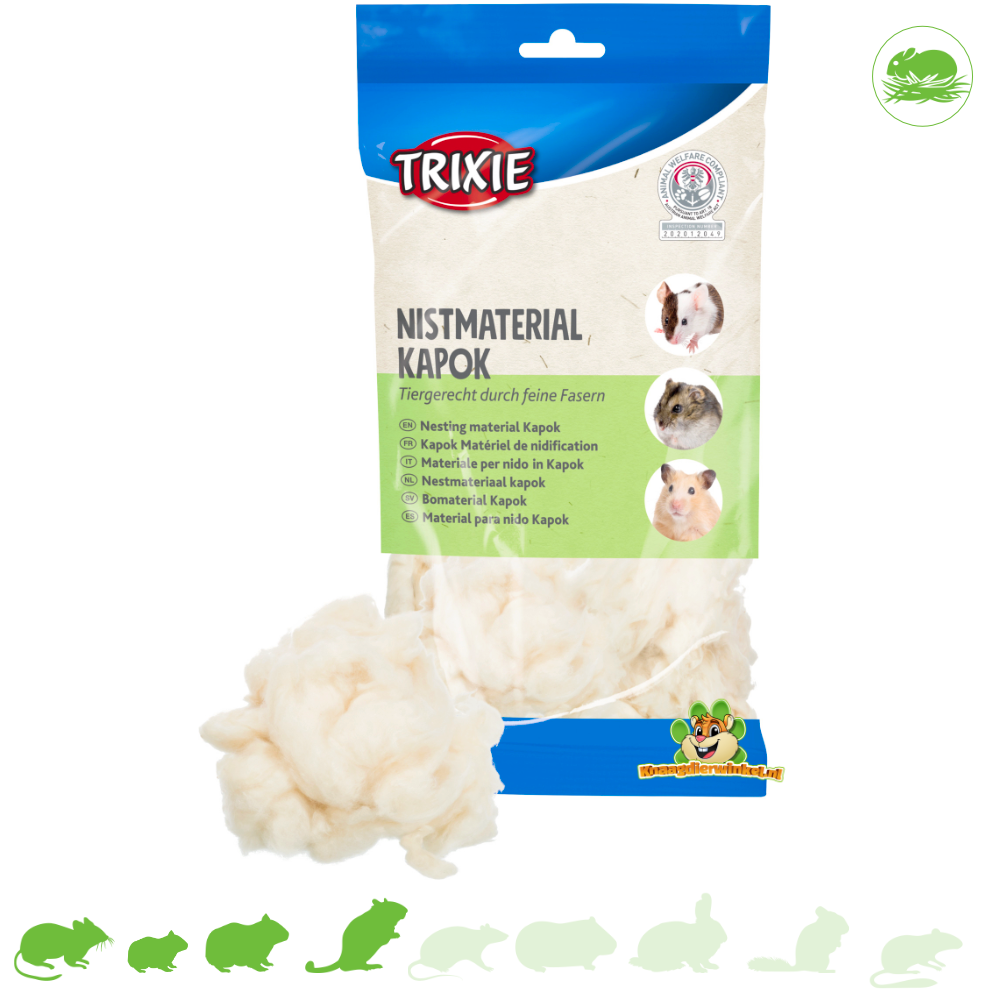
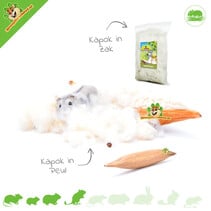
Trixie Kapok Nesting Material 100 grams is soft, natural nesting material for small rodents that like to build a warm and sheltered nest. Kapok consists of fine, light fibers that are easy to pull apart. As a result, mice, dwarf hamsters, hamsters, and gerbils can carry, distribute, and incorporate the material into their nest themselves.
When it comes to nesting material, DRD makes a conscious choice to select materials that align with the natural nesting behavior of small rodents. This kapok is 100% natural and unprocessed. This means: not bleached, not colored, and not unnecessarily treated. This is particularly important, as processed kapok can feel different, become stiffer, or be less comfortable for animals. Therefore, always choose natural, unprocessed kapok and do not use processed, bleached, or colored varieties.
✔ 100% natural, unprocessed kapok
✔ Not bleached and not colored
✔ Soft, light, and brittle fibers
✔ Nice warm nesting material for small rodents
✔ Suitable for mice, dwarf hamsters, hamsters, and gerbils
✔ Fits well with natural nesting behavior
Kapok is a natural fiber material derived from the fruit of the kapok tree. The fibers are light, soft, and feel warm to the touch. Small rodents can easily carry the tufts to their sleeping place and distribute them in the nest themselves. This aligns well with animals that enjoy collecting, nesting, and decorating their own sleeping areas.
The most important thing with kapok is to choose a pure, unprocessed variety. This kapok is neither bleached nor dyed. As a result, the material remains as natural as possible. We do not recommend processed kapok for animals, as treatments can alter the fibers and make the product less suitable as nesting material.
Kapok sometimes looks a bit like old-fashioned hamster cotton, but it is a different material. This kapok fiber is natural, fine, and brittle. Always use small tufts and observe how your animal incorporates the material into the nest.
For larger rodents such as rats, guinea pigs, rabbits, chinchillas, and degus, kapok usually serves no clear function. These animals do not build small nests in the same way as mice, hamsters, and gerbils. For them, other materials, such as suitable bedding, houses, tunnels, hay, or soft resting places, are often more logical.
Hamsters and dwarf hamsters are true nest builders. They like to make a warm sleeping place where they feel safe and where they can also gather food. Kapok can be offered as soft supplementary nesting material.
Place a small tuft of kapok loosely in the enclosure. Your hamster will take the material to the nest on its own when it likes it. It is better not to give a large, compact wad all at once, but to distribute it loosely and airily. This way, your animal can process it easily.
Mice enjoy building warm, sheltered nests. A small tuft of kapok can be a nice, soft addition for mice. Combine it, for example, with good bedding, tunnels, houses, and possibly other natural nesting material.
Because mice can actively drag and collect, it is best to offer kapok as loose tufts. This way, they can decide for themselves where the material ends up and how they want to build the nest.
Gerbils enjoy building with various materials. They often combine bedding, cardboard, hay, and nesting material to create a sturdy nest or tunnel system. Kapok can be used as a soft addition, especially when offered in small tufts.
Gerbils are also active destroyers. Therefore, regularly check that the material is being neatly incorporated into the nest and that no dirty or wet parts are left behind. Remove soiled nesting material promptly.
Kapok fibers are known for being light, soft, and warming. Small rodents can use them to make their nests extra comfortable, especially during cooler periods. The beauty of it is that the animals themselves can quite effectively determine how much nesting material they want to use.
If it gets too warm in the nest, small rodents can push nesting material out themselves or make the nest more airy. Therefore, always provide choice and space: sufficient bedding, multiple hiding places, and nesting material that the animal can use itself.
Kapok is sometimes confused with hamster cotton, because both materials can appear soft and fluffy. However, they are different materials. This kapok is a natural, unprocessed fiber and not synthetic cotton filling.
That is precisely why choosing real, unprocessed kapok is important. Do not use bleached, colored, or processed kapok for animals. Always choose kapok intended as nesting material for small rodents.
This kapok has already been peeled. So you do not need to open a kapok fruit. Simply place a small, loose tuft of kapok in the enclosure. The animals usually know exactly what they want to do with it and take the tufts to their nest.
Preferably combine kapok with a good base of bedding. For hamsters and gerbils, a deep, stable layer of bedding remains important for digging, creating tunnels, and exhibiting natural behavior. Kapok is primarily the soft nesting layer, not the digging base.
This kapok nesting material bears the Tierschutz-Kennzeichen. This is an Austrian animal welfare label for products that have been positively assessed by the Fachstelle für tiergerechte Tierhaltung und Tierschutz. The assessment considers legal regulations, animal welfare, practical application, and the suitability of the product.
For you as an owner, this provides extra guidance when choosing nesting material intended for small rodents that build their own nests.

Product: Kapok Nesting Material
Brand: Trixie
Contents: 100 grams
Material: 100% natural, unprocessed kapok
Processing: not bleached, not colored, and not unnecessarily treated
Use: nesting material for small rodents
Suitable for: mice, dwarf hamsters, hamsters and gerbils
Not intended for: food-producing animals
Kapok nesting material is suitable for small rodents that build nests, such as mice, dwarf hamsters, hamsters, and gerbils.
For larger rodents and rabbits, kapok usually has no clear function. They do not build a small nest in the same way as hamsters, mice, and gerbils. For these animals, it is better to choose suitable bedding, houses, tunnels, hay, or soft resting places.
Unprocessed kapok is not bleached, not dyed, and not unnecessarily treated. As a result, the material remains as natural as possible. Do not use processed, bleached, or dyed kapok for animals.
No, kapok is not the same as hamster cotton. Kapok is a natural fiber from the kapok fruit. This kapok is unprocessed and intended as nesting material for small rodents.
Place a small, loose tuft of kapok in the enclosure. Your hamster can take the material back to the nest himself and decide how much he wants to use.
Start with a small tuft. Only add more when you see that your animal is using more nesting material or when you have removed old nesting material.
Yes, check the nest regularly for old food remnants, moisture, or soiling. Remove only what is necessary so that you do not disturb the nest unnecessarily.

✓ Specialist since 2011 • personal & expert advice • delivered from our own stock
| Content: | 100 grams |
| Suitable for: | Rodents, Mouse, Dwarf Hamster, Hamster, Gerbil |
| Particularities: | - |
| Disclaimer: | Not for food producing animals |


Mein Hamster liebt es einfach nur
Heerlijk nest materiaal, onze hamster is er dol op.