 Polski



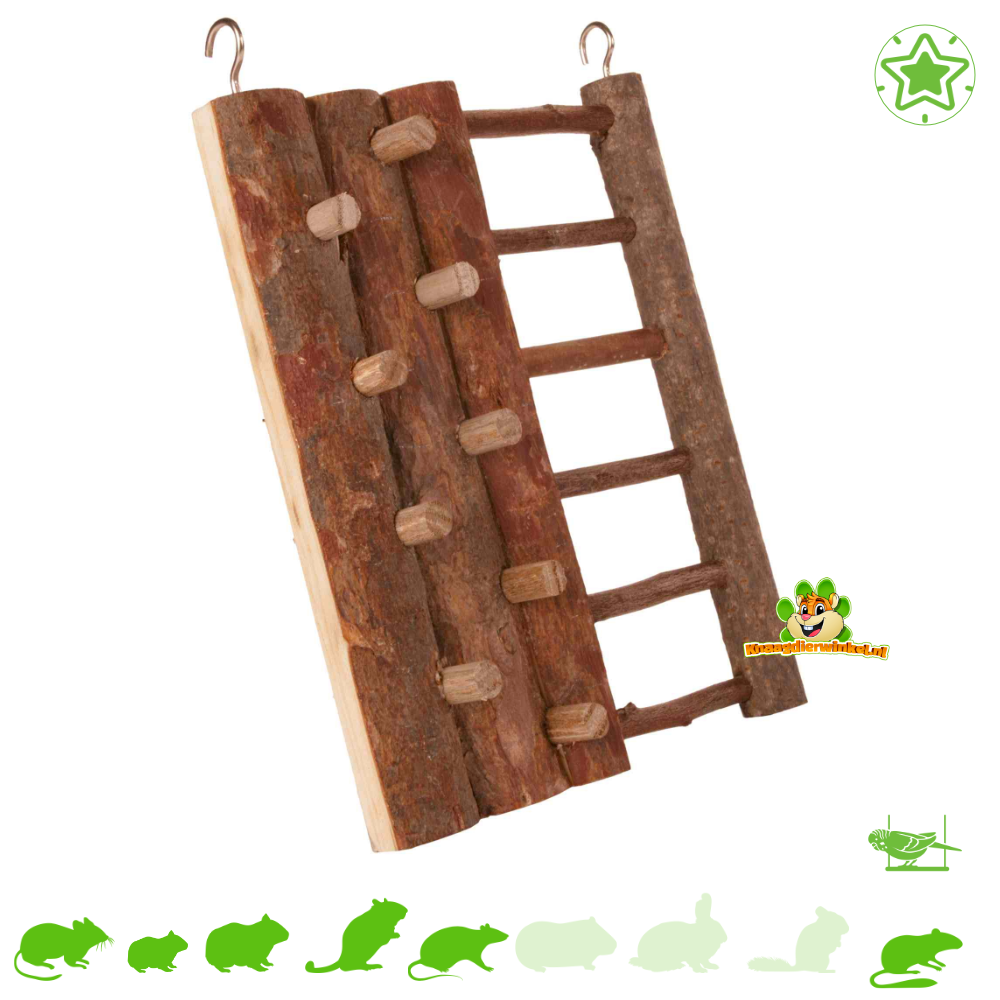
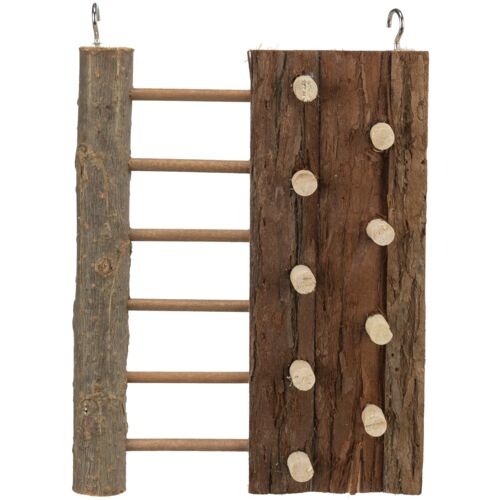
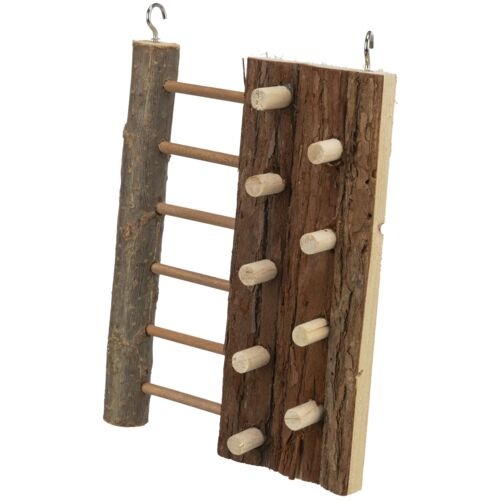
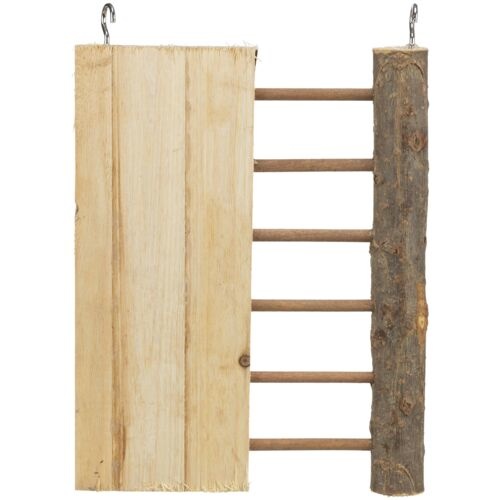
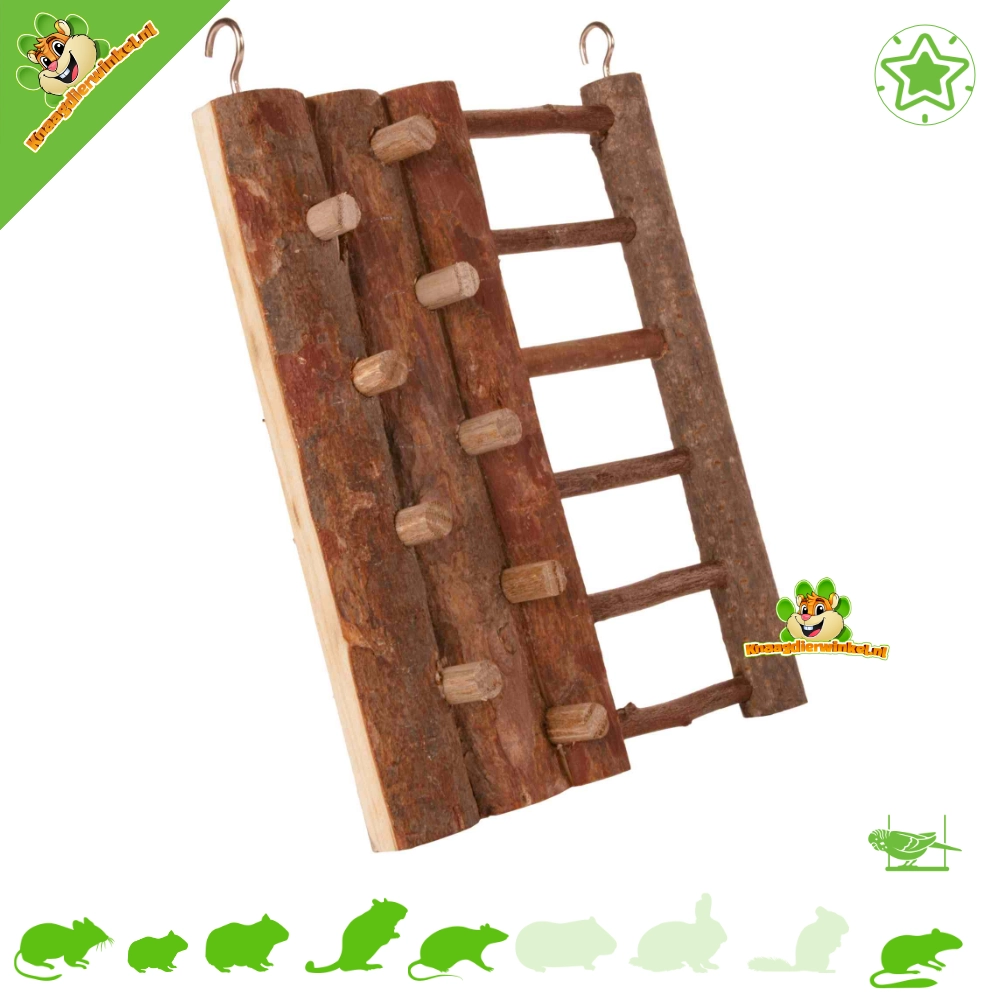
Forest Climbing Wall 16 x 20 cm for Rodents and Birds


- Dispatched from our own stock
- Personal & expert advice
- Always 100% rodent-friendly
- Ordered before 5 p.m., shipped the same day!
Trixie Forest Climbing Wall 20 cm for small rodents and birds
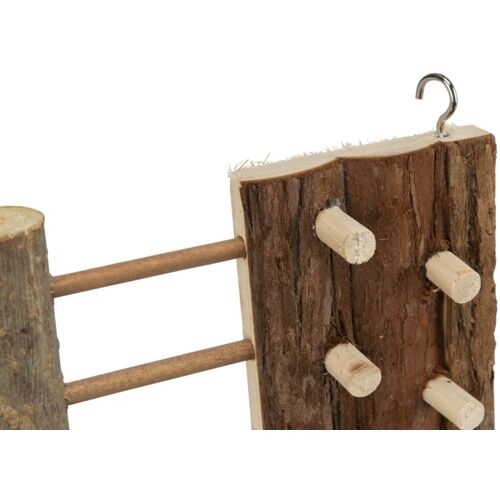
The Trixie Forest Climbing Wall 20 cm is a wooden climbing and play element for small rodents and birds. You can use the climbing wall as a standalone play object, as a natural climbing ladder, or as a route to a higher platform in the enclosure. The combination of an open ladder section and a denser climbing area provides your animal with more variety while moving.
For small rodents, an enclosure with multiple routes is often much more interesting than a flat layout. A climbing wall can help add height variation, shelter, and exercise. Your animal has to put in just a little more effort to reach the top, and that is precisely what makes it fun as part of hamsterscaping, gerbilscaping, or a natural-style setup.
In short
- Wooden climbing wall for small rodents and birds
- Dimensions: approximately 16 × 20 cm
- Can be used as a climbing ladder, play object, or natural route
- Beautiful with platforms, cottages, aquascaping, and natural decor.
- Made from wood from softwood species without resin channels
Advantages of the Trixie Bos Climbing Wall
✔ Made of wood: natural look and combines beautifully with wooden houses, cork, and bedding.
✔ Extra challenge: your animal must climb, search, and balance to use the climbing wall.
✔ Handy as a route: usable as steps to a plateau, small house, or elevated area of the accommodation.
✔ Great for natural decor: fits well with hamsterscaping, gerbilscaping, and forest themes.
✔ For small animals: especially interesting for animals that like to climb, explore, and use routes.
Why choose a climbing wall?
A climbing wall adds extra structure to the enclosure. Instead of a single flat surface, it creates an upward route, a playful obstacle, or a transition to a plateau. This makes the enclosure more interesting for animals that enjoy moving, climbing, and exploring their surroundings.
For mice, dwarf hamsters, and hamsters, the Forest Climbing Wall can be a fun addition when placed low and stable. For gerbils, it can be particularly interesting as part of a natural-style enclosure, for example in combination with cork, tunnels, and deep bedding. Degus and birds can use the climbing wall as a small wooden climbing element, provided the size and placement suit the enclosure.
The climbing wall is also beautiful as a visual element of a forest or nature theme. Thanks to the natural wood, it fits well among moss, bark, cork, willow bridges, and other wooden furnishing elements.
For which animals is the Forest Climbing Wall suitable?
- Mouse: suitable as a climbing and route element. Mice enjoy climbing and often actively use these types of small wooden elements.
- Dwarf hamster: suitable as a low climbing route or steps to a platform. Place the climbing wall low and stable.
- Hamster: suitable as a small climbing or decorative element, depending on the size of your hamster and the rest of the enclosure.
- Gerbil: suitable as a wooden climbing and gnawing object, but check regularly because gerbils can actively modify wood.
- Degu: can be used as a small wooden climbing element, but due to the strength and size of degus, sturdy placement and regular monitoring are especially important.
- Bird: suitable as a wooden climbing or play element when the size suits the bird species and the enclosure.
- Rats and pygmy rats: usually too small as a functional climbing wall. For rats, it is better to choose larger, sturdier platforms and climbing routes.
- Guinea pigs and rabbits: not suitable as climbing walls. Flat, spacious routes and suitable hiding places make more sense for these animals.
- Chinchilla: not the first choice as a functional climbing element. For chinchillas, it is better to choose larger and sturdier platforms.
How do you use the Trixie Forest Climbing Wall?
- Place the climbing wall low and stable in the enclosure.
- Use it as steps to a platform, playhouse, or other low-lying element.
- Prevent high places to fall, especially for hamsters and dwarf hamsters.
- Check that the climbing wall cannot shift or fall over.
- Do not place it so that your animal can climb out of the enclosure via the climbing wall.
- Check regularly for gnawing damage, loose parts, or sharp edges.
Use the climbing wall primarily as part of a calm, logical route. Combine it, for example, with platforms and ladders , huts , tunnels , and natural materials from natural landscaping .
Use for hamsterscaping and gerbilscaping
In a hamsterscape or gerbilscape, you can use the Forest Climbing Wall to create more height variation and route choice. Think of a low route from the bedding to a platform, a step up to a small house, or a playful climbing element next to a hiding place.
Always pay close attention to fall heights for hamsters. Hamsters are not true high-altitude animals and can fall awkwardly. Therefore, place the climbing wall low and ensure there is soft bedding underneath. For gerbils, stability is particularly important, as they enjoy digging, pulling, and gnawing.
Use for birds
For birds, the Forest Climbing Wall can be used as a small wooden climbing or play element. However, always check that the dimensions, fastening, and wood structure are suitable for the bird species. Install the product securely and check regularly to ensure that no loose or sharp parts develop.
Cleaning and maintenance
It is best to clean wood as dry as possible. First, remove dust, bedding, and loose dirt particles. If necessary, use a slightly damp cloth and then let the wood dry completely before putting it back.
Dimensions and specifications
- Product name: Trixie Forest Climbing Wall 20 cm
- Dimensions: approximately 16 × 20 cm
- Material: wood
- Suitable for: mouse, dwarf hamster, hamster, gerbil, degu and bird
- Use: climbing, playing, creating routes, or as a stepping stone to a lower plateau
Compound
Composition: wood.
The products are made from softwood species without resin canals. The wood species used do not produce resin and are dried for a long period. The glue used consists of a mixture with cellulose and, according to the product specification, is non-toxic to animals.

Frequently asked questions about the Trixie Bos Climbing Wall
Is the Trixie Forest Climbing Wall suitable for dwarf hamsters?
Yes, the Forest Climbing Wall can be suitable for dwarf hamsters if you place it low and stable. Use it, for example, as a small ladder or route to a platform.
Can I use the climbing wall for mice?
Yes, for mice, this is a fun climbing and route element. Mice enjoy climbing and often actively use small wooden elements.
Is the Forest Climbing Wall suitable for gerbils?
Yes, the climbing wall can be used for gerbils. However, check regularly for gnawing damage, as gerbils can actively work on the wood.
Can I use this climbing wall for a Syrian hamster?
That depends on the setup and the size of your hamster. Only use the climbing wall low and stable, and ensure your hamster can safely get on and off it.
Is the climbing wall suitable for degus?
The climbing wall can be used as a small wooden climbing element for degus, but always choose a sturdy placement for degus and check the wood regularly for gnawing damage.
Is this product suitable for guinea pigs or rabbits?
No, as a climbing wall, this product is not suitable for guinea pigs and rabbits. Spacious hiding places, tunnels, and flat routes are more suitable for these animals.
Can I use the climbing wall as stairs to a platform?
Yes, that is possible. However, only use it as a low and stable route. Avoid high fall spots and check that the platform is safely accessible.
Is the wood resin-free?
The softwood species used contain no resin canals and are dried for a long period. This makes the product suitable as a wooden furnishing element for small animals.
How do I clean the Forest Climbing Wall?
Clean the wood as dry as possible. If necessary, use a slightly damp cloth and allow the product to dry completely before putting it back.
Useful shopping links
| Material: | Wood |
| Dimensions (approx): | 16 × 20 cm |
| Diameter (approx): | - |
| Suitable for: | Rodents, Mouse, Dwarf hamster, Hamster, Gerbil, Degu | Bird |
| Particularities: | The products are made from softwoods without resin channels. The types of wood we use do not produce resin and are dried for a long time. The glue we use is also non-toxic to animals and consists of a cellulose mixture. |
| Safety Information: | Offer only under supervision. Check regularly for wear and tear |


De muizen vinden het geweldig!
- Hout (natuurlijke inrichting)
- Perfect formaat voor muizen
- Leuk design
- Urine trekt in hout
Lekker stevig, alleen wel kleiner dan verwacht
- Stabiel
- Kleiner dan verwacht
Staat heel leuk in mijn hamsterscape, maar wordt niet gebruikt door de hamster zelf… Ook groter dan verwacht.
- Ziet er leuk uit
- Wordt niet gebruikt
Cavia’s vinden. Het geweldig. Ze hebben er allebei 1 in de kooi. Ze klimmen erop en knagen er aan en liggen. Eronder. Echt. Geweldig
- Knaaghout
- De haakjes bovenop. Gaan soms los
Mijn Chinese hamster maakt hier graag gebruik van.
Geweldig, veel beter dan die standaard rommel die bij de kooi kwam!
Geweldig ze loopt erover en slaapt erachter top!
Erg leuk speeltje met vele mogelijkheden door de haakjes op t einde, waardoor je het aan allerlei dingen vast kunt maken. Mijn dwerghamstertje maakt er volop gebruik van.
Het is gemaakt van erg mooi hout en ziet er stevig uit. Mijn hamster weet nog niet precies wat ze er mee moet, want tot nu toe knabbelt ze er alleen aan. Verder echt een heel mooi product
Het is zo schattig om te zien hoe mijn dwerghamster hierop klimt om op zijn plateau te komen!