 Polski

Everything for pet rats – food, setup, enrichment & care













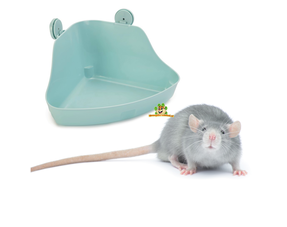


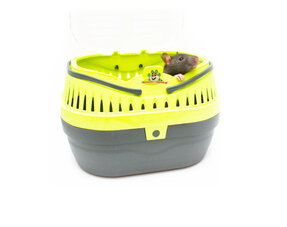






Rat webshop – everything for pet rats
 Domestic rats are intelligent, social, and curious animals. They need companions, a spacious and well-furnished cage, dust-free bedding, appropriate food, soft sleeping areas, safe routes, tunnels, hammocks, foraging products, and daily care. In this Rat Webshop, you will find everything to furnish your rats' enclosure in a practical, active, and comfortable way.
At DRD Knaagdierwinkel®, we look at rat products from the perspective of behavior, safety, and daily use. DRD selects not only based on appearance, but above all on product fit: does it suit social rats, sensitive airways, hygiene, climbing, sleeping, foraging, and cleaning? Therefore, combine a suitable rat cage with low-dust rat bedding , hammocks , tunnels and tubes , Ratscaping , rat food , and products for hygiene, health, and enrichment.
✓ In short: rats are social group animals and need conspecifics, space, height, resting places, and daily challenges.
✓ When keeping rats, be extra mindful of choosing low-dust bedding, good ventilation, and a practical cleaning routine.
✓ Do not use chinchilla sand or fine sand as a sand bath for rats; rats do not need a sand bath and their airways are sensitive.
Quick links:
Where do you start? · Cage & setup · Bedding & hygiene · Ratscaping & enrichment · Food & snacks · Care & health · Rat information · All rat routes · FAQ
Social pack animals
Rats should live together with other rats. Therefore, set up the enclosure for sleeping, lying together, and retreating.
Altitude, routes and tranquility
A rat cage works better with platforms, ladders, tunnels, hammocks, and multiple safe routes.
Low-dust and practical
With rats, pay extra attention to respiratory tract, hygiene, urine spots, ventilation, and ease of cleaning.
Where do you start with keeping rats?
Start with the basics. Rats need a suitable companion or group, a spacious cage with height, dust-free bedding, good food, drinking water, multiple sleeping areas, safe routes, litter boxes or potty areas, and daily enrichment. After that, you can look into Ratscaping, digging boxes, foraging, training, seasonal products, and health checks.
Are you new to rats or do you want to check if your basics are complete? Then start with the checklist. It helps you go through the most important components step by step.
Start here
✓ What do you need for rats? – complete starter checklist for pet rats.
✓ Rat as a pet – what can you expect from tame rats?
✓ Rat cage selection guide – choosing a cage, height, ventilation, and interior.
Choosing a rat cage and furnishings
For rats, a good cage revolves around space, height, ventilation, and smart design. Rats enjoy climbing, sleeping in hammocks, and using routes through the cage. A tall cage is only truly usable when your rats can safely move from the base to the platform, tunnel, hammock, and resting place.
When designing the cage, think in terms of functions: sleeping, lying together, retreating, eating, drinking, toilet, climbing, foraging, and cleaning. A logically organized rat cage is more pleasant for your rats and easier for you to maintain.
Important cage parts
✓ A spacious rat cage with height and good ventilation.
✓ Platforms, ladders, and tunnels to create safe routes.
✓ Hammocks, houses, baskets, and cushions for rest and sleep.
✓ Food bowls, drinking bottles, or water bowls in easily accessible places.
✓ Toilets, urinals, and cleanable areas for hygiene.
View now: Rat Cages · Rat Cage Accessories · Rat Platforms & Ladders · Rat Hammocks
Floor covering, toilets and urinals
Bedding is especially important for rats because they have sensitive airways. Therefore, preferably choose low-dust bedding and pay attention to absorption, odor, ease of cleaning, and ventilation. The best bedding suits your cage, your group of rats, and your cleaning routine.
Rats often have fixed urination spots. With litter boxes and pee mats, you can manage these spots more effectively. This makes cleaning easier and helps to better control odor. So, don't just look at the floor, but also at platforms, hammocks, resting places, and runways where your rats frequently urinate.
Combining soil and hygiene
✓ Low-dust rat bedding as a base.
✓ Toilets in places where your rats already like to urinate or defecate.
✓ Pee pads on platforms and favorite resting spots.
✓ Remove wet spots and old food residue daily.
✓ Do not use chinchilla sand or fine sand for rats.
View now: Rat Bedding · Rat Toilets · Rat Pee Mats · Cleaning a Rat Cage
Ratscaping, digging box and enrichment
Ratscaping is the natural and functional arrangement of a rat enclosure. You create zones for sleeping, climbing, routes, a toilet, eating, drinking, foraging, gnawing, and optionally a digging or sniffing area. The goal is not to make the cage more crowded, but to give your rats more to do.
A rat digging box is intended for sniffing, searching, and digging with suitable material. It is not a sand bath. Rats do not need a sand bath like chinchillas and degus. Therefore, do not use chinchilla sand or fine sand, but choose rat-suitable, controllable materials that are suitable for low-dust use and hygiene.
Enrichment for rats
✓ Tunnels, tubes, and platforms for routes and movement.
✓ Foraging toys and snack boards for searching and puzzling.
✓ Gnawing and demolition material for exploration and play.
✓ Digging bins and sniffing zones with rat-suitable materials.
✓ Variety, without making the cage unsafe or cluttered.
View now: Ratscaping · Rat Digging Box · Rat Play & Foraging · Rat Gnawing Material
Rat food, pellets, snacks and herbs
Rats require appropriate basic nutrition. Depending on your preference and the group, you can choose rat food, pellets, or another suitable feeding route. Snacks, herbs, seeds, dried vegetables, and fruit should be used as supplements and in small quantities.
You can also use food as enrichment. Don't put everything in one bowl as standard, but hide part of the daily portion in the cage, a snack plate, tunnel, or foraging area. This keeps eating interesting without automatically providing more snacks.
Feeding routes for rats
✓ Rat food or rat pellets as a base.
✓ Snacks as a small reward or foraging moment.
✓ Dried vegetables and fruit consciously and in small quantities.
✓ Herbs and seeds as variety within a suitable routine.
✓ Food bowls, drinking bottles, or water bowls that are easy to keep clean.
View now: Rat Food · Rat Pellets · Rat Snacks · Rat Herbs and Seeds · Dried Fruit and Vegetables for Rat
Care, health and daily check-up
Rats do not always immediately show signs of discomfort. Therefore, daily checks are important. Pay attention to appetite, weight, breathing, coat, behavior, activity, wounds, bumps, and changes within the group. Sneezing, wheezing, shortness of breath, lethargy, weight loss, or excessive porphyrin around the nose or eyes are particularly signs to take seriously.
A good foundation helps with daily care: low-dust bedding, clean hammocks, dry resting places, good ventilation, appropriate food, safe transport, and a cage that is easy to inspect. In case of clear health problems, contact a veterinarian specializing in rats.
Daily rat check
✓ Are all rats eating and drinking as normal?
✓ Are they breathing calmly, without rattling, wheezing, or shortness of breath?
✓ Are they alert, active, and involved in the group?
✓ Are hammocks, platforms, pee spots, and bedding clean enough?
✓ Do you see no sores, bumps, a noticeable amount of porphyrin, or a clear change in behavior?
View now: Rat Care · Rat Health · Rat Transport Box · Rat Health Signs
Rat information and selection guides
Do you want to first better understand what your rats need? Then use the information pages and selection guides. These help you not only to buy products, but to make choices that suit your rats, your cage, your experience, and your daily care.
Start & Basics
For new rat owners and the complete basics of care.
Cage & bottom
For cage, furnishings, dust-free flooring, and practical hygiene.
Rat cage selection guide
Rat bedding selection guide
Cleaning the rat cage
Ratscaping & enrichment
For natural design, digging buckets, foraging, and smart zones.
Nutrition & behavior
For feeding, bonding, taming, and house training.
Rat food selection guide
Pairing rats
Taming rats
Litter training rats
All rat categories conveniently together
Want to continue shopping right away? Below you will find a clear overview of the most important rat routes. This way, you can quickly choose what suits your rats: cage, bedding, food, sleeping, playing, hygiene, grooming, and seasonal products.
Cage, run & practical basics
Soil, hygiene & cleaning
Sleeping, resting & routes
Rat Hammocks
Rat Houses
Rat Tunnels & Tubes
Rat Platforms & Ladders
Rat Nesting Material, Cushions & Baskets
Food, drink & feeding spots
Rat food
Rat Pellets
Rat Food Bowls
Rat Drinking Bottles & Water Bowls
Snacks, spices & rewards
Enrichment, scaping & activity
Ratscaping
Rat Digger Box
Rats Playing & Foraging
Rat Chewing Material
Rat Running Wheels
Rat Packages
Health & Seasons
Rats Information & Selection Guides
Rat Information
What do you need for rats?
Rat cage selection guide
Rat bedding selection guide
Rat health signs
Frequently asked questions about pet rats
What do you need for pet rats?
You need at least other rats of the same species, a spacious cage, dust-free bedding, rat food, drinking water, hammocks, houses, tunnels, platforms, litter boxes or pee pads, a transport box, and daily enrichment.
Can you keep one rat alone?
Rats are social pack animals. Keeping a single rat alone does not suit their behavior. Therefore, choose at least two rats or a suitable group with sufficient space.
Which rat cage is suitable?
A suitable rat cage is spacious, well-ventilated, and has sufficient height for platforms, hammocks, tunnels, and routes. The cage must also be practical to clean.
Which bedding is suitable for rats?
For rats, preferably choose low-dust bedding. Rats have sensitive airways, so heavily dusty materials are not a pleasant basis for daily use.
Do rats need a sand bath?
No, rats do not need a sand bath like chinchillas or degus. Do not use chinchilla sand or fine sand for rats, as fine dust can be harsh on their sensitive airways.
What is Ratscaping?
Ratscaping is the natural and functional furnishing of a rat enclosure. You create zones for sleeping, climbing, routes, foraging, gnawing, a toilet, and optionally a digging or sniffing area.
What do rats like in their cage?
Many rats love hammocks, tunnels, platforms, foraging toys, gnawing material, hiding places, cardboard, digging or sniffing areas, and contact with other rats and their owner.
How do you keep a rat cage fresh?
Use low-dust bedding, remove wet spots daily, use litter boxes and pee pads, wash hammocks regularly, and ensure good ventilation.
When should you take a rat to the vet?
Contact a veterinarian specializing in rats if your rat experiences shortness of breath, wheezing, persistent sneezing, lethargy, loss of appetite, weight loss, wounds, lumps, high levels of porphyrin, or if your rat is clearly different from normal.
Everything for pet rats at DRD Knaagdierwinkel®
At DRD Knaagdierwinkel®, you will find everything for pet rats in one place: from rat cages, low-dust bedding, and rat food to hammocks, tunnels, Ratscaping, digging boxes, litter boxes, pee pads, care, and health. We help you choose what suits social rats, their sensitive airways, their curious behavior, and your daily care.
✓ Everything for pet rats neatly organized in one place
✓ Strong routes to cage, bedding, food, Ratscaping, hygiene and care
✓ Extra attention to low-dust choices, sensitive airways, and practical layout
✓ Information pages and selection aids for pet owners who want to make a good choice
✓ Specialist since 2011
✓ Delivered from our own stock
