 Polski

Fancy mouse supplies and mouse cage setup










Mouse supplies: mouse cage, food, bedding, and furnishings
 Are you looking for goodmouse supplies ? In this Muis webshop, you will find everything to furnish your mice's enclosure in a practical, natural, and thoughtful way: from mouse bedding , mouse food , and nesting material to houses, tunnels, exercise wheels, gnawing material, snacks, and foraging toys.
When it comes to mice, DRD looks not only at small products but, above all, at the big picture of behavior in a small animal. Mice want to hide, climb, sniff, forage, nest, gnaw, and be able to create safe routes through their enclosure. That is why this hub helps you choose by product role: bedding, nest, cage, food, furnishings, exercise, care, and daily enrichment.
In short
✓ Mice need an enclosure with safe openings, low-dust bedding, nesting material, hiding places, climbing routes, and cover.
✓ A good mouse enclosure works in layers: base, tunnels, houses, platforms, hanging spots, running wheel, and foraging areas.
✓ Feeding can be active: scattering, hiding, and searching suit curious fancy mice very well.
Quick links
Choice routes | Keeping together | Mouse cage & setup | Bedding & nest | Food & snacks | Enrichment & exercise | Mouse information | DRD tip | Shopping routes | Checklist | Good to know | FAQ
Soil & nest
Start with a comfortable, low-dust substrate and suitable nesting material. Mice like to build a warm, sheltered sleeping and hiding place.
Routes & movement
Mice enjoy using height, tunnels, and narrow routes. A suitable exercise wheel can provide extra exercise when it is safe and spacious enough.
Feeding & foraging
Make feeding more interesting by scattering or hiding small portions. This way, searching for food immediately becomes a natural activity.
Keeping mice together: social, but with the right composition.
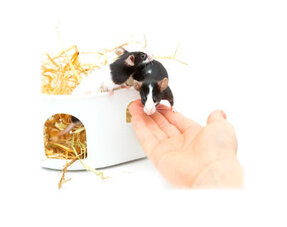
Fancy mice are social animals and often value their own kind. In practice, a group of females is usually the easiest to manage. Males can be more difficult to keep together, depending on temperament, age, lineage, space, and setup. Therefore, always carefully consider the composition of the group and ensure there are sufficient escape routes.
With multiple mice, the setup is especially important. Provide multiple mice houses , more than one route to important spots, and preferably multiple food and water points. This prevents one animal from occupying all the favorite spots and keeps the group calmer.
Mouse cage and furnishings: small animal, extensive furnishings
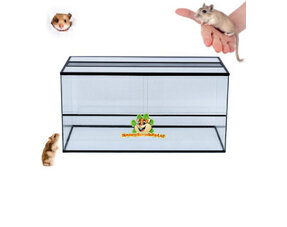
A good mouse cage is safe, well-ventilated, and smartly designed. Mice use not only the floor but also the height. Therefore, think in layers: a soft bottom layer, tunnels at the bottom, houses as resting places, platforms as routes, and hanging spots as extra hiding or observation points.
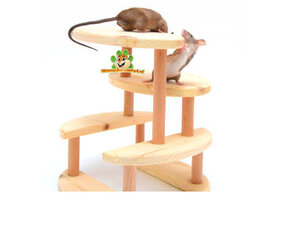
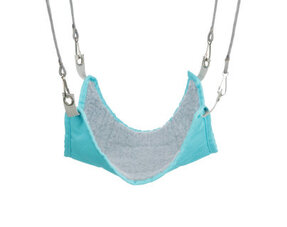
With mouse tunnels , platforms and ladders , mouse hammocks , and cage accessories, you can turn an enclosure into a real living environment. Place everything stably and prevent open traps or wobbly parts.
Mouse bedding and nesting material
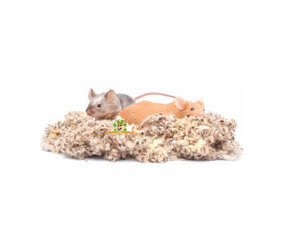
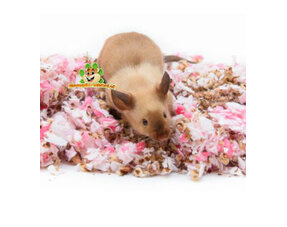
The floor is the foundation of the enclosure. Choose mouse bedding that is low-dust, absorbent, and pleasant to walk on. Mice sniff, walk, drag, and dig through the floor, so the underlayer must not only stay clean but also be comfortable for the animal to work in.
Mouse nesting material is important because mice like to build warm, sheltered nests. Choose material that is short, soft, and easy to pull apart. Avoid stringy or cotton-like material with long fibers, as mice can get entangled in it.
Do not make the enclosure completely odorless every time. Mice communicate a lot through scent. By primarily removing wet spots and old food remnants, rather than replacing everything at once, the cage remains calmer for the group.
Mouse food, herbs, seeds and snacks
A good foundation starts with suitable mouse food . Mice are curious eaters and enjoy searching for their food. Therefore, you can scatter some of the food in the bedding or hide it in a foraging area, so that eating is not only nutrition but also activity.
Mouse hay, herbs, and seeds are primarily used for variety, scent, and as a foraging layer. Hay is not a staple for mice, as it is for guinea pigs or rabbits, but it can be fun to drag, shred, and incorporate into the enclosure.
Mouse snacks and dried fruit and vegetables for mice are extras. Use them as a small reward, a moment of contact, or a search game, not as the main food.
Enrichment for mice: gnawing, searching, climbing, and running
Mice are active and smart. Therefore, they need something to do every day. With Play & Foraging for Mice , you turn feeding into a search game. Think of scattering food, hiding, placing small portions in tunnels, or offering food in a safe puzzle.
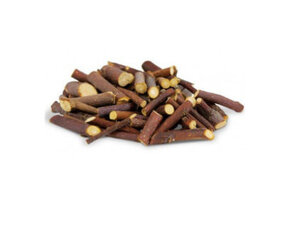
Mouse gnawing material is also part of the basics. Mice love to gnaw, drag, and explore. By creating several small gnawing spots, you prevent all attention from going to a single accessory and make the entire interior more interesting.
A mouse running wheel can be a nice addition provided it is large enough, has a closed running surface, and stands firmly. Make sure that the back does not have to arch while running and that there are no open spokes where paws or tails could get caught.
Practical DRD tip
Mice often use an enclosure much better when routes are sheltered. Therefore, do not place tunnels, houses, platforms, and hanging spots separately, but create small “paths” with cover. This encourages mice to walk, search, and climb more often.
Want to know more about mice?
Would you like to read more about mice and special mouse species? Then also check out mouse information , fancy mouse information , African pygmy mouse information , spiny mouse information , and dwarf gerbil as a pet .
This main category is primarily aimed at fancy mice and general mouse supplies. If you keep a special mouse species, size, group behavior, climate requirements, climbing needs, and setup may differ. In that case, use the species information as an additional selection aid alongside the product categories.
Handy shopping routes for mice
Base & bottom
Before the start of the enclosure: bedding, nest, houses, and the right mouse cage.
Power supply
For daily feeding, small extras, and foraging moments.
Mouse food
Hay, herbs & seeds
Mouse snacks
Dried fruit & vegetables
Furnishing
For routes, shelters, use of height, and practical cage layout.
Enrichment & care
For active behavior, daily monitoring, and safe transport.
Playing & foraging
Running wheels
Chewing material
Transport boxes
Checklist: what do you need for mice?
✓ A suitable mouse cage with good ventilation and safe openings.
✓ Low-dust bedding and suitable nesting material without long, stringy fibers.
✓ Multiple houses, tunnels, and sheltered routes, especially with a group of mice.
✓ A safe exercise wheel with a closed running surface, sufficient diameter, and stable placement.
✓ Suitable mouse food, a stable feeding area, and optionally foraging areas in the bedding.
✓ Chewing material, foraging toys, and small enrichment items to stimulate daily behavior.
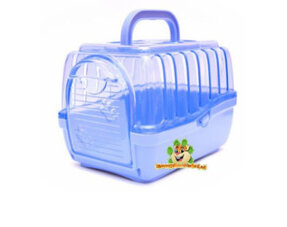
✓ A safe transport crate for vet visits, moving, or temporary care.
Good to know about mice
Mice are prey animals
Mice feel more comfortable when they do not have to walk through large open areas. Therefore, furnish the enclosure with cover, tunnels, houses, and routes along the edge or via platforms.
Be careful with nesting material
Use nesting material that is short, soft, and easy to pull apart. Avoid cottony or stringy material with long fibers, as paws or tails can get caught in it.
Check small passages
Mice can fit through small openings, but they must also be able to get out safely. Therefore, check houses, tunnels, and accessories for pinch hazards and sharp edges.
Health and daily behavior
Watch for changes in activity, breathing, eating, drinking, coat, stool, and group behavior. Veterinary advice is important in case of shortness of breath, lethargy, loss of appetite, or rapid deterioration. For practical support, also see mouse health .
Special mouse species
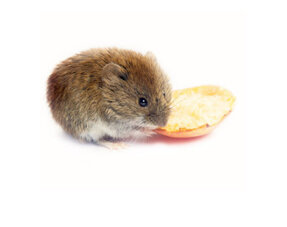
This main category is primarily aimed at fancy mice and general mouse supplies. Do you keep a special species, such as an African pygmy mouse, spiny mouse, dormouse, vole, or gerbil? Then also check the species information via mouse information , as size, behavior, and enclosure setup can vary by species.
Frequently asked questions about mouse supplies
What do you need for mice?
For mice, you need a suitable cage, low-dust bedding, nesting material, houses, tunnels, a safe exercise wheel, mouse food, a water source, a food bowl, gnawing material, and foraging toys.
Which bedding is suitable for mice?
Choose a low-dust, absorbent bedding that is pleasant to walk on and in which mice can sniff, drag, and dig. Combine the bedding with suitable nesting material for a warm, sheltered sleeping place.
Do mice need nesting material?
Yes, mice like to build nests. Provide nesting material that is soft, short, and easy to work with. Avoid long, stringy, or cotton-like fibers that paws or tails can get caught in.
Do mice need a running wheel?
Many mice enjoy using a running wheel. Choose a model with a closed running surface, sufficient diameter, and a stable stand or mounting. A running wheel is an addition to a well-furnished enclosure, not a replacement for space and enrichment.
Can mice be kept together?
Fancy mice are social animals. Females often get along well in a group, whereas males can be more difficult among themselves. Always ensure sufficient space, multiple hiding places, and multiple routes through the enclosure.
What do mice eat?
Mice eat suitable mouse food as a base. Small portions of herbs, seeds, vegetables, or snacks can be used as a supplement and foraging opportunity. Hide or scatter a portion of the food to encourage searching.
Is hay necessary for mice?
Hay is primarily an enrichment for mice. They can drag it around, sniff it, and replenish nesting material. It is not a staple like for guinea pigs and rabbits, but it can provide a nice natural texture in the enclosure.
Which houses are suitable for mice?
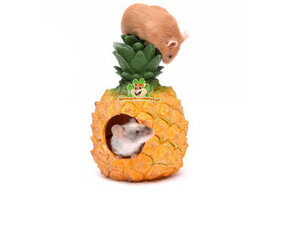
Suitable mouse houses have small, accessible entrances, sufficient space to rest, and no sharp edges. With multiple mice, multiple houses and hiding places are important so that the animals have a choice.
Why is foraging important for mice?
Foraging aligns with natural searching behavior. By scattering food, hiding it, or offering it in a safe toy, mice remain more active and eating becomes a daily activity.
Buy mouse supplies at DRD Knaagdierwinkel®
At DRD Knaagdierwinkel®, you will find mouse products that suit the daily behavior of fancy mice: hiding, nesting, climbing, gnawing, searching, and living together. We select not only by size but also by function within the enclosure. This way, you build a mouse cage step by step that feels logical to you and is richer for your animals.
Do you want to look further specifically? Then go to Mouse Cages , Mouse Bedding , Mouse Food , Mouse Play & Foraging , Mouse Kits , or Mouse Information .
✓ Specialist since 2011 in mouse products, furnishing, and species-specific selection aids
✓ Complete Mouse category: from food and bedding to houses, exercise wheels, and enrichment
✓ Delivered from our own stock and shipped from the Netherlands to the Netherlands, Belgium, Germany, and other EU countries
