Polski

Chinchilla exercise wheels – safe, quiet and gnaw-resistant exercise wheels (aluminium)
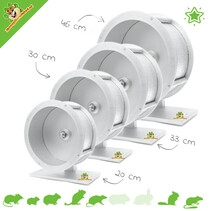
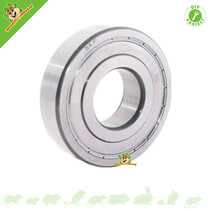

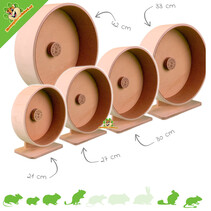

Chinchilla exercise wheels – safe exercise and extra challenge at DRD Rodent Shop®
A chinchilla exercise wheel isn't essential, but it can be a fun addition for animals that love to run and need an extra challenge. The most important thing is to choose a safe, stable, and spacious exercise wheel that runs smoothly and is suitable for a chinchilla's size and strength. In this category, you'll find our DRD aluminum exercise wheel: a rodent-resistant, sturdy choice that's popular for its durability and ease of maintenance. As specialists in rodents and rabbits since 2011, we select exercise wheels with a focus on safety, stability, and user-friendliness.
Strong, durable, and easy to maintain. A popular choice for chinchillas that are energetic and active.
View DRD aluminum running wheel →
Want to quickly see the complete selection? Here you'll find all the models in this category together.
View all running wheels →
Why an exercise wheel for a chinchilla?
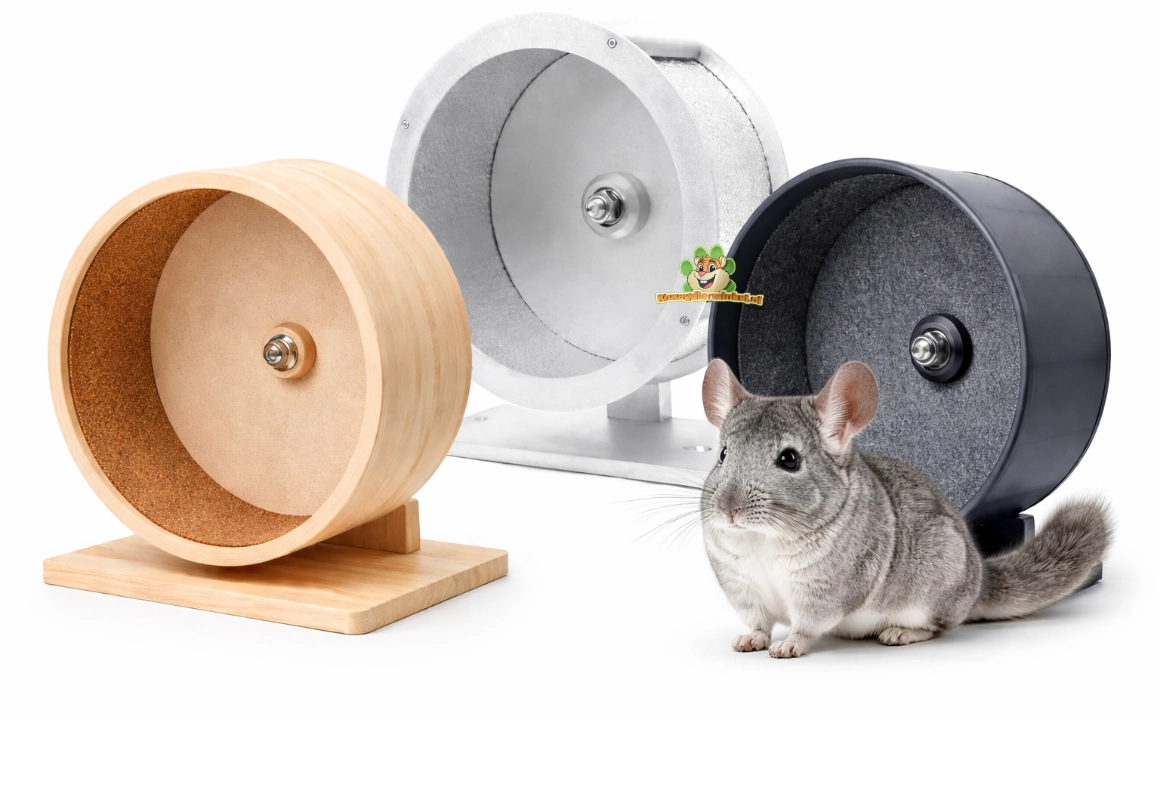 Some chinchillas simply enjoy running in an exercise wheel: it provides additional activity in the cage. Especially with a clever design (with platforms, bridges, and hiding places), an exercise wheel can be a nice addition. Important: an exercise wheel should be spacious enough , stable , and rotate smoothly, allowing your chinchilla to exercise naturally and relaxed.
Material: What is smart in chinchillas?
Chinchillas are powerful rodents. Therefore, in practice , a gnaw-resistant material is often the most durable choice. Aluminum is popular because it's durable, easy to clean, and can withstand heavy use. When choosing an exercise wheel, always look for: a stable construction, a comfortable running surface, and a smooth-running turning system.
Maintenance & cleaning (important for silence and smooth operation)
Keeping a running wheel clean is smart, but avoid getting the rotating mechanism (such as the bearing) wet. Therefore, don't rinse the entire running wheel under the tap. Instead, clean the running surface with a slightly damp cloth and dry it immediately. This will often keep the wheel running quietly and smoothly for longer.
How do you use this?
✔ Place the running wheel stably (preferably on a flat surface or securely attached, depending on the model).
✔ Let your chinchilla discover things for themselves; never force them, and build up gradually.
✔ During the first few days, check whether the wheel turns smoothly and whether your chinchilla walks relaxed in it.
✔ Clean the running surface regularly and keep the pivot point as dry as possible.
✔ Do you hear a squeak? First, check for dirt around the pivot point and clean it locally.
Checklist
✔ Choose an exercise wheel that is large enough for a chinchilla's size.
✔ Choose a stable model that doesn't wobble or tilt.
✔ Preferably choose rodent-resistant material (durable for real rodents).
✔ Keep the rotating mechanism dry for smooth, quiet operation.
✔ Check for wear and screws/suspension periodically.
Safety
✔ Only use a wheel that is suitable for the size and strength of chinchillas (no wheels that are too small).
✔ Check regularly that the wheel is stable and turns smoothly.
✔ Clean the wheel without wetting the pivot point to prevent stiff running.
✔ Replace or repair if damaged or when parts become loose.
FAQ
Is an exercise wheel necessary for chinchillas?
No, it's not a must. But for some chinchillas, it's a fun extra activity that provides variety and exercise.
Why can't I rinse an exercise wheel under the tap?
Because this can cause the spinning mechanism to get wet. This can cause the wheel to run more stiffly or make noise more quickly.
My running wheel is squeaking—what can I do?
First, check for dirt around the pivot point and clean it locally. If the wheel still squeaks, a tiny drop of vegetable oil near the pivot point may help. Always use sparingly.
✔ Gnaw-resistant running wheels, ideal for active chinchillas
✔ Practical maintenance tips for smooth and quiet running
✔ Specialist since 2011
Order before 5 PM, shipped the same day | Delivered from our own stock | Specialist since 2011