 Polski

Rabbit food: kibble, pellets and natural food
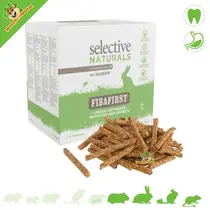
High-fiber food for rabbits with long fibers, timothy hay, alfalfa stems, and linseed. With 30% fiber and a natural stick texture.
Read more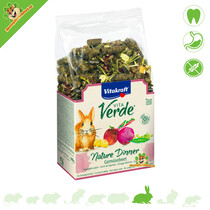
Grain-free rabbit food with vegetable ingredients like peas and beets. Crude fiber (19%) and suitable as a complete food, alongside unlimited hay. Recommended daily intake: 70–90 g. Vitakraft Vita Verde Nature Dinner Vegetable Garden – 600 grams.
Read more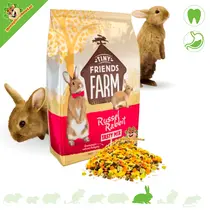
Tasty mixed food for adult rabbits from 20 weeks old. With timothy hay, pea flakes, corn flakes, oats, and linseed. Stimulates natural foraging behavior.
Read more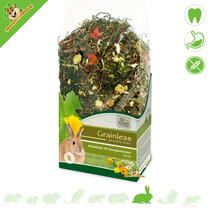
Grain-free complete rabbit food from JR Farm with pasture-grown herbs, herbs, vegetables, seeds, and flowers. A varied herb mix for rabbits who love to sniff and pick.
Read more- Voor 17 uur besteld, dezelfde dag verzonden!
- Rodent specialist since 2011
- Dispatched from our own stock
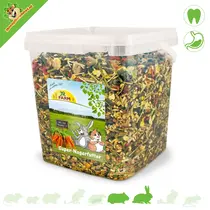
Mixed feed in a convenient bucket for rabbits and guinea pigs. With alfalfa, grains, vegetables, seeds, and added vitamin C.
Read more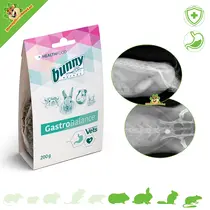
Does your beloved rodent or rabbit suffer from a sensitive digestive system and problems with gas? Don't worry! BunnyNature Gastro Balance is specially designed as a dietary supplement to support them during times of digestive issues, such as digestive pr
Read more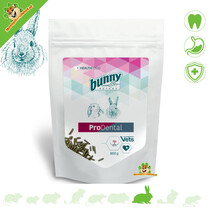
Complete feed for adult dwarf rabbits. Adjusted pellet size for rabbits with incomplete dentition or dental problems. High-fiber base containing, among other things, herb-rich grassland, spirulina, and inulin.
Read more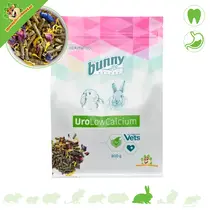
Complete feed for adult rabbits with a low calcium content, Timothy and selected plants such as cockle root, birch and nettle leaves.
Read more- Voor 17 uur besteld, dezelfde dag verzonden!
- Rodent specialist since 2011
- Dispatched from our own stock
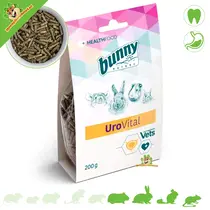
Complementary dietary supplement for dwarf rabbits, guinea pigs, chinchillas, and degus with low calcium content, stabilized vitamin C, and herbs such as cocksfoot root and parsley root.
Read more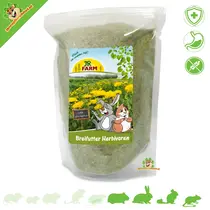
Grain-free porridge for temporary use in herbivorous animals such as rabbits, guinea pigs, chinchillas, and degus. With meadow plants, herbs, pectin, and fiber.
Read more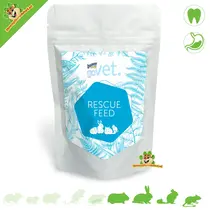
100% natural RescueFeed to make a paste with lukewarm water for (supplementary) feeding with a feeding syringe. For rabbits and rodents that are temporarily not eating (well) on their own, for example after a procedure.
Read more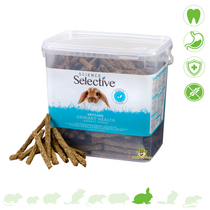
Complete rabbit food for rabbits from 20 weeks of age that benefit from a low-calcium diet. Based on Timothy hay, with fiber, herbs, and cranberries.
Read more- Voor 17 uur besteld, dezelfde dag verzonden!
- Rodent specialist since 2011
- Dispatched from our own stock
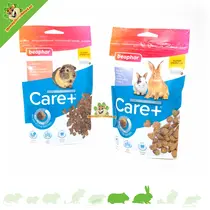
Curious about this guinea pig food? Order a sample bag to give it a try!
Read more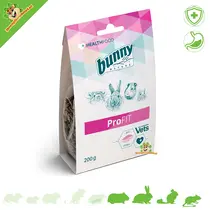
Bunny Nature Health Profit is a complementary dietary supplement for rabbits, guinea pigs, chinchillas, and degus. Containing inulin, chamomile, brewer's yeast, and vitamins, among other ingredients, as a daily extra supplement alongside the basic diet.
Read more
Buy rabbit food – kibble, pellets and natural food for rabbits
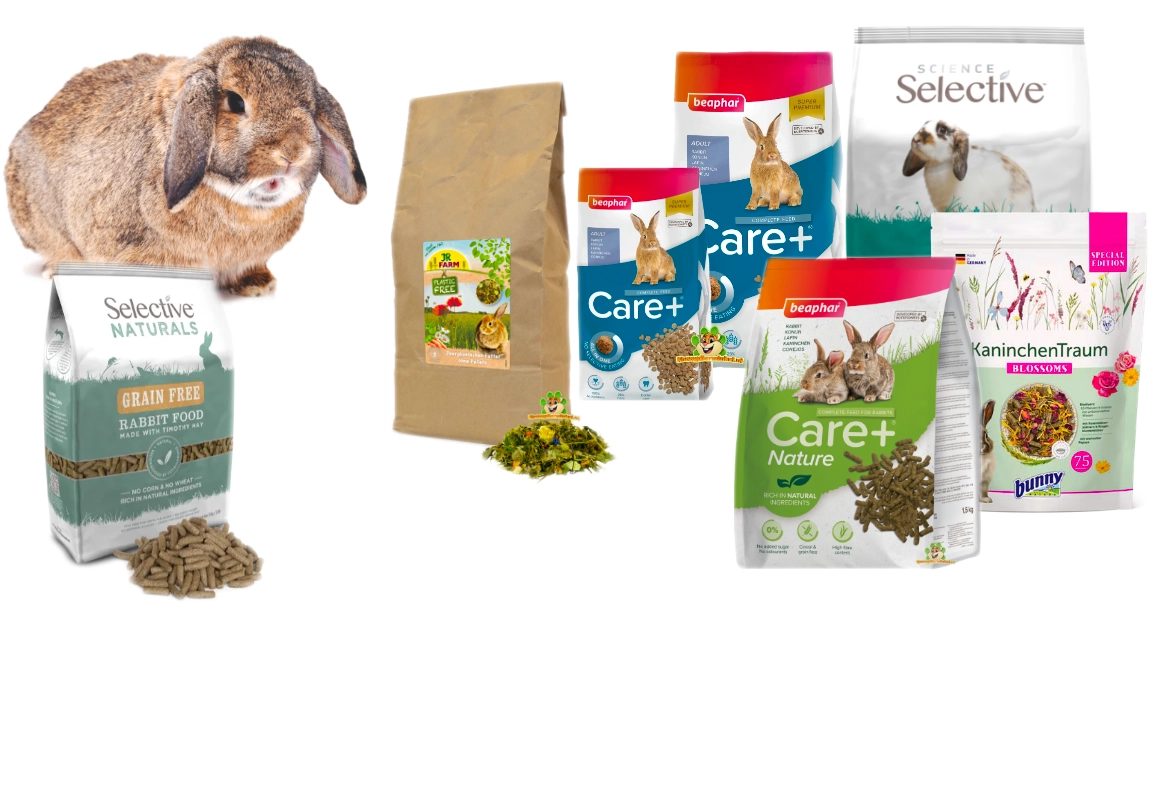 You choose good rabbit food as a supplement to the daily basics: plenty of hay, clean drinking water, and a suitable care routine. In this category, you will find rabbit pellets, all-in-one food, and natural foods for rabbits. Which food suits you best depends on your rabbits, their age, condition, eating habits, hay intake, and droppings.
At DRD Knaagdierwinkel®, we don't just look at “which food is tasty?”, but primarily at the role of the food in the overall daily routine. Hay remains the most important foundation. Rabbit food helps to supplement the daily diet, while you continue to monitor whether the balance is right through hay intake, droppings, weight, and appetite.
✓ In short: rabbit food is a supplement to hay, not a replacement for it.
✓ All-in-one kibble or pellets can help limit selective eating, because every kibble has the same composition.
✓ Always check if your rabbits continue to eat hay properly and produce normal droppings.
Quick links:
Nutrition in brief · Types of rabbit food · Which food is right? · How much food? · Hay remains the basis · Switching · Useful shopping routes · FAQ
As a supplement to hay
Rabbit food supplements the daily base. Hay remains important for chewing, fiber, and the normal feeding routine.
Eat less selectively
With all-in-one pellets or kibble, rabbits cannot just pick the tasty pieces from the mix.
Droppings as a control
Normal droppings, good hay intake, and a stable appetite help you assess the diet daily.
Rabbit food in brief
Rabbits are herbivores and require a fiber-rich diet. In daily practice, this means: hay as a base, clean drinking water, an appropriate portion of rabbit food, and optionally safe extras such as herbs or vegetables. Therefore, you should always choose rabbit food within the overall picture.
A good daily routine is clear: hay is always available, rabbit food is measured out, water is clean and accessible, and you check if your rabbits are producing normal droppings. If any of these points change noticeably, you look not only at the food, but also at teeth, stress, health, living conditions, and hay intake.
Daily nutritional basis
✓ Plenty of fresh hay as a daily basis.
✓ Clean drinking water that is easily accessible.
✓ A suitable portion of rabbit food, tailored to your rabbits.
✓ Optionally, herbs or vegetables as a supplement to the routine.
✓ Daily monitoring of droppings, appetite, hay intake, and behavior.
What types of rabbit food are there?
In this category, you will find various types of rabbit food. These include uniform kibble, pellets, all-in-one food, natural foods, and supplementary mixes. The differences lie primarily in composition, texture, fiber content, portion recommendations, and the risk of selective eating.
All-in-one kibble and pellets
With all-in-one food, every kibble has the same composition. This is practical for rabbits that otherwise eat selectively or only choose the tastiest pieces.
Natural rabbit food
Natural foods often contain more visible plant-based ingredients. Pay close attention to portion size, balance, and whether your rabbits eat everything.
Additional mixes
Supplementary feeds or herbal mixes are used alongside the basic diet of hay and main feed. They are primarily intended for variety and foraging.
Useful routes: All-in-one food · All-in-one kibble and pellet food · Rabbit herbs
Which rabbit food suits your rabbits?
The best rabbit food is the food that suits your rabbits and the rest of their feeding routine. Therefore, do not look only at brand or flavor, but also at hay intake, age, condition, activity, sensitivity, droppings, and whether your rabbits are selective eaters.
For rabbits that enjoy choosing from a mixed diet, a uniform kibble or pellet can be pleasant. For rabbits that have a consistent diet, a different texture may also be suitable. The most important thing is that the food is easy to portion, is eaten readily, and does not displace daily hay intake.
Pay attention to when choosing
✓ Do your rabbits eat enough hay in addition to their food?
✓ Do they eat everything or do they only choose certain pieces?
✓ Are the droppings normal in shape, size, and quantity?
✓ Is the portion suitable for weight, fitness level, and activity?
✓ Is the food practical to portion into the daily routine?
Want to learn more? Read also: Rabbit food selection guide · What does a rabbit eat?
How much rabbit food do you give per day?
The correct portion depends on the food, weight, age, activity, and condition of your rabbits. Use the feeding advice on the packaging as a starting point and then observe the situation in practice: are your rabbits eating plenty of hay, maintaining a healthy weight, and are their droppings normal?
As a practical guideline, a limited amount of pellets per kilogram of body weight is often used, but feeding remains a customized process. Do not constantly give extras “by feel,” as pellets can quickly displace hay intake. In cases of overweight, illness, old age, or recovery, it is preferable to follow the advice of a veterinarian specializing in rabbits.
Determine portion
✓ Always read the feeding advice on the packaging.
✓ Weigh the portion, especially for small rabbits or multiple rabbits together.
✓ Check if both rabbits can eat fairly.
✓ Is the hay still being eaten well?
✓ Do not drastically adjust the portion without a clear reason.
Hay remains the basis alongside rabbit food
Rabbit food is important, but hay remains the basis of the daily diet. Hay provides prolonged chewing and fits the natural eating rhythm of rabbits. When rabbits are given too many pellets, they may start eating less hay. That is why the ratio of hay to food is so important.
Are your rabbits eating little hay? Then look at the amount of pellets, the type of hay, where the hay is kept, the freshness of the hay, the teeth, and the general health. A rabbit that suddenly eats less or stops eating should always be taken seriously.
Useful routes: Rabbit hay · Hay racks for rabbits · Rabbit hay selection guide
Switching to different rabbit food
Transition gradually when changing rabbit food. First, mix the new food with the old food and gradually increase the proportion of new food. This allows your rabbits to get used to the taste, texture, and composition. During this period, check very carefully to ensure they continue to eat, take hay, and produce normal droppings.
Extra caution is advisable with sensitive rabbits, older rabbits, or rabbits with previous intestinal problems. Is there a loss of appetite, diarrhea, significantly fewer droppings, or lethargy? Then stop waiting and contact a rabbit-specialist veterinarian.
Transfer smoothly
✓ Temporarily mix old and new food together.
✓ Introduce the new food gradually.
✓ Check droppings and appetite daily.
✓ Ensure that hay remains available at all times.
✓ Make sure both rabbits continue to eat well.
Handy shopping routes for rabbit food
Rabbit food is never separate from the rest of the daily care. Therefore, combine food with good hay, a clear hay and litter area, clean drinking water, and enrichment where you can let the rabbit search for part of the daily portion.
Frequently asked questions about rabbit food
What is good rabbit food?
Good rabbit food suits your rabbits, is easy to portion, and supports the daily routine alongside hay. Pay attention to hay intake, droppings, condition, age, and whether your rabbits are selective eaters.
Is rabbit food the main food?
No, hay remains the most important daily staple. Rabbit food is a supplement. Therefore, always provide plenty of hay and portion the rabbit food consciously.
What is better: mixed feed or pellets?
Pellets or all-in-one kibble are convenient when you want to limit picky eating. With mixed feed, some rabbits may only pick the tastiest pieces, which can compromise the overall balance.
How much rabbit food do you give per day?
Use the feeding advice on the packaging as a starting point and observe weight, condition, activity, hay intake, and droppings. Weigh the portion, especially for small rabbits or multiple rabbits together.
Can you just switch to other rabbit food?
It is better to switch gradually. Temporarily mix the old and new food together and check daily whether your rabbits continue to eat well, take hay, and produce normal droppings.
Why do my rabbits eat so little hay?
This can have several causes, such as too many pellets, less appealing hay, stress, dental problems, or health issues. Are your rabbits clearly eating less or stopping eating? Contact a veterinarian specializing in rabbits.
Is natural rabbit food always better?
Not automatically. Natural food can fit in well, but it must align with the total diet, portion size, and hay intake. Therefore, always look at the complete daily menu and at your rabbits themselves.
What should you pay attention to when feeding multiple rabbits together?
Check if both rabbits have enough to eat. If there is a difference in pace or condition, it may help to temporarily feed them separately or in multiple locations so that you can better see who is eating what.
Learn more about rabbit nutrition
Would you like to first better understand what your rabbits need on a daily basis? Then read our information pages on nutrition, hay, droppings, teeth, and appetite. This way, you choose rabbit food not as a standalone purchase, but as part of a complete care routine.
What does a rabbit eat? · Rabbit food selection guide · Rabbit hay selection guide · Rabbit droppings · A rabbit's teeth · A rabbit doesn't eat
Rabbit food at DRD Knaagdierwinkel®
At DRD Knaagdierwinkel®, you will find rabbit food that fits into a conscious daily feeding routine. Whether you are looking for pellets, all-in-one kibble, natural food, or supplementary herbs: we help you choose based on what truly feels right for your rabbits.
✓ Rabbit food, hay, herbs, and forage products neatly organized together
✓ Practical selection aid for portion size, hay intake, droppings, and eating behavior
✓ Internal routes to hay, herbs, feeders, and information pages
✓ Specialist since 2011
✓ Delivered from our own stock
