Polski



Hay Rack Hanging Basket 21 cm for Hay


- Dispatched from our own stock
- Personal & expert advice
- Always 100% rodent-friendly
- Ordered before 5 p.m., shipped the same day!
Trixie Hay Rack Hanging Basket 21 cm for hay
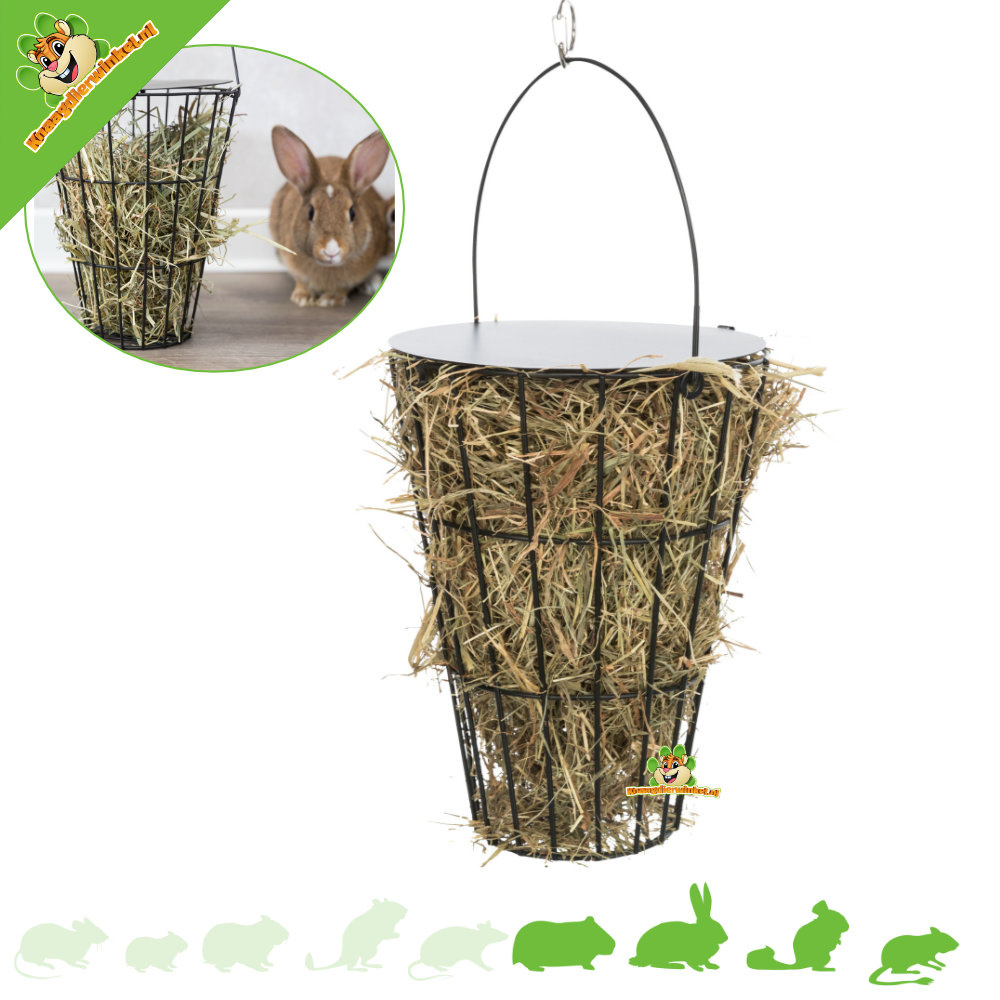
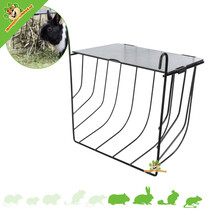
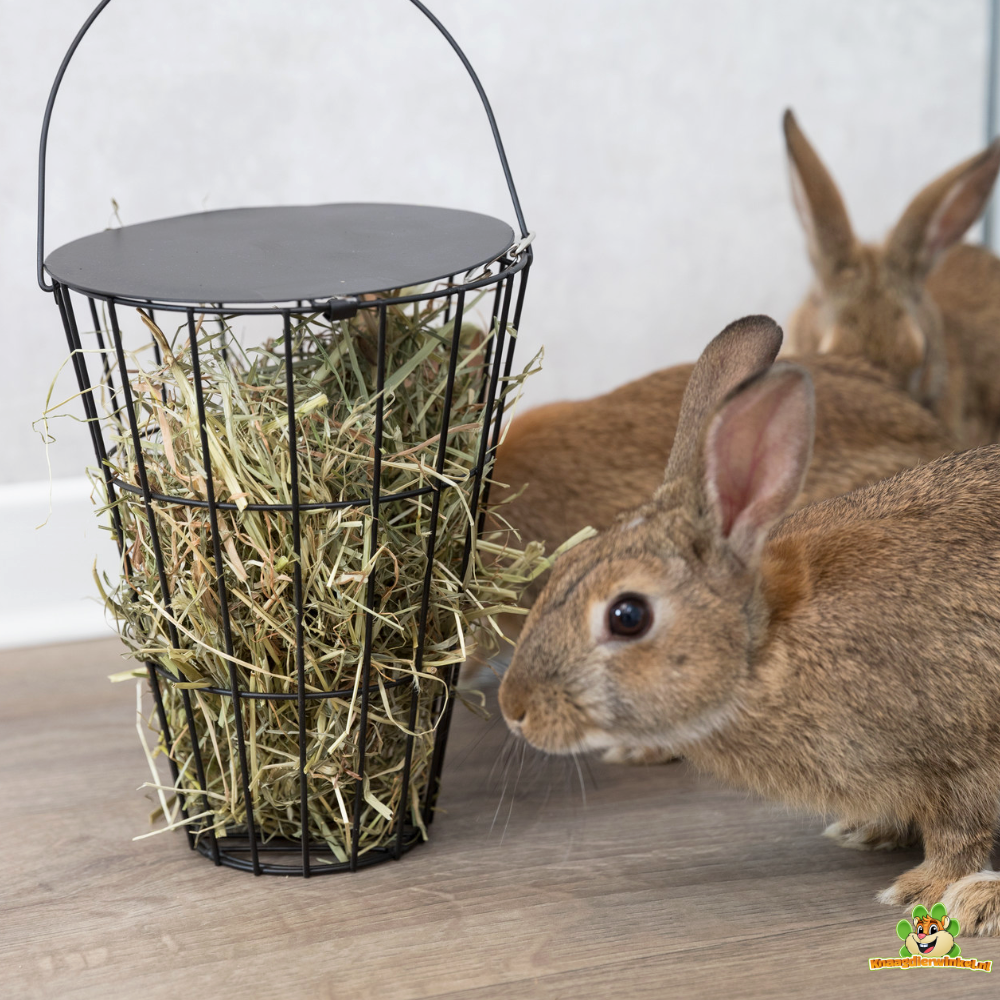
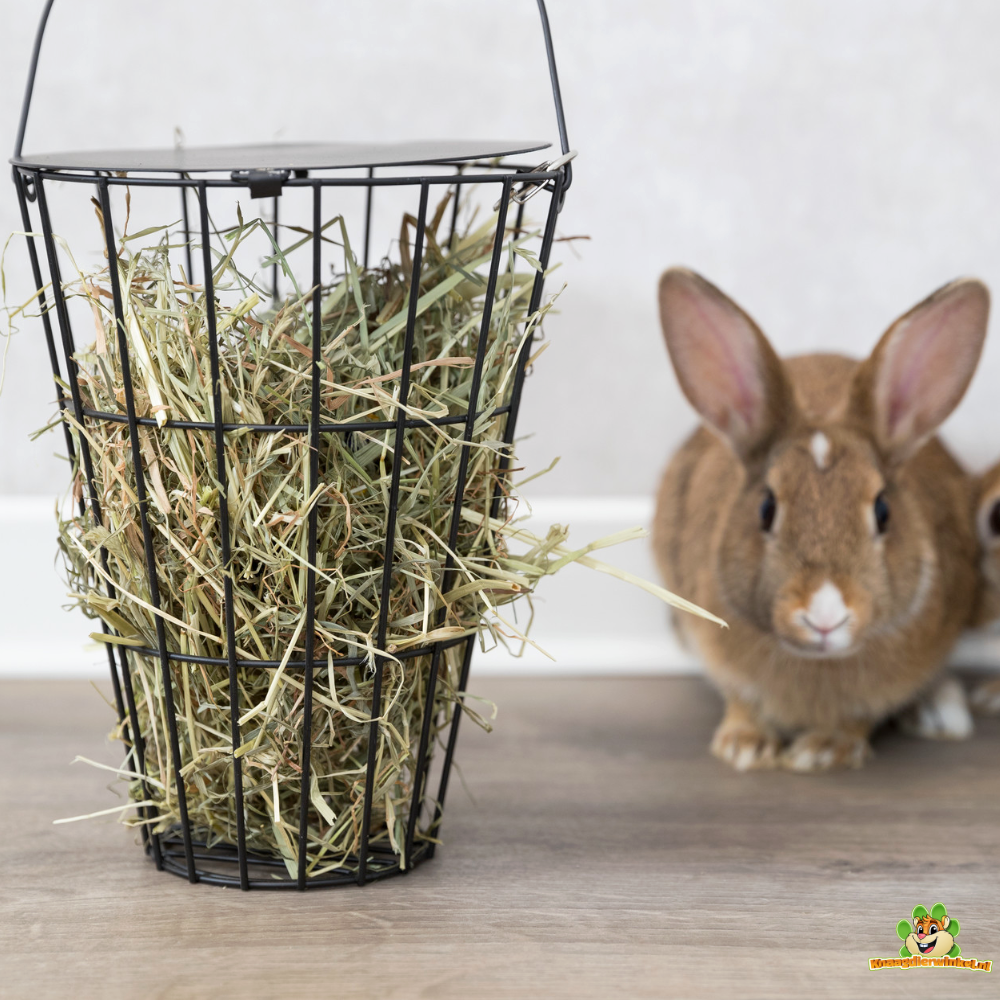
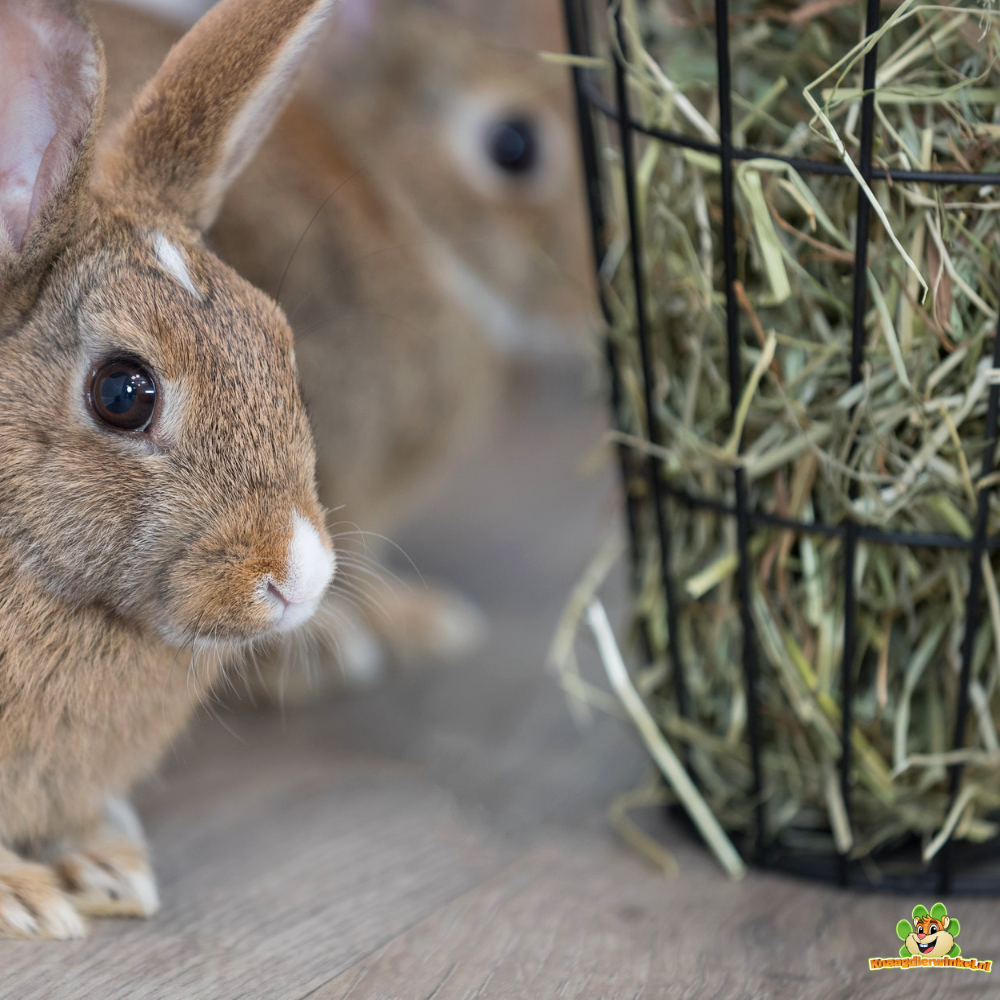
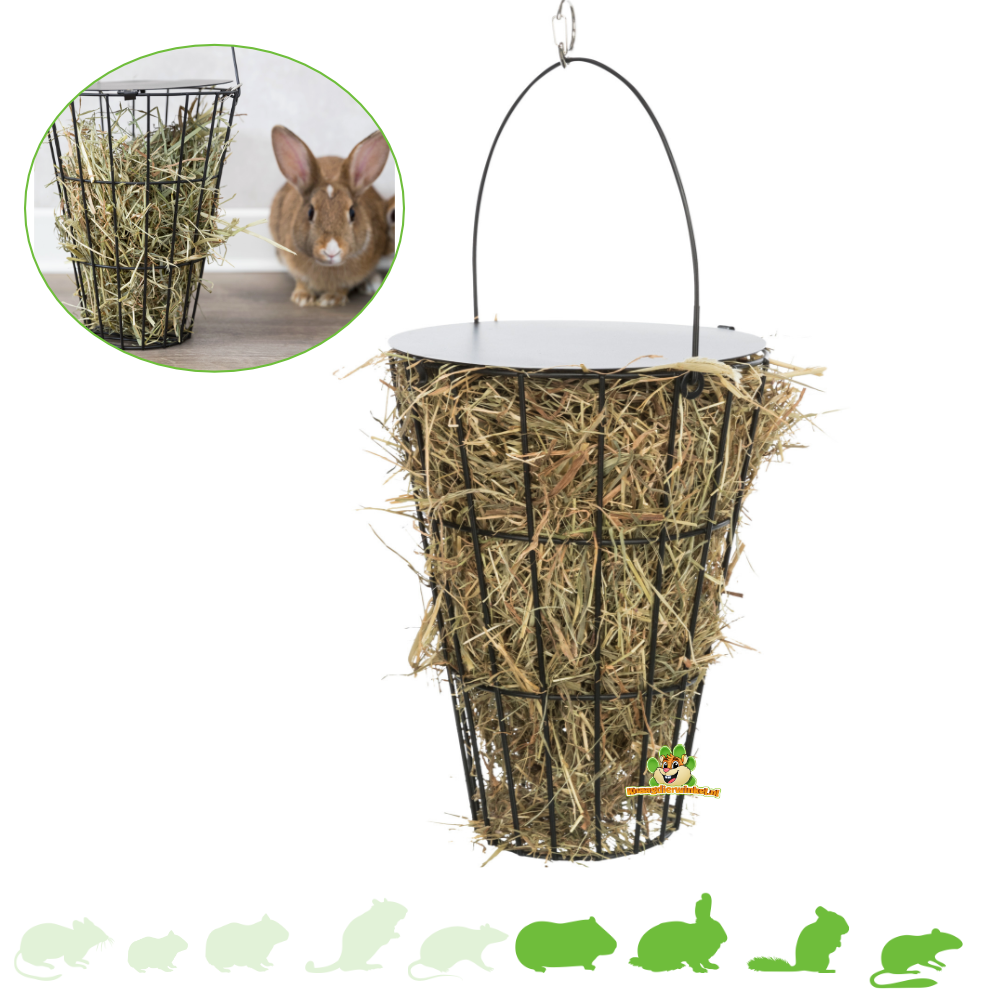
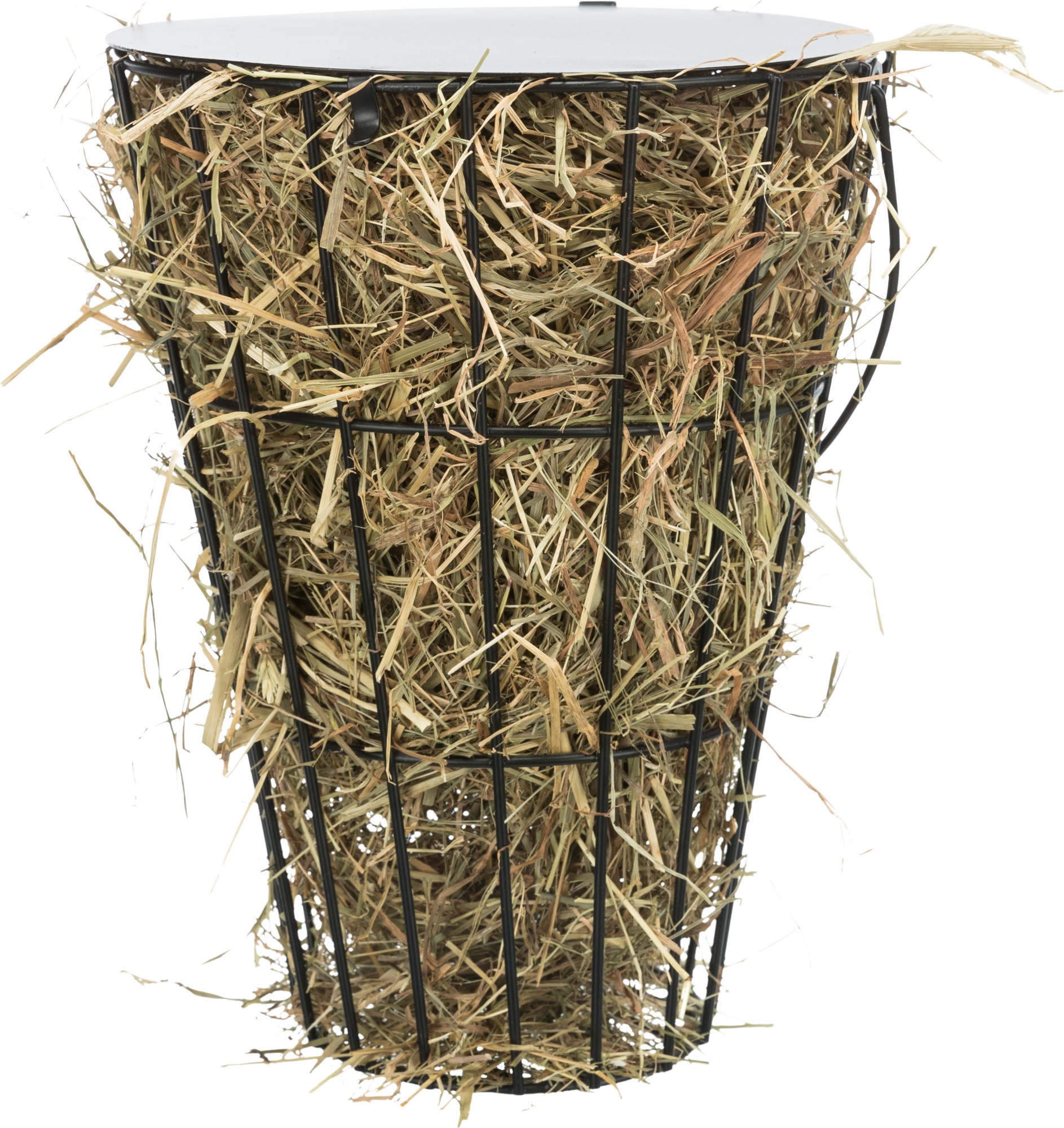
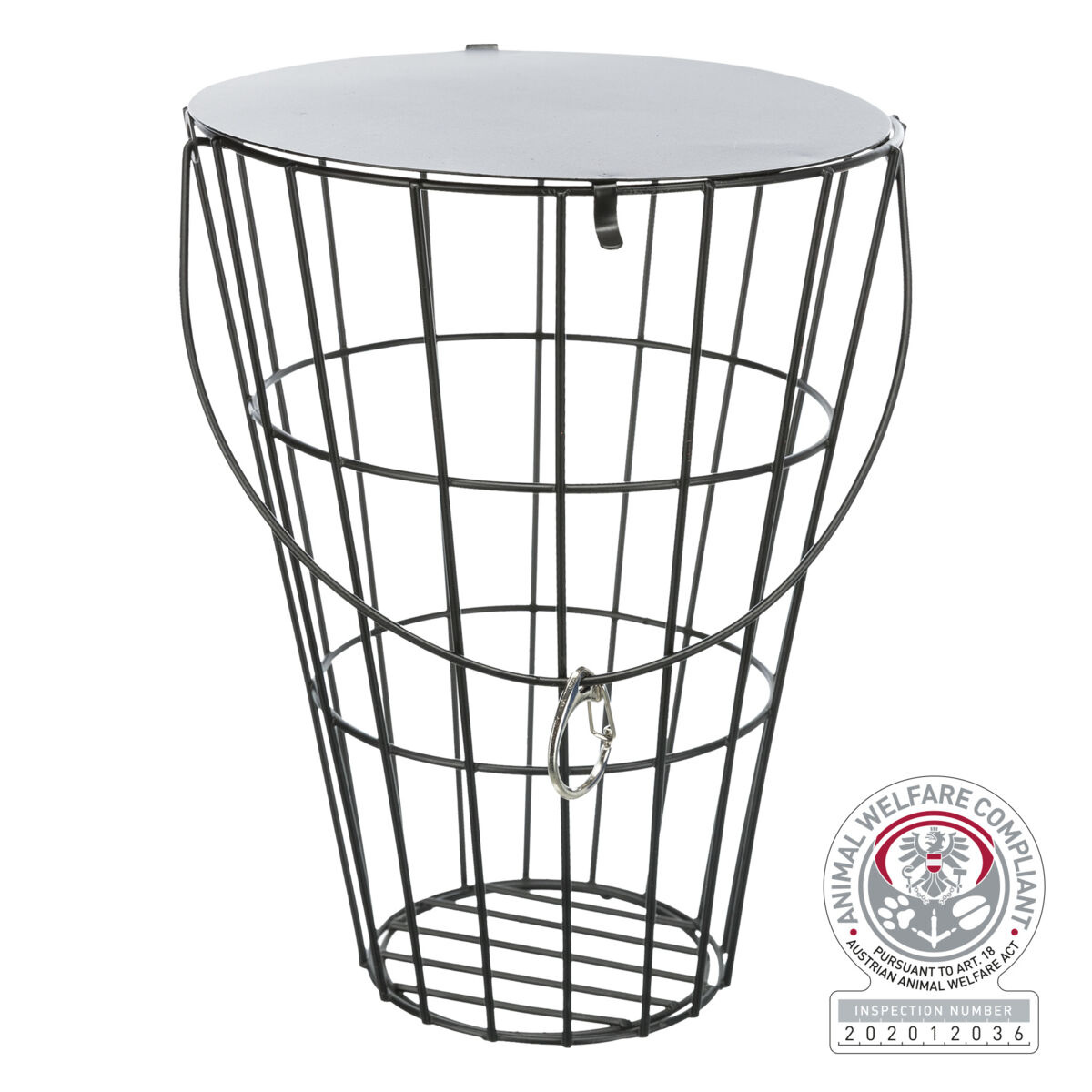
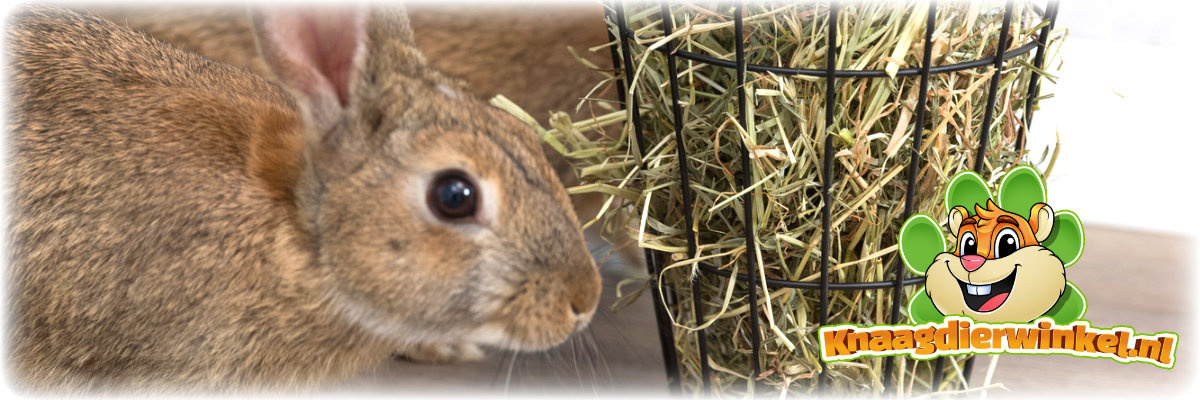
The Trixie Hanging Hay Rack Basket 21 cm is a sturdy metal hay rack for neatly presenting hay. Thanks to the hanging design, the hay stays together better and is less likely to be scattered throughout the enclosure. This is especially useful for animals that eat a lot of hay daily, such as guinea pigs, rabbits, chinchillas, and degus.
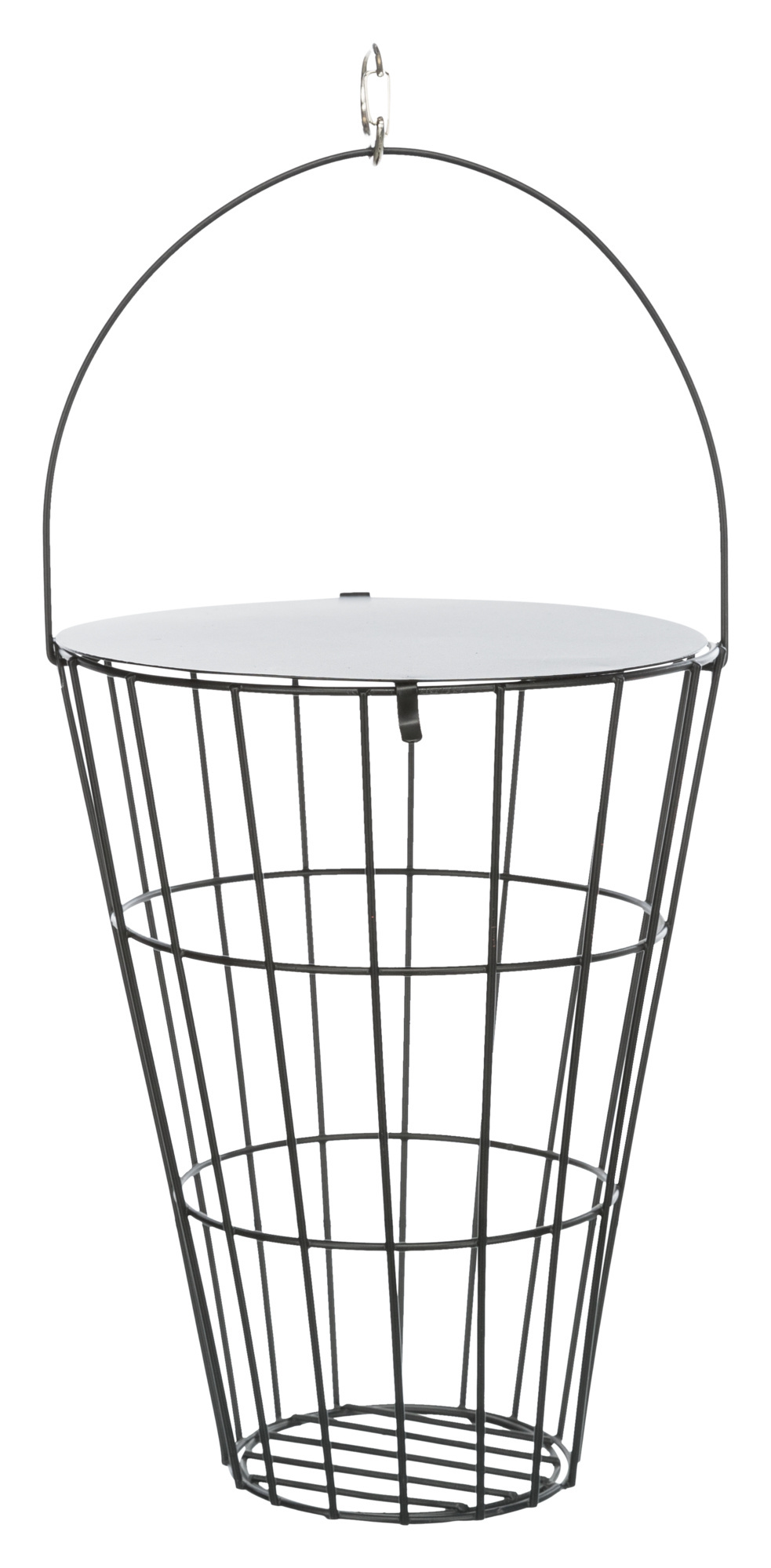
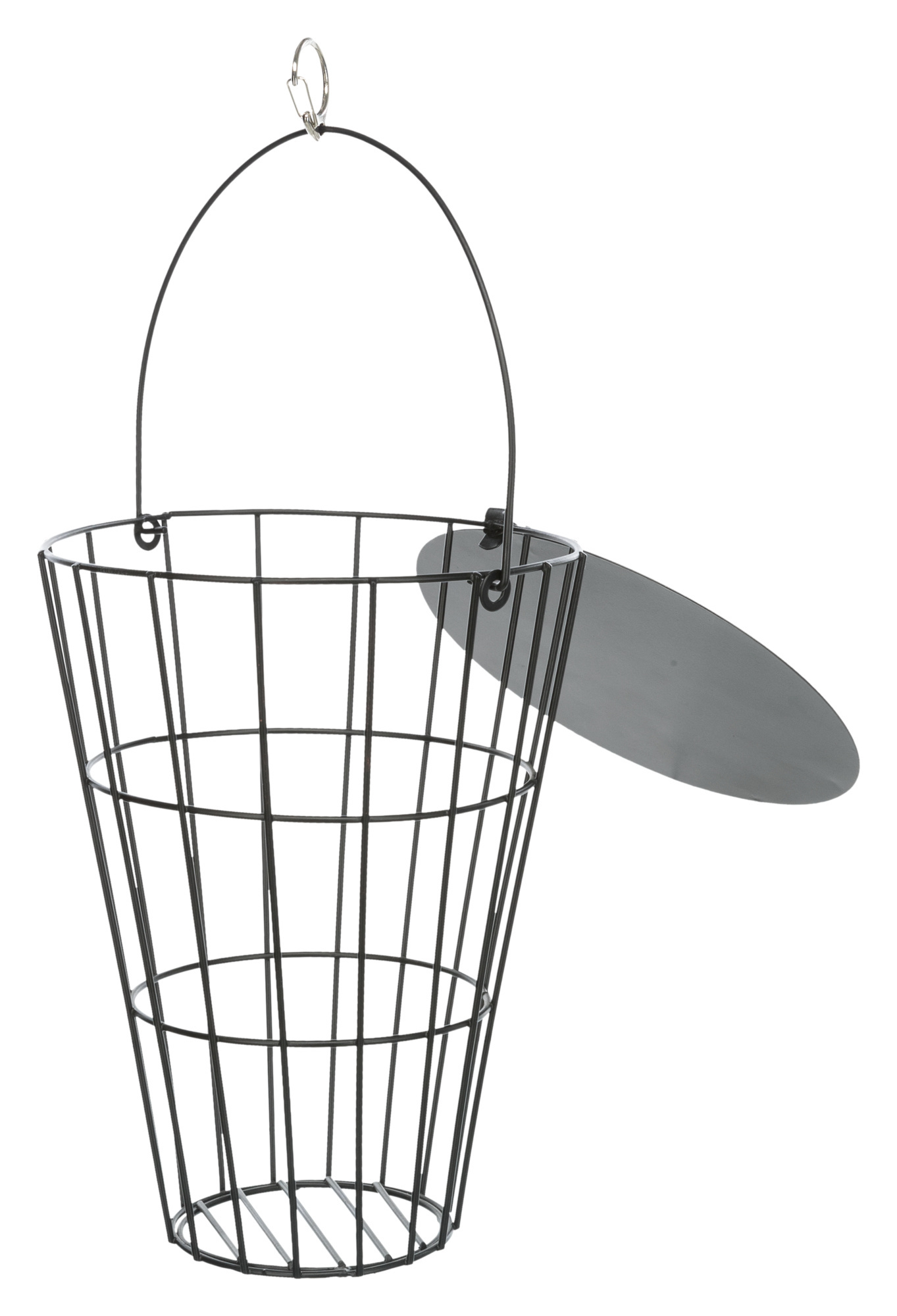
The hay rack is made of powder-coated metal and has a protective lid. This lid helps prevent animals from jumping into the rack or sitting on top of the hay. This keeps the hay more accessible as feed and ensures the hay area remains more organized.
In short
- Hanging metal hay rack of 21 cm
- For neatly presenting hay
- Suitable for guinea pigs, rabbits, chinchillas, and degus
- With a protective lid, so that animals are less likely to jump in.
- Made of powder-coated metal
- Practical for a permanent hay spot in an enclosure or run.
Advantages of the Trixie Hay Rack Hanging Basket
✔ Keeps hay together better and off the ground
✔ Protective lid helps prevent animals from jumping into the hay rack
✔ Made of sturdy, powder-coated metal
✔ More rodent-resistant than wooden or fabric hay solutions
✔ Handy for guinea pigs, rabbits, chinchillas, and degus
✔ Practical for a permanent hay spot or toilet hay corner
Why choose a hanging hay rack?
Hay is an important part of daily care for guinea pigs, rabbits, chinchillas, and degus. These animals enjoy eating small portions of hay spread throughout the day. A good hay rack helps to present the hay in an organized manner, so that it is less likely to be trampled around the enclosure or become soiled.
A hanging hay rack is particularly useful when you want to create a designated hay spot. For example, you can hang the rack next to a toilet area, near a quiet eating area, or in a place where your animal can easily reach it. This way, eating hay becomes part of a clear routine in the enclosure.
The lid is an important detail. Some animals try to jump into an open hay rack or sit on top of the hay. This can cause the hay to get dirty or make the posture awkward. With a lid, the rack remains more of a feeding area and less of a climbing or resting place.
For which animals is the Trixie Hay Rack Hanging Basket 21 cm suitable?
- Guinea pig: suitable for offering hay daily. Hang the hay rack low enough so that your guinea pig can eat comfortably without having to stretch.
- Rabbit: suitable as a permanent hay spot in an enclosure or run. Place the hay rack at a practical height and check that your rabbit can easily reach the hay without getting its head stuck.
- Chinchilla: suitable for offering hay dry and neatly. Hang the hay rack securely and ensure the hay remains clean and dust-free.
- Degu: suitable as a hay rack for daily hay and foraging behavior. Degus can actively pull on hay, so secure the rack properly and check regularly.
For mice, dwarf hamsters, hamsters, and gerbils, a hay rack usually has no clear function. These animals use hay primarily as nesting or landscaping material and do not eat it as a daily hay staple like guinea pigs and rabbits. For rats, a hay rack is also less logical, as hay does not play a fixed role in their daily care and dusty hay can be unpleasant for their sensitive airways.
Use & hang
Fill the hay rack with clean, dry hay and hang it securely from the bars or a suitable attachment point. Hang the rack at a height where your animal can eat comfortably. The animal should not have to jump, climb, or reach too high to get to the hay.
For guinea pigs, the hay rack is usually hung quite low, as guinea pigs like to keep all their paws on the ground. For rabbits, the hay rack may hang slightly higher, as long as the rabbit can easily reach the hay. For chinchillas and degus, a sturdy attachment is important, as they may actively pull on hay and materials.
Check daily whether there is still enough fresh hay in the hay rack. Remove old, wet, or dirty hay and refill the rack. Hay should smell fresh, dry, and natural.
What should you look out for regarding the bar spacing?
With a hay rack, it is important that animals can reach the hay but cannot get their entire heads between the bars. The correct bar spacing depends on the animal species, the size of the animal, and the shape of the head.
A practical guideline is: your animal must be able to reach the hay with its snout, but must not be able to get stuck. Does the head just fit through the bars, or do you see your animal trying to wriggle through? Then remove the hay rack from the enclosure and choose another way to offer hay.
Pay particular attention to this with young animals, small rabbit breeds, young guinea pigs, and animals with a narrow head. Always check how your animal uses the hay rack when first using it.
Offer hay neatly
A hay rack helps keep hay cleaner, but it remains important to check the hay area daily. Animals pull hay from the rack, select what they want to eat, and sometimes drop parts. This is part of natural eating behavior.
You can combine the hay rack with a toilet area or hay corner. Many guinea pigs and rabbits enjoy eating hay while sitting on or near their toilet. By hanging the rack in a smart spot, you often make maintenance easier and keep the enclosure more organized.
The animal welfare label
This product bears the Tierschutz-Kennzeichen. This is an animal welfare label for products that have been assessed in accordance with the Austrian Animal Welfare Act. The assessment considers, among other things, legal regulations, current insights, practical experience, and the use of the product by the relevant animal species.
For you as an owner, this provides extra guidance when choosing a product intended for animal-friendly use. It remains important, however, to hang the hay rack properly, check the bar spacing in practice, and offer clean hay daily.

Material & maintenance
The hay rack is made of powder-coated metal. This makes the rack sturdy and highly resistant to daily use. Furthermore, metal is practical for animals that like to gnaw, as it is less prone to damage than wood, cardboard, or textile.
Empty the hay rack regularly and remove dust, small hay particles, and dirt. If necessary, wipe the rack with a dry or slightly damp cloth and dry it thoroughly before refilling it. Also check the suspension points, the lid, and the bars for damage or sharp edges.
Great to combine with
The Trixie Hanging Hay Rack Basket is a good fit for a fixed haying spot and daily hay care. You can combine it with:
- Hay for rodents and rabbits
- Guinea pig hay
- Rabbit hay
- Hay racks and hay sacks
- Bedding and nesting material
Good to know
Always securely fasten the hay rack and check that your animal can safely access the hay. Ensure that your animal cannot get its head caught between the bars. Use the rack only for clean, dry hay and remove old or wet hay daily. Replace the rack if sharp edges, loose parts, or damage occur.
Frequently Asked Questions
For which animals is this hay rack suitable?
The Trixie Hay Rack Hanging Basket is suitable for guinea pigs, rabbits, chinchillas, and degus. These are animals for which hay plays an important daily role.
Is this hay rack suitable for guinea pigs?
Yes, this hay rack can be suitable for guinea pigs. Hang it low enough so that your guinea pig can eat hay in a relaxed manner without having to climb or stretch.
Is this hay rack suitable for rabbits?
Yes, rabbits can use this hay rack as a permanent hay spot. However, always check that the bar spacing and hanging height are suitable for your rabbit.
Why does this hay rack have a lid?
The lid helps prevent animals from jumping into the hay rack or sitting on top of the hay. This keeps the hay more accessible and cleaner.
What should I pay attention to regarding the bar spacing?
Your animal must be able to reach the hay with its snout, but must not be able to get its entire head between the bars. Always check this in practice.
Is a hay rack suitable for rats?
For rats, a hay rack usually has no clear function in daily care. Rats do not require a daily hay base, and dusty hay can be unpleasant for their respiratory system.
How often should I clean the hay rack?
Check the hay rack daily and remove old, wet, or dirty hay. Empty the hay rack regularly and wipe it down whenever dust, dirt, or hay particles remain.
Useful shopping links
- Hay for rodents and rabbits
- Hay racks and hay sacks
- Guinea pig hay
- Rabbit hay
- Chinchilla products
- Degoe products
The Trixie Hanging Hay Rack 21 cm is a practical choice for owners who want to offer hay neatly, dry, and in an organized manner. Thanks to the metal design, the protective lid, and the hanging shape, this rack is well-suited for the daily hay care of guinea pigs, rabbits, chinchillas, and degus.

| Feeder Type: | Base Hay Feeder |
| Material: | Metal |
| Dimensions (approx): | ø 9/ø 16 × 21 cm |
| Bars: | Rounded |
| Distance bars (approx): | - |
| Coverable roof: | Yes |
| Suitable for: | Rodents, Guinea Pig, Rabbit, Chinchilla, Degu |
| Particularities: | - |
| Safety Information: | Offer only under supervision. Check regularly for wear and tear |