 Polski

Guinea pig transport boxes and travel carriers
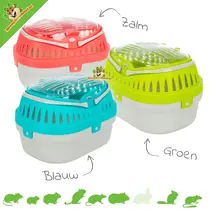
Spacious plastic transport box measuring 30 x 23 x 21 cm for rodents such as rats, guinea pigs, hamsters, gerbils, chinchillas, and degus. For short-term transport under supervision.
Read more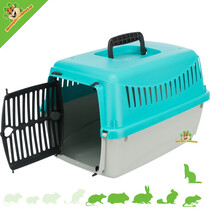
Sturdy 39 cm plastic transport box for the temporary transport of rodents and ferrets up to 4 kg. With a barred door, ventilation holes, and a convenient carrying handle.
Read more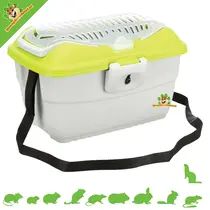
Spacious plastic transport box measuring 40 x 22 x 30 cm for rodents and small rabbits. With ventilation, transparent lid, flap, shoulder strap, and two handles.
Read more
Sturdy 48 cm transport box for rats, guinea pigs, rabbits, chinchillas, and degus. With handle, ventilation holes, and front door.
Read more- Voor 17 uur besteld, dezelfde dag verzonden!
- Rodent specialist since 2011
- Dispatched from our own stock
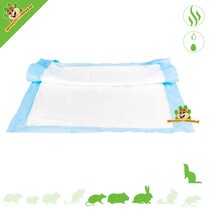
The potty training mats are actually made for puppies, but can also be used for guinea pigs, for example, as a base under a fleece blanket or pee pad. The sealed edge protects against leakage, and the mat is made of long-fiber, natural cellulose.
Read more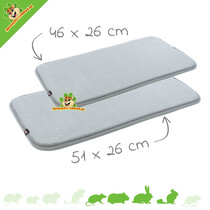
A handy and soft plush anti-slip mat for in a transport box. Rodents and rabbits that are transported in a travel basket like to have grip, this gives the animals peace and reassures them. The anti-slip mat is filled with soft foam rubber and therefore pl
Read more
15 ml calming spray for stressful moments in rodents and rabbits. Handy during transport, vet visits, new environments, or restlessness. Do not spray directly on the animal.
Read more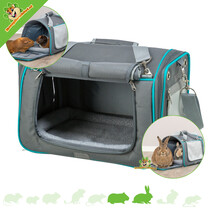
Shape-retaining transport bag of 40 cm for guinea pigs and small rabbits up to 5 kg. With ventilation, multiple openings, removable inner cushion, and carrying strap.
Read more- Voor 17 uur besteld, dezelfde dag verzonden!
- Rodent specialist since 2011
- Dispatched from our own stock
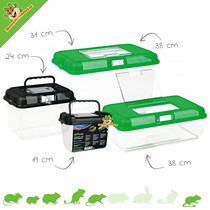
Transparent plastic transport box in multiple sizes for mice, dwarf hamsters, hamsters, gerbils, rats, and degus. For short-term transport, observation, and temporary supervised housing.
Read more
Choosing a guinea pig transport box: safe transport to the vet, shelter, or short trip
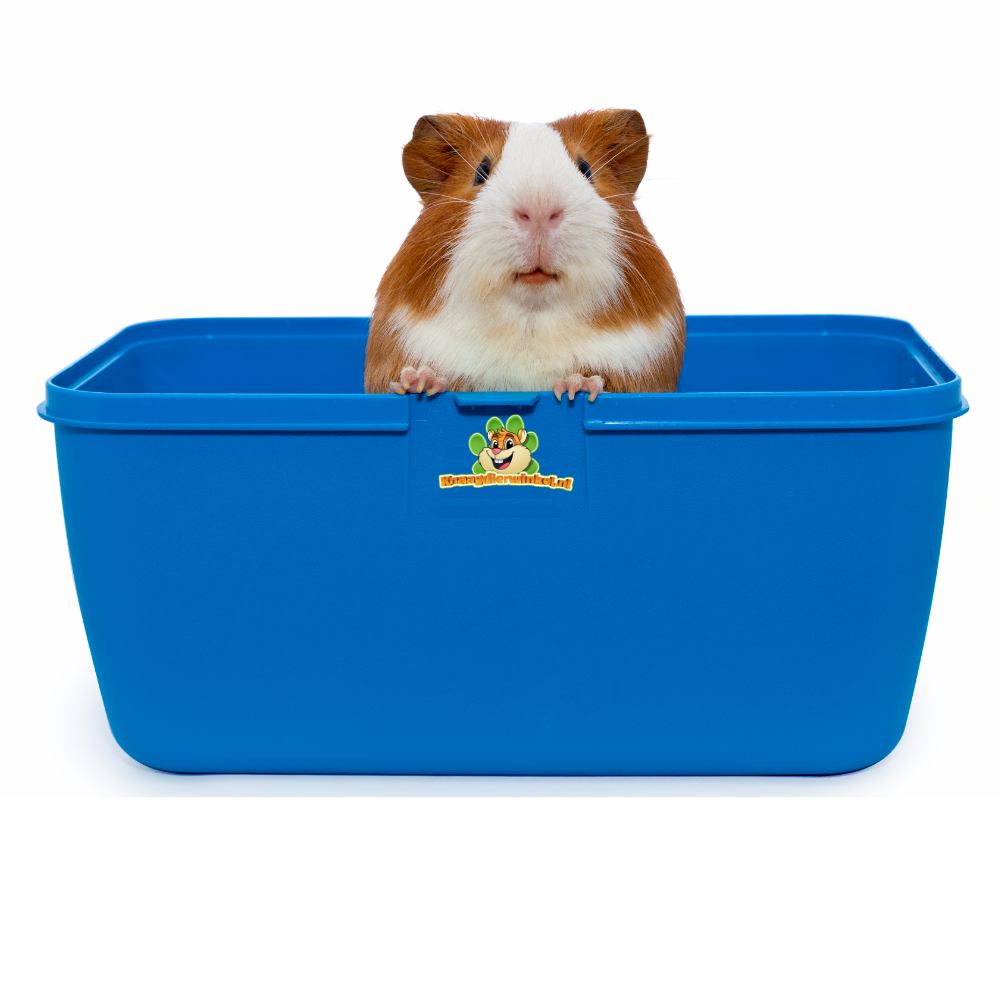 A guinea pig transport box should really be kept ready as standard. Not only for holidays or boarding, but especially for vet visits, moving, picking up new guinea pigs, or unexpected situations where you need to be able to transport them quickly and safely.
A good transport box is sturdy, well-ventilated, easy to open, practical to clean, and large enough for your guinea pig to sit or lie down safely. At the same time, the box should not be so large that your guinea pig slides around inside with every movement. The right setup makes a big difference: a non-slip surface, some familiar hay, and calm transport help make the journey more manageable.
At DRD Knaagdierwinkel®, we view transport as part of good preparation. Do you have a carrier ready for a vet visit? Does it fit one or more guinea pigs? Can you carry it safely? And have you considered temperature, bedding, hay, stress, and waiting time? This is how you choose a transport carrier that is not only convenient but also works in practice. Specialist since 2011.
✓ Guinea pig transport boxes and travel carriers for vet visits, moving, shelters, and short trips
✓ Sturdy, ventilated boxes that are practical to use and clean
✓ Combines well with hay, absorbent bedding, pee pads, and health checks
✓ Selected by DRD Knaagdierwinkel® – Specialist since 2011
Quick links
In short • Why a transport box? • Which box do you choose? • Setting up the transport box • Vet visits • Heat, cold & drafts • Multiple guinea pigs • Cleaning • FAQ
In short: what is a good transport box for guinea pigs?
A good transport box for guinea pigs is sturdy, well-ventilated, securely lockable, and easy to carry. The box must be large enough for your guinea pig to sit or lie down comfortably, but compact enough to provide stability during transport.
Pay particular attention to grip, ventilation, accessibility, and cleanability. A guinea pig should not slide on a slippery surface. Therefore, place an absorbent, non-slip bedding in the cage and add some familiar hay for scent, shelter, and rest, unless your veterinarian advises otherwise.
A transport crate is not suitable for long-term accommodation. Use it for short trips, vet visits, boarding, picking up, or moving. For longer-term boarding or temporary stays, you need a more spacious, safe setup.
Sturdy and safe
The box must close properly, remain stable, and be safe to carry.
Good ventilation
Ventilation is important, but do not place the box in a draft, direct sunlight, or heat.
Grippy bottom
Use an absorbent surface so that your guinea pig does not slide and urine is caught.
Why do you need a guinea pig transport box?
A transport box is a basic product that you prefer to have ready before you need it. Especially in case of illness or an emergency, it is convenient not to have to search for a suitable box first.
Guinea pigs can react vulnerablely to stress, temperature changes, and slippery surfaces. A good carrier helps make transport calmer and safer. Consider a visit to the vet, a move, a temporary foster situation, picking up new guinea pigs, or short transport to someone who helps with care.
Useful information: Guinea pig health , Guinea pig care and Guinea pig not eating .
Which guinea pig transport box do you choose?
Choose a transport box based on size, sturdiness, ventilation, and ease of use. For one guinea pig, a compact, sturdy box is often preferable. For two guinea pigs, you need more space, but pay attention to stability as well. A box that is too large and lacks grip can make transport unsettling.
| Situation | Often a suitable choice | Why? |
|---|---|---|
| Veterinary visit | Sturdy, securely sealable transport box | Carrying safely, opening quickly, and cleaning thoroughly are important. |
| Transporting one guinea pig | Compact box with non-slip bottom | Provides support and prevents unnecessary sliding. |
| Transporting two guinea pigs | Spacious box with stable base | They must be able to sit together without being cramped. |
| Relocation or childcare | Sturdy travel crate that is easy to clean | With longer waiting times or changing positions, practical maintenance is important. |
| Sick guinea pig | Box with quiet access and a soft, absorbent surface | Less lifting, less sliding, and quick transport to the vet. |
How do you set up a guinea pig transport box?
You can set up a transport box easily and safely. Use an absorbent surface with grip, such as a suitable mat, towel, or bedding material that does not slide around too much. Add a handful of familiar hay so your guinea pig smells something familiar and can nibble on it if desired.
Preferably do not use loose, heavy feed troughs or hard objects that could slide during transport. For short trips, simplicity is often most pleasant: grip, hay, peace and quiet, and a comfortable temperature. In medical situations, follow the veterinarian's advice.
✔ Place an absorbent, non-slip surface in the playpen.
✔ Add a handful of familiar hay for scent and calm.
✔ Avoid loose, heavy objects that can slide.
✔ Check that the box closes properly and ventilates well.
✔ Keep the box stable during carrying and transport.
Guinea pig hay
A handful of familiar hay provides scent, recognition, and something to nibble on.
Ground mats & pee pads
Handy as a non-slip and absorbent surface during short transport.
Guinea pig bedding
For absorbent surfaces and practical solutions for transport or containment.
Transporting a guinea pig to the vet
In case of illness or doubt, a transport box is especially important. Particularly when a guinea pig is not eating, eating much less, is lethargic, in pain, having difficulty breathing, urinating blood, or no longer producing droppings, you want to be able to leave quickly and safely.
Where possible, bring useful information with you: since when has your guinea pig been eating less, what do the droppings look like, is he still drinking, is he urinating normally, has his weight changed, and what food is he receiving? That helps to tell the story clearly.
✔ Prepare the transport box before you pick up your guinea pig.
✔ Place a non-slip surface and some hay in the stall.
✔ Transport quietly, without loud noises, drafts, or temperature stress.
✔ Note eating behavior, droppings, urine, weight, and noticeable signs.
✔ Do not wait if there is no eating, pain, blood, shortness of breath, or lethargy.
Read also: Guinea pig not eating , Guinea pig teeth , Guinea pig droppings and Guinea pig bladder problems .
Transport in heat, cold, and drafts
Temperature is an important consideration during transport. Never place a transport box in direct sunlight, in a hot car, on a cold floor, in a draft, or directly near an air conditioning or heating system. Even a short waiting time can become unpleasant if the temperature is not right.
| Situation | What do you look out for? | Practical advice |
|---|---|---|
| Warm weather | Heat, full sun, stationary car, poor ventilation. | Transport in a cool, shaded place and never leave in a hot car. |
| Cold weather | Cold ground, wind, draft and long waiting time. | Use a dry surface and avoid drafts. |
| Auto | Sliding, braking, sunlight, air conditioning or heating. | Place the box on a stable surface and check the temperature and ventilation. |
| Waiting room | Crowds, loud noises, dogs, drafts, or heat. | Place the playpen calmly, safely, and not on the floor if it is cold or unstable. |
Seasonal routes: Guinea pig summer products and Guinea pig winter products .
Transporting one or more guinea pigs?
Whether you transport guinea pigs together depends on the situation. Guinea pigs are social animals and can support each other, but in case of illness, fighting, bonding, surgery, or veterinary advice, separate transport may be better.
Are you transporting two guinea pigs together? Then choose a carrier in which they are not cramped, but also do not slide around unnecessarily. Provide sufficient grip and check that the animals remain calm. In case of stress, biting, chasing, or a medical necessity, it is preferable to transport them separately.
✔ Transporting them together can provide calm for guinea pigs that get along well.
✔ Transport separately in case of fighting, intense tension, or advice from the veterinarian.
✔ For two guinea pigs, use a box with enough space and good grip.
✔ Do not simply put unknown or newly paired guinea pigs together in a cage.
✔ Observe behavior: calmness, posture, sounds, and movement in the playpen.
Useful extras: Pairing guinea pigs and Guinea pig language .
Clean and prepare the transport box
Clean the transport box after use and let it dry thoroughly before storing it. Remove urine, hay, hair, droppings, and any remaining vegetables or bedding. This way, the box is ready for the next time.
Keep the transport box in a fixed place so you can grab it quickly when needed. You might want to prepare a set in advance: transport box, absorbent bedding, a small towel, hay, and your veterinarian's phone number.
Guinea pig cleaning products
For cleaning the transport box, toilet area, cage, and accessories.
DRD makes the choice: preparing transport before it is needed.
At DRD, we view a transport box as part of responsible guinea pig management. You buy it not only for travel, but primarily to be prepared for when you need to get to a vet quickly.
A good box, a quiet surface, and some familiar hay make transport easier for you and safer for your guinea pig. That provides peace of mind at exactly the moment you need it.
Convenient to combine with a guinea pig transport box
Health & Veterinarian
Guinea pig health • Guinea pig not eating • Guinea pig teeth • Guinea pig droppings
For on the go
Guinea pig hay • Guinea pig floor mats and pee pads • Guinea pig bedding • Guinea pig drinking bottles and water bowls
Care & cleaning
Guinea pig care • Guinea pig cleaning products • Guinea pig litter boxes
Stay & preparation
Guinea pig cage • Guinea pig runs and enclosures • What do you need for guinea pigs? • Guinea pig packages
Checklist – choosing and using a guinea pig transport box
✓ Is the box sturdy, securely lockable, and easy to carry?
✓ Does the transport box have sufficient ventilation?
✓ Is the size suitable for one or more guinea pigs?
✓ Is there a non-slip and absorbent surface in the playpen?
✓ Have you added trusted hay for scent and calm?
✓ Do you avoid heat, full sun, drafts, and cold surfaces?
✓ Is the stall clean, dry, and ready for an unexpected vet visit?
Important to know
A transport box is intended for transport and a short waiting period, not for long-term stay. For boarding, relocation, or longer stopovers, provide a more spacious, safe area with hay, water, shelter, and sufficient floor space.
In case of loss of appetite, pain, shortness of breath, blood, lethargy, no droppings, or clear deterioration, prompt contact with a veterinarian is important. A transport box helps you to act safely and immediately in such situations.
FAQ – frequently asked questions about guinea pig transport boxes
Which transport box is suitable for a guinea pig?
A suitable guinea pig transport box is sturdy, ventilated, securely lockable, easy to carry, and large enough for your guinea pig to sit or lie down comfortably.
How big should a guinea pig transport box be?
The box must be spacious enough for your guinea pig, but not so large that it can slide around a lot during transport. Always use a non-slip surface.
What do you put in a guinea pig transport box?
Use an absorbent, non-slip surface and a handful of familiar hay. Avoid loose, heavy objects that could shift during transport.
Can a guinea pig have hay in the transport box?
Yes, for normal short rides, some familiar hay is often nice. It provides scent, recognition, and something to nibble on. Follow your veterinarian's advice in medical situations.
Can two guinea pigs travel together in one transport box?
This is possible if they get along well and the crate is spacious enough. Separate transport may be better in case of fighting, tension, illness, surgery, or veterinary advice.
How do you transport a guinea pig to the vet?
Prepare the stall calmly, use a non-slip surface, add some hay, and transport it securely. Avoid drafts, heat, direct sunlight, loud noises, and unnecessary waiting time.
Can a guinea pig stay in a transport box for a long time?
A transport box is intended for transport and a short waiting period. For a longer stay, a guinea pig needs a spacious, safe place with hay, water, shelter, and sufficient floor space.
What should you pay attention to in hot weather?
Never place the transport box in direct sunlight or in a hot car. Ensure shade, ventilation, and the shortest possible waiting time.
What should you pay attention to in cold weather?
Prevent drafts, cold surfaces, and long waiting times. Use a dry, absorbent surface and keep the box stable and sheltered.
What do you combine with a guinea pig transport box?
Combine a transport box with hay, an absorbent bedding, pee pads, cleaning supplies, grooming products, health information, and a fixed veterinary routine.
✓ Guinea pig transport boxes and travel carriers for vets, shelters, moving, and short trips
✓ Sturdy, breathable, and practical to use and clean
✓ Can be combined with hay, absorbent bedding, pee pads, and health checks
✓ Ordered before 5 PM, shipped the same day
✓ Specialist since 2011
✓ Delivered from our own stock
Unsure which transport box is best suited for your guinea pigs? Feel free to contact us via our contact page . In case of clear symptoms, loss of appetite, pain, shortness of breath, blood, lethargy, or rapid deterioration, consulting a veterinarian is the right step.
