 Polski

Rat platforms & ladders – climbing, routes, and resting places in the cage


- Voor 17 uur besteld, dezelfde dag verzonden!
- Rodent specialist since 2011
- Dispatched from our own stock




- Voor 17 uur besteld, dezelfde dag verzonden!
- Rodent specialist since 2011
- Dispatched from our own stock


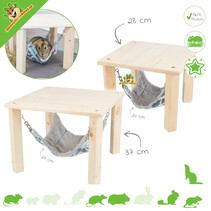
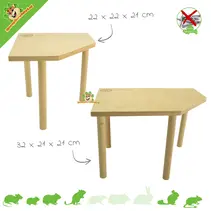
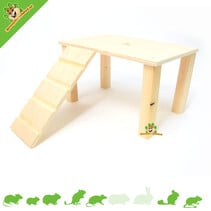
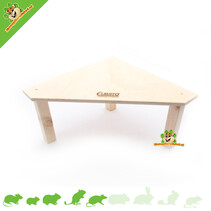

Rat Platforms & Ladders – climb safely, create routes, and utilize extra living space
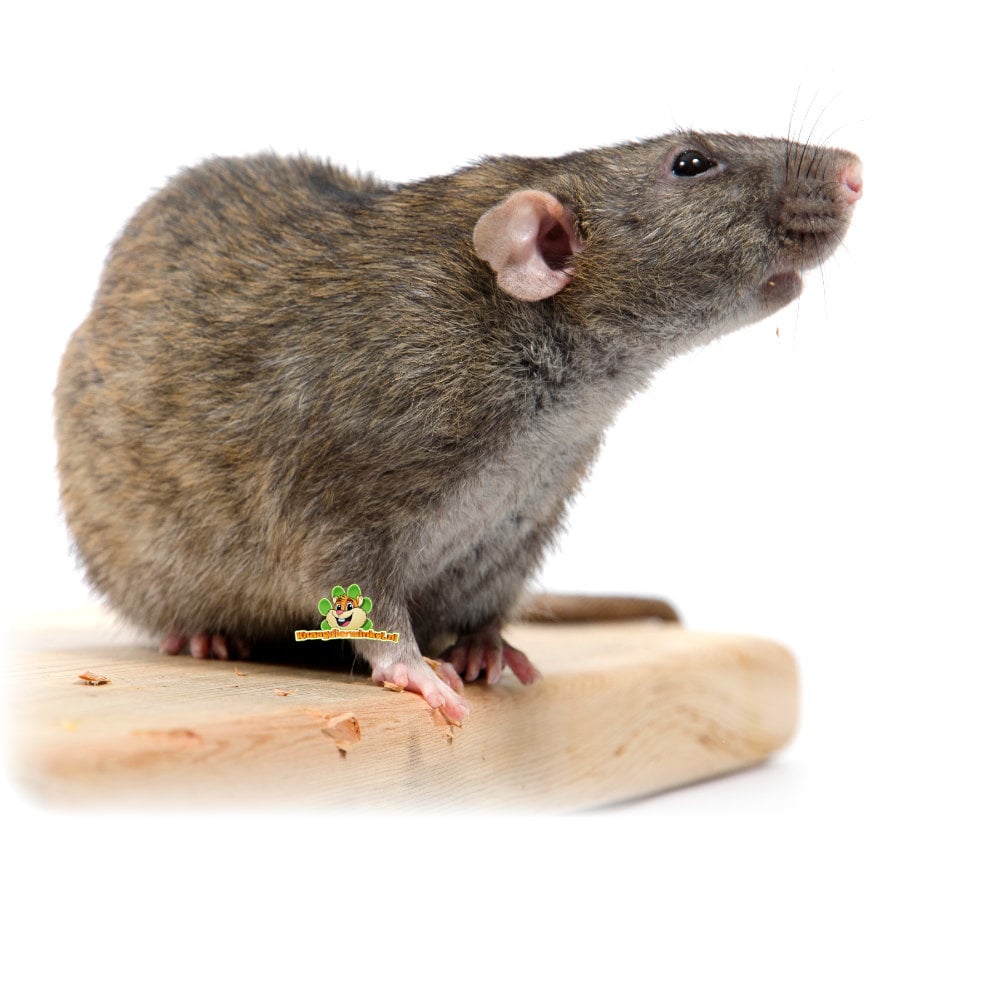 Rat platforms and ladders make the height of a rat cage truly usable. Rats love to climb, but a tall cage is only valuable when your rats can move, rest, and cross safely. That is why, when it comes to platforms, ladders, and suspension bridges, DRD looks not only at extra space but, above all, at safe routes, grip, stability, ease of cleaning, and how all the components combine to form a logical cage layout.
DRD selects platforms and ladders that suit the daily behavior of pet rats: climbing, walking, resting, dodging, and living together in a group. Combine platforms, for example, with rat tunnels & tubes , rat hammocks , rat cage accessories , and Ratscaping . This way, you create a cage from individual components in which your rats can move around comfortably and safely.
In short
✓ Platforms and ladders make the height of the rat cage safe and practical.
✓ Prefer working with multiple intermediate stations rather than one steep route or large open drop space.
✓ Check attachment, grip, urine stains, wear, and gnawing damage regularly.
Quick links
Why platforms? · Choosing a platform or ladder · Types of platforms & ladders · Routes & height · Safe installation · Maintenance & hygiene · Checklist · Shopping routes · FAQ
More usable height
Platforms do not turn a high cage into an empty space, but into real living space. They provide resting places, staging areas, and an overview.
Safe routes
Ladders, gangplanks, and suspension bridges help rats move from place to place calmly, without making large jumps.
Smart combination
Combine platforms with hammocks, tunnels, small houses, and pee pads. This creates distinct zones for rest, routes, and hygiene.
Why platforms and ladders are important for rats
Rats enjoy using the height of their cage, but the height must be arranged safely. A bare, high cage offers little real added value if there are too few intermediate stations. With platforms, ladders, and suspension bridges, you turn the height into usable living space. Your rats can then climb, cross, rest, pass each other, and choose different routes.
Platforms also help to divide the cage into zones. At the bottom, you can use bedding , a digging box , or a toilet area, while platforms are suitable as a route, eating area, resting spot, or stepping stone to a hammock. This makes the cage more organized for you and more interesting for your rats.
Especially for young, older, or less stable rats, wide intermediate stations are more pleasant than steep routes. By strategically placing platforms, your rats do not have to make as large jumps and can move through the cage more calmly.
Choosing a rat platform or ladder: what to look for?
A good platform or ladder suits the size of your rats, the height of the cage, and the route you want to create. So, don't just look at the material or appearance, but especially at grip, stability, attachment, and cleaning. Rats use platforms intensively: they walk over them, rest on them, sometimes eat on them, and often urinate in specific spots.
- Choose a platform that is wide and stable enough for adult rats.
- Pay attention to grip, especially on slippery materials or steeper gangways.
- It is better to use multiple intermediate steps than one long, steep route.
- Check if the platform can be securely attached to the cage.
- Choose material that fits your cleaning routine.
- Pay extra attention to older, young, or less stable rats: they need wider and quieter routes.
Unsure about the complete layout? Then also check out our information pages on setting up a rat cage and the rat cage selection guide .
What types of platforms, ladders, and suspension bridges are there?
Platforms, ladders, and suspension bridges each have their own function. One product primarily creates a resting place, while another connects two levels or makes a route less steep. By combining different types, you make the rat cage much more logical.
Corner shelves and straight shelves
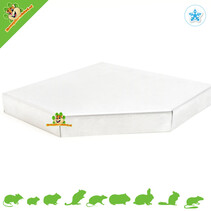
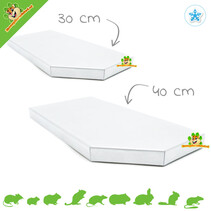
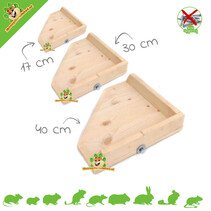
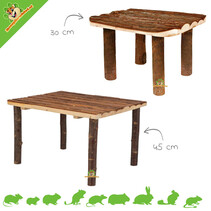
Corner platforms and flat platforms are useful as fixed intermediate stations. They give your rats a place to sit, turn around, rest, or move on to another part of the cage. Position them so that no large open trapping space is created.
Ladders and gangplanks
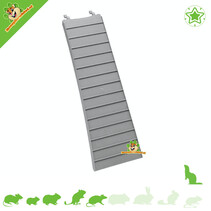
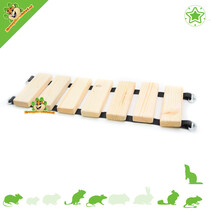
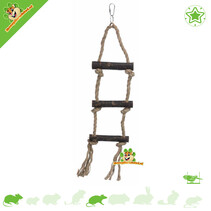
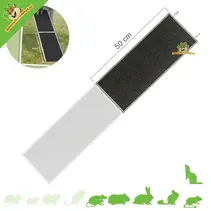
Ladders and boardwalks connect levels. Pay close attention to the slope and grip. A ladder that is too steep is less pleasant to use. A gentler slope or an extra intermediate platform often makes the route much more enjoyable.
Suspension bridges and rope bridges
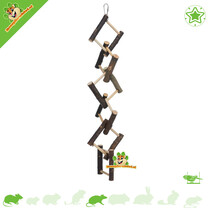
Suspension bridges and rope bridges provide movement and a challenge. They can work well between platforms or as a playful route. However, do check regularly that the bridge is hanging securely and that there are no loose ropes, splinters, or damaged parts.
Cork, wood and natural materials
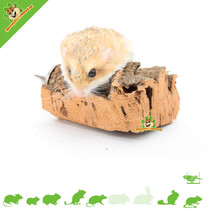
Cork and wood often provide excellent grip and a natural look. They fit well with Ratscaping and natural cage decor. However, keep in mind that natural materials can absorb urine and odor. Therefore, check them regularly and replace parts when they are wet, dirty, or damaged.
Plastic or metal trays
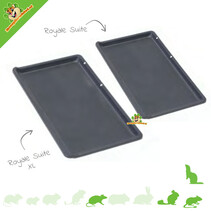
Plastic or metal platforms are often easy to clean. This is handy in places where rats like to urinate or eat. However, with smooth surfaces, pay attention to grip and placement. A pee pad, cloth, or other suitable solution can help make a favorite spot more comfortable and practical.
Routes & height: make the cage a logical whole
For rats, cage setup revolves around routes. A platform is only truly valuable when it is connected to other areas. Think of a route from the bottom to a platform, then to a tunnel, followed by a hammock, and finally to a hiding place. This way, your rats can move around without having to make the same jump every time.
- Create multiple routes through the cage so that rats can pass each other.
- Use platforms as intermediate stations between the ground and higher resting places.
- Combine ladders with tunnels, hammocks, and bridges.
- Ensure that important places are not accessible via a single narrow passage.
- Create quieter routes with less steep transitions for older rats.
- Keep cleaning within reach: you must be able to easily inspect shelves and corners.
For natural route formation, you can also check out Ratscaping and Ratscaping for beginners .
Safely positioning platforms and ladders
Safe installation starts with stability. A platform must be securely fastened, and a ladder must not wobble or slide away. Rats are agile and nimble, but that does not mean large trapping spaces or steep routes are desirable. It is better to build with multiple low to medium-height steps than with a single high route.
- Check that screws, hooks, bolts, or suspension points are securely tightened.
- Place platforms so that no large open fall space is created.
- Use ladders and gangplanks with sufficient grip.
- Avoid routes that are too steep, especially with older or less stable rats.
- Do not place resting places directly under areas where a lot of urination occurs.
- Check wooden parts for splinters, cracks, and gnawing damage.
Good to know
✓ A high cage only has added value when the height is safe and logically accessible.
✓ Multiple wide intermediate stations are usually more pleasant than one steep ladder.
✓ Check platforms and ladders more often if your rats like to gnaw or urinate in specific spots.
Maintenance & hygiene of platforms and ladders
Platforms are often favorite urinating spots. Many rats choose fixed corners, even on higher levels. Therefore, checking platforms is part of daily care. Remove wet spots, food remnants, and loose bedding promptly to keep the cage fresh.
- Check platforms daily for urine, odor, and food residue.
- If necessary, use a pee mat or toilet solution at favorite urination spots.
- Wipe plastic or metal trays regularly and let them dry thoroughly.
- Check wooden and cork parts for moisture, odor, and damage.
- Replace natural materials when they are no longer fresh or sturdy.
- Check ladders, bridges, and ropes for wear and loose parts.
For a more practical cleaning routine, you can combine platforms with rat pee pads , rat toilets , and products from rat care .
Checklist: how to choose the right platforms and ladders
✓ The platform is wide and sturdy enough for adult rats.
✓ The ladder or gangplank has sufficient grip and is not too steep.
✓ The route has multiple intermediate stations and no large open drop zone.
✓ Fasteners, screws, hooks, and suspension points are securely fastened.
✓ The material fits your cleaning routine and your rats' urination habits.
✓ You regularly check for splinters, fraying, gnawing damage, urine, and wear.
Handy shopping routes for platforms, ladders, and safe routes
Platforms and ladders work best when they are part of the entire rat cage. With these routes, you quickly create a logical combination of height, resting places, routes, and hygiene.
Routes & altitude
Make the height of the cage safely usable with platforms, ladders, tunnels, and convenient fastenings.
Rat Platforms & Ladders
Rat Tunnels & Tubes
Rat Cage Accessories
Rest areas & shelter
Combine platforms with soft sleeping areas, hammocks, and sheltered spots.
Hygiene & furnishing
Make platforms more practical with pee pads, toilets, and a clear cage layout.
Learn more about rat cages and safe setup
Do you want more guidance on safely and logically setting up a rat cage? These information pages are a good fit for this category:
FAQ – frequently asked questions about rat platforms and ladders
Why are platforms important in a rat cage?
Platforms make the height of the rat cage usable. They provide intermediate stations, resting places, and safe routes. A tall cage without platforms or connections is less practical, because rats then have to make larger jumps.
How many platforms do you need for rats?
That depends on the cage height and the layout. In a high cage, multiple platforms or intermediate stations are important. It is better to work with different levels and routes than with one large platform or one steep ladder.
Are wooden platforms suitable for rats?
Wooden platforms can be suitable and often provide good grip. However, keep in mind that wood can absorb urine and odor. Therefore, check wooden platforms regularly and replace them when they are wet, damaged, or no longer fresh.
What is better: wood, cork, plastic, or metal?
That depends on your cage and cleaning routine. Wood and cork provide a natural look and often offer a lot of grip. Synthetics and metal are usually easier to clean. However, pay extra attention to grip with smooth materials.
How do you hang ladders safely to protect them from rats?
Do not hang ladders too steeply and ensure they are securely fastened. Use a platform as an intermediate step where necessary. Wider and less steep routes are more pleasant, especially for young, older, or less stable rats.
How do you keep shelves clean?
Check platforms daily for urine, odor, and food residue. Plastic and metal are easier to wipe down. Wood and cork require more inspection. At favorite potty spots, pee pads or a designated toilet area can help.
DRD selects platforms and ladders that make height safely usable.
At DRD Knaagdierwinkel®, we view platforms and ladders as part of the entire rat cage. A platform must not only fit the bars but also be logically positioned within your rats' route. A ladder must not only connect but also provide sufficient grip and safety. This is how you turn height into real living space.
Undecided between a platform, ladder, suspension bridge, or a complete route setup? Then check out the Ratten Webshop or contact us via Service & Contact . We are happy to help you decide.
✓ Platforms, ladders, and suspension bridges for safe routes and extra cage space
✓ Smartly combined with tunnels, hammocks, pee mats and Ratscaping
✓ Specialist since 2011
✓ Ordered before 17:00, shipped the same day from our own stock
