 Polski

Platforms & Ladders for Rodents & Rabbits – Corner Platforms, Gangways, Bridges & Race Tracks (Wood, Willow, Cork, Aluminum)
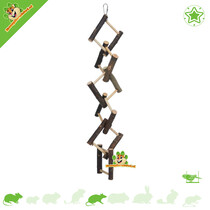
Playful ladder made of natural wood and rope for mice, rats, and birds. With 12 cm rungs and a length of 58 cm. For extra climbing routes, exercise, and enrichment.
Read more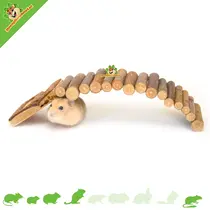
Bendable willow ladder/bridge of 27 cm for mice, dwarf hamsters, hamsters, gerbils, and degus. Can be used as a bridge, hiding place, stepping stone, wall, or gnawing material.
Read more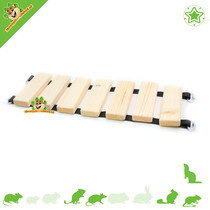
With this flexible suspension bridge the fun can really begin. Mice and Rats in particular love walking over it. The bridge is simple but very stable to attach to the bars. The hanging system consists of special metal clamps. The wooden slats lie, as it w
Read more
35 cm wooden suspension bridge for real climbers such as mice, rats, and ferrets. With ladder, rope ladder, play rope, and rope ring for an extra challenge.
Read more- Voor 17 uur besteld, dezelfde dag verzonden!
- Rodent specialist since 2011
- Dispatched from our own stock
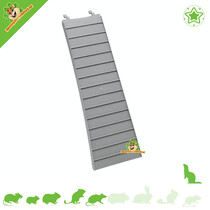
This Ferplast Ladder is ideal for rats and ferrets. The platform is actually part of the Ferplast Grey Platform. This ladder offers the animals plenty of grip thanks to its protruding rungs. The platform is also easy to clean thanks to the plastic and can
Read more
This nice natural ladder gives small (climbing) and birds the opportunity to climb around and get to a higher part of the enclosure. The ladder is made of natural untreated wood, which means that the nails also wear out while climbing.
Read more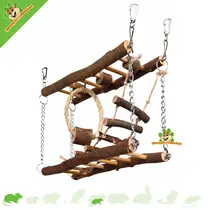
27 cm wooden suspension bridge for real climbers such as mice and pygmy rats. With two playful levels, a suspension system, and extra climbing fun in the enclosure.
Read more
Savic Plateau + Ladder for Freddy & Zeno Cages! Extra play space for curious climbers! Make your rodent's home even more fun with the Savic Plateau + Ladder, specially designed for the Savic Freddy and Zeno cages. This handy plateau with matching ladder c
Read more- Voor 17 uur besteld, dezelfde dag verzonden!
- Rodent specialist since 2011
- Dispatched from our own stock
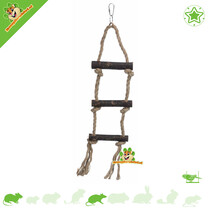
40 cm knot ladder with 3 rungs for mice, rats, and birds. Great as a hanging climbing element, route, and extra enrichment in the enclosure.
Read more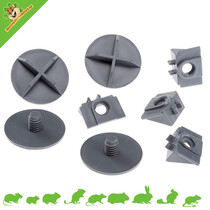
You know how it is - sometimes those screws on your Ferplast Plateau get lost or damaged, and you wonder where to find replacements. Look no further! With the Ferplast L373 Set of 4 Gray Replacement Screws, you're always prepared.
Read more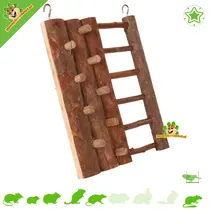
Wooden climbing wall measuring 16 × 20 cm for small rodents and birds. Great as a climbing ladder, play object, or natural route to a platform in the enclosure.
Read more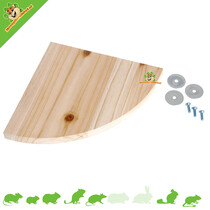
Small wooden corner platform measuring 22 × 22 × 18 cm for mice, dwarf hamsters, hamsters, gerbils, dwarf rats, rats, chinchillas, and degus.
Read more- Voor 17 uur besteld, dezelfde dag verzonden!
- Rodent specialist since 2011
- Dispatched from our own stock
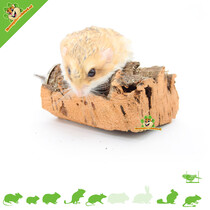
Sturdy cork platform of approx. 8 × 12 cm for attachment to bars. Great for climbers such as mice, rats, degus, and possibly gerbils and small birds.
Read more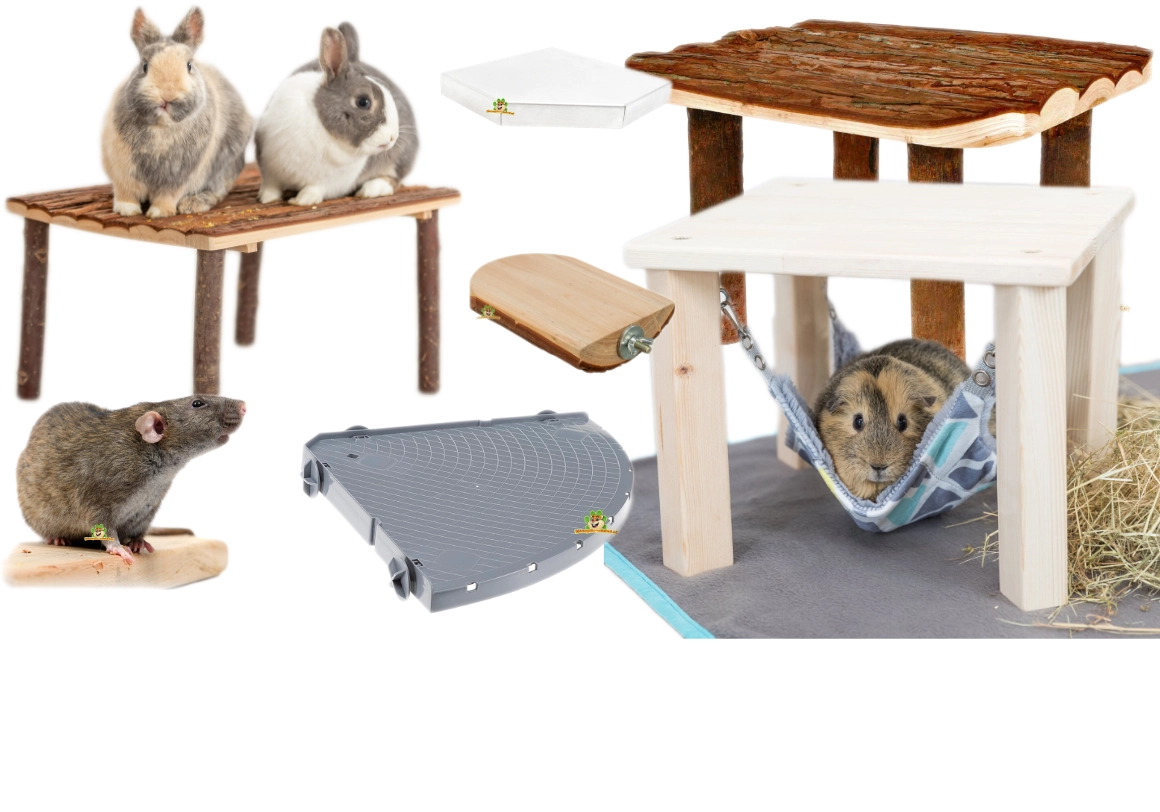
You can order platforms and ladders for rodents and rabbits quickly and easily at DRD Rodent Shop ®
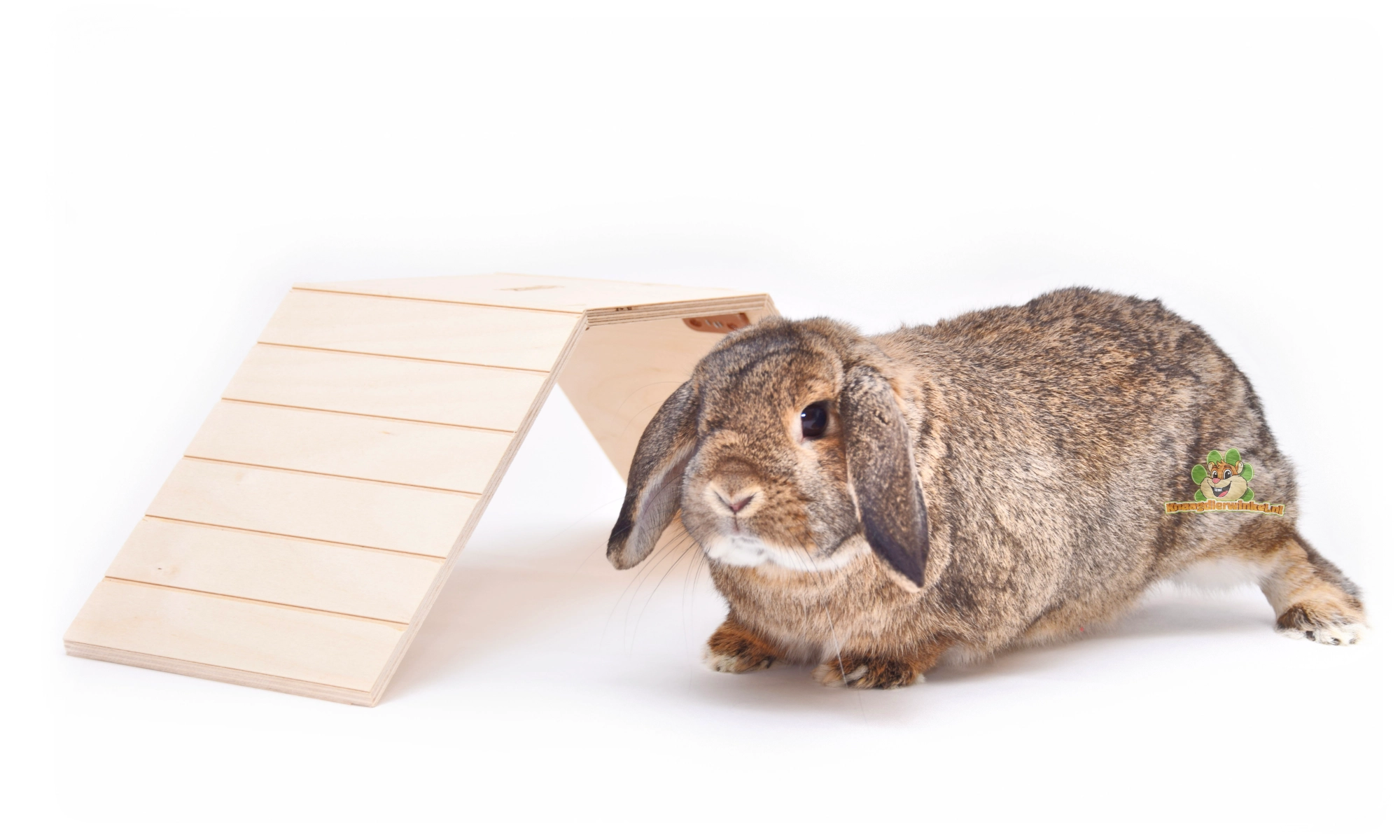 A platform or ramp allows you to cleverly utilize the space in a cage, aviary, run, or room setup. You create additional levels for exploring, a pleasant viewing area, and a practical place for things like food or water. At DRD Rodent Shop® (specialists since 2011 ), we select according to species: what suits a rat isn't necessarily ideal for a guinea pig or rabbit.
In this category you will find wooden platforms (with or without edges), corner platforms , race tracks , gangways , (willow) ladders , bridges/suspension bridges , cork platforms and also aluminium platforms for those who want extra sturdy and easy to maintain.
Create levels and routes without having to make the enclosure larger.
Ideal for climbing, clambering, exploring and observing.
From “low and wide” to “climbing route” – to suit your animal.
Tips for height, stability and material selection.
What can you find in this category?
Extra floor, resting place or practical "dry" place for food/water.
Create routes and connect levels in a nice, broad way.
Useful as a step or connection (check stability and angle).
Nice as a crossing, resting place or climbing element (especially in aviaries).
Want a complete "furnishing mix"? Combine platforms with houses , tunnels , and (for climbers) hammocks, for example.
Which animals are platforms & ladders suitable for?
- Rats and mice: real explorers; platforms and routes provide extra challenge and habitat.
- Chinchillas and degus: love to jump and climb; choose sturdy, durable materials and check for gnawing damage.
- Rabbits: Often love a low, wide "lookout spot" or perch; they prefer something stable and spacious rather than steep or wobbly.
- Guinea pigs: especially suitable as a low platform/step or dry spot; keep it manageable and not too high.
- Hamsters: Use platforms that are low and functional (e.g., a stable place for food/water) and avoid high risk of falling.
Not sure what's best? Think about it from a behavioral perspective: climbers want routes and a difference in level, while ground dwellers primarily benefit from low, wide, and stable steps.
Checklist: how to choose the right platform or ladder
- Size & Load Capacity: Wide enough to sit/lie comfortably, suitable for the weight and type of animal.
- Surface: preferably stable and not too smooth (especially for rabbits/guinea pigs).
- Edge or no edge: an edge can help prevent slipping and keep the ground covering “neat”.
- Material choice: wood/willow/cork (natural) or aluminium (extra strong and easy to maintain).
- Confirmation: Is it suitable for your accommodation? (on bars, in corners, or freestanding)
- Route: It is better to use several small steps than one large elevation gain.
Installation & assembly (practical tips)
- Work in layers: build a logical route: bottom → low step → plateau → next connection.
- Limit drop height: place higher parts preferably above a soft zone (ground cover) and not above hard parts.
- Make it stable: check screws/hooks regularly and avoid “wobble points”.
- Use corners wisely: corner shelves utilise space without cluttering the centre.
- Combine comfort: a platform can also be a nice place for a soft pillow/fat bed or (for climbers) a hammock.
Safety
- Not too high, not too steep: especially for heavier or less “climbing” animals, it is better to keep it low and wide.
- Check for splinters and sharp edges: if damaged or gnawing damage occurs, replace or repair it.
- Prevent gaps/holes: ensure that no awkward openings arise between components or bars.
- Stability = priority: a platform must be firmly attached and not be able to tip over.
- Refresh/check route: Change your layout? Always check again that everything connects securely.
Maintenance
Clean platforms regularly and check the fastenings. Aluminum and plastic are often easy to clean. Wood, willow, and cork are best cleaned locally and allowed to dry thoroughly before returning them to the enclosure.
FAQ Platforms & Ladders
Are platforms suitable for every animal?
Usually yes, but the implementation varies: climbers want routes and differences in level, while ground dwellers mainly benefit from low, wide and stable steps.
Wood or aluminum: which is more practical?
Wood, willow, or cork offer a natural look and are often readily used. Aluminum is pleasantly cool, extra sturdy, and easy to clean.
How do I prevent slipping?
Choose a stable platform, don't place it too high, and make the route logical. When in doubt, choose a wider and lower platform.
