 Polski

Dried Vegetables for Hamsters & Dwarf Hamsters
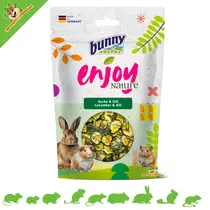
Plant-based snack mix with dried cucumber and dill. Fresh, spicy variety for rodents and rabbits, fun to scatter or hide.
Read more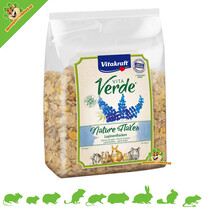
Do you want to spoil your rodent or rabbit with delicious and healthy treats? Then surprise your nibbling talent with the Vita Verde Nature Flakes. Natural lupine flakes that provide lots of snacking pleasure, but are also healthy! Lupine is rich in nutri
Read more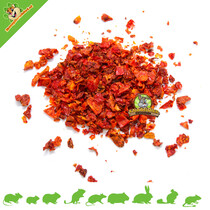
Dried tomato flakes as a colorful vegetable snack for rodents and rabbits. Tasty to nibble on, scatter around, and use while foraging.
Read more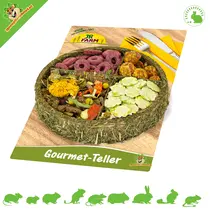
Festive snack platter with pea flakes, carrots, herbs, flowers, seeds, berries, and fiber-rich plant parts. For rodents and rabbits as a supplementary snack.
Read more- Voor 17 uur besteld, dezelfde dag verzonden!
- Rodent specialist since 2011
- Dispatched from our own stock
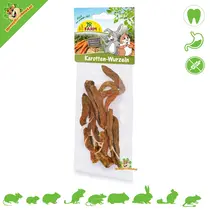
Natural gnawing material made from carrot roots for rodents and rabbits. Fun to provide as a fiber-rich nibble or as a small enrichment in the enclosure.
Read more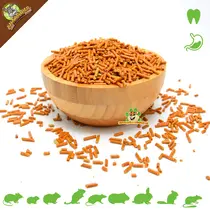
Carrot Pellets are a delicious addition to the diet of rodents and rabbits. Carrots are not only tasty but also very healthy. The pellets are approximately 3 mm in size and are made entirely from fresh carrots. It's also worth noting that 100 grams of car
Read more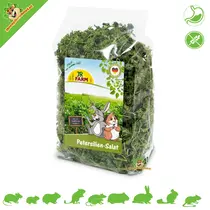
Rodent Grocer Herbs Field Fiber Mix 300 g
The Rodent Herbalist Herb Field Fiber Mix is a natural herbal mix containing grasses, flowers, herbs, and stems. You use this mix as a fiber-rich supplement to the
Read more
Grain-free vegetable rings with beetroot. Crispy, easy to portion, and fun as a snack, reward, or foraging treat.
Read more- Voor 17 uur besteld, dezelfde dag verzonden!
- Rodent specialist since 2011
- Dispatched from our own stock
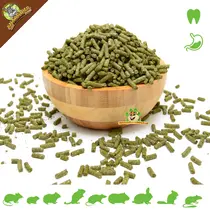
Dill pellets as natural herbal pellets for rodents and rabbits. Handy as a reward, mixed with food, in a treat ball, or to scatter around.
Read more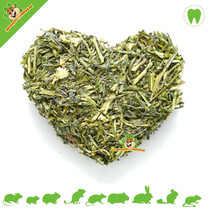
Large parsley snack heart. For nibbling, sniffing, foraging, and as natural herbal enrichment for rodents and rabbits.
Read more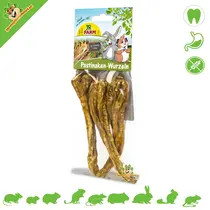
Natural parsnip roots for rodents and rabbits. Nice and firm to nibble on, explore, and use as a small enrichment.
Read more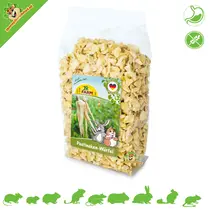
Grain-free parsnip cubes from JR Farm. Crispy root vegetable as a snack, topping, or foraging treat for rodents and rabbits.
Read more- Voor 17 uur besteld, dezelfde dag verzonden!
- Rodent specialist since 2011
- Dispatched from our own stock
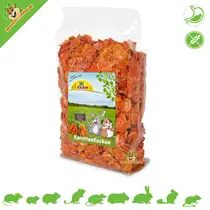
Grain-free carrot flakes from JR Farm. Crunchy vegetable snack to use as a topping, reward, or foraging treat for rodents and rabbits.
Read more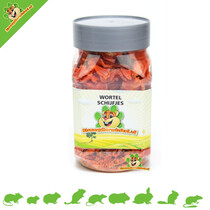
Crunchy carrot slices as a tasty vegetable snack for rodents and rabbits. Delicious as a reward, treat, or extra foraging.
Read more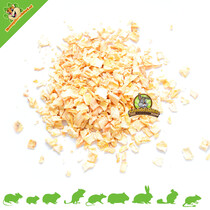
Dried celery cubes as a natural vegetable snack for rodents and rabbits. Tasty to nibble on, scatter around, and use while foraging.
Read more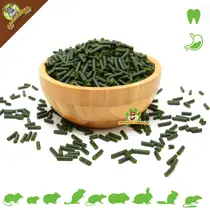
Spinach pellets as natural vegetable pellets for rodents and rabbits. Handy as a reward, mixed with food, in a treat ball, or to scatter around.
Read more- Voor 17 uur besteld, dezelfde dag verzonden!
- Rodent specialist since 2011
- Dispatched from our own stock

Crunchy vegetable snack with pumpkin, carrot, cucumber, parsnip, tomato, and parsley. A conscious snack for rodents and rabbits to feed by hand or hide while foraging.
Read more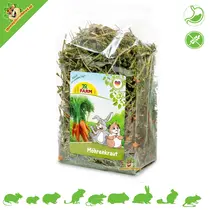
Enrich the diet of your rodents and rabbits with the tasty and nutritious addition of JR Farm Carrot Herb. This blend of high-quality ingredients provides a natural variation that contributes to their overall health.
Read more
Grain-free herb pellets from JR Farm, made from 100% pressed parsley. Handy as a natural herbal snack, reward, or foraging moment for rodents and rabbits.
Read more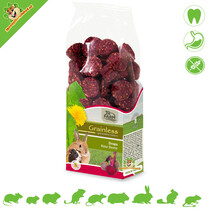
Grain-free reward drops with beetroot. Crunchy, easy to handle, and tasty as a snack, training reward, or foraging treat.
Read more- Voor 17 uur besteld, dezelfde dag verzonden!
- Rodent specialist since 2011
- Dispatched from our own stock

Grain-free carrot pellets from JR Farm, made from 100% carrots. Handy as a natural vegetable snack, reward, or foraging moment for rodents and rabbits.
Read moreYou can easily and quickly order Dried Hamster and Dwarf Hamster Vegetables at DRD Rodent Shop ®
 Hamsters and Dwarf hamsters love vegetables! In addition, vegetables are also very healthy for the animals. In addition to dried vegetables, it is also possible to feed fresh vegetables, but attention must be paid to the development of diarrhea when feeding fresh vegetables. Animals that cannot tolerate fresh vegetables or eat too much of them and get diarrhea, are better off getting dried vegetables.
Can hamsters eat dried vegetables?
Yes, hamsters can eat dried vegetables . It is a healthy and natural addition to their diet. Dried vegetables are rich in fiber, vitamins and minerals and help with good digestion. They are also ideal for use in food or forage mixes .
How can you give dried vegetables to your Hamster or Dwarf Hamster?
Dried vegetables can be fed daily as an enrichment with the main diet, but they can also be used as forage food that you can scatter around the enclosure.
Do hamsters and dwarf hamsters like all vegetables?
In general, hamsters definitely like dried vegetables! However, each animal has its own taste in vegetables, so in the beginning, a tasting may be necessary to find out what your hamster likes best.
What types of dried vegetables are suitable for hamsters?
There are many safe and tasty vegetables that your hamster will enjoy eating, such as:
- Carrot – rich in beta-carotene
- Courgette – easily digestible
- Cucumber – hydrating, even in dried form
- Pumpkin – full of fiber and mild in taste
- Parsnip – sweet and nutritious
- Celery – helps with hydration
- Bell peppers – rich in vitamin C (only red and yellow, not spicy!)
- Broccoli – in small quantities
- Endive and kale – high in fiber and green
Always choose vegetables that have been dried especially for rodents and without additives .
Do dried vegetables for hamsters and dwarf hamsters help with tooth wear?
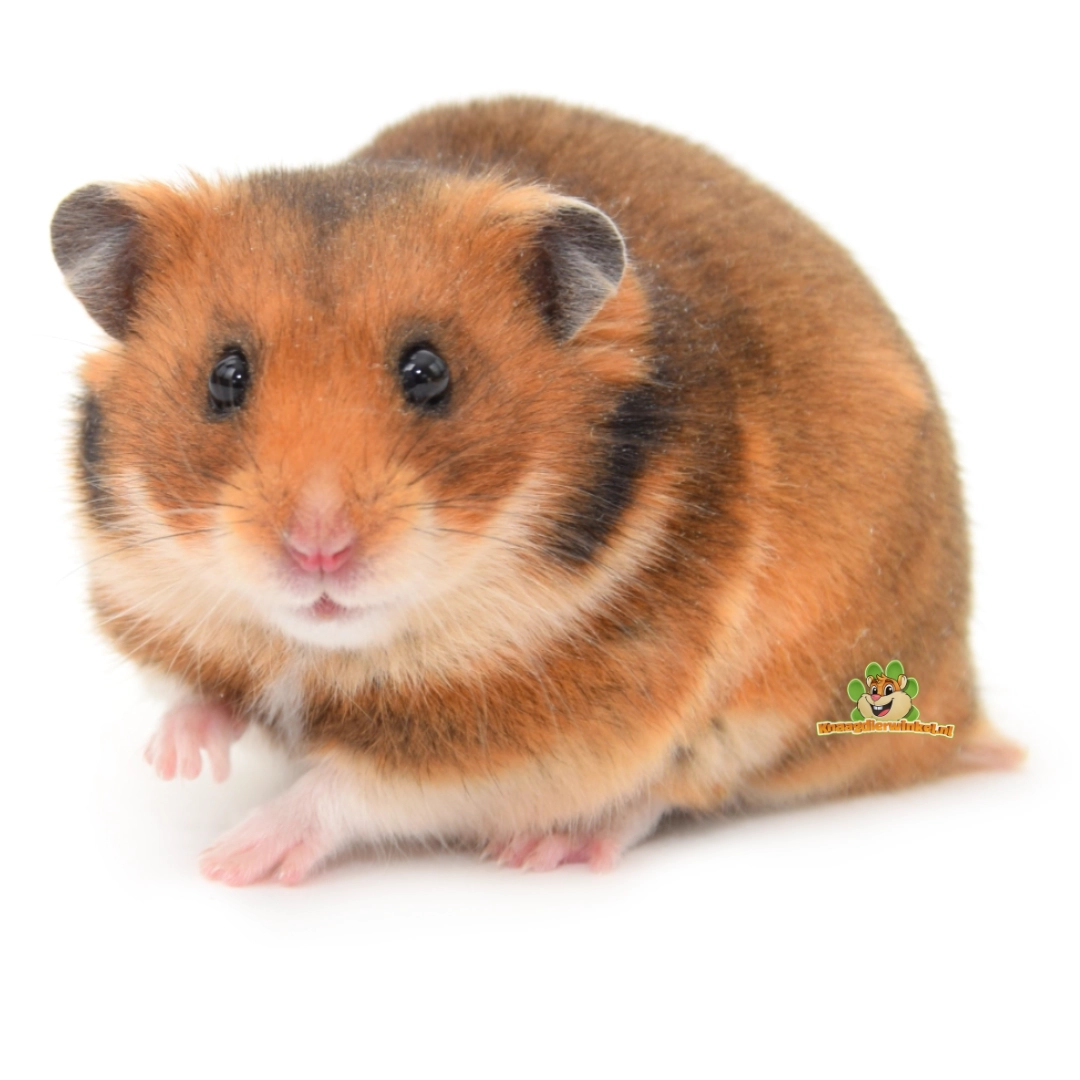 In addition to a tasty snack or an enrichment of the daily diet, dried vegetables also ensure good tooth wear. By gnawing on the harder dried pieces, the teeth wear down in a gentle way.
How often can my hamster be fed dried vegetables?
Dried vegetables can be given daily in small quantities as part of a varied diet. You can offer them:
- Loose in the enclosure
- In a foraging toy
- As a topping on the main food
One teaspoon per day is enough for a Syrian hamster. For dwarf hamsters half a teaspoon is enough.
Are dried vegetables healthier than fresh vegetables?
Both have advantages:
- Fresh vegetables contain more moisture, but spoil faster.
- Dried vegetables have a longer shelf life, are useful in mixtures and good for enrichment .
Please note: hamsters are prone to diarrhea if given too many fresh vegetables. Dried vegetables are therefore often a safer choice for daily use.
What should I look for when buying dried vegetables for hamsters?
Please note these points:
- No added salts, oils or spices
- No preservatives such as sulphites
- 100% vegetables , preferably air- or freeze-dried
- Small pieces that fit the hamster's mouth and cheek pouches
At DRD Rodent Shop we only offer safe, natural and unprocessed dried vegetables – specially selected for hamsters.
Are there any vegetables that should not be given dried to hamsters?
Yes, some vegetables are not suitable – even in dried form:
- Onion, garlic, leek – poisonous to hamsters
- Rhubarb – contains oxalic acid
- Potato – contains solanine, even in dried form
- Tomato (unripe or skin on) – too acidic/poisonous
- Peppers or chilies – too spicy
How do I store dried vegetables for my hamster?
Store the dried vegetables:
- In an airtight jar
- In a cool, dry place
- Keep away from direct sunlight
This way it will stay good and tasty for months!
Can you also give too many dried vegetables to your hamster or dwarf hamster?
Hamsters and dwarf hamsters generally eat according to need. This means that the animals eat the vegetables as long as they think it is necessary. In this case, it is not the case that the animals continue to eat the vegetables. The animals will particularly appreciate the fibres in dried vegetables. For example, they eat more of these if there is something wrong with their digestion. By offering dried vegetables, the animals can regulate this themselves.
