Polski



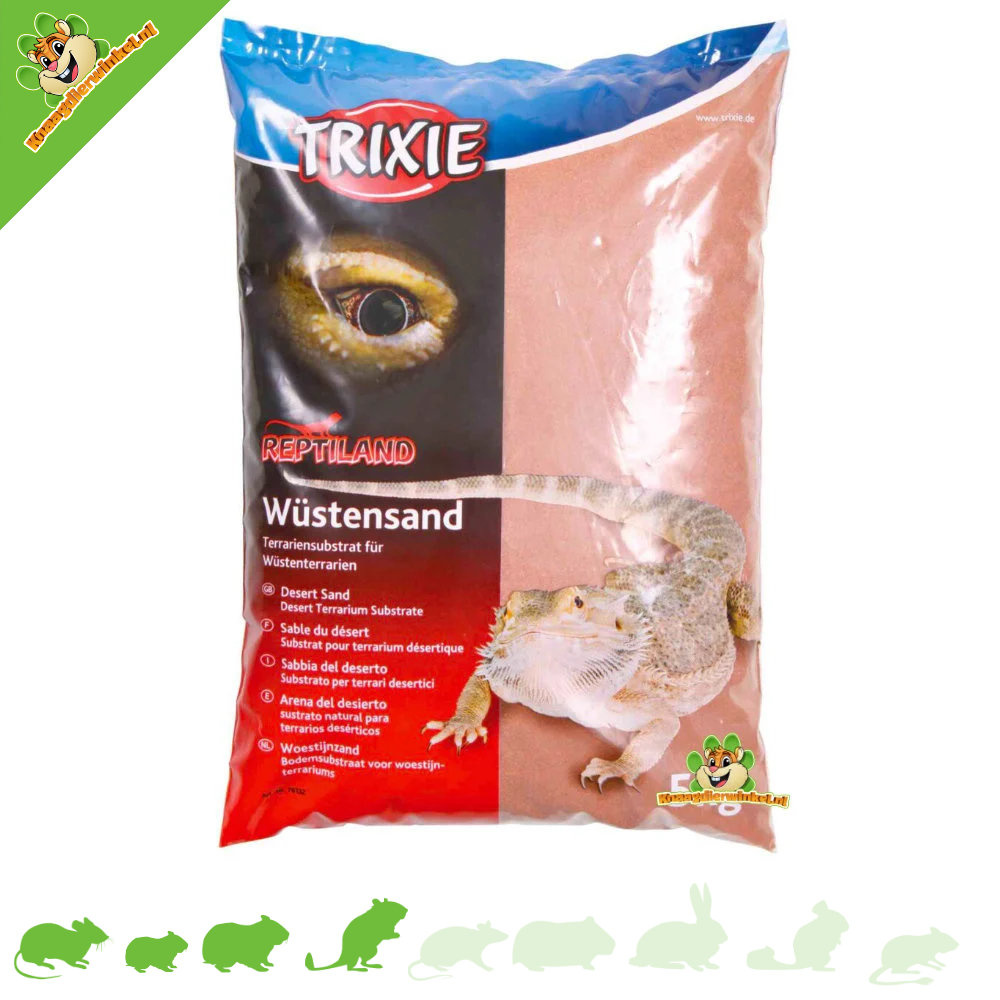
Red Desert Sand 5 kg for Hamsterscaping
- Buy 2 for €14,20 each and save 5%
- Dispatched from our own stock
- Personal & expert advice
- Always 100% rodent-friendly
- Ordered before 5 p.m., shipped the same day!
- Customer service from 09:00 to 18:00
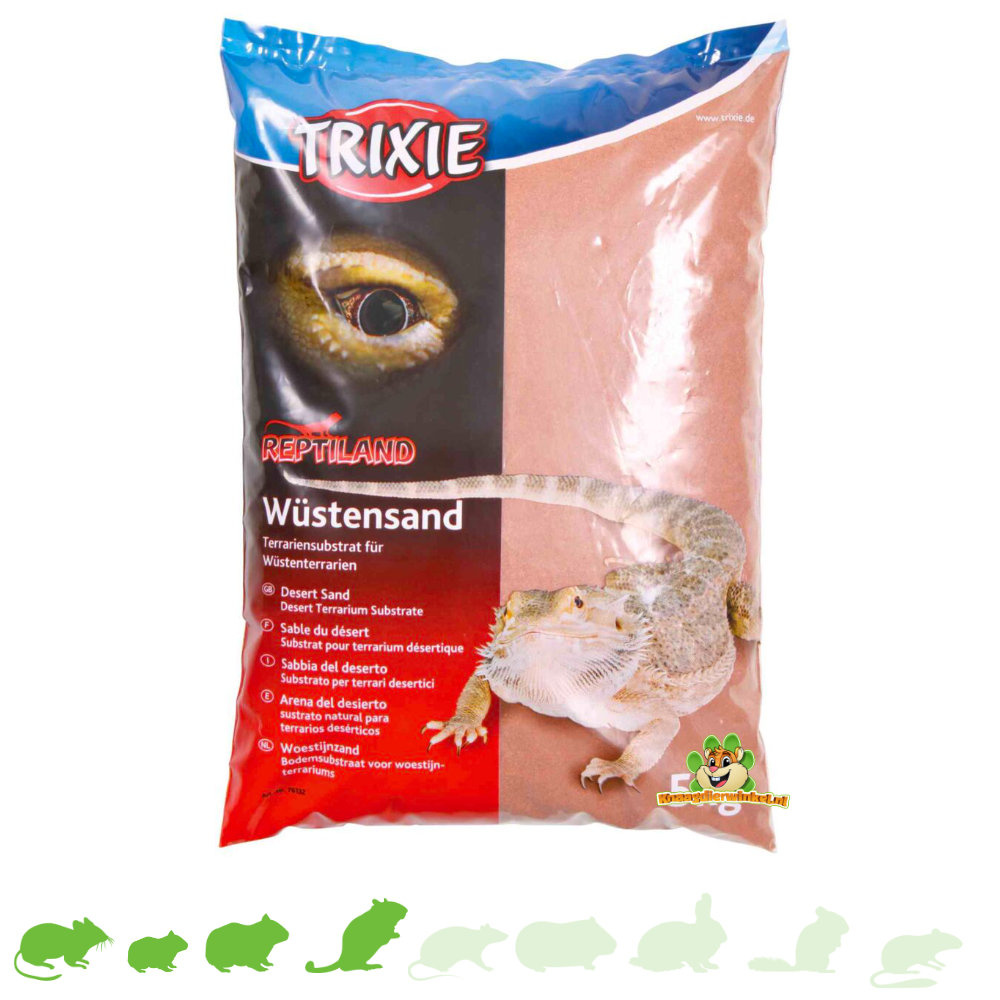
Trixie Desert Sand Red 5 kg for Hamsterscaping
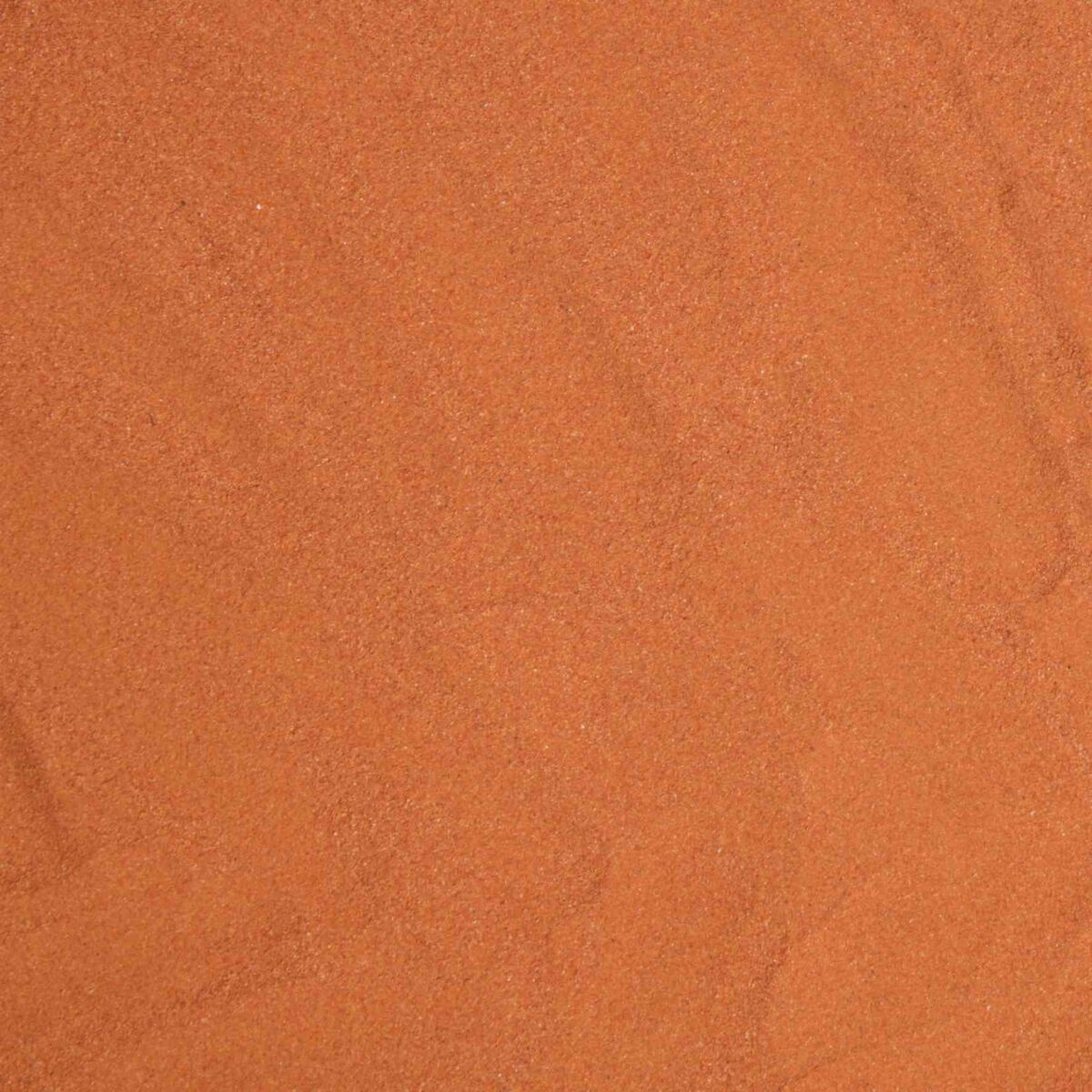
Trixie Red Desert Sand is a decorative and natural sand for mice, dwarf hamsters, hamsters, and gerbils. The warm red color allows you to create a beautiful sand zone, desert corner, or color accent in a natural setting. Especially for hamsterscaping and gerbilscaping, this sand immediately adds more texture, contrast, and character to the enclosure.
When it comes to sand, DRD looks not only at the color but, above all, at the function. Desert sand is different from chinchilla sand, for example. Chinchilla sand is finer and intended more as a true dust bath for animals that need it, such as gerbils, chinchillas, and degus. Desert sand, on the other hand, is a great choice for a softer sand zone, a decorative digging area, or a natural scape where animals can walk, sniff, dig, and, in the case of hamsters, also bathe peacefully.
In short
- Red desert sand for natural decor and hamsterscaping
- Capacity approximately 5 liters
- Weight approximately 5 kg
- Material: desert sand
- Suitable for mice, dwarf hamsters, hamsters, and gerbils
- Beautiful as a sand zone, decorative digging area, or color accent.
- A softer sand choice for hamsters than fine chinchilla sand
- Tunnels do not stand well in this sand.
- Observe your animal during the first use and check the sand before use.
Pros of Trixie Desert Sand Red
✔ Warm red color for a natural desert look
✔ Great for hamsterscaping and gerbilscaping
✔ Suitable as a sand zone or playful digging area
✔ Different structure than regular bedding
✔ More pleasant for hamsters as a quiet sand spot than very fine dust sand
✔ Great to combine with cork, stones, wood, moss, and natural ground cover
Why choose desert sand?
Desert sand immediately adds more natural variety to your enclosure. An animal not only walks on bedding but also experiences a different texture under its paws. This makes the setup more interesting and provides extra opportunities to sniff, dig, and explore.
The red color is especially beautiful when you want to create a desert corner, a steppe look, or a warm color accent. The sand combines well with cork, wood, stones, terracotta, moss, grass nests, and other natural materials. This way, you not only build a beautiful enclosure but also a layout in which your animal can use different zones.
For hamsters and dwarf hamsters, desert sand can be a nice sandy spot to roll in, bathe in, or just rummage through. It is different from chinchilla sand and feels less like a real dust bath. As a result, it suits owners who want a sand area that feels a bit softer on their fur and skin.
Desert sand or chinchilla sand: what is the difference?
Which type of sand do you choose?
Desert sand and chinchilla sand do not have exactly the same function. Therefore, choose based on what your animal needs and what you want to achieve with the sand zone.
Desert sand
- Beautiful as a decorative sand zone or color accent
- Suitable for hamsterscaping and natural decor
- Great for hamsters and dwarf hamsters who like to use a quiet sand spot.
- Can also be used as a playful digging area for mice and gerbils
- Tunnels do not stay in place well in this.
Chinchilla sand / bath sand
- Intended as a real sand or dust bath for coat care
- Important for animals that need a dust bath, such as gerbils, chinchillas, and degus
- Finer in texture and therefore more focused on coat care
- Less intended as decorative scaping sand
- Preferably use in a suitable sandbox
For which animals is Desert Sand Red suitable?
- Mouse: suitable as a small sand zone or sensory element in the furnishings. Mice can walk through it, sniff, and search. Use it as a varied element within an otherwise well-furnished mouse bed.
- Dwarf hamster: suitable as a sand spot, bathing zone, or color accent in hamsterscaping. Dwarf hamsters enjoy using sand to roll, scratch, and groom their fur.
- Hamster: suitable as a spacious sand zone or decorative desert area. Especially in a natural setup, the red sand provides a beautiful contrast with bedding, cork, and wood.
- Gerbil: suitable as a decorative sand zone, digging area, or part of gerbilscaping. For actual coat care, chinchilla sand or suitable bath sand remains more important, as gerbils enjoy using a dust bath regularly.
For chinchillas and degus, desert sand is not intended as a substitute for chinchilla sand. These animals require a proper dust bath with suitable bath sand for grooming. Desert sand may appear decoratively interesting, but for daily sand bathing, choose chinchilla sand or bath sand intended for those species. Sand is completely unsuitable for rats due to their sensitive respiratory systems.
Use in hamsterscaping
Hamsterscaping is all about zones. A hamster enclosure becomes more interesting when you combine different materials and structures. Think of a deep digging substrate, a sand zone, cork, moss, wood, tunnels, hiding places, and foraging material.
Red Desert Sand is particularly beautiful as a visible sand zone. You can fill a corner with sand, use a shallow bowl, or incorporate the sand around a cork tunnel, terracotta house, or stone. The red color creates a warm, natural look that complements a desert or steppe feel.
Do not use the sand as the complete bedding for hamsters. In addition, hamsters always need a thick, diggable layer of substrate in which they can dig, nest, and create tunnels. The desert sand is therefore an extra zone, not a replacement for the base substrate.
Use for gerbils
Gerbils are true diggers and destroyers. Red Desert Sand can be beautiful as a colored sand zone or as part of a natural gerbil enclosure. It provides a different texture than wood fiber, cotton, paper, or hay and can make the decor visually much livelier.
For gerbils, it is important to make the distinction between this and chinchilla sand. Gerbils use a sand or dust bath for grooming. Suitable bath sand or chinchilla sand is the better choice for this. You can therefore use desert sand as landscaping material or a play zone, but not as the sole sand bath when your gerbil truly needs a grooming bath.
Because gerbils dig a lot, sand can easily be moved. Therefore, preferably place a sand zone in a sturdy container, bowl, or a fenced-off area of the enclosure.
Can your pet dig in this?
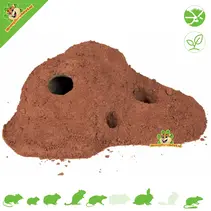
Yes, animals can dig, forage, and work the sand with their paws in desert sand. However, it is not sand that holds sturdy tunnels. Do you really want to create tunnels, passages, or burrows that will last longer? Then it is better to choose a digging material that holds better, such as special digging sand, burrow sand, or a suitable humus zone.
Desert sand is therefore primarily suitable for surface digging fun, bathing, sniffing, color accents, and sensory variety. It is not intended as construction sand for permanent tunnels.
How do you use Red Desert Sand?
Use Red Desert Sand in a sandbox, shallow dish, enclosed corner, or decorative area. Fill the zone with a layer that suits your animal and the size of the enclosure. For hamsters and dwarf hamsters, the sand zone should be spacious enough for rolling and bathing.
Check the sand regularly. Remove droppings, food remnants, and wet spots. Replace the sand when it becomes dirty, damp, or musty. In a scape, the sand can stay nice longer if you do not place it directly next to a water bottle, water bowl, or toilet area.
Observe your animal during the first use. This way, you will immediately see whether your animal rolls in it, digs, scratches around, or primarily uses it as a walking area. Every animal has its own preference in this regard.
Great to combine with
Red Desert Sand comes into its own beautifully in a natural interior. You can combine it with:
- Hamsterscaping
- Gerbilscaping
- Hamster sand & sand bath
- Gerbil sandboxes
- Sand for rodents
- Cork and bamboo
- Excavation sand
- Bath sand
Good to know
Always check the Red Desert Sand for abnormalities before use and observe your animal during the first use. Preferably place the sand dry and not directly next to water. Remove wet or soiled spots promptly. Use this sand as a sand zone, bathing area, or decorative landscaping element, but not as a complete bedding and not as a substitute for a real dust bath for animals that require chinchilla sand.
Frequently Asked Questions
For which animals is Desert Sand Red suitable?
Red Desert Sand is suitable for mice, dwarf hamsters, hamsters, and gerbils. Use it as a sand zone, bathing area, or decorative landscaping element.
How much is in the package?
The packaging contains approximately 5 liters of desert sand and weighs about 5 kg.
Is desert sand the same as chinchilla sand?
No, desert sand has a different function. Chinchilla sand is finer and primarily intended as a real dust bath for coat care. Desert sand is more suitable as a sand zone, color accent, scover material, and a quieter sandy spot.
Can my hamster bathe in this?
Yes, hamsters and dwarf hamsters can use Red Desert Sand as a sand area to roll in, bathe, and forage. Many owners find this a pleasant choice when they do not want to use very fine dust sand.
Is this suitable as a sand bath for gerbils?
Gerbils can use it as a sand zone or digging area, but for proper coat care, suitable bath sand or chinchilla sand is better. Gerbils need a suitable dust bath regularly.
Is this suitable for chinchillas and degus?
Not as a substitute for chinchilla sand. Chinchillas and degus need a real dust bath with suitable bath sand for their grooming.
Can tunnels remain standing in Desert Sand?
No, tunnels do not stand well in this sand. For tunnels and passages, you are better off choosing an excavation material that compacts better, such as hollow sand, digging sand, or a suitable humus zone.
Can I use desert sand as a complete ground cover?
No, it is better to use it as a separate sand zone or a decorative part of the setup. Additionally, hamsters, mice, and gerbils require suitable bedding that supports digging, nesting, and daily behavior.
How do I keep the sand clean?
Remove droppings, food remnants, and wet spots regularly. Replace the sand when it becomes damp, dirty, or musty.
Useful shopping links
Trixie Red Desert Sand is a great choice when you want to create a warm, natural sand zone for mice, dwarf hamsters, hamsters, or gerbils. Thanks to the red color, the different texture, and its use as a landscaping material, the sand adds extra appeal to the enclosure without having to replace the basic bedding or a real dust bath.
| Material: | Desert sand |
| Liter (approx): | 5 Liters |
| Weight (approx): | 5 kg |
| Suitable for: | Rodents, Mouse, Dwarf Hamster, Hamster, Gerbil |
| Particularities: | - |
| Safety information: | Observe the animal during initial use to see how it interacts with the bedding. Always check the bedding before use for possible irregularities. |