 Polski

Runs for rodents & rabbits – safe play indoors and outdoors
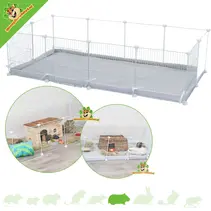
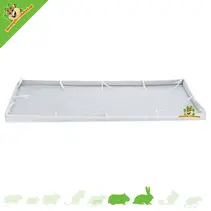


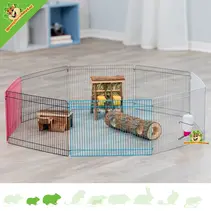
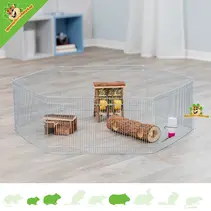
- Voor 17 uur besteld, dezelfde dag verzonden!
- Rodent specialist since 2011
- Dispatched from our own stock




- Voor 17 uur besteld, dezelfde dag verzonden!
- Rodent specialist since 2011
- Dispatched from our own stock
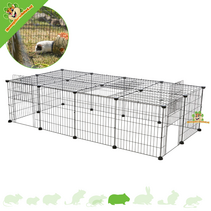
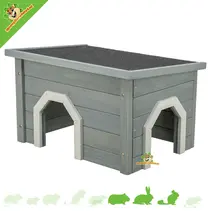
Runs for rodents and rabbits – extra space with a clear view
Are you looking for a good run for your rodent or rabbit ? A run is handy when you want to give your animals extra space to move temporarily, for example in the garden, on the patio, in a sheltered spot, or as a practical boundary indoors. In this category, you will find runs for various situations, with special attention to guinea pigs, rabbits, and controlled outdoor time.
When it comes to runs, DRD considers not only the dimensions but, more importantly, the intended use: which animal will be housed in it, how long will the run be used, is it located indoors or outdoors, is there supervision, and is there sufficient shelter? A run is intended as a safe enclosure for temporary space or controlled time outdoors. For permanent outdoor housing, it is better to look at a complete outdoor enclosure .
In short
✓ A run provides temporary extra space, but does not replace a proper shelter or permanent living space.
✓ For guinea pigs and rabbits, a run is especially nice with hiding places, shade, and a good view.
✓ For small rodents such as hamsters, mice, and gerbils, a run is particularly suitable for very controlled use.
Quick links
Selection Guide | Outdoor Use | Indoor Use | By Animal Species | Setup | Checklist | Good to Know | FAQ
For guinea pigs
Guinea pigs use a run primarily to walk, graze, hide, and move around together. Hiding places are important, as guinea pigs can find open spaces intimidating.
For rabbits
Rabbits need plenty of room to move around. A run can provide extra space, but outdoor living requires a permanent, safe outdoor setup with shelter.
For temporary use
For small rodents, a run is primarily suitable as a short, well-guarded enclosure. Pay extra attention to escape, temperature, open spaces, and stress.
Using an outdoor run
Using an outdoor run can be very pleasant, especially for guinea pigs and rabbits. However, the outdoors is also more stimulating than the indoors. Consider the sun, wind, temperature fluctuations, strange noises, predators, wild animals, plants, and the ground surface. Therefore, never just place a run anywhere, but consciously choose a quiet and sheltered spot.
Always ensure permanent shade, a dry surface, and multiple hiding places. A run in full sun can quickly become too hot. An open lawn without a hiding place is also unpleasant for many animals, as they cannot retreat. Preferably use an outdoor run under supervision, especially if there may be cats, dogs, birds of prey, or martens in the vicinity.
Do you want to keep animals outdoors on a permanent basis? Then don't just look at a separate run, but at a complete outdoor enclosure with a night shelter, shelter, run space, dryness, shade, and protection from predators.
Using an indoor run
A run can also be useful indoors. Think of extra space for guinea pigs or rabbits to move around, or a temporary enclosure during cleaning, bonding, recovery, or supervision. Indoors, you often have fewer problems with predators and weather conditions, but you still need to watch out for cables, poisonous plants, slippery floors, furniture, drafts, and escape routes.
If necessary, place a rug, floor mat, or anti-slip layer on a smooth floor. This provides more grip and makes the run more comfortable. For guinea pigs and rabbits, you can use a hay corner, hiding house, drinking station, and toilet area. For small rodents, keep usage brief, manageable, and well-supervised.
Which run suits which animal?
Guinea pigs
For guinea pigs, a run is primarily suitable as a safe running area with multiple hiding places. Guinea pigs are ground-dwelling animals and enjoy a clear view with cover. Outside, provide shade, a dry surface, and protection against drafts and predators.
Rabbits
For rabbits, a run is valuable as extra space to move around. Pay attention to height, sturdiness, latches, and digging behavior. Rabbits can jump, push, and dig, so a run must be sturdy and, where necessary, protected from above or below.
Hamsters and dwarf hamsters
A hamster run is particularly suitable for short, supervised moments indoors or in a highly controlled environment. Outdoors, it often quickly becomes too stressful for hamsters due to temperature, smells, sounds, and the risk of escape. Always keep an outdoor run quiet, safe, and easy to oversee.
Mice and gerbils
Mice and gerbils are fast and can escape through small openings. An open run is therefore not always practical. It is better to use a well-furnished enclosure and only choose a run when you are certain that the enclosure is safe, high enough, and escape-proof.
Rats and pygmy rats
Rats and dwarf rats are intelligent, climb well, and quickly investigate weak spots. An indoor run can be useful as a confined play area, but it must be sturdy, high enough, and well-supervised. With dwarf rats, you should always choose based on the actual size, build, and activity level of the animal.
Chinchillas, degus and ferrets
For chinchillas, degus, and ferrets, a playpen requires extra attention. These animals are active, fast, and can react strongly to stimuli. Use a playpen only if it is sturdy, safe, and suitable for the animal. For chinchillas, sensitivity to heat remains an important point of attention.
Setting up the run: not empty, but sheltered and logical
A run works better when it is not empty. Prey animals, in particular, feel more comfortable when they can hide, choose, and move along sheltered routes. Therefore, always place one or more shelters , tunnels, or sheltered corners in the run.
For guinea pigs and rabbits, a hay corner is often very practical. Combine the run with hay , a drinking station, and optionally a toilet or potty area. For shorter play sessions, you can use foraging toys , tunnels, or a small sniffing area.
Hay corner
For guinea pigs and rabbits, hay in the run is both practical and familiar.
Foraging
Make the run more fun with searching, sniffing, and small, safe activities.
Checklist: how to choose a safe run
✓ Does the run suit your animal's species, size, strength, and activity?
✓ Is the bar spacing or opening small enough to prevent escape?
✓ Is the run high enough for animals that jump or climb?
✓ Is the run stable and are the panels properly connected?
✓ Is there sufficient shade, shelter, and protection against predators outside?
✓ Does the run have hiding places, hay, or other quiet activities?
✓ Can you keep a good eye on the animals and monitor them during use?
Good to know when running
A run is not a complete cage
A run is intended as a temporary enclosure, extra space for movement, or controlled outdoor time. For daily living, a suitable enclosure or complete outdoor setup remains necessary.
Always in the shade outdoors
Never place an outdoor run completely in the sun. Provide permanent shade and a sheltered spot your animal can go to on its own.
Watch out for predators
A run must not only prevent escapes but also protect against cats, dogs, birds of prey, and other animals. Preferably use supervision outdoors and, where necessary, a cover.
Check the subsurface
Always check outdoors that the ground is clean, dry, and free of sharp objects, poisonous plants, pesticides, or wild animal droppings.
Guard small rodents extra carefully
Hamsters, mice, and gerbils can easily escape or experience stress in open spaces. Use a run for these animals only when the situation is truly safe, calm, and easy to keep an eye on.
Frequently asked questions about running
Which run is suitable for guinea pigs?
For guinea pigs, a spacious, low, and stable run is suitable, with multiple hiding places and shelter. Outdoors, pay extra attention to shade, a dry surface, drafts, and safety from predators.
Which run is suitable for rabbits?
For rabbits, choose a sturdy run with sufficient height, good latches, and enough room to move around. Watch out for jumping, pushing, digging, and protection from above when the run is outdoors.
Can a run be left outside?
That depends on the material and the application. Always check that the run remains stable, does not rust or shift, and offers sufficient protection against weather and predators. For permanent outdoor housing, an outdoor enclosure is more logical.
Is a run sufficient as an enclosure?
No, a run is usually intended as temporary extra space. For daily use, you need a suitable cage, indoor or outdoor enclosure with shelter, a resting area, a feeding area, and a safe setup.
Can hamsters live in a run?
A hamster can only be kept in a run under close supervision and in a safe, quiet environment. Being outdoors is usually not ideal for hamsters due to temperature, smell, noise, and the risk of escape.
Can mice or gerbils live in a run?
Mice and gerbils are fast and can escape through small openings. A run is only suitable if the enclosure is truly escape-proof and its use is short and well supervised.
What do you put in a run?
Always provide hiding places in a run, optionally tunnels, a drinking station, and hay for guinea pigs and rabbits. For longer periods, a toilet or potty area can be useful.
Does an outdoor run need to be covered?
When kept outdoors, protection from above is often advisable, especially for guinea pigs, rabbits, and young animals. A cover helps protect against cats, birds of prey, and escaping by jumping or climbing.
Buy a playpen at DRD Knaagdierwinkel®
At DRD Knaagdierwinkel®, you will find runs for rodents and rabbits suitable for various uses: controlled outdoor time, extra space indoors, temporary confinement, or as an addition to a larger enclosure. We help you choose based on animal species, size, behavior, and usage time.
Would you like to look further specifically? Then also check out transport boxes for transport, outdoor enclosures for permanent outdoor setups, and cage fittings to furnish the run in a sheltered and practical way.
✓ Runs for guinea pigs, rabbits, and rodents
✓ Selection aid for outdoor time, indoor use, and temporary demarcation
✓ Specialist since 2011
