 Polski

Dwergrat Webshop – cage, houses, exercise wheels and furnishings


Dwarf Rat Webshop – compact selection guide for small pet rats
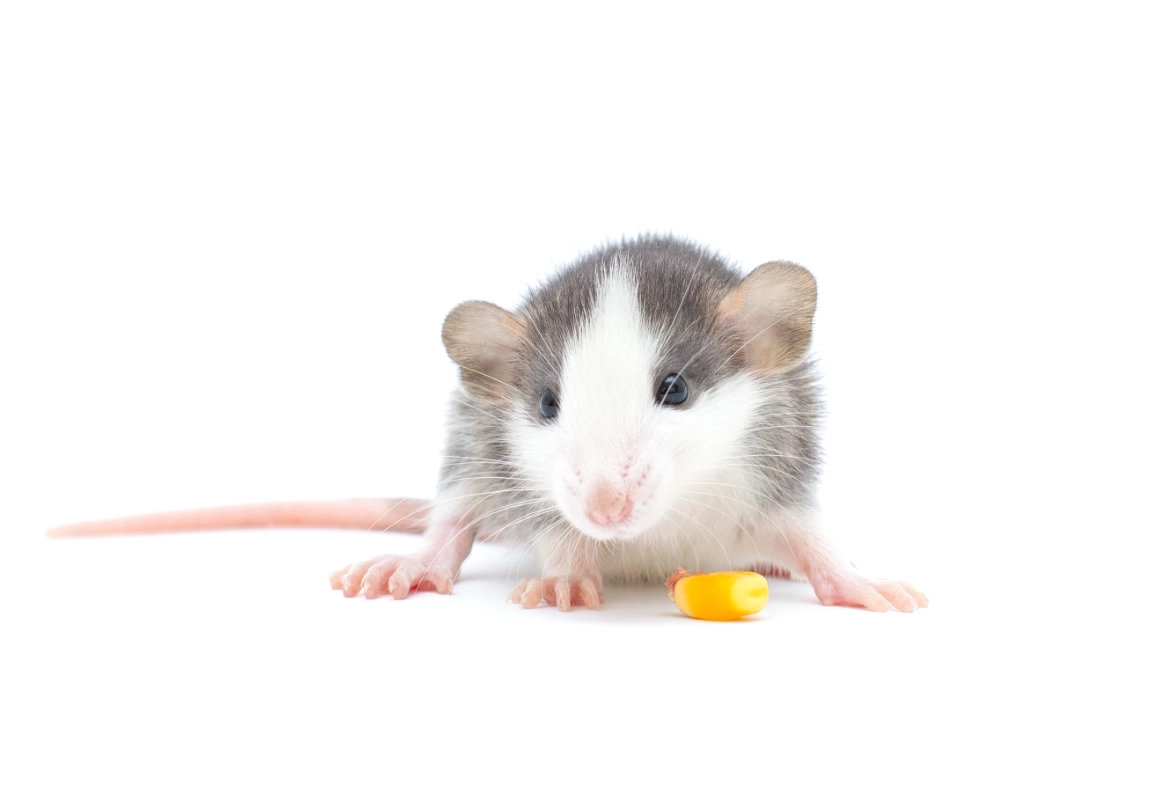 Dwarf rats are small domesticated rats with the same intelligent, social, and curious nature as regular domesticated rats. Therefore, a dwarf rat does not need a completely separate product world. DRD focuses primarily on the elements where size, bar spacing, passageways, houses, exercise wheels, bedding, and interior design really make a difference.
Good to know: dwarf rats can vary significantly in size and build, as this is a relatively young variant/mutation. Therefore, never choose products based solely on the name “dwarf rat,” but always match the cage, houses, tunnels, exercise wheels, and routes to the actual size and build of your animals.
In this Dwarf Rat Webshop, you will deliberately find primarily the product groups that truly deserve extra help in choosing: a safe dwarf rat cage , suitable dwarf rat houses , well-chosen dwarf rat exercise wheels , low-dust dwarf rat bedding , and natural Dwarf Rat Ratscaping . For food, simply choose good rat food .
In short
✓ Dwarf rats are small tame rats: much of their care is similar to regular rat care.
✓ This hub focuses on products that can really deviate: cage, bar spacing, houses, exercise wheels, bedding, and Ratscaping.
✓ Dwarf rats basically eat the same things as pet rats; so for food, go to Rat Food.
Quick links
Shop by category · What really makes a difference? · Cage & bar spacing · Substrate & terrarium · Houses, exercise wheels & Ratscaping · Food · Checklist · Information · FAQ
Match size well
Dwarf rats can vary in size and build. Therefore, choose based on your animals, not just the product name.
Safe cage
The cage is the most important separate choice. Pay particular attention to bar spacing, doors, gaps, ventilation, and usable interior.
No unnecessary splitting
Where standard rat products are suitable, we provide logical referrals. This keeps the selection process fair and clear.
Shop by pygmy rat category
Below you will find the most important dwarf rat routes. We have deliberately kept this hub compact: only the categories where size, cage setup, terrarium setup, or selection aids truly add value.
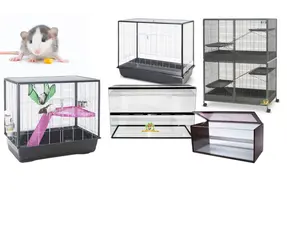
Dwarf Rat Cage
The most important separate choice for dwarf rats: spacious, well-ventilated, and with appropriate bar spacing.
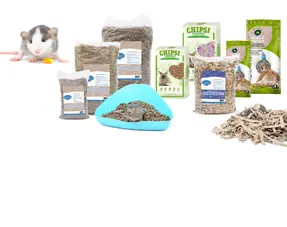
Dwarf Rats Substrate
Low-dust substrate choices for cages or terrariums, with a focus on hygiene, digging zones, and natural layers.
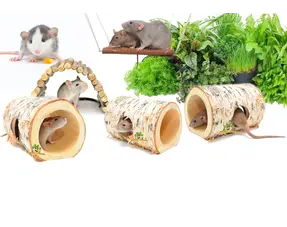
Dwarf Rat Ratscaping
Natural design with routes, ground layers, hiding places, sniffing zones, and a Black Scape-style layout.
Dwarf rats Running wheels
Only suitable when diameter, closed tread, stability, and back posture are exactly right.
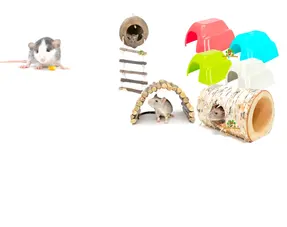
Dwarf Grate Houses
Hiding places and sleeping houses suitable for small rats, without being too cramped or awkwardly large.
Dwarf Rats Information
Read more about dwarf rats as small tame rats: behavior, preparation, housing, care, and a guide to choosing.
What is really different about dwarf rats compared to common rats?
The main difference lies not in completely different care, but in scale and product fit. Dwarf rats are smaller and therefore move differently through openings, houses, tunnels, and cage routes. A product that fits a regular rat well may sometimes be too coarse, too spacious, or less safe for a dwarf rat. Conversely, some hamster products are not sturdy, spacious, or social enough for rat-like use.
That is why DRD prioritizes function: is the size right, is it sturdy enough, does it remain easy to clean, and does it suit social group behavior? This prevents dwarf rats from being unnecessarily placed in a separate product category, while still properly taking the important differences into account.
- Cage: pay extra attention to bar spacing, gaps, doors, and escape routes.
- Houses: choose an appropriate size, a good entrance, and enough space for resting together.
- Running wheels: look at back posture, solid running surface, and stable placement.
- Substrate: choose low-dust and adjust layer thickness to the cage, terrarium, or scape zone.
- Ratscaping: create natural routes, sniffing spots, and digging zones the size of pygmy rats.
- Feeding: simply choose good rat food and dose appropriately for size, age, activity, and group.
Dwarf rat cage: bar spacing, safety and setup
The cage is the most important choice for dwarf rats. Because they can be smaller and slimmer, pay extra attention to bar spacing and openings. A cage must be large enough for social behavior, climbing, resting, and routes, but at the same time safe enough to prevent escape.
- Choose a cage with appropriate bar spacing and also check the doors, corners, and latches.
- Ensure ventilation without the cage being in a draft.
- Create multiple routes so that pygmy rats can climb, hide, and choose.
- Use platforms, tunnels, and small houses as safe intermediate stations.
- Check whether feeding and drinking areas are accessible to all animals.
- Avoid large open drop sections; work with safe routes and resting places instead.
See the Dwarf Rat Cage category for this.
Substrate: cage, terrarium, and Black Scape-style setup
Dwarf rat bedding is partly similar to regular rat bedding: low-dust, fresh, absorbent, and practically easy to keep clean. However, this category can be used slightly differently for dwarf rats. Depending on the group, size, and setup, dwarf rats can also be kept in a spacious terrarium or Black Scape-style setup. In that case, the bedding becomes not only a hygiene product but also a basis for building a natural scape.
- In a wire cage, the emphasis is often on low-dust operation, moisture absorption, and ease of cleaning.
- In a spacious terrarium, you can work with deeper layers, differences in height, and natural zones.
- Use digging bins, sniffing corners, or humus zones as enrichment when you can easily monitor this.
- Always keep drinking spots, potty training areas, shelters, and tunnels accessible.
- Check deeper or natural layers extra carefully for moisture, odor, and ventilation.
- Do not use fine sand or chinchilla sand as a sand bath for dwarf rats.
Useful routes are Dwarf Rat Substrate , Dwarf Rat Ratscaping , and the Black Scape Terrarium .
Houses, exercise wheels, and ratscaping for pygmy rats
Dwarf rats benefit greatly from an enclosure that allows them choices: sleeping together, resting separately, climbing, sniffing, digging, and creating routes. Because they are smaller, the enclosure can be finer and more compact than for large rats, but still sturdy, safe, and spacious enough for social use.
- Use multiple houses or shelters so that animals can rest together and separately.
- Choose tunnels and routes that are suitable for small rats, but not too narrow.
- Only use a running wheel if the diameter, running surface and back position are correct.
- Create a digging zone, humus corner, or sniffing area for natural foraging behavior.
- Choose low-dust bedding and keep a close eye on ventilation and hygiene.
- Check natural materials for moisture, odor, gnawing damage, and stability.
Useful routes are Dwarf Rat Houses , Dwarf Rat Running Wheels , and Dwarf Rat Ratscaping .
Food for dwarf rats: just good rat food
You don't need to create a separate diet for dwarf rats. Basically, dwarf rats eat the same things as pet rats. The most important thing is to choose good rat food and then consider portion size, age, activity level, and group composition.
- Choose a good basic food for pet rats.
- Dose appropriately for the actual size and activity of your dwarf rats.
- Use snacks and treats primarily as small rewards or foraging moments.
- Optionally, distribute food in a sniffing zone or digging box to encourage searching behavior.
- Check if all animals can eat peacefully within the group.
- Keep feeding and drinking areas clean and easily accessible.
Good to know
✓ We don't make dwarf rat food bigger or more complicated than necessary: the basis is simply rat food.
✓ The real differences in choice lie mainly in the cage, bar spacing, houses, exercise wheels, bedding, and nice interior.
✓ By choosing compact, you avoid making bad purchases and keep care manageable.
For food, it is therefore best to look further under Rat Food , Rat Pellets , Rat Snacks , and Rat Herbs and Seeds .
Checklist: what do you need for dwarf rats?
✓ A safe, spacious cage or suitable, spacious enclosure with good ventilation.
✓ Appropriate bar spacing, secure doors, and checking for gaps or escape routes.
✓ Low-dust bedding suitable for sensitive airways and easy maintenance.
✓ Multiple small houses, hiding places, and routes for social behavior and rest.
✓ Good rat food, appropriately dosed for size, age, activity, and group.
✓ Enrichment through Ratscaping, sniffing, climbing, digging zones, and optionally a suitable exercise wheel.
Learn more about pygmy rats
Would you like to read more before choosing products? These information pages will help you better understand dwarf rats and build up your preparation gradually:
FAQ – frequently asked questions about pygmy rats
Are dwarf rats different from ordinary pet rats?
Dwarf rats are primarily smaller. In behavior and care, they strongly resemble domesticated rats: social, intelligent, curious, and active. The main differences lie in size selection, bar spacing, interior design, and product fit.
Are all dwarf rats equally small?
No. Dwarf rats can vary in size and build. Therefore, always choose products based on your own animals: cages, houses, tunnels, passageways, and exercise wheels must really fit.
Do dwarf rats need special food?
No, basically, dwarf rats eat the same as pet rats. Choose good rat food and pay particular attention to portion size, size, activity level, and how you use snacks as small rewards or foraging moments.
Which cage is suitable for dwarf rats?
A suitable dwarf rat cage is spacious, well-ventilated, and safe. Pay extra attention to bar spacing, doors, gaps, and escape routes, as dwarf rats can be smaller and slimmer.
Can dwarf rats be kept in a terrarium or Black Scape-style setup?
This can be interesting if the enclosure is spacious enough, well-ventilated, and remains practically easy to keep clean. Then you can work more with natural bedding layers, sniffing zones, digging spots, and Ratscaping.
Do dwarf rats need a running wheel?
A running wheel is not a basic necessity, but it can be a fun extra activity for some dwarf rats. Only choose a wheel in which your animal can run with a natural, as straight a back as possible.
Is Ratscaping suitable for dwarf rats?
Yes, Ratscaping suits pygmy rats well when built up practically and safely. Think of pleasant routes, hiding places, digging zones, low-dust soil, and natural materials that are easy to inspect.
DRD opts for dwarf rats, which must be truly different.
At DRD Knaagdierwinkel®, we do not treat dwarf rats as completely different animals, but neither do we treat them as if any standard rat choice automatically fits. We look at where the real differences lie: cage, bar spacing, houses, exercise wheels, routes, bedding, and a nice setup. This keeps the choice fair, clear, and practical.
Undecided between a dwarf rat cage, house, exercise wheel, bedding, or Ratscaping product? Then check out the Dwarf Rat Webshop or contact us via Service & Contact . We are happy to help you decide.
✓ Compact selection guide for dwarf rats: cage, bedding, houses, exercise wheels and Ratscaping
✓ Fair distinction between standard rat products and dwarf rat-specific size choices
✓ Nutrition is deliberately provided via good rat food, without unnecessary separate food categories
✓ Specialist since 2011
✓ Ordered before 17:00, shipped the same day from our own stock
