 Polski

Controlling parasites and pests in rodents and rabbits
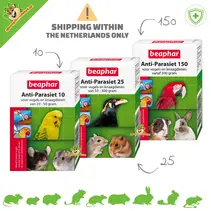
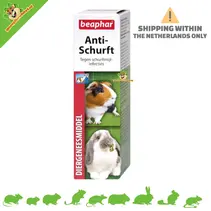
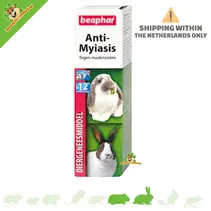
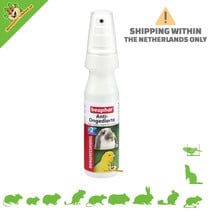

- Voor 17 uur besteld, dezelfde dag verzonden!
- Rodent specialist since 2011
- Dispatched from our own stock


Controlling parasites and pests around rodents and rabbits
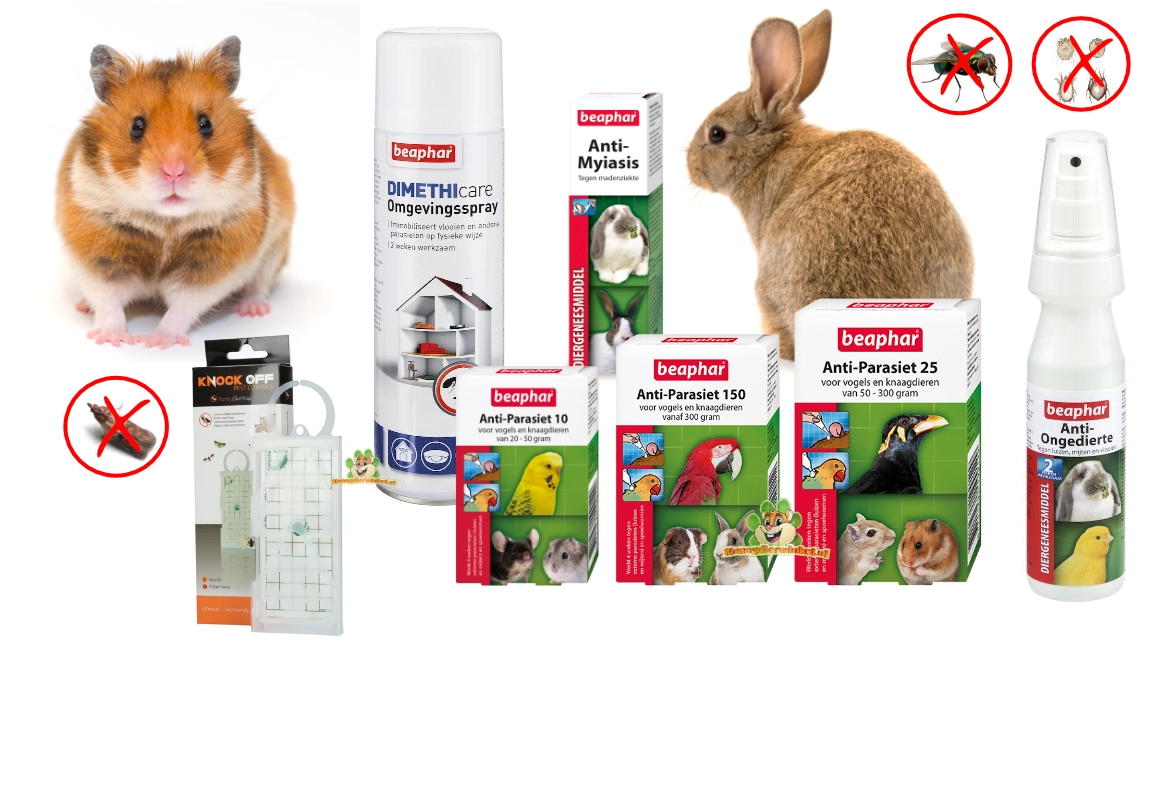 Itching, dandruff, restlessness, or suddenly seeing bugs in the food bowl: nobody wants that. In this category, you'll find products to combat parasites in your pet and to clean the enclosure and environment. You'll also find solutions for unwanted visitors like flies and food moths in the feed storage area.
DRD Rodent Shop® has been a specialist since 2011. We're happy to help you with a practical approach tailored to your pet and your situation. For cleaning and hygiene, you can also visit Hygienic Cleaning .
What are parasites and pests?
- External parasites: for example mites, lice and fleas (can cause itching and restlessness).
- Internal parasites: such as worms (not always visible, sometimes a change in condition or stool).
- Pests around the enclosure: for example flies (especially in warmer periods) and food moths in food/stock.
Important: Symptoms can also have other causes (such as shedding, stress, or diet). If your pet is unwell, eating/drinking poorly, deteriorating rapidly, or has wounds, seeking veterinary advice is the safest course of action.
What can you find in this category?
- Products for animal management (always check the suitability of the animal species and instructions for use).
- Environmental products: for habitat, substrates, crevices and accessories (useful as part of a complete approach).
- Moth and storage solutions for food and treats (to limit infestation and re-infestation).
- Fly solutions for around the enclosure (especially useful during warmer periods or when housing outdoors).
Step-by-step plan: how to tackle it practically
- Calmly check your pet's coat, skin, hindquarters, and ears. Also observe their behavior (scratching, restlessness) and appetite.
- Check the environment: ground cover, nesting material, wooden parts, cracks/cracks, and especially the food storage area.
- Tackle wet areas immediately and clean where necessary with products from Hygienic Cleaning .
- Only use products that are suitable for your animal species and follow the label exactly (dosage and application).
- If symptoms persist or your pet is lethargic, short of breath, or not eating, have a veterinarian take a look.
Food storage & food moths
Food moths often enter via food or snacks and spread quickly in pantries. Therefore, store food in an airtight container and regularly check for webs, larvae, or "dust" in the bag.
- Store dry food, seeds and herbs in tightly sealed containers.
- Clean shelves and seams and keep inventory organized (first in, first out).
- Use moth solutions as directed in the product information, especially around storage areas (not in the enclosure itself).
Checklist: handy to tick off
- I calmly checked my animal (skin, coat, hindquarters, behaviour and appetite).
- I checked the habitat and accessories (seams, wooden parts, nesting area, toilet area).
- I changed the bedding and addressed wet spots immediately.
- I checked the feed storage and used airtight storage where necessary.
- I only use products that are suitable for my animal species and follow the label exactly.
- In case of doubt or clear deterioration, I contact the vet or us via Service & Contact .
Hygiene & maintenance
- Daily: Remove wet spots and keep feeding/drinking areas clean.
- Periodically: Clean accessories and bases; replace materials that are no longer easy to clean.
- Check storage: store feed, hay and herbs in a cool, dry place closed.
Safe use
- Always read the label: animal species, dosage, application and waiting period are leading.
- Do not use “by feel” and do not combine remedies without due consideration.
- Ventilate well when using sprays and remove the animal from the room when advised by the product information.
- Protect food, hay, and water from splashes/spray and allow everything to dry thoroughly before returning your animal.
- In case of wounds, severe itching, bald spots, shortness of breath or lethargy: have a vet take a look.
Notice for customers outside the Netherlands
Please note: some or all of the products in this category are only available in the Netherlands. This product may only be sold and shipped within the Netherlands. Orders with a delivery address outside the Netherlands will be automatically adjusted: the product will not be shipped, and the purchase amount will be credited.
FAQ Parasites & Pests
Do I need to treat against parasites as standard?
Not necessarily. Consider your pet's condition and signs. Use only products appropriate for your species and follow the label. When in doubt, seek veterinary advice.
Why should I also tackle the accommodation?
Many problems recur if the environment isn't considered. Think of bedding, cracks/cracks, accessories, and feed storage.
What do I do about food moths in food?
Check all inventory, clean out cupboards, and switch to airtight storage. Use moth control solutions according to product instructions and keep stock compact.
When is it really a vet question?
In case of lethargy, not eating/drinking, wounds, rapid deterioration, shortness of breath or if complaints persist despite treatment.
