 Polski

Rodent plants and rabbit plants

Rodent plants and rabbit plants
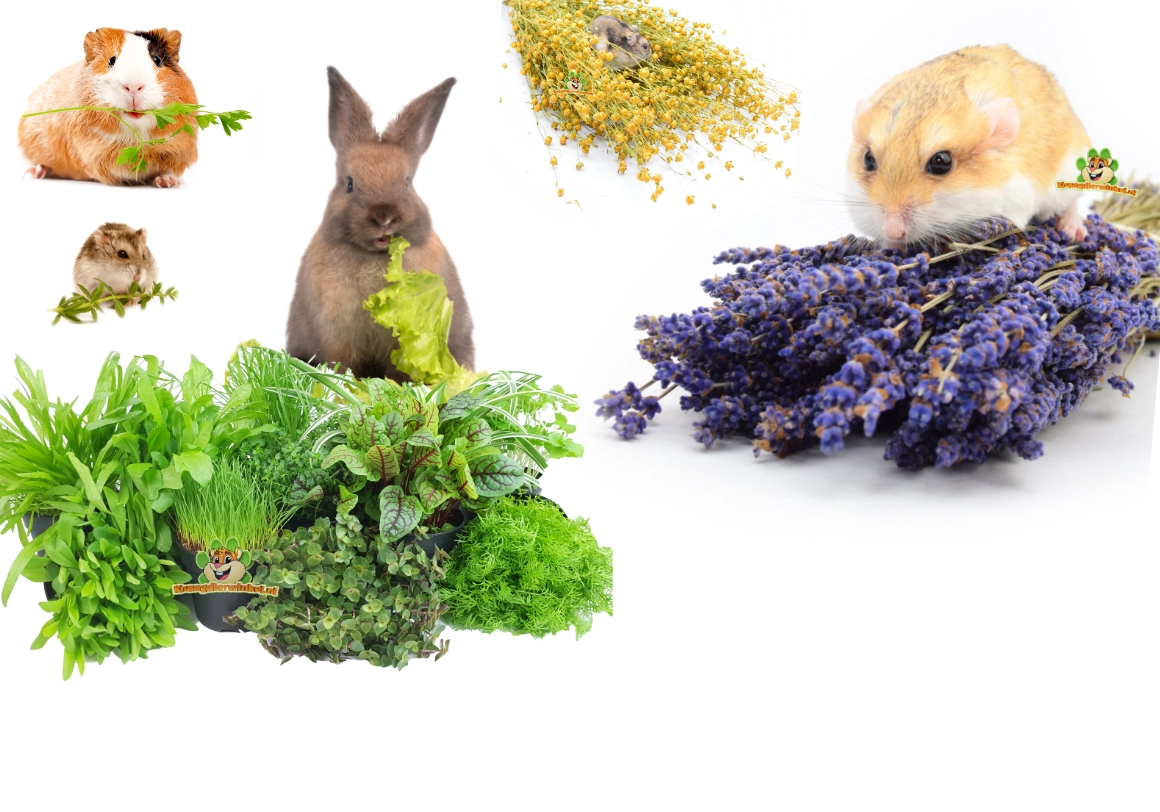 Are you looking for rodent plants or rabbit plants for more variety, scent, texture, or a natural atmosphere? In this category, you will find dried plants , fresh rodent plants , and artificial plants . You can use plants as a foraging stimulus, a natural addition, a landscaping detail, or to create a decorative atmosphere around the enclosure.
When it comes to plants, DRD looks not only at how beautiful they look, but especially at the right application. Fresh and dried plants can be part of variety, foraging, or a natural-looking setup. Artificial plants, on the other hand, are intended to create atmosphere outside the enclosure or in a place where your animal cannot gnaw on them. This way, you choose plants not based on appearance alone, but on what truly works for the animal, the enclosure, and its use.
In short
✓ Fresh and dried plants can provide scent, texture, foraging, and natural variety.
✓ Artificial plants are decorative and should be kept out of reach of animals that can gnaw on them.
✓ Always choose plants based on animal species, application, placement, and their role in or around the enclosure.
Quick links
Subcategories | Why plants? | Fresh, dried or artificial? | By animal species | Scaping & design | Use & storage | Combining | Checklist | Good to know | FAQ
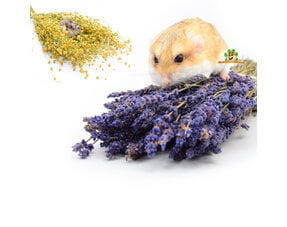
Dried plants
Dried plants are handy for scattering, mixing with hay, or using as a natural foraging layer in an enclosure or scape.
Fresh rodent plants
Fresh plants provide fragrance, vibrancy, and natural variety. Use them only when the plant is suitable for your animal species and application.
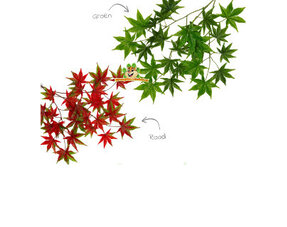
Artificial plants
Artificial plants are intended for decoration and atmosphere around the enclosure. Place them out of reach of animals that might gnaw on them.
Why use plants for rodents and rabbits?
Small plants enrich an enclosure or foraging area. They provide scent, structure, and variety, allowing animals to sniff, search, and explore more. Dried plants, in particular, and suitable fresh plants can complement hay, herbs, bedding, natural decor, and aquascaping beautifully.
For hamsters and gerbils, plants can be part of hamsterscaping or gerbilscaping. For rabbits and guinea pigs, plants can serve as a small variation alongside hay, appropriate food, and herbs. For rats and pygmy rats, plants can be particularly interesting in a digging box, sniffing area, or Ratscaping setup, as long as you choose products suitable for their use.
Artificial plants have a different role. You do not use them as edible or chewable enrichment, but as decorative elements outside the enclosure, for example for photos, atmosphere, or a natural look around a terrarium or cabinet arrangement.
Fresh, dried, or artificial plants: what do you choose?
Dried plants
Dried plants are easy to dose, store well, and are practical for foraging. You can scatter them through the ground cover, mix them with hay, or use them as a small natural top layer in a scape.
Fresh rodent plants
Fresh plants offer a different scent and texture than dried products. They can be interesting for animals that like to sniff, nibble, or search. Always check if the plant is suitable for your animal and introduce new fresh products gradually and in appropriate quantities.
Artificial plants
Artificial plants are decorative and not intended to be eaten or gnawed on. Preferably use them outside the enclosure or behind glass, so that they add atmosphere without your animal being able to damage or ingest them.
Plants per animal species
Hamsters and dwarf hamsters
For hamsters and dwarf hamsters, dried plants and suitable fresh plants are particularly interesting as a fragrant foraging layer or as a landscaping detail. Scatter small amounts through the bedding, near a tunnel, or in a natural corner. Also check out fresh hamster plants and hamster landscaping .
Gerbils
Gerbils enjoy using plants as part of digging, searching, and destroying. Dried plants can be nicely scattered throughout the substrate or among natural decorations. Fresh plants can be interesting, but choose wisely and keep the quantity manageable. Also check out fresh gerbil plants and gerbilscaping .
Mice
Mice love sniffing, searching, and small structures. Dried plants can be used in the bedding, with nesting material, or in a foraging corner. Keep everything airy, clear, and appropriate for their small size.
Rats and pygmy rats
For rats and pygmy rats, small plants can be interesting in a digging box, sniffing area, or Ratscaping setup. Choose based primarily on usability and controllability. Size may vary for pygmy rats, but with plants, it is mainly about dosage, placement, and whether the product suits the individual animal. Also view Ratscaping .
Guinea pigs
For guinea pigs, small plants are particularly suitable as a little variation alongside hay, appropriate guinea pig food, and a clear vitamin C routine. You can, for example, mix dried plants with hay or use them in a shallow sniffing area. Also check out fresh guinea pig herbs and guinea pig herbs .
Rabbits
For rabbits, suitable plants and herbs can be a nice change of pace alongside hay and appropriate rabbit food. Use them in small quantities, for example mixed with hay or in a foraging area. Also check out fresh rabbit herbs & plants and rabbit herbs .
Chinchillas and degus
For chinchillas and degus, choose plants simply and carefully. Dried plants can be used as a small foraging stimulus or for variety, but keep the base dry, uncluttered, and high in fiber. For degus, pay extra attention to low-sugar choices.
Plants in landscaping and natural decor
Small plants can make a scape look much more natural. Dried plants provide a nice transition between substrate, moss, cork, wood, and sand zones. Fresh plants can temporarily add extra scent and sensory experience. Artificial plants can add atmosphere around the enclosure, for example next to or behind a terrarium, without your animal being able to reach them.
For hamsterscaping and gerbilscaping, you can use plants as a top layer, foraging area, or visual accent. For ratscaping, plants fit particularly well in digging boxes, sniffing zones, and natural structures.
Always keep a scape practical. You must be able to see your animal, find wet spots, and remove debris. Therefore, use plants consciously: enough for the experience, but not so many that the enclosure becomes cluttered.
Use and storage of plants
Store dried plants in a dry, dark, and tightly sealed place. Use small quantities and discard any residue if they become wet or soiled. They are useful for mixing with hay, scattering through bedding, or incorporating into a forage product.
It is best to use fresh plants for a short time and sparingly. Check the plant, remove any dirty or wilted parts, and do not give large quantities all at once if your animal is not yet used to them. Also, pay attention to moisture in the enclosure; fresh plants should not start to rot among bedding or hay.
Keep artificial plants dust-free and place them out of reach of the animal. Do not use them as gnawing material, foraging material, or edible enrichment. They are primarily suitable for making the environment around the enclosure look more beautiful and natural.
Combines nicely with rodent plants
Spices
Herbs provide scent, structure, and variety, and look lovely alongside small plants in a foraging area.
Hay & hay racks
For guinea pigs and rabbits, you can mix small plants or herbs into a hay bed.
Natural design
Cork, bamboo, moss, wood, and small plants make a scape richer and more natural.
Playing & foraging
Use small plants in sniffing areas, digging bins, snack rolls, or foraging corners.
Checklist: choosing and using plants
✓ First choose the goal: foraging, variety, scending, atmosphere, or decoration outside the enclosure.
✓ Check whether fresh and dried plants are suitable for your animal species and application.
✓ Start with small amounts and see how your animal reacts.
✓ Remove wet, soiled, or wilted residue from the enclosure in time.
✓ Store dried plants in a dry, dark, and tightly sealed place.
✓ Place artificial plants out of reach of animals that might gnaw on them.
✓ Do not use unknown cut flowers, houseplants, or roadside plants without certainty regarding suitability and origin.
Good to know about rodent plants
Not every plant is meant to be eaten.
Fresh and dried plants can be suitable as variety or foraging material when they match the animal species. Artificial plants are decorative and do not belong in the enclosure of animals that can gnaw on them.
Do not use unknown plants from the garden or roadside.
Do not simply pick plants, flowers, or leaves from the garden, roadside, or in nature. You often cannot be sure whether the plant is suitable, whether it contains pesticides, or if contamination is present.
Watch out for moisture with fresh plants
Fresh plants can add moisture to the enclosure. Remove any leftovers in time, especially when they end up mixed in with bedding, hay, or nesting material.
No health promises
Plants in this category are intended for variety, fragrance, foraging, landscaping, or decoration. They do not replace basic nutrition, care, or veterinary advice.
Frequently asked questions about rodent plants and rabbit plants
What are rodent plants?
Rodent plants are fresh or dried plants that you can use for variety, foraging material, or natural enrichment. Additionally, there are artificial plants that are intended purely for decorative purposes.
Are plants suitable for rabbits?
Suitable fresh or dried plants can be a small supplement for rabbits, alongside hay and appropriate food. Use them judiciously and in appropriate quantities.
Are plants suitable for hamsters?
For hamsters, dried or suitable fresh plants can be interesting as a foraging layer, scent stimulus, or part of hamsterscaping. Use small quantities and keep the enclosure uncluttered.
What is the difference between dried plants and fresh plants?
Dried plants are easy to store and scatter. Fresh plants offer a different scent, texture, and experience, but must be checked and removed more quickly when they wilt or become soiled.
Can artificial plants be used in the rodent enclosure?
Artificial plants are decorative and not intended to be gnawed on or eaten. Therefore, place them out of reach of your pet, for example around the enclosure or behind glass.
Can I give away plants from my garden?
Do not give unknown garden cuttings without certainty regarding the plant species, suitability, and origin. Avoid plants that may have been treated with pesticides or may be contaminated.
How do you use dried plants?
You can mix dried plants with hay, scatter them through bedding, place them in a foraging area, or use them as a natural top layer in a scape.
How do you store dried plants?
Store dried plants in a dry, dark, and tightly sealed place. Remove plants from the enclosure when they are wet, dirty, or heavily trampled.
Buy rodent plants at DRD Rodent Shop®
At DRD Knaagdierwinkel®, you will find rodent and rabbit plants for foraging, landscaping, natural variety, and a decorative atmosphere around the enclosure. We select based on application: fresh, dried, decorative, species-specific use, and practical value in the daily routine.
Do you want to look further specifically? Then go to Dried Plants , Fresh Rodent Plants , Artificial Plants , or combine with Rodent and Rabbit Herbs , Natural Rodent Setup , and Play & Foraging .
✓ Specialist since 2011 in natural variation, scaping, and foraging
✓ Carefully selected assortment: DRD chooses what is truly right for the animal, enclosure, and use
✓ Delivered from our own stock and shipped from the Netherlands to the Netherlands, Belgium, Germany, and other EU countries
