Polski



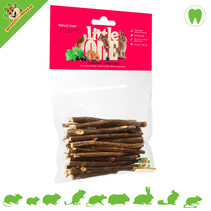
Hazelnut Chewing Wood with Clover & Strawberry Leaf
- Dispatched from our own stock
- Personal & expert advice
- Always 100% rodent-friendly
- Ordered before 5 p.m., shipped the same day!
Hazelnut Chewing Wood with Clover & Strawberry Leaf 40 g
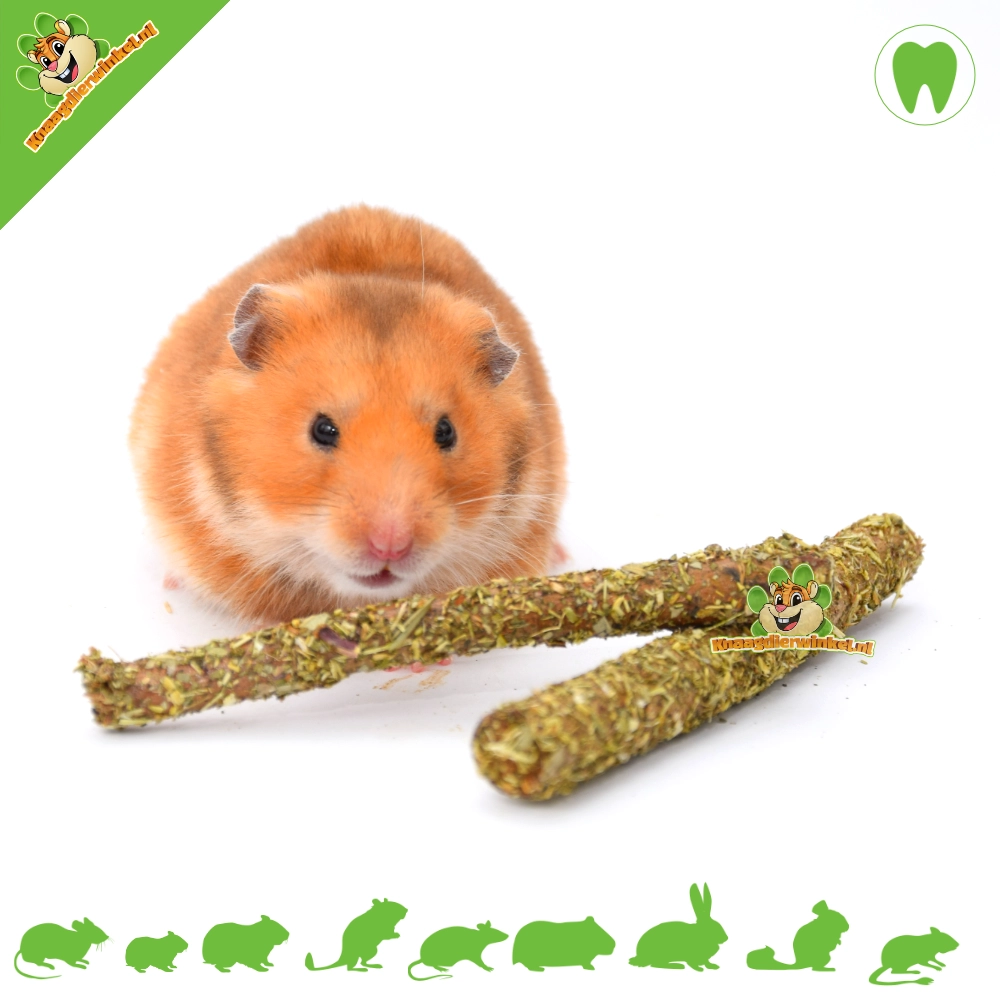
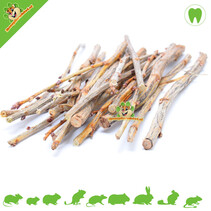
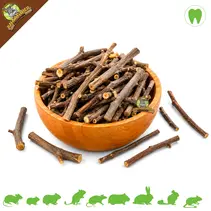
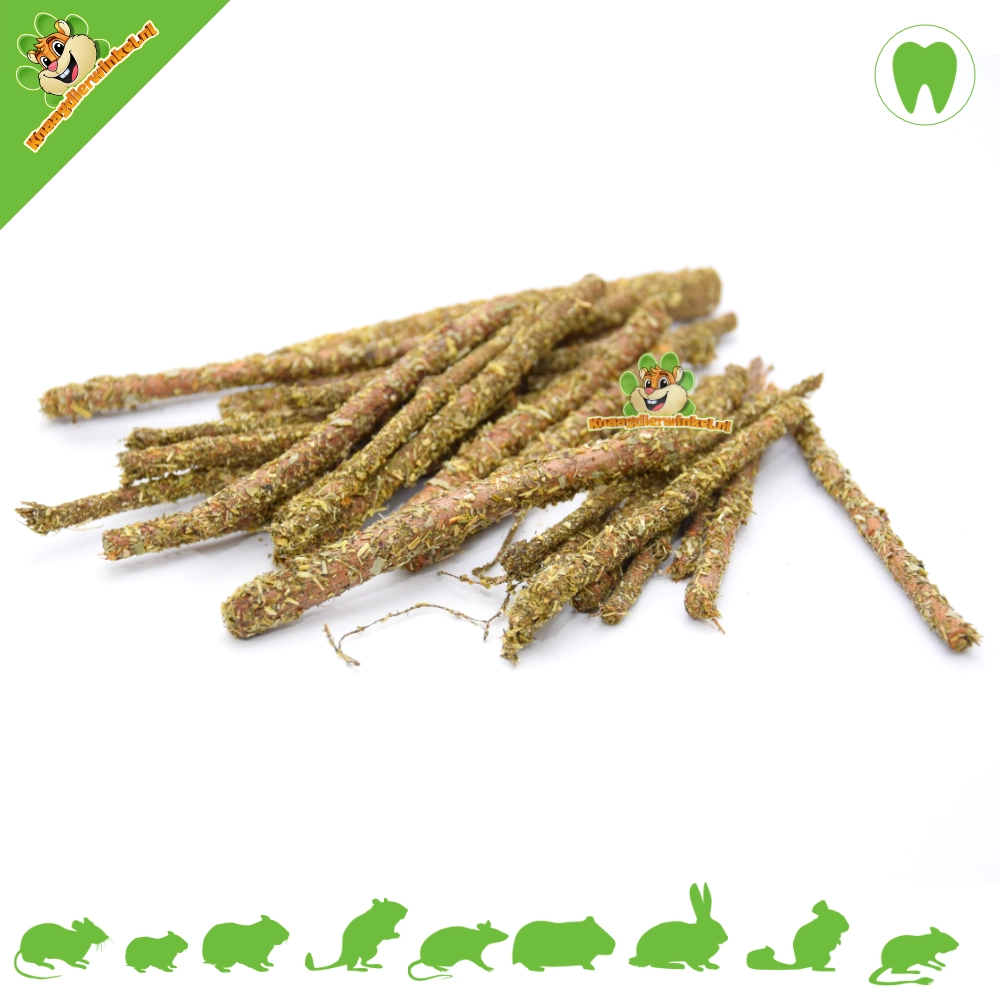
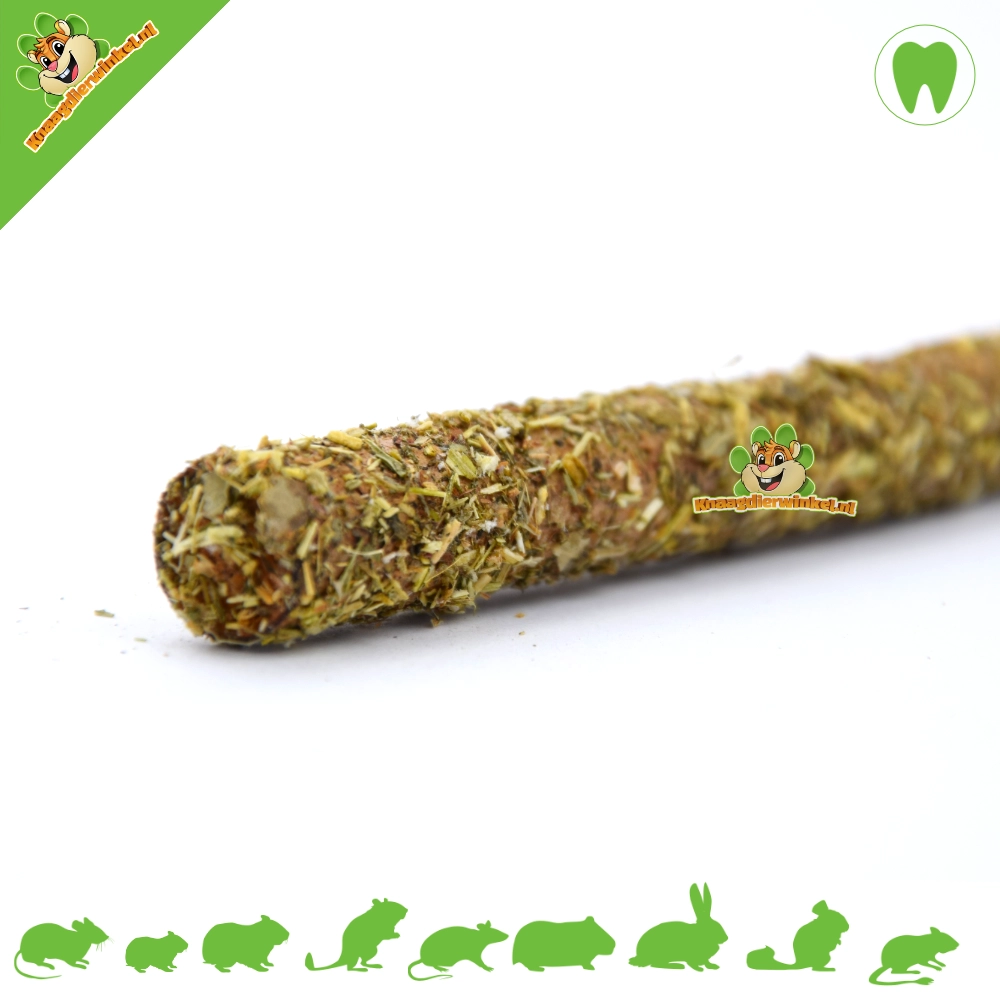
Hazelnut Chewing Wood with Clover & Strawberry Leaf is a natural combination of hazelnut branches with dried clover leaves and dried strawberry leaves. Your pet can nibble on it, pull on it, pick out the leaves, and use the twigs as natural gnawing material.
At DRD, when it comes to gnawing material, we look not just at “something to gnaw on,” but primarily at what your animal can do with it. These hazelnut branches provide scent, texture, and variety. As a result, this product fits well in a hay corner, foraging area, natural-style enclosure, or as a small daily activity for rodents and rabbits.
Chewing wood in brief
Contents: approx. 40 grams
Type: complementary feed
Composition: hazelnut branches, dried clover leaves and dried strawberry leaves
Use: gnawing, foraging, sniffing, exploring, and natural enrichment
Promotes foraging: yes
Suitable for: mice, dwarf hamsters, hamsters, gerbils, dwarf rats, rats, guinea pigs, rabbits, chinchillas, and degus
Great for: hay corner, sniffing area, natural decor, hamsterscaping, gerbilscaping, and ratscaping
✔ Hazelnut branches with clover leaf and strawberry leaf
✔ Provides scent, texture, and natural variety
✔ Stimulates gnawing, sniffing, and exploring
✔ Fun to distribute through hay, a sniffing box, or a foraging area
✔ Suitable for rodents and rabbits
✔ Fits beautifully with natural decor and dressing
What does this gnawing wood add?
Chewing wood gives your animal something natural to keep itself occupied. Some animals actively gnaw on the twigs, while others mainly pull at the leaves or use it as sniffing material. It is precisely this variety that makes this product interesting: your animal can choose for itself whether it wants to gnaw, search, drag, or quietly pick through it.
The hazelnut branches provide firmness and a chewable texture. The dried clover and strawberry leaves make the whole thing more fragrant and attractive to explore. As a result, this gnawing wood is not just a twig, but also a small foraging moment.
Why owners choose this
For owners, this chew wood is an easy way to offer extra natural activity. You place a few twigs in the enclosure, tuck them in with the hay, or hide them in a sniffing spot. Your animal can then get to work with them on its own.
This is a good fit for owners who don't just want to fill the enclosure, but want to consciously furnish it with materials that add something: gnawing, searching, discovering, and natural behavior. A small product, but with multiple ways to use it.
How do you use Hazelnut Chewing Wood?
You can offer the twigs separately, tuck them through the hay, or distribute them over a foraging area. For small animals, a small twig or a small part is often enough. For guinea pigs, rabbits, chinchillas, and degus, however, it is best combined with hay, herbs, and other gnawing material.
| Usage | Practical application |
| Loose in the enclosure | Your animal can gnaw on it, pull on it, drag it, or examine it quietly. |
| Through the hay | Stick a few twigs in the hay to make the hay corner more interesting. |
| In a sniffing box | Mix with hay, leaves, herbs, or bedding for extra searching. |
| In a natural setting | Use as a small natural accent in hamsterscaping, gerbilscaping, or ratscaping. |
For small rodents: sniffing and exploring
For mice, dwarf hamsters, hamsters, and gerbils, this gnawing wood is especially fun as a small natural enrichment. You can place a few twigs between the hay, bedding, or a layer of foraging material so that your animal has to search for it itself.
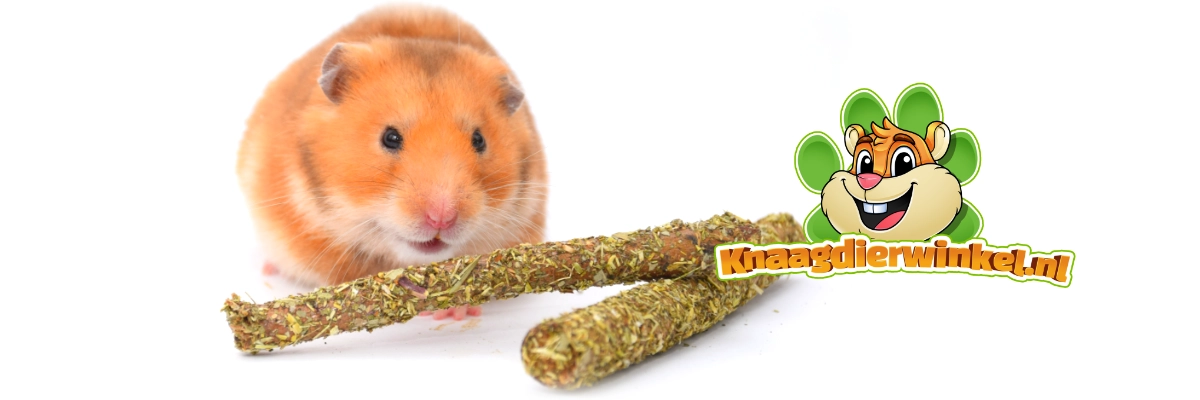
Gerbils will often work the material more actively and can destroy twigs more quickly. For hamsters and dwarf hamsters, it is primarily a fragrant change of pace to investigate, drag around, or nibble on.
For pygmy rats and rats: small foraging stimulus
For dwarf rats and rats, this gnawing wood serves as a fun small foraging and sniffing stimulus. Rats are curious and enjoy exploring new scents and textures. Hide the twigs, for example, among bedding, leaves, or hay.
In a Ratscaping corner, you can beautifully combine hazelnut branches with tunnels, humus zones, leaves, and other natural materials.
For guinea pigs and rabbits: gnawing next to the hay corner
For guinea pigs and rabbits, this gnawing wood fits nicely with the hay corner. Place a few twigs between or next to the hay so your animal can sniff, pull, and nibble. The clover leaves and strawberry leaves make it extra attractive to explore.
For rabbits, it is also fun to place a small bundle in the run or partially hide it in a hay feeder. This immediately makes an ordinary resting place or hay corner a bit more active.
For chinchillas and degus: natural gnawing material
For chinchillas and degus, hazelnut is an interesting natural texture to gnaw on. The twigs provide activity and fit well alongside hay, herbs, platforms, a sand bath, and other gnawing material.
Use small quantities and alternate with other suitable branches, herbs, leaves, and fiber-rich materials. This keeps the enclosure interesting and ensures your animal always has something new to explore.
For which animals is Hazelnut Chewing Wood suitable?
- Mouse: suitable as a small, natural sniffing and nibbling enrichment.
- Dwarf hamster: suitable for exploring, nibbling on, or hiding in a layer of forage.
- Hamster: suitable as a natural variation in the decor or sniffing corner.
- Gerbil: suitable as gnawing and destroying material; gerbils can actively work on twigs.
- Dwarf gnat: suitable as a small foraging stimulus and natural nibbling material.
- Rat: suitable for sniffing, sorting, and use in a natural ratscaping corner.
- Guinea pig: suitable as gnawing and sniffing material in addition to hay and the daily basic diet.
- Rabbit: suitable as natural gnawing material, for example in the hay corner or run.
- Chinchilla: suitable as natural gnawing material and fiber-rich enrichment.
- Degu: suitable as natural gnawing material and foraging stimulus.
Compound
Hazelnut branches, dried clover leaves and dried strawberry leaves.
The hazelnut branches provide a firm nibbling structure. The clover leaves and strawberry leaves ensure an extra scent, taste experience, and picking fun. This makes this mix suitable for feeding on its own, but also for distributing through hay or at a foraging area.
Analysis
No analysis values are provided for this gnawing wood. The product is intended as supplementary gnawing and foraging material alongside the daily basic diet.
Good to know
Chewing wood is meant to be used. Therefore, it is allowed to wear down, be taken apart, and slowly disappear through gnawing and exploration. That is part of natural enrichment.
Not every animal gnaws on wood to the same extent. Some animals use it primarily to sniff or pull at it, while others actively work the twigs. Both methods are normal and make the product valuable as a change of pace in the enclosure.
Frequently Asked Questions about Hazelnut Chewing Wood with Clover & Strawberry Leaf
What do you use this gnawing wood for?
You use it as supplementary gnawing and foraging material. Your animal can nibble on it, sniff it, pull on it, and pick out the leaves.
What is in this mix?
The mix consists of hazelnut branches, dried clover leaves, and dried strawberry leaves.
How much is in the package?
The content is approx. 40 grams.
Is this a complementary feed?
Yes, this product is a complementary feed and is given alongside the daily basic diet.
For which animals is this gnawing wood suitable?
It is suitable for mice, dwarf hamsters, hamsters, gerbils, dwarf rats, rats, guinea pigs, rabbits, chinchillas, and degus.
Can I mix this with the hay?
Yes, that is a nice way to make the hay corner more interesting. Stick a few twigs in the hay or distribute them over a sniffing spot.
Is this also suitable for guinea pigs and rabbits?
Yes, guinea pigs and rabbits can nibble on it, sniff it, and pick out the leaves. It fits nicely alongside hay and other fiber-rich enrichment.
Is this suitable for chinchillas and degus?
Yes, chinchillas and degus can use hazelnut branches as natural gnawing material and a foraging stimulus.
Does my pet have to eat it all?
No, that is not necessary. Some animals mainly gnaw on the twigs, while others pull at the leaves or use it primarily for sniffing and exploring.
How do I store this product?
Store it in a dry, cool, and tightly sealed place so that the aroma, texture, and quality are well preserved.
Useful shopping links
- Chewing material
- Chewing wood
- Hazelnut
- Dried leaves
- Training & foraging
- Guinea pig gnawing material
- Rabbit chewing material
Hazelnut Chewing Wood with Clover & Strawberry Leaf is a great choice when you want to offer natural gnawing material that does more than just be “a twig”. Thanks to the combination of hazelnut branches, clover leaf, and strawberry leaf, your pet gets scent, texture, gnawing pleasure, and a little foraging moment all in one.
| Content (approx): | 40 grams |
| Composition: | Hazelnut branches, dried clover leaves, dried strawberry leaves |
| Analysis: | - |
| Promotes Foraging: | Yes |
| Suitable for: | Rodents, Mouse, Dwarf Hamster, Hamster, Gerbil, Rat, Guinea Pig, Rabbit, Chinchilla, Degus |
| Type: | supplementary pet food |
| Particularities: | - |
| Disclaimer: | Not for food producing animals |