 Polski



Wooden Climbing Stick for Mice, Rats & Birds



- Buy 2 for €7,59 each and save 5%
- Dispatched from our own stock
- Personal & expert advice
- Always 100% rodent-friendly
- Ordered before 5 p.m., shipped the same day!
- Customer service from 09:00 to 18:00
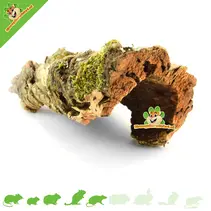
Trixie Wooden Climbing Stick for mice, rats, and birds
The Trixie Wooden Climbing Stick is a natural climbing branch for real climbers such as mice, rats, and birds. The stick can be attached to bars using the screw fastening and provides animals with an extra route, stepping stone, or resting point in the enclosure. Especially when you place multiple climbing sticks at different heights, a fun climbing route is created where animals can move from branch to branch.
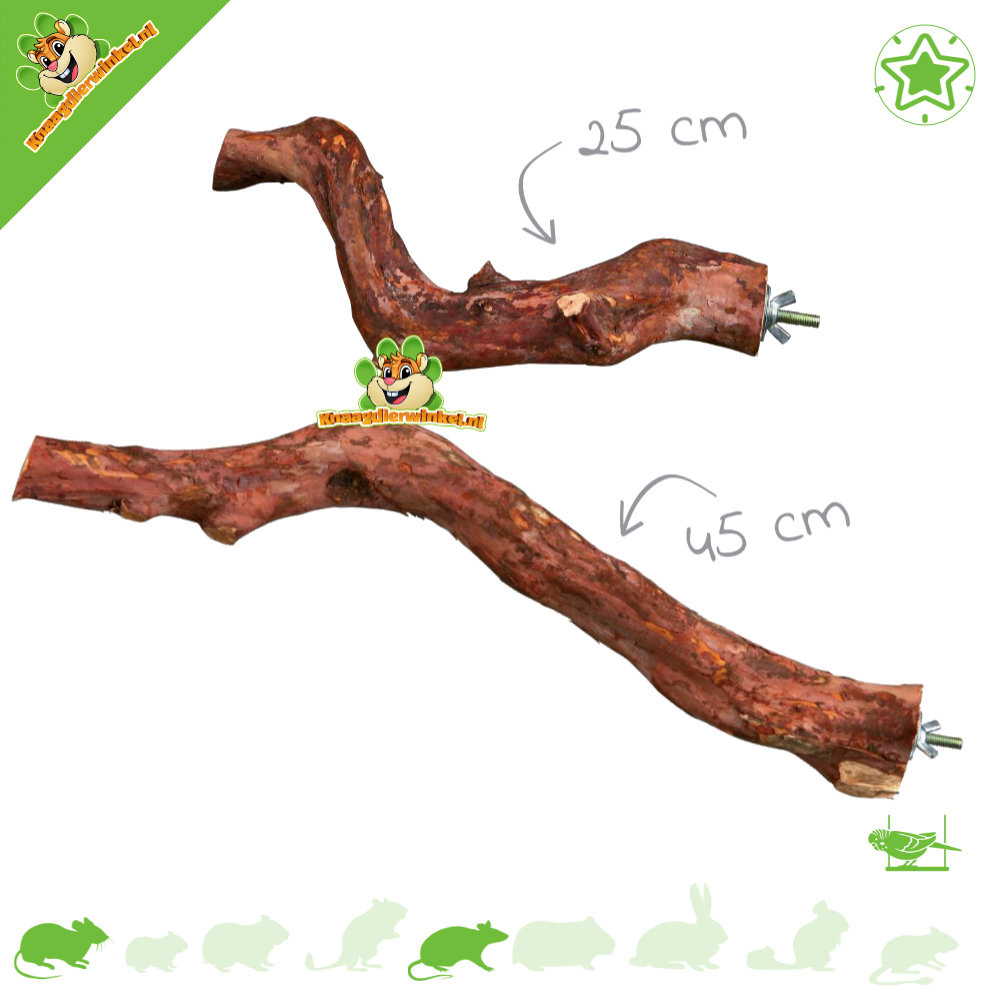
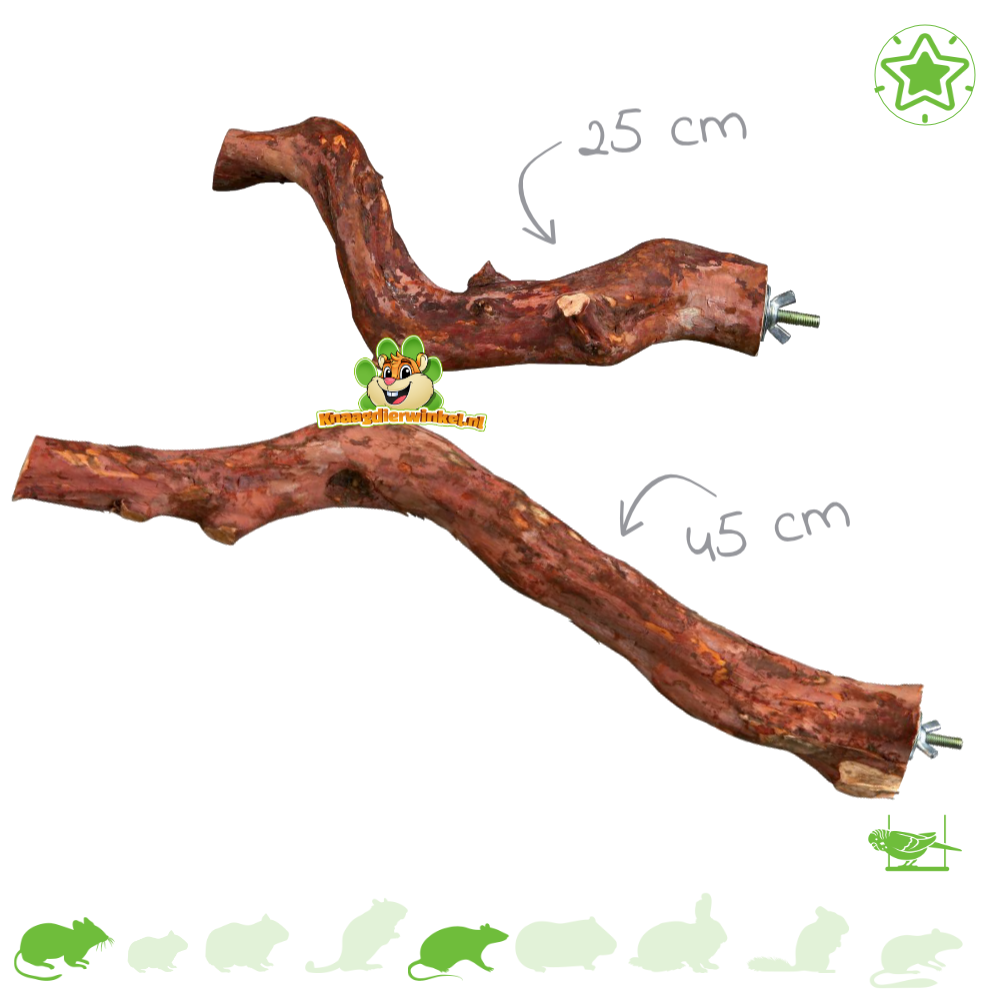
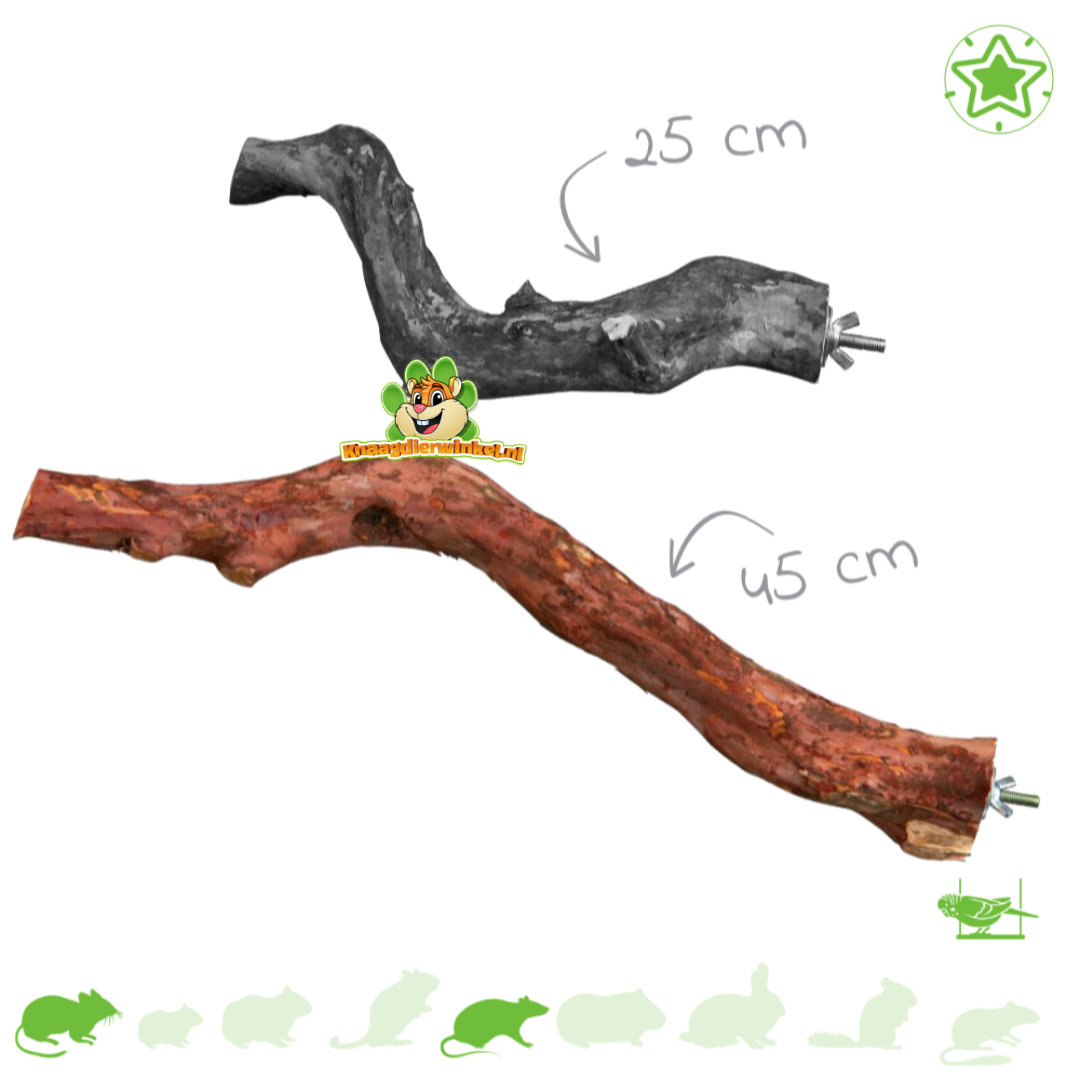
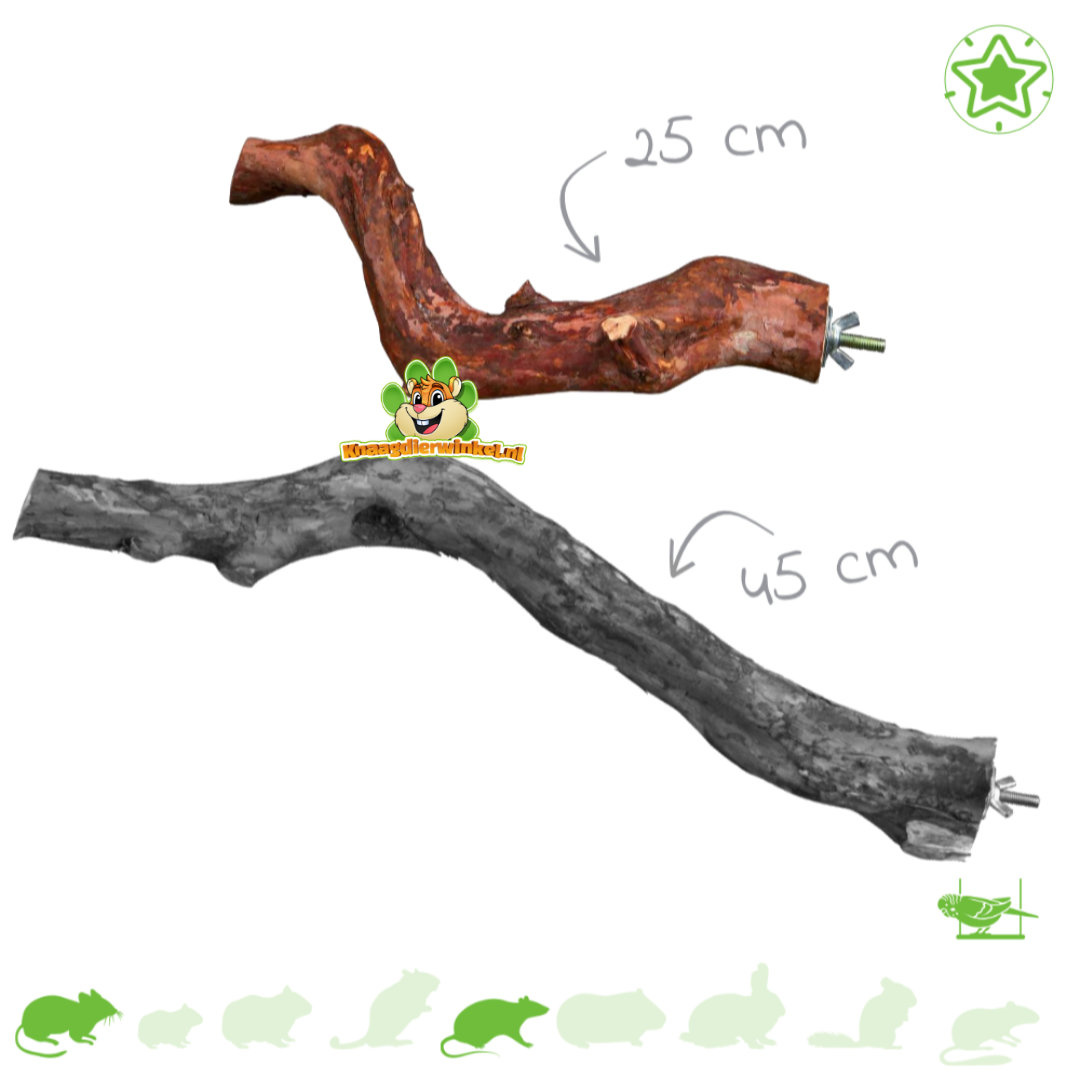
The climbing pole is made of wood and available in two sizes: 25 cm and 45 cm. Because it is a natural product, the shape may vary from pole to pole. This makes every climbing pole slightly different and gives the enclosure a more natural look. Use the climbing pole primarily as part of a well-thought-out setup: securely attached, easily accessible, and always surrounded by safe routes and fall protection.
In short
- Natural wooden climbing stick for mice, rats, and birds
- Available in 25 cm and 45 cm
- Dimensions: 25 cm/ø 1.2–2.5 cm and 45 cm/ø 2.5–5 cm
- With screw fixing for mounting to bars or aviary
- Ideal for creating climbing routes, intermediate jumps, and resting points.
- Beautiful to combine with multiple branches for extra enrichment
- Natural product: shape and thickness may vary per stick
Advantages of the Trixie Wooden Climbing Stick
✔ Made of natural wood
✔ Fun for real climbers like mice, rats, and birds
✔ With screw fixing for mounting to bars
✔ Available in two sizes for different applications
✔ Helps create elevation, routes, and variety during the stay
✔ Multiple poles together provide extra climbing and movement possibilities
Why choose a wooden climbing pole?
Mice, rats, and birds like to use height in their own ways. Mice enjoy climbing, scrambling, and moving via branches, ropes, and platforms. Rats often use branches as a route, stepping stone, or intermediate jump. Birds use a wooden perch as a seat, stepping stone, and natural resting place.
With just one climbing pole, you can create an extra point in the enclosure. With multiple climbing poles, you can really build a route. Think of a setup where animals go from a platform to a branch, then to a second branch, and finally to a small house, hammock, or other resting spot. This makes the enclosure not only fuller but, above all, more functional.
The natural shape of the branch makes it more interesting than a smooth, straight stick. Animals have to position their paws slightly differently and use their balance. This creates extra variation in movement and makes the enclosure richer.
Which size do you choose?
The climbing stick is available in two sizes. Choose the size based on the space in the enclosure, the size of your animal, and the function the stick will serve.
- 25 cm / ø 1.2–2.5 cm: suitable for smaller climbing routes, mouse traps, smaller bird cages, or as an extra intermediate branch.
- 45 cm / ø 2.5–5 cm: suitable for larger enclosures, rat cages, aviaries, or as a larger route or perch.
Undecided between two sizes? Then pay close attention to the location where you intend to attach the stick. The stick must be able to hang securely, be easily accessible, and not protrude so far that it sags too much due to weight or movement. For heavier animals, it is wise to use the stick as a route or intermediate jump, rather than as a separate, heavily loaded platform.
For which animals is the Trixie Wooden Climbing Stick suitable?
- Mouse: very suitable as a climbing branch, route, or resting point in a mouse enclosure. Place multiple branches at logical distances so that mice can move from branch to branch without having to make large jumps.
- Rat: suitable as a climbing route, stepping stone, or intermediate jump in a spacious rat cage. Rats are clever climbers, but also heavier than mice. Therefore, secure the stick firmly and use it primarily as part of a route with multiple footholds.
- Dwarf rat: suitable as a climbing branch or route in a well-equipped dwarf rat cage. Choose the size based on space and body size, and ensure good fall protection under the climbing route.
- Bird: suitable as a natural perch and climbing stick in a cage or aviary. Due to the natural shape and variation in thickness, birds can use their feet in different ways.
For dwarf hamsters, hamsters, and gerbils, this climbing stick is usually less logical as standard equipment. These animals utilize height differently and benefit more from low routes, tunnels, bedding, hiding places, and landscaping material. This product is not intended for guinea pigs, rabbits, and ferrets. Chinchillas and degus can be very active gnawers and jumpers; for these animals, it is preferable to use sturdy, species-specific platforms and branches designed for that purpose.
Place multiple branches for a real climbing route
The greatest added value is created when you do not place a single stick, but combine multiple branches. This creates a route through the enclosure. Animals can then move from branch to branch, pause, sniff, and view their surroundings from different heights.
For mice, you can place the branches closer together to create small climbing steps. For rats, it works better to use the perch as an intermediate jump between sturdier elements, such as platforms, houses, ropes, or hammocks. For birds, you can combine the perch with other perches of different thicknesses.
Always pay attention to the ground surface. Sufficient fall protection must be present under climbing routes, for example through ground cover, low platforms, or other structures that cushion a fall. Do not place climbing poles above hard feed bowls, water bowls, or sharp objects.
Use & assembly
Securely attach the climbing pole to the bars using the screw fastener. Tighten it well and then check if the pole hangs stably. Because wood is a natural product and the shape can vary from piece to piece, the pole may sometimes turn out slightly differently than you expect. Therefore, after assembly, carefully check whether the position is logical and safe.
Place the perch at a height that suits your animal. For mice, a climbing route may be higher up in the enclosure, as long as there are safe routes and fall protection. For rats, it is preferable to use the perch as part of a route, not as the sole support point at a great height. For birds, place the perch so that the bird can sit comfortably without bumping its tail or wings against bars or accessories.
Check the attachment regularly. When animals jump, climb, or gnaw on it, a climbing stick may become slightly loose due to use. Retighten the attachment where necessary and replace the stick when it no longer hangs securely.
Natural wood: every stick is different
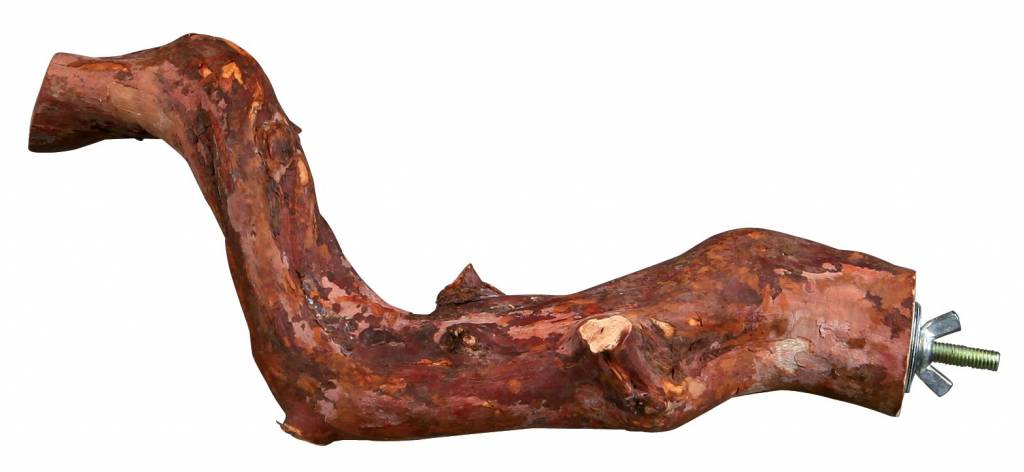
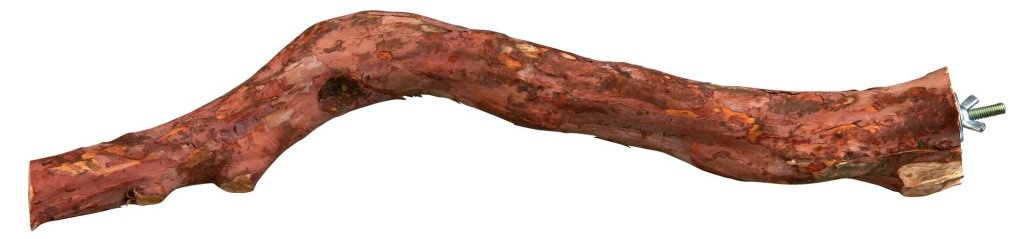
The Trixie Wooden Climbing Pole is made of natural wood. This means that the shape, thickness, twigs, and structure may vary from piece to piece. One pole may be straighter, while another has more side branches or a more irregular shape. This natural variation is precisely part of the product.
This variation allows you to set up the enclosure slightly differently each time. A branch with more branching can be fun as a place of discovery, while a straighter branch is practical as a route. When placing it, always consider the shape of the specimen you receive.
Cleaning and maintenance
Preferably clean the wooden climbing pole dry with a brush or cloth. If the pole gets dirty locally, use only a slightly damp cloth and let the wood dry completely before using it again.
Regularly check the stick for gnaw marks, cracks, sharp edges, and loose parts. Also check the screw fastening. The stick must hang firmly and must not wobble or rotate dangerously during use.
Great to combine with
The Trixie Wooden Climbing Pole is a good fit for an active climbing and route setup. You can combine it with:
- Mouse platforms and ladders
- Mouse hammocks
- Rat platforms and ladders
- Rat hammocks
- Ratscaping inspiration
- Bird shop
- Platforms and ladders
- Hammocks
Frequently Asked Questions
For which animals is the Trixie Wooden Climbing Stick suitable?
The climbing stick is suitable for mice, rats, pygmy rats, and birds. The product is primarily intended for animals that enjoy climbing, scrambling, or sitting on branches.
What sizes are available?
The climbing pole is available in 25 cm and 45 cm. The 25 cm variant has a diameter of approximately ø 1.2–2.5 cm, and the 45 cm variant has a diameter of approximately ø 2.5–5 cm.
How do I attach the climbing pole?
The climbing perch has a screw attachment. This allows you to attach the perch to the bars of a cage or aviary. Always check that the perch hangs securely after installation.
Is one climbing pole enough?
Even a single climbing pole provides extra enrichment, but multiple branches are often more fun. By placing multiple branches, you create a real climbing route where animals can move from branch to branch.
Is this climbing stick suitable for rats?
Yes, the climbing stick is suitable for rats as a route, stepping stone, or intermediate jump. When using it with rats, be sure to use it in combination with other sturdy components and check the attachment regularly.
Is this climbing stick suitable for mice?
Yes, mice are true climbers and can use this stick as a climbing branch, resting point, or route through the enclosure. Place multiple branches at logical distances for an extra challenge.
Is this perch suitable for birds?
Yes, birds can use the perch as a natural roosting or climbing stick. Make sure the perch is securely attached and that your bird has enough room to sit comfortably.
Can the shape vary from stick to stick?
Yes, because it is a natural product, the shape can vary from piece to piece. The thickness and branching can also differ per specimen.
What should I pay attention to during installation?
Ensure secure attachment, safe accessibility, and adequate fall protection below the climbing route. Do not place the pole over hard or sharp objects.
How do I clean the climbing pole?
Preferably clean the climbing pole dry with a brush or cloth. Use a slightly damp cloth only when necessary and allow the wood to dry completely.
Useful shopping links
- Mouse platforms and ladders
- Mouse hammocks
- Rat platforms and ladders
- Rat hammocks
- Ratscaping inspiration
- Bird shop
- Platforms and ladders
The Trixie Wooden Climbing Pole is a great choice when you want to add more height, routes, and natural challenges for mice, rats, and birds. By combining multiple branches, you make the enclosure more active, richer, and more interesting to explore.
| Material: | Wood |
| Dimensions (approx): | Dimensions: 25 cm / ø 1.2-2.5 cm |
| Diameter (approx): | ø 2.5 to 5 cm |
| Suitable for: | Rodents, mouse, gerbil, rat | Bird |
| Particularities: | - |
| Safety Information: | Offer only under supervision. Check regularly for wear and tear |

Ik had toch een mooiere grote tak verwacht. Er hangen veel kleine takjes aan en is best smal. Hopelijk vinden de ratten die toch leuk.
Prima artikel. Het vast schroeven gaat goed, maar zoals in meerdere reviews naar voren komt gaat de stok onder het gewicht van het dier zakken en dan word de schroefdraad lam. Mijn ratjes zitten er alsnog op en gebruiken hem als een soort trappetje.
de schroef ( te klein, ) zit niet diep genoeg in het hout...daardoor , blijft de stok niet mooi horizontaal,maar zakt
Mijn chinchilla's waren er dol op in het begin om aan te knagen. Nu hij er al een eindje hangt gebruiken ze hem vaak als tussensprong om naar een ander plateautje te springen. Enig minpuntje is dat ik het gevoel heb dat hij vrij los hangt. Ik wil hem anders hangen (uiteinde naar boven gericht) maar hij verdraaid steeds van kant (uiteinde naar onder). Harder aanspannen is geen mogelijkheid.