 Polski

Dwarf rats as pets – small in size, true rat in behavior
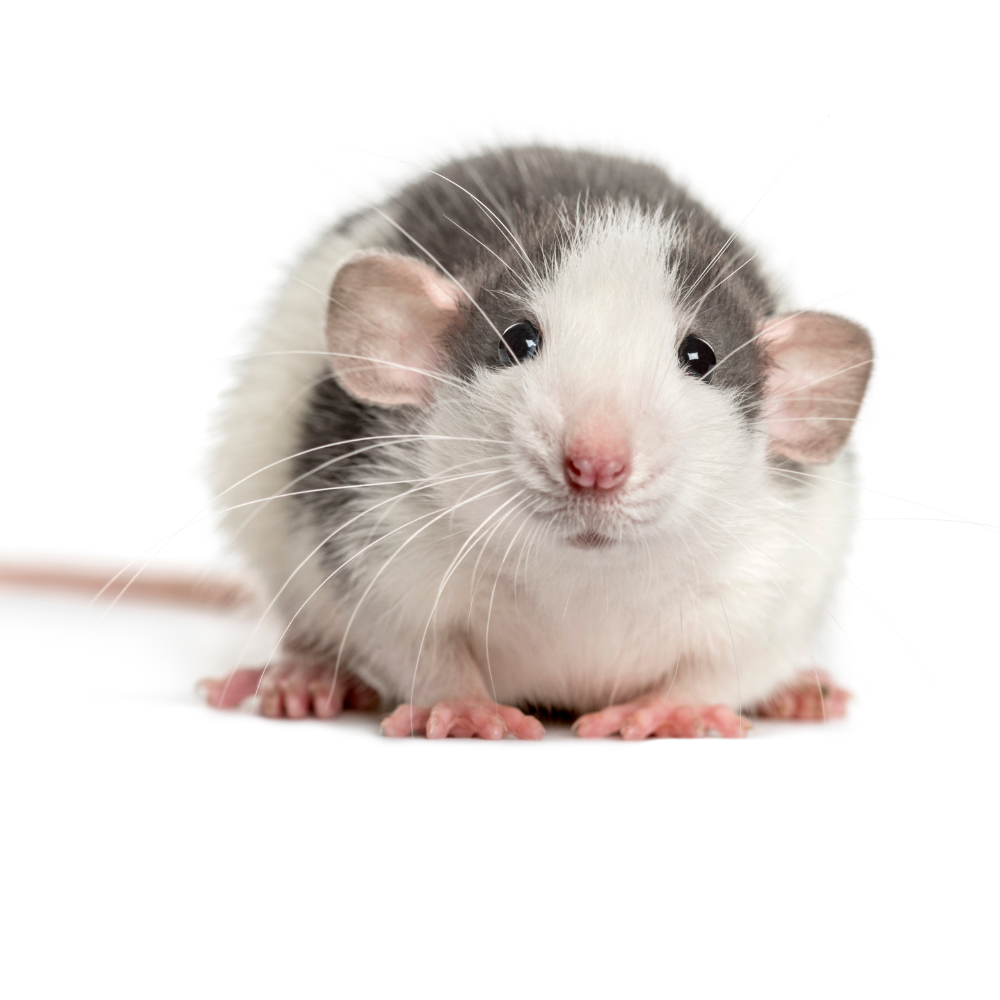 Dwarf rats as pets are interesting for owners who love smart, social, and curious animals. A dwarf rat is smaller than a standard pet rat, but remains a true rat in behavior: social, active, inquisitive, and focused on its own kind. Therefore, a dwarf rat requires proper preparation, a suitable enclosure, and furnishings that suit the animal.
Good to know: dwarf rats can differ significantly in size and build, as this is a relatively young variant/mutation. Therefore, never choose products based solely on the name “dwarf rat”. Always observe your own animals: do they fit safely through openings, can they rest, walk, and move comfortably, does their posture remain good, and is the setup practically controllable?
For dwarf rats, DRD focuses primarily on the elements where size and product fit really make a difference: a safe dwarf rat cage , low-dust dwarf rat bedding , suitable dwarf rat houses , natural dwarf rat ratscaping , and, where appropriate, a well-chosen dwarf rat exercise wheel . For food, simply choose good rat food .
In short
✓ Dwarf rats are social, small, tame rats and should not be kept alone.
✓ They require a safe, spacious, and well-furnished enclosure with attention to bar spacing, doorways, and resting places.
✓ Food does not need to be separate: choose good rat food and tailor portions and rewards to your animals.
Quick links
Behavior & Character · Socializing · Accommodation · Furnishing · Nutrition · Care · Checklist · Shopping Routes · FAQ
Social animal
Pygmy rats are social animals. They need conspecifics, resting places, and places to retreat.
Smart & active
They enjoy exploring. Routes, tunnels, hiding places, sniffing zones, and foraging make the enclosure more interesting.
Match size well
Because dwarf rats can vary in build, always choose houses, tunnels, bar spacing, and exercise wheels to suit their size.
Behavior and character of dwarf rats
Miniature rats are curious animals that enjoy exploring. They learn to recognize routines, often respond well to gentle handling, and actively use their enclosure. They can hide, sniff, climb, forge routes, sleep together, and search for food. It is precisely this behavior that makes them so fun to care for.
Their smaller size does not mean they have less need for stimulation. They still need space, structure, companions, and daily observation. A well-designed enclosure helps enable natural behavior and makes it easier for you to monitor your animals closely.
- Dwarf rats are social and focused on other rats.
- They are smart and can learn where food, resting places, and routes are.
- They like to use hiding places, tunnels, and natural structures.
- They can be curious and active, but also need quiet resting places.
- They require daily observation: eating, drinking, behavior, coat, and activity.
- They may differ from one another in construction, behavior, and use of the enclosure.
Dwarf rats are social animals.
Dwarf rats should not be kept alone. They need social contact with other rats to be able to exhibit normal rat-like behavior. Think of sleeping together, grooming each other, playing, following, communicating, and exploring the environment together.
A good group requires preparation. Pay attention to gender, group composition, introduction, and sufficient space. Multiple hiding places and routes help maintain calm within the group, as animals can seek each other out but also retreat.
- Keep pygmy rats with other rats of their species, not alone.
- Check the sex carefully to prevent unwanted litters.
- Use multiple shelters and resting places.
- Ensure that feeding and drinking areas are easily accessible.
- Observe daily whether all animals are eating, drinking, and participating.
- Make sure you are well informed when forming groups or introducing animals.
Good to know
✓ A pygmy rat is small, but not an animal to be kept alone in a small enclosure.
✓ Care closely resembles that of pet rats, with extra attention to size and product fit.
✓ Good preparation makes the difference between a “nice purchase” and keeping it actually fitting.
Enclosure for dwarf rats: cage, bar spacing, or terrarium
The enclosure is one of the most important choices. Dwarf rats are smaller than regular pet rats, but they still need a spacious and safe enclosure. The key considerations are bar spacing, gaps, doors, ventilation, routes, and ease of cleaning.
In a wire cage, pay extra attention to proper bar spacing and secure closures. In a spacious terrarium or Black Scape-style setup, you can work more with natural substrate layers, sniffing zones, and digging spots. This can be beautiful, as long as ventilation, moisture control, and hygiene remain good.
- Choose plenty of space for social animals and active routes.
- Carefully check bar spacing, doors, gaps, and the top.
- Ensure good ventilation without drafts.
- Create zones for sleeping, eating, drinking, toilet, routes, and enrichment.
- Use low-dust bedding, especially for sensitive airways.
- Keep the accommodation practically accessible for daily checks.
For this, view the Dwarf Rat Cage , Dwarf Rat Substrate , and, where appropriate, the Black Scape Terrarium .
Layout: houses, routes, exercise wheels and Ratscaping
A good setup gives dwarf rats freedom of choice. They must be able to hide, rest together, retreat, sniff, walk, climb, and search. Because dwarf rats can vary in size, always match houses, tunnels, passageways, and exercise wheels to the actual size of your animals.
- Use multiple shelters or hiding places for resting both together and separately.
- Choose tunnels and passages that your animals can easily pass through.
- Only use running wheels if the diameter, running surface and back position are correct.
- Create natural routes with ground cover, cork, wood, and houses.
- Use sniffing zones or digging areas for extra enrichment.
- Check natural materials for moisture, odor, and gnawing damage.
Useful categories are Dwarf Rat Houses , Dwarf Rat Exercise Wheels , and Dwarf Rat Ratscaping .
Nutrition for dwarf rats: the same basics as pet rats
Basically, dwarf rats eat the same things as domestic rats. So, you don't need to create a separate feeding environment. Choose good rat food and tailor portions, snacks, and foraging times to size, age, activity, and group composition.
- Choose good basic food for pet rats.
- Dose appropriately for the size and activity of your animals.
- Use snacks as a small reward or foraging moment.
- Optionally, distribute food through sniffing zones to encourage searching behavior.
- Check that all animals can eat in peace.
- Keep feeding and drinking areas clean and easily accessible.
For food, you can go to Rat Food , Rat Pellets , Rat Snacks , and Rat Herbs and Seeds .
Daily care and check-up
Miniature rats are small animals, making daily observation important. Look at their eating, drinking, activity, breathing, coat, posture, behavior, and the way they move through the enclosure. Small changes are more noticeable when you know your animals well.
- Check daily if all animals are eating and drinking.
- Pay attention to activity, posture, breathing, and social behavior.
- Remove wet bedding and old food remnants in time.
- Check houses, tunnels, and burrowing zones for moisture and odor.
- Use low-dust materials and keep the enclosure well ventilated.
- Contact a veterinarian if you have clear concerns about your pet's health.
For practical care, you can proceed to Rat Care , Rat Toilets , and Rat Pee Mats .
Checklist: Are dwarf rats right for you?
✓ You know that pygmy rats are social animals and should not be kept alone.
✓ You have room for a safe, spacious, and well-ventilated stay.
✓ You choose products based on the actual size and build of your dwarf rats.
✓ You want to observe, feed, check, and clean where necessary on a daily basis.
✓ You enjoy setting up an enclosure with routes, hiding places, and enrichment.
✓ You are willing to delve deeper into behavior, introduction, health, and care.
Handy shopping routes for pygmy rats as pets
Start with the basics: enclosure, substrate, hiding places, and food. Then you can expand with Ratscaping, exercise wheels, and extra enrichment.
Stay & bottom
First, choose a safe enclosure and a low-dust, practical floor.
Shelter & enrichment
Make the stay more interesting with cottages, routes, sniffing zones, and natural landscaping.
Dwarf Grate Houses
Dwarf Rat Ratscaping
Dwarf rats Running wheels
Nutrition & care
Dwarf rats eat like pet rats. Choose good rat food and keep hygiene under control.
Read more about pygmy rats
Would you like to read more before purchasing pygmy rats or setting up their enclosure? These pages are a good follow-up:
FAQ – frequently asked questions about dwarf rats as pets
Are pygmy rats nice pets?
Yes, dwarf rats can be very nice pets for owners who appreciate social, smart, and active animals. However, they do require proper preparation, companions of their own kind, a suitable enclosure, and daily attention.
Can you keep dwarf rats alone?
No, pygmy rats are social animals and should not be kept alone. They need companions for social behavior such as sleeping together, grooming, communicating, and playing.
Are dwarf rats easier than regular rats?
Not automatically. They are smaller, but still have many rat needs: space, a social group, enrichment, good nutrition, and daily observation. The difference lies mainly in size and product fit.
Do dwarf rats need special food?
No, basically dwarf rats eat the same things as pet rats. Choose good rat food and tailor portions, snacks, and foraging times to your animals.
Can dwarf rats live in a terrarium?
A spacious terrarium or Black Scape-style setup can be interesting if ventilation, hygiene, and layout are right. You can then work more with substrate layers, sniffing zones, digging areas, and natural routes.
What should you pay attention to daily with dwarf rats?
Pay attention to food, drink, activity, breathing, coat, posture, social behavior, and hygiene. Also regularly check houses, tunnels, digging areas, drinking spots, and bedding.
DRD helps you keep dwarf rats with honest decision-making assistance.
At DRD Knaagdierwinkel®, when it comes to dwarf rats, we don't just look at small products, but above all at what is truly right for the animal. Dwarf rats are small, tame rats with real rat needs: companions, space, a safe enclosure, low-dust bedding, good nutrition, and daily attention.
Undecided between a cage, terrarium, house, exercise wheel, bedding, or Ratscaping setup? Then check out the Dwergrat Webshop or contact us via Service & Contact . We are happy to help you decide.
✓ Dwarf rats as pets: social, smart, active, and small in stature
✓ Always match products to the actual size and build of your dwarf rats
✓ Smartly combines with dwarf rat cage, bedding, houses, Ratscaping, and good rat food
✓ Specialist since 2011
✓ Ordered before 17:00, shipped the same day from our own stock
