 Polski

Meadow hay for rodents and rabbits
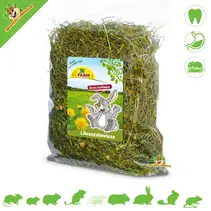

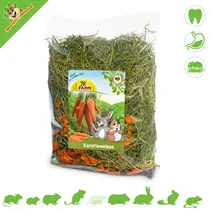


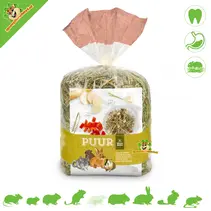
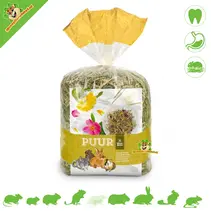
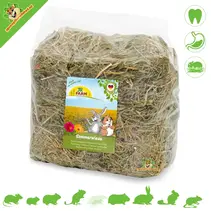
Meadow hay for rodents and rabbits
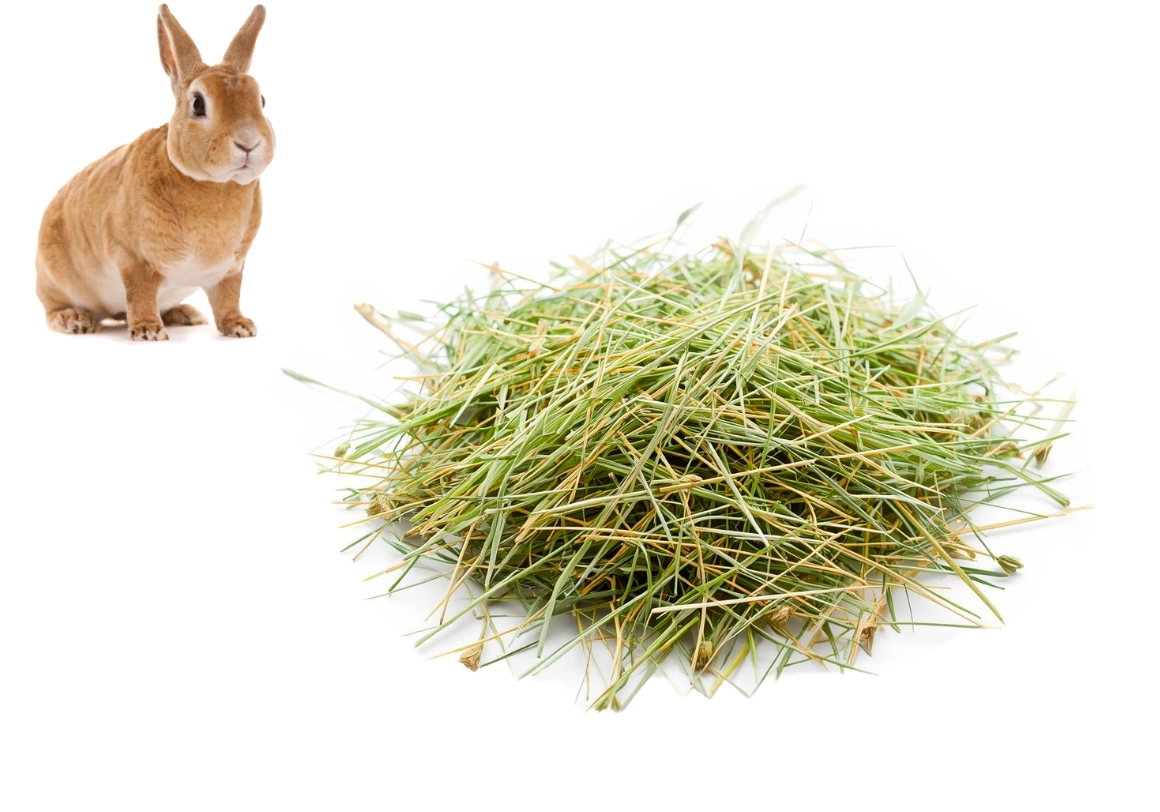 Meadow hay is the classic, all-around base for a hay patch. It usually consists of a mix of different grasses (and sometimes some herbs) and is known for its pleasant balance of aroma, texture, and palatability. For rabbits and herbivores like guinea pigs, chinchillas, and degus, hay is a staple in their daily routine: you want it to always be readily available and to stay clean and dry. In this category, you'll find various types of meadow hay and handy solutions for neatly presenting hay. Specialist since 2011.
Useful links within Hay & Ruiven
Compare meadow hay with timothy, mountain meadow, herbs, and fresh grass hay.
View Hay →
Meadow hay in brief
- Character: all-round, structured pasture mix with pleasant “palatability”.
- For whom: rabbits, guinea pigs, chinchillas and degus (available daily).
- When to choose: If you are looking for a solid base that works well for many animals.
- Tip: alternate with timothy, mountain meadow or herb hay to keep the hay patch interesting.
What is meadow hay?
Meadow hay is typically made from a natural mix of grasses (and sometimes some herbs). This variety often creates a nice balance between thin and firmer blades. This makes meadow hay a popular base for hay patches, especially if you're looking for a "classic" hay option.
In practice, many owners use meadow hay as a fixed base and alternate with timothy hay , mountain meadow hay or fresh grass hay , depending on preference, season and structure.
Which animals is meadow hay suitable for?
- Rabbits: plenty of hay available daily as a permanent spot.
- Guinea pigs: Provide plenty of food daily, preferably in a clean, fixed location.
- Chinchillas and degus: often very suitable as a basic hay or as a variation.
- Hamsters, gerbils, rats and mice: mainly as nesting and activity material, or occasionally for nibbling.
How to choose the right structure
- Fussy eater: try meadow hay with softer blades or alternate with fresh grass hay.
- Real nibbler: combine meadow hay with a slightly coarser variety such as mountain meadow hay.
- Variation in the hay patch: occasionally sprinkle a handful of herbal hay through the meadow hay.
- Bulk consumption: Consider larger packages or bales/chunks if you use a lot of hay.
Manger or hay bag: keeping hay clean
A permanent hay storage area makes all the difference: hay stays clean longer, you have less waste and you can see more quickly how much is actually being eaten.
- Hay rack: a sturdy, fixed eating area. View all options at Hay Racks .
- Hay bags: space-saving and often extra neat in use. View the options at Hay Bags .
Would you like us to help you choose the right one for your pet, the size of your enclosure, and your gnawing habits? Contact us via our service page .
Storing meadow hay: how to keep it fresh
- Dry and airy: store hay in a breathable rather than completely airtight container.
- Away from moisture: Hay that becomes damp can develop a musty smell and is more likely to be thrown away.
- No strong odors: hay absorbs odors easily, so avoid placing it near cleaning products.
- Older stock first: this way the quality of the hay patch remains more consistent.
Checklist: Is your meadow hay routine going well?
- Always plenty available: the hay area is never “empty” and is replenished daily.
- It actually gets eaten: you see uptake, not just dragging or spreading.
- Clean area: hay stays dry and does not lie above the litter box.
- You see a preference: does your animal select strongly? Try changing the structure or adding variety.
- Suitable holder: the manger/bag must be suitable for the size of your animal and its enclosure.
Maintenance
- Refresh daily: remove damp or soiled hay and refill with clean, dry hay.
- Cleaning the trough/bag: clean regularly and check the fastenings.
- Fixed hay area: helps to better assess cleanliness and intake.
Safety
- Stable placement: Hanging hay bags and mangers should be stable and hang at a safe height.
- Check openings and edges: avoid pinching and look for wear or sharp parts.
- Remove wet hay: Damp or soiled hay should be discarded immediately and replaced with clean, dry hay.
- Not sure? Ask us for advice through our service .
FAQ Meadow Hay
Is meadow hay “better” than other types of hay?
Meadow hay is a great all-around staple. Some animals prefer the texture of timothy hay or the scent of mountain pasture. Alternating the hay often helps keep the hay patch attractive.
Is meadow hay the same as timothy hay?
No. Timothy hay is made from a single grass species, while meadow hay is usually a mix of different grasses (and sometimes herbs). Both can work well; it's mainly a matter of preference and texture.
How much meadow hay do I give per day?
For rabbits and herbivores like guinea pigs, chinchillas, and degus, it's common to have plenty of hay available at all times. Refresh the feeding area daily.
My pet throws away a lot of hay. What helps?
Create a permanent hay area with a manger or hay bag, and don't place it above the litter box. Change small amounts frequently instead of a large amount at once.
