 Polski



Hamsterscaping Rock Wall 38 cm for Hamsters and Gerbils
- Dispatched from our own stock
- Personal & expert advice
- Always 100% rodent-friendly
- Ordered before 5 p.m., shipped the same day!
Hamsterscaping Rock Wall 38 cm for hamsters and gerbils
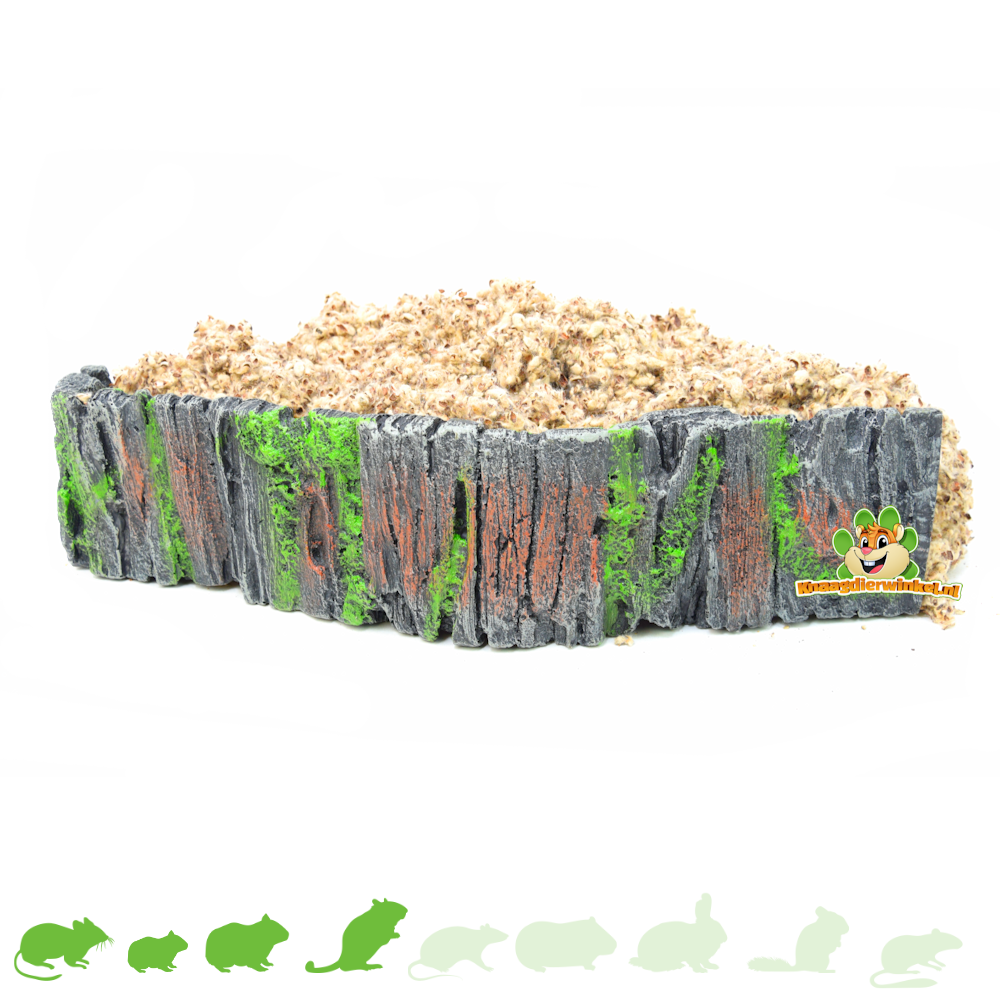
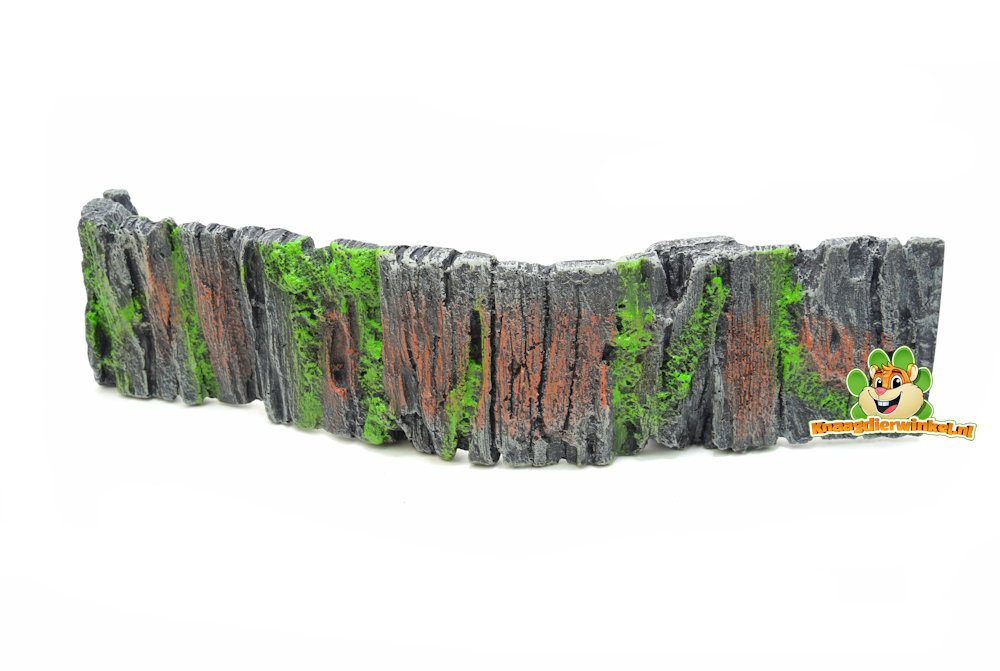
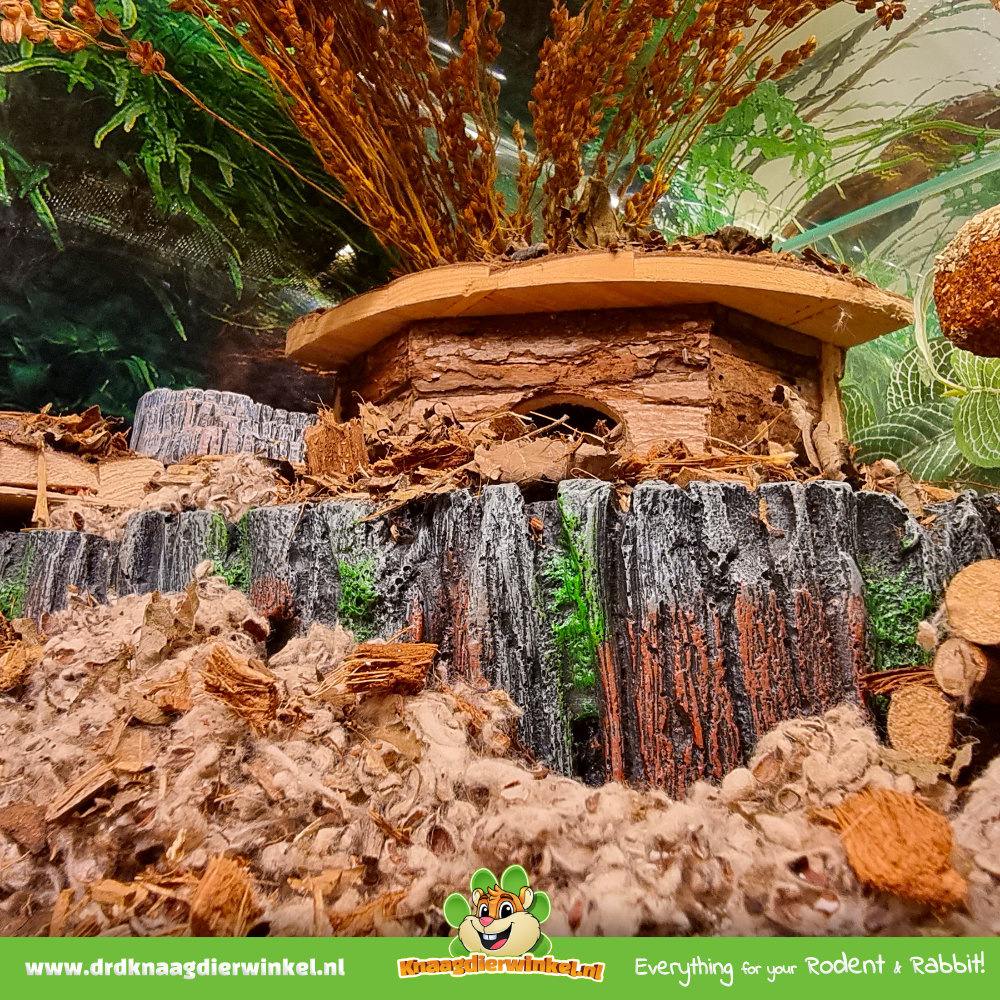
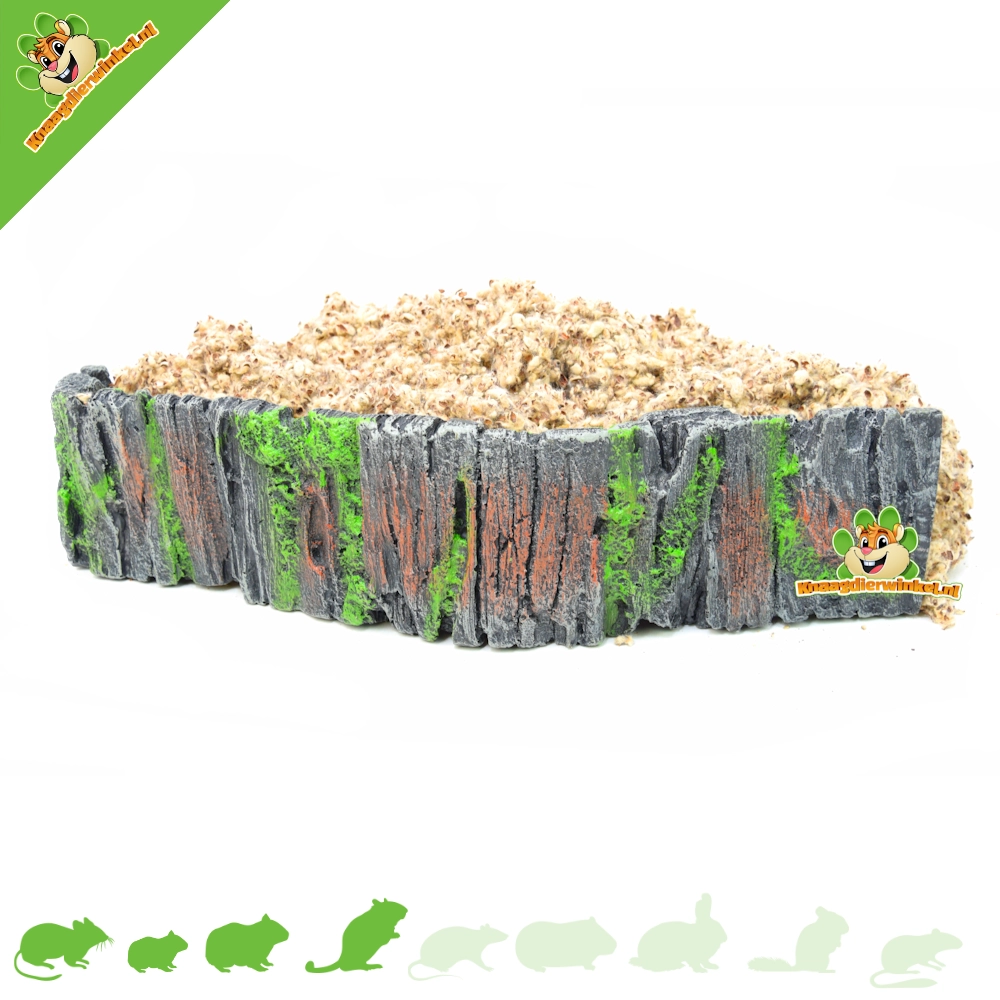
The Hamsterscaping Rock Wall 38 cm is a longer resin rock wall for a natural setup for small rodents. You can use the wall as a divider between different zones in the enclosure, for example between bedding and sand, between a humus corner and a runway, or as a decorative border in a hamster or gerbilscape.
When it comes to aquascaping products, DRD focuses primarily on function, stability, and a natural effect. This rock wall immediately adds structure to the enclosure and, with a length of approximately 38 cm, is very suitable when you want to create a larger separation than with a small wall. Due to the closed shape, no open gaps appear between twigs or slats, allowing the wall to be used neatly as an edge, divider, or low transition in the design.
In short
- Longer rock wall for hamsterscaping and gerbilscaping
- Made of sturdy resin
- Dimensions approx. 38 × 7 cm
- Suitable for mice, dwarf hamsters, hamsters, and gerbils
- Ideal as a divider between ground cover, sand, humus, or other scape zones.
- A beautiful alternative to a willow bridge wall or a freestanding wooden partition.
- Easy to clean with lukewarm water
Advantages of the Hamsterscaping Rock Wall 38 cm
✔ Natural rock look for hamsterscaping and gerbilscaping
✔ Longer size of approx. 38 cm for larger areas
✔ Handy as a divider between different bedding materials
✔ Sturdy resin material
✔ Closed shape without open gaps between twigs
✔ Combines well with hamsterscaping , gerbilscaping , and bedding
Why choose a longer rock wall?
A naturally designed enclosure becomes clearer when you work with distinct zones. Think of a digging area, a sand area, a humus corner, a feeding area, or a quieter area with houses and tunnels. The Hamsterscaping Rock Wall 38 cm helps to beautifully separate such zones.
With a length of approx. 38 cm, this rock wall is particularly useful when you want to delineate a larger floor area. For example, along a sand bath, around a raised layer of bedding, or as a border between two different structures. This keeps the layout neater and immediately gives the enclosure more depth and a more natural look.
Whereas a willow bridge is often curved and flexible, this rock wall provides a sleeker, sturdier separation. This is useful when you want to keep ground cover, sand, or humus better in place. Moreover, the rock look pairs beautifully with natural materials such as cork, wood, moss, humus, sand, and dried plants.
For which animals is this rock wall suitable?
- Mouse: suitable as a low partition, decorative border, or part of a natural pathway. Ensure the wall is stable and cannot fall over.
- Dwarf hamster: very suitable for hamsterscaping, for example as a divider between a sand bath, bedding, or a small humus zone.
- Hamster: suitable as a scaping wall, low partition, or decorative element. For larger hamsters, it is especially important that the wall is sturdy and fits logically into the decor.
- Gerbil: suitable for gerbilscaping as a sturdy border or zone divider. Gerbils dig actively, so place the wall securely and check regularly to ensure it is not being undermined.
For larger animals such as rats, pygmy rats, guinea pigs, rabbits, chinchillas, and degus, this rock wall is not intended as a functional barrier or climbing structure. For these animals, it is better to choose larger, sturdier furnishings that suit their body size and strength.
How do you use the Rock Wall 38 cm?
Place the rock wall low and stable in the enclosure. You can use it as a border between two types of bedding, as a divider around a sand bath, or as a decorative transition between different scape zones. If necessary, press the bottom slightly into the bedding so that the wall stands more firmly.
For hamsters, for example, you can use the wall between a sand section and a digging area. For gerbils, it can help visually separate an area with humus, sand, or another texture. Keep in mind that gerbils actively dig and may move or undermine the furnishings. Therefore, check regularly whether the wall is still standing firmly.
Do not use the rock wall as a high climbing element or as a high staircase. The product is best suited as a low partition, decorative wall, or small transition in the interior design. This keeps its use unobstructed and safe for small animals.
38 cm or 24 cm: which rock wall do you choose?
This 38 cm rock wall is particularly useful when you want to create a longer line in the enclosure. Think of a clear separation along a large sand zone, a raised substrate layer, or an elongated scape setup. The longer size brings more calm to the layout, as you can delineate a larger area with just one wall.
The smaller 24 cm rock wall is particularly useful for more compact corners, smaller enclosures, or tight transitions between two materials. If you want to create multiple zones, you can combine both sizes. This allows you to build the enclosure more naturally and make it fit better with the available space.
Beautiful for hamsterscaping and gerbilscaping
Hamsterscaping and gerbilscaping are about more than just a beautiful appearance. A good setup helps your animal to dig, walk, hide, sniff, and choose. With a rock wall, you can create clear routes and zones, making the enclosure more natural and interesting.
For example, combine the rock wall with a deep layer of hamster bedding , a hamster sand bath , cork tunnels, moss, houses, or natural decorations. For gerbils, the wall combines nicely with gerbil bedding , tunnels, and sturdy landscaping materials.
Material & dimensions
- Product: Hamsterscaping Rock Wall 38 cm
- Material: synthetic resin
- Dimensions: approx. 38 × 7 cm
- Use: partition, decoration, low transition and landscaping element
- Suitable for: mice, dwarf hamsters, hamsters and gerbils
Synthetic resin is a hard and sturdy material. It is not a gnawing material and is found by many small rodents less interesting to gnaw on than wood, cork, or willow. However, check the product regularly for wear, damage, or sharp edges, especially when it is used intensively or partially buried.
Handle the rock wall with care when installing, moving, and cleaning. The resin is sturdy in the enclosure but can be damaged by falls or hard impacts. Therefore, always check that the wall is still neat and smooth before replacing it.
Cleaning & maintenance
Clean the rock wall with lukewarm water. Preferably do not use harsh cleaning agents, as these can leave an odor or damage the material. Let the rock wall dry thoroughly before placing it back in the enclosure.
Because resin absorbs moisture less quickly than natural materials, this product is practical when you are looking for a partition that you can easily rinse off. This makes it handy for changing scape setups or when maintaining multiple enclosures.
Easy to combine with
The Hamsterscaping Rock Wall works best as part of a complete natural setup. By combining different materials, you create distinct zones and give your animal more choice in the enclosure.
- Hamsterscaping products for natural decor
- Gerbilscaping products for sturdy, natural zones
- Hamster bedding for burrows and routes
- Gerbil bedding for a firm soil structure
- Cork and bamboo for natural tunnels and accents
Good to know
Offer the rock wall only under supervision and check regularly for wear or damage. Always place the product stably, especially if your animal likes to dig or move bedding. If the wall becomes loose, reposition it or press it firmly back into the bedding.
Use the rock wall as a landscaping element and barrier, not as a replacement for a shelter, tunnel, or safe pathway. For a complete enclosure, a combination of sufficient bedding, hiding places, a sand bath, gnawing material, and foraging opportunities remains important.
Frequently asked questions about the Hamsterscaping Rock Wall 38 cm
What do you use this rock wall for?
You primarily use the rock wall as a separation between different zones in the enclosure, for example between bedding and sand, a humus corner, or a natural pathway.
What is the difference between the 38 cm and 24 cm rock wall?
The 38 cm rock wall is longer, making it convenient for larger zones or longer partitions. The 24 cm variant is more practical for smaller corners, compact enclosures, or short transitions.
Is this rock wall suitable for hamsterscaping?
Yes, the rock wall is very suitable for hamsterscaping. It helps to create zones and gives the enclosure a natural rock look.
Can I use the rock wall for gerbils?
Yes, the rock wall is suitable for gerbilscaping. Make sure to place it securely, as gerbils actively dig and can undermine or move the furnishings.
Is synthetic resin suitable for a rodent enclosure?
Resin is a hard and sturdy material suitable as a decorative element. It is not a gnawing material, so check regularly to ensure the product remains intact and remove it if damaged.
Can I bend this wall?
No, this rock wall is made of hard resin and is not intended to bend. If you want a flexible partition, a willow bridge is a better fit; if you prefer a longer, sturdy rock look, then this wall is a beautiful choice.
Can I use the rock wall as stairs?
You can use the wall low and stable as a small transition, but not as a high staircase. Position it so that your animal cannot fall from a height and that the wall cannot shift.
How do I clean the rock wall?
Clean the rock wall with lukewarm water and let it dry thoroughly before putting it back in place. Preferably do not use harsh cleaning agents.
Useful shopping links
The Hamsterscaping Rock Wall 38 cm is a practical choice for owners who want to create a longer, natural partition in a hamster or gerbil enclosure. Thanks to its sturdy rock look, you can beautifully divide floor zones, keep scaping materials better in place, and gradually make the enclosure more natural and organized.
| Material: | Synthetic resin |
| Dimensions (approx): | 38 x 7 cm |
| Diameter (approx): | ø |
| Suitable for: | Rodents, Mouse, Dwarf Hamster, Hamster, Gerbil |
| Particularities: | - |
| Safety Information: | Offer only under supervision. Check regularly for wear and tear |



Hele mooie rots muur. Veiligere keuze dan de wilgenbruggen als je het voor hoogteverschil wil gebruiken, omdat er geen kieren in zitten. Ook is het zwaar genoeg om te blijven staan
Heel handig om te gebruiken voor een hamster. Zo kan je makkelijk de bodem een laag verhogen. Ze zijn er ook van hout maar die durfde ik niet te gebruiken aangezien daar nogal eens een hamster pootje in vast komt te zitten. Dan is dit de ideale oplossing. Hopelijk komt er nog een keer een hogere rotsmuur bij. Hij is wel wat breekbaar dus je moet er wel zachtjes mee doen.
Dit soort veilige muurtjes zou ik graag in meerdere hoogtes/ lengtes/vormen hebben. Ik hoop dat die ooit nog ns komen want ik vind ze geweldig. Het is mooi dat de uiteinden extra steun bieden zodat de muur niet om kan vallen als je hamster er op klimt.