 Polski

Winter products for Rodents & Rabbits
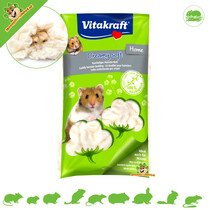
FOR YOU Dreamy soft is nesting material made from particularly cuddly soft cotton. The 100% natural material protects the animal against drafts and provides warmth. Also suitable for mice. cozy bed for hamsters and mice Made from 100% pure cotton = no syn
Read more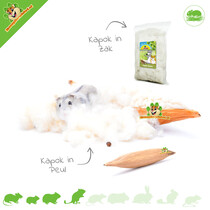
Natural, soft nesting material for small rodents such as hamsters, dwarf hamsters, mice, and gerbils. Available as kapok pods or loose kapok fibers.
Read more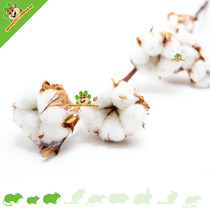
Natural cotton branch with cotton balls for hamster and gerbil landscaping. Decorative, stimulating, and suitable for small rodents who love to explore and collect nesting material.
Read more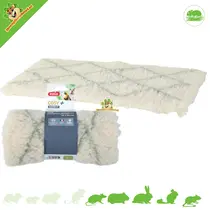
Soft, absorbent Zolux Heat Mat, 30 x 60 cm. Made from 100% recycled polyester, washable and reusable. For guinea pigs, rabbits, rats, chinchillas, and degus.
Read more- Voor 17 uur besteld, dezelfde dag verzonden!
- Rodent specialist since 2011
- Dispatched from our own stock
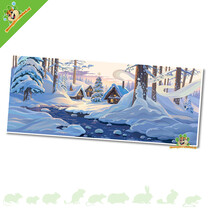
Atmospheric terrarium background with a winter landscape for a winter scape or Christmas scape. Gives your enclosure more depth and a warm, wintry look. Size: 100 x 50 cm.
Read more
Winter products for rodents and rabbits
 Are you looking for good winter products for your rodent or rabbit ? In this category, you will find products for cold days, draft-free resting places, extra nesting comfort, warm tunnels, fleece, vet beds, indoor heating products, winter herbs, and winter food. Think of plush tunnels, sleeping bags, warm hiding places, vet beds, soft underlays, suitable nesting material, and winter-specific food for outdoor rabbits.
When it comes to winter products, DRD looks not only at “warmth,” but primarily at the right winter solution for each animal and situation. A hamster or mouse benefits most from a draft-free spot and good nesting material. A rat prefers warm hanging spots or tunnels. A guinea pig or rabbit mainly needs dry, comfortable resting places. Rabbits living outdoors require extra attention regarding wind, moisture, insulation, shade-free dryness, hay, and daily checks.
In short
✓ Winter products help with comfort, shelter, nest building, dry resting places, and extra security during cold days.
✓ Use heat products indoors and always in such a way that your animal can step away from the heat itself.
✓ For outdoor rabbits, winter care revolves mainly around dryness, wind protection, insulation, hay, appropriate feed, and daily checks.
Quick links
Product groups | Why winter products? | By animal species | Indoors or outdoors | DRD tip | Learn more | Combining | Checklist | Good to know | FAQ
Indoor heating products
Heat pads and heat & cool pods for temporary extra warmth indoors. Always use according to product instructions and with a backup option.
Warm tunnels & shelters
Plush tunnels, dens, tents, sleeping bags, and shelters provide extra security and a warm resting place.
Fleece, vet bed & soft underlayers
For guinea pigs and rabbits, fleece or a vet bed can be a pleasant warm, soft, and dry resting place, especially in a well-furnished indoor space.
Nesting material
For small rodents, good nesting material is often the most important winter solution. Choose soft, short, and easy-to-work material.
Winter feed & winter herbs
Winter food, winter mixes, and herbal products as a supplement to the normal routine. For outdoor rabbits, hay always remains the most important basis.
Winter styling
For an atmospheric winter look in or around the enclosure, for example with a calm terrarium background or winter decorations out of reach.
Why use winter products?
In winter, it is primarily the environment that changes: rooms can feel colder, drafts may occur, the air can be drier, and outdoor shelters have to contend with wind, rain, frost, and shorter days. Winter products help the resting place, nesting site, or outdoor setup better adapt to these conditions.
For small indoor animals, it is usually not about “making it extra hot,” but about stable comfort. A good nest, sufficient bedding, a draft-free spot, and a sheltered house are often more valuable than many separate heat products. For guinea pigs and rabbits, winter comfort revolves primarily around dry resting places, grip, hiding spots, and a clear grooming routine.
For outdoor rabbits and guinea pigs, the emphasis is on dryness, wind protection, insulation, and daily monitoring. An animal living outdoors needs not just a warm corner, but a complete outdoor setup that protects against moisture, drafts, predators, and temperature fluctuations.
Winter products by animal species
Mouse
For mice, draft-free placement, sufficient bedding, and soft nesting material are important. Small, warm hiding places can be nice, as long as they remain clean, dry, and safe. Also check out winter mouse products .
Dwarf hamster
For dwarf hamsters, a deep, dry substrate with good nesting material is often the best winter base. Do not place the enclosure in a draft, directly near the heater, or against cold windows. Only use heating products if there is a clear escape route.
Hamster
Hamsters like to build their own nest. Extra nesting material, sufficient bedding, and a quiet hiding place often help more than many loose heat products. Also check out hamster winter products and hamster bedding selection guide .
Gerbil
Gerbils enjoy building tunnels and nests. Deep, dry bedding, extra nesting material, and natural structure help create a comfortable winter enclosure. Also check out gerbil winter products and gerbilscaping .
Dwarf rat
Size can vary among dwarf rats. Therefore, choose warm tunnels, hanging spots, or hiding places based on body size, group use, and accessibility. When it comes to textiles, pay extra attention to gnawing, loose threads, and washability.
Rat
Rats enjoy using warm hammocks, tunnels, sleeping bags, and soft resting places. Older rats or quiet groups, in particular, may appreciate extra comfort. Check textiles regularly for loose threads and moisture. Also view winter products for rats .
Guinea pig
In winter, guinea pigs primarily need dry resting places, hiding spots, sufficient hay, and comfort. Fleece, vet beds, warm tunnels, and anti-slip mats can be pleasant, especially indoors or in a well-sheltered area. Outdoor guinea pigs require close monitoring regarding dryness, drafts, and temperature. Also view guinea pig winter products .
Rabbit
For rabbits, winter care revolves around dryness, shelter, sufficient hay, a windproof resting place, and enough room to move around. Indoor rabbits can benefit from soft resting spots; outdoor rabbits primarily need a complete winterproof outdoor setup. Also check out rabbit winter products and keeping rabbits outdoors .
Chinchilla
Chinchillas primarily require a dry, draft-free, and stable environment. Avoid moisture and large temperature fluctuations. Warm textile products are not always logical for enthusiastic gnawers; choose based on safety, dryness, and controllability.
Degoe
Degus benefit from dry hiding places, sturdy furnishings, and sufficient nesting or hiding opportunities. Choose textiles and soft products only if you can easily monitor whether they are being gnawed on. Keep the winter routine simple, dry, and manageable.
Indoors or outdoors: that makes a big difference
For indoor animals, winter care is often a matter of a stable temperature, no drafts, and sufficient sheltered resting places. Do not place enclosures directly against cold windows, on the floor in a cold, drafty area, or right next to a radiator. Animals prefer stability to extreme heat or cold.
Heat products such as pads or heat & cool pods should preferably be used indoors and only according to the product instructions. It is important that your animal always has a choice: to lie in the warm spot, but also to be able to step away to a normal spot.
For outdoor rabbits and guinea pigs, a heating product is usually not the basic solution. Instead, the focus is on a dry, windproof, and predator-proof enclosure, adequate insulation with straw or hay where appropriate, sheltered resting places, monitoring of drinking water, and daily observation of appetite, behavior, and condition.
Practical DRD tip
The best winter solution is often not a single warm product, but a combination of dryness, shelter, and freedom of choice. An animal must be able to choose for itself between warmer, cooler, higher, lower, sheltered, or open. That makes a winter enclosure much safer and more pleasant.
Want to know more about winter care and accommodation?
Do you want to read on specifically? For outdoor rabbits, the information on keeping rabbits outdoors , the rabbit enclosure selection guide , and space for rabbits is particularly useful. For guinea pigs, the guinea pig cage selection guide helps you take a closer look at space, shelter, and layout.
For small rodents, the foundation is often the right bedding and nest structure. Therefore, also read the hamster bedding selection guide , hamster setup selection guide , and gerbil bedding selection guide .
Combine beautifully with winter products
Nesting material
For small rodents, a good nest is often the most important warm resting place.
Houses & tunnels
Hiding places, tunnels, and burrows provide shelter and freedom of choice.
Hay & hay racks
For guinea pigs and rabbits, hay remains an important part of the daily routine, even in winter.
Checklist: winterproof for rodents and rabbits
✓ Is the enclosure free from drafts, but still well ventilated?
✓ Does your animal have a dry, sheltered resting place that it can choose for itself?
✓ Is there sufficient nesting material or a warm shelter suitable for the animal species?
✓ Can you thoroughly inspect textiles, fleece, vetbeds, or tunnels for moisture, dirt, and chew damage?
✓ Do you use heating products only according to the instructions and with a backup option?
✓ Do you check the drinking water, hay, appetite, behavior, and dryness of the enclosure daily for outdoor rabbits?
✓ Is the outdoor enclosure protected against wind, rain, moisture, predators, and temperature fluctuations?
Good to know about winter products
Heat is never the only solution
A winter enclosure works best with dryness, shelter, nesting comfort, and freedom of choice. Extra warmth can be helpful, but it should never mean that your animal has nowhere else to go.
Check textiles regularly
Plush, fleece, vetbeds, and sleeping bags can be nice, but some animals chew on them. Check for loose threads, moisture, fraying, and dirt, and replace damaged products in time.
The outdoors is all about being dry and wind-free.
For outdoor rabbits and guinea pigs, moisture is often a bigger problem than just the cold. A dry, sheltered, and well-ventilated spot is therefore more important than simply adding extra heat.
Pay attention to behavior and appetite
Is your animal becoming lethargic, eating less, feeling cold, or behaving differently than normal? Then daily checks are important, and if in doubt, contact a veterinarian.
Frequently asked questions about winter products for rodents and rabbits
Which winter products are suitable for rodents?
That depends on the animal species. For mice, dwarf hamsters, hamsters, and gerbils, nesting material, dry bedding, and sheltered houses are often the most important. For rats, warm hammocks and tunnels are popular.
Which winter products are suitable for rabbits?
For rabbits, dry resting places, sufficient hay, shelter, windproof resting spots, and possibly fleece or a vet bed are useful. For outdoor rabbits, a good winterproof outdoor enclosure is more important than just a heating product.
Are heat pads safe for rodents and rabbits?
Heat pads can be safe when used exactly according to the product instructions and always offered so that your animal can step away from the heat. Use them primarily indoors and monitor the temperature carefully.
What is better: fleece, vet bed, or nesting material?
For guinea pigs and rabbits, fleece and vetbeds can be practical as warm, soft resting places. Small rodents prefer to build their own nests; for this, suitable nesting material is usually more logical.
Do hamsters need extra warmth in the winter?
Usually, a draft-free location, deep bedding, and good nesting material are more important than extra warmth. Do not place the enclosure on a cold floor, near a draft, or directly next to a heater.
Can rabbits stay outside in the winter?
Rabbits can stay outdoors provided they are accustomed to being outside, are kept together where appropriate, have a dry and windproof enclosure, and are checked daily. A hutch alone is not enough; room to move and shelter must go hand in hand.
Is winter food necessary for outdoor rabbits?
Winter food can be suitable as part of a good complete diet, especially for outdoor rabbits. Hay remains the basis, and the portion depends on condition, activity, temperature, and the overall diet.
How do you keep an outdoor shelter dry in the winter?
Ensure a covered, windproof, and well-ventilated setup. Check for wet spots daily, replace damp bedding, and keep hay, resting areas, and shelters dry.
Buy winter products at DRD Knaagdierwinkel®
At DRD Knaagdierwinkel®, you will find winter products for rodents and rabbits suitable for cold days, extra comfort, nest building, warm resting places, dry lying areas, and winter care for outdoor rabbits. We select based on application: indoor comfort, outdoor care, nesting material, textiles, heating products, winter food, and species-specific use.
Would you like to look further specifically? Then go to Winter Products , combine with Nesting Material , Bedding & Nesting Material , Houses & Shelters , Hay & Racks, or Outdoor Enclosures .
✓ Specialist since 2011 in winter comfort, nesting material, and species-specific care
✓ Carefully selected assortment: DRD chooses what really feels right for the animal, accommodation, and season
✓ Delivered from our own stock and shipped from the Netherlands to the Netherlands, Belgium, Germany, and other EU countries
