 Polski



Rodent Grass / Cat Grass 100 grams for Rodents and Rabbits


- Dispatched from our own stock
- Personal & expert advice
- Always 100% rodent-friendly
- Ordered before 5 p.m., shipped the same day!
- Customer service from 09:00 to 18:00
Trixie Rodent Grass 100 grams for Rodents and Rabbits
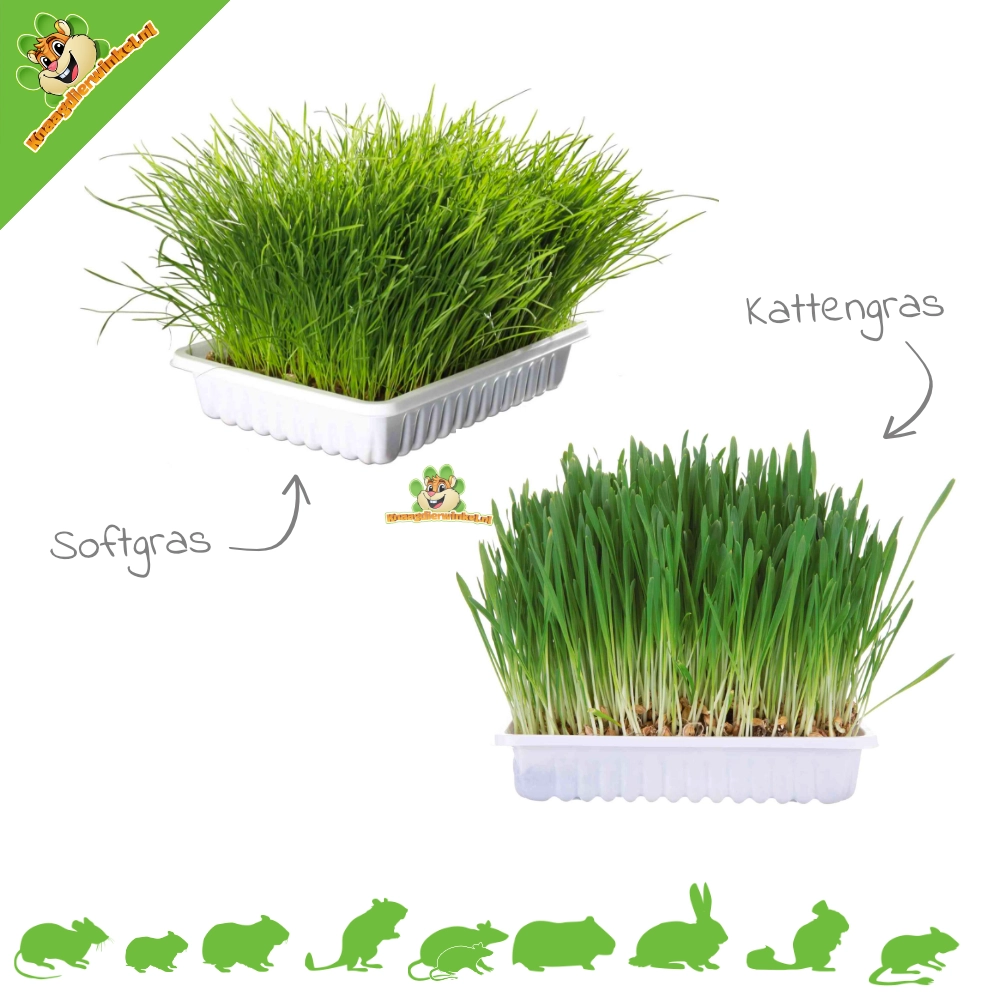
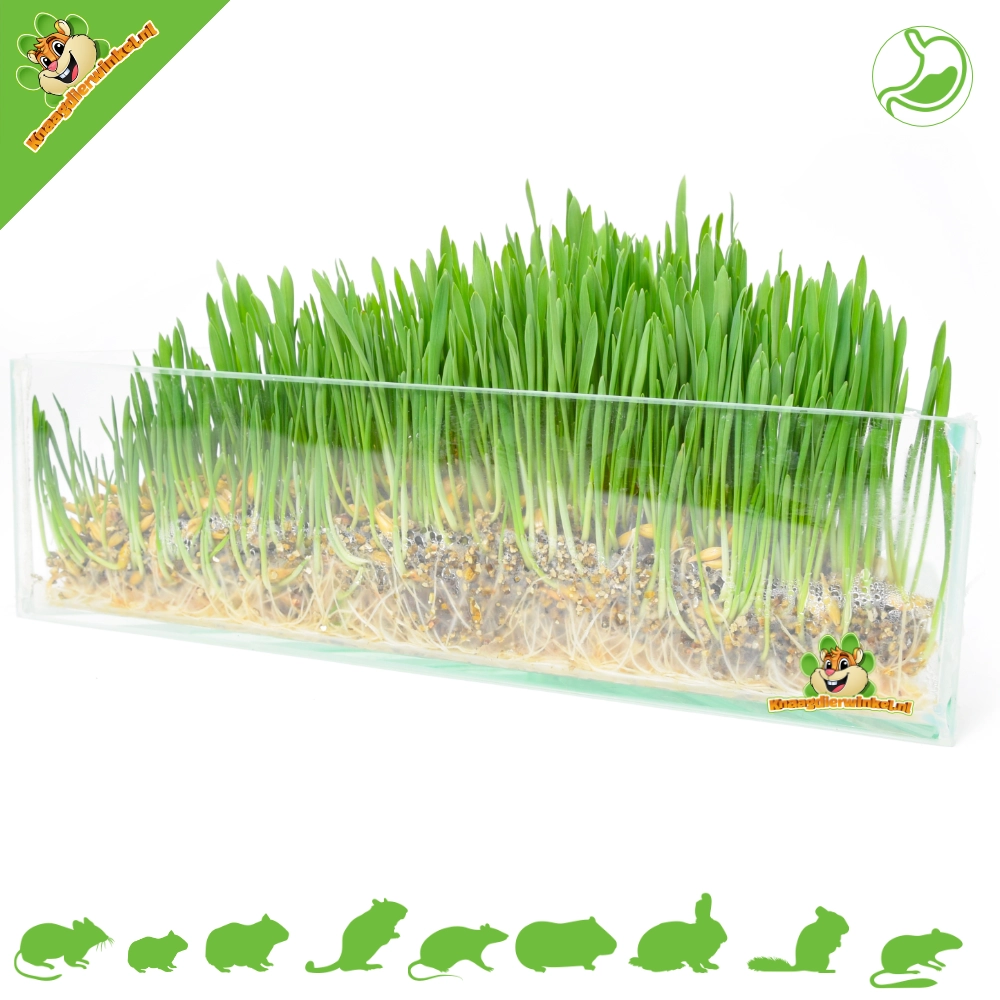
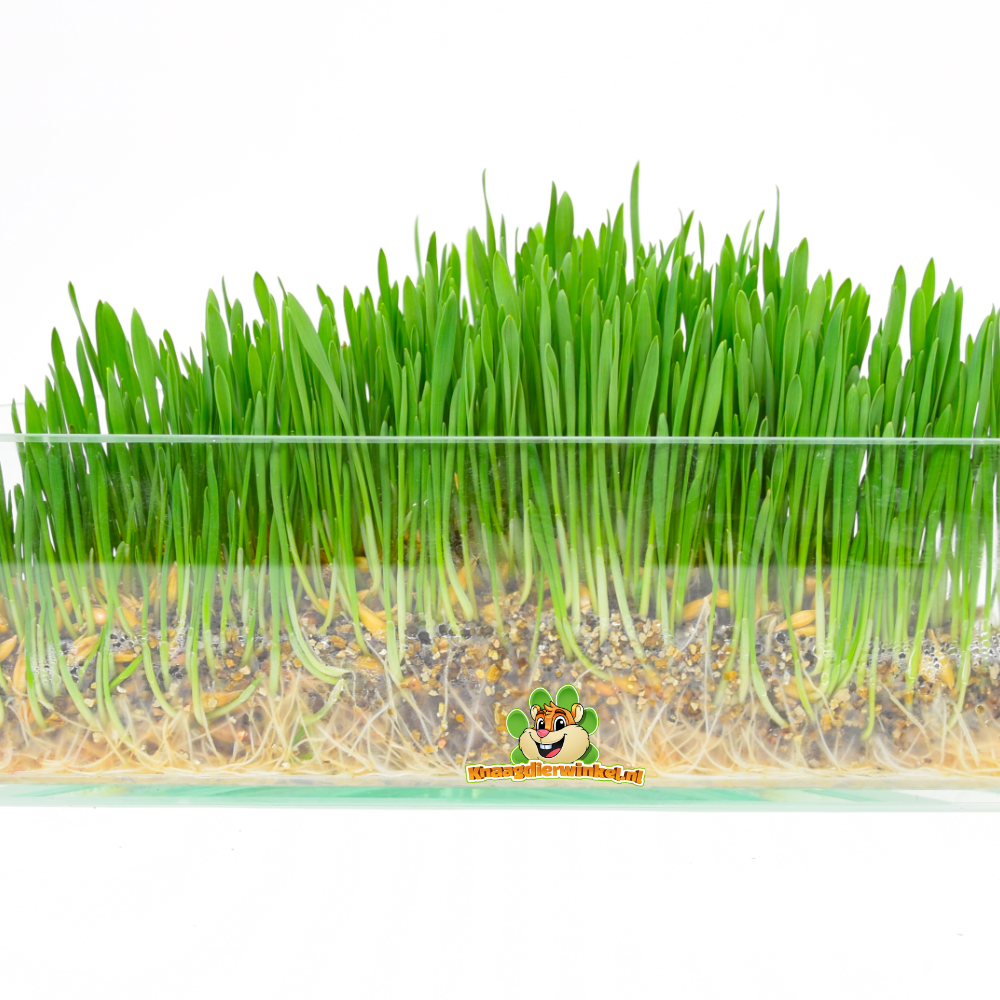
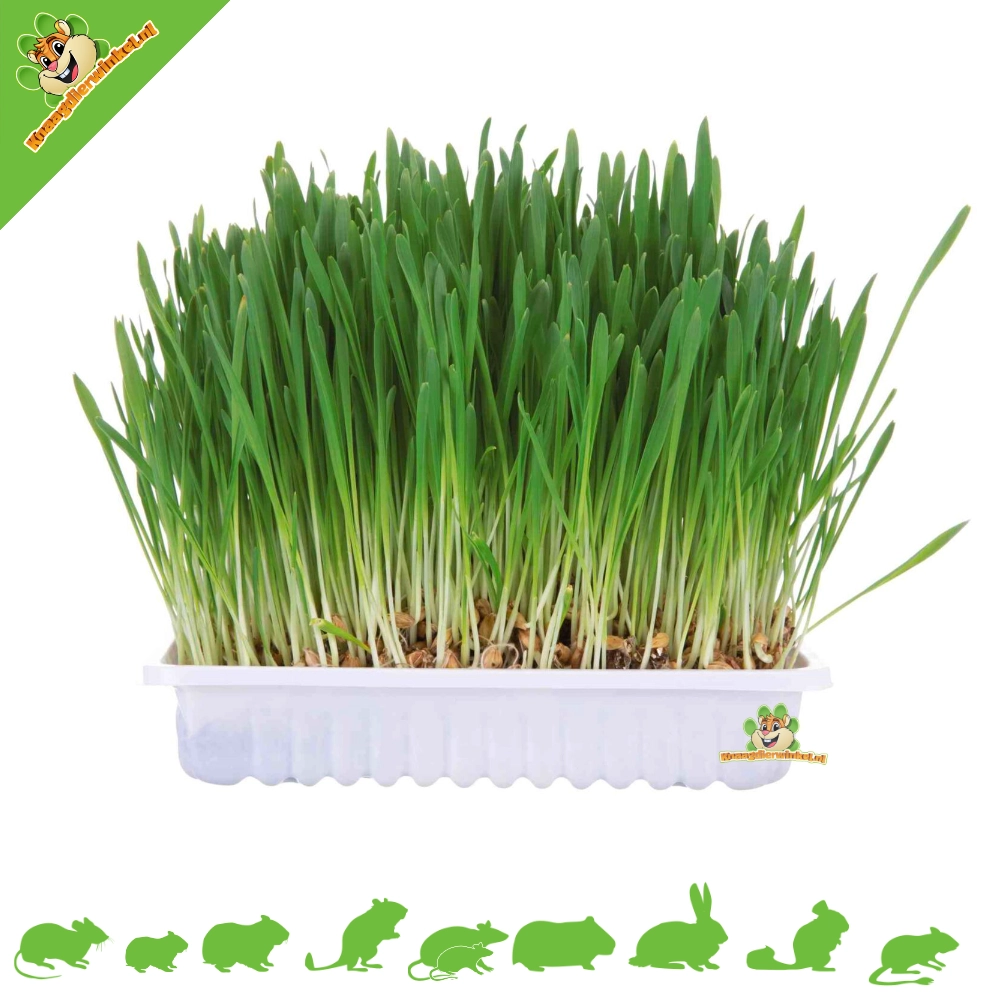
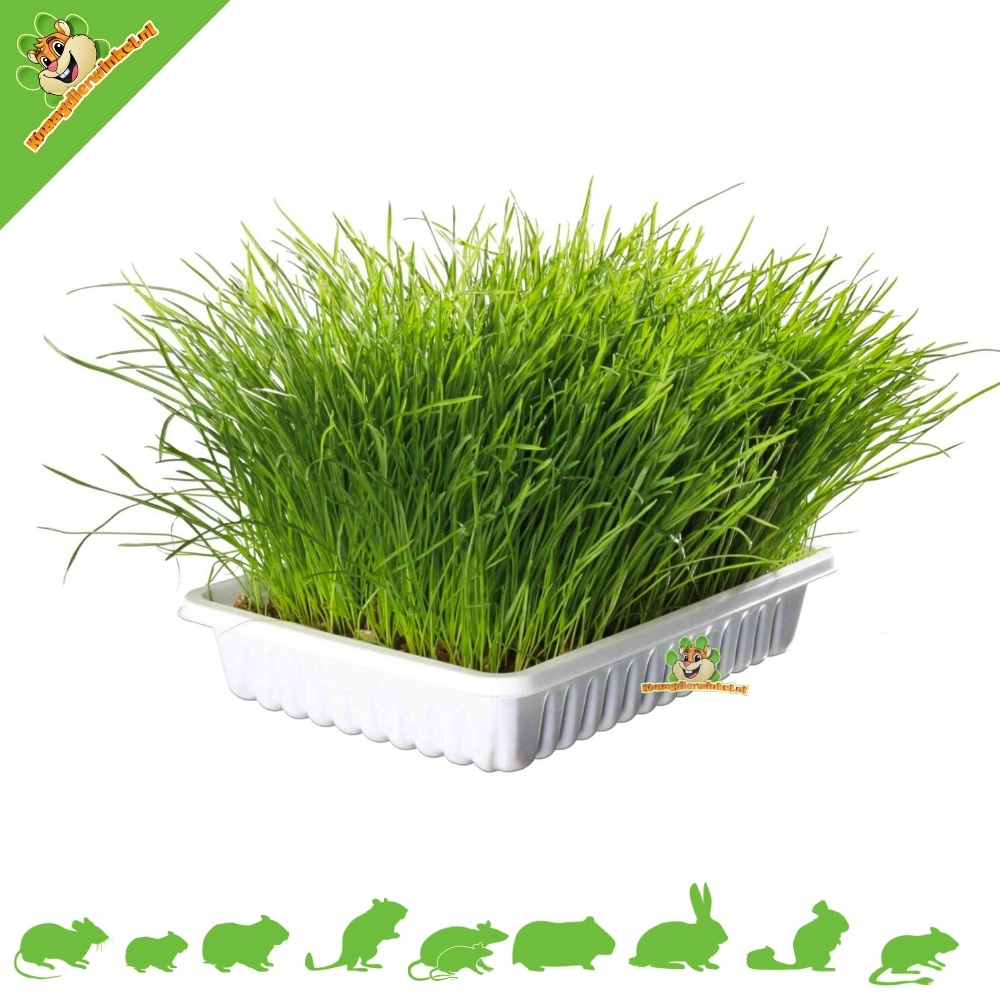
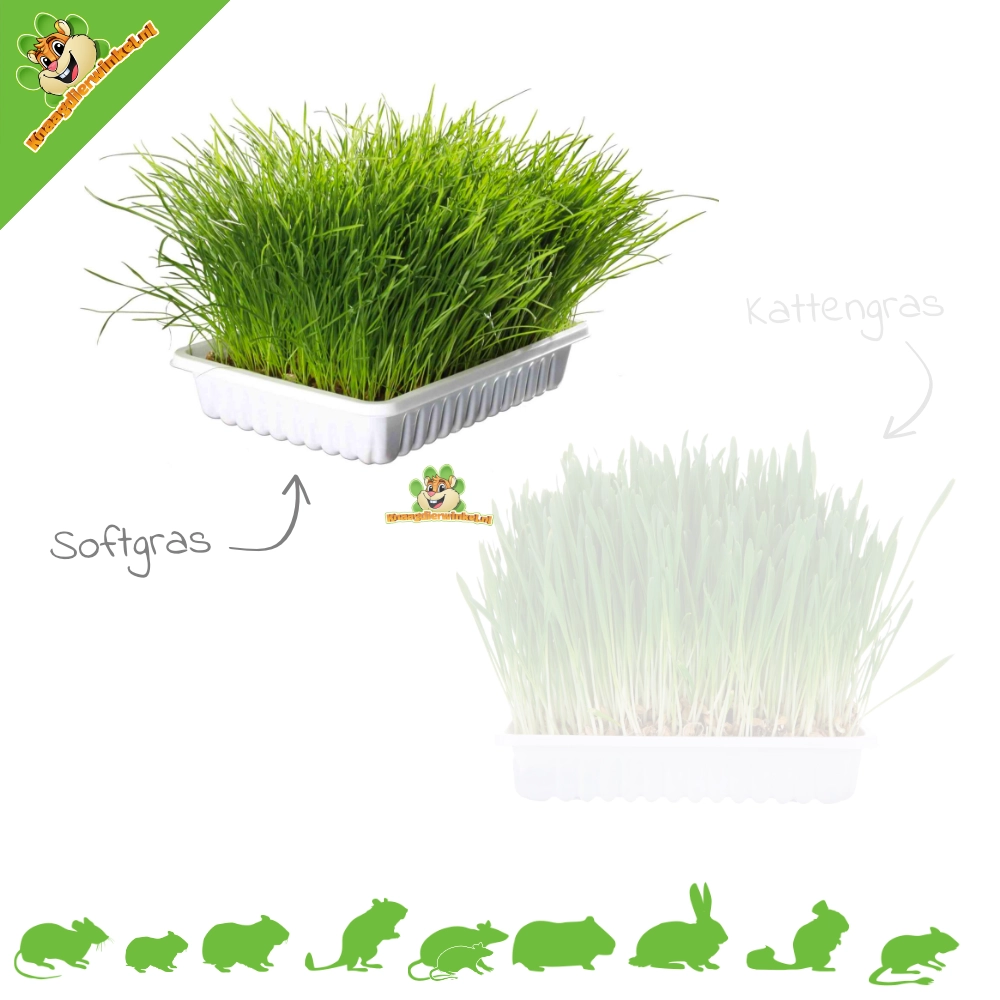
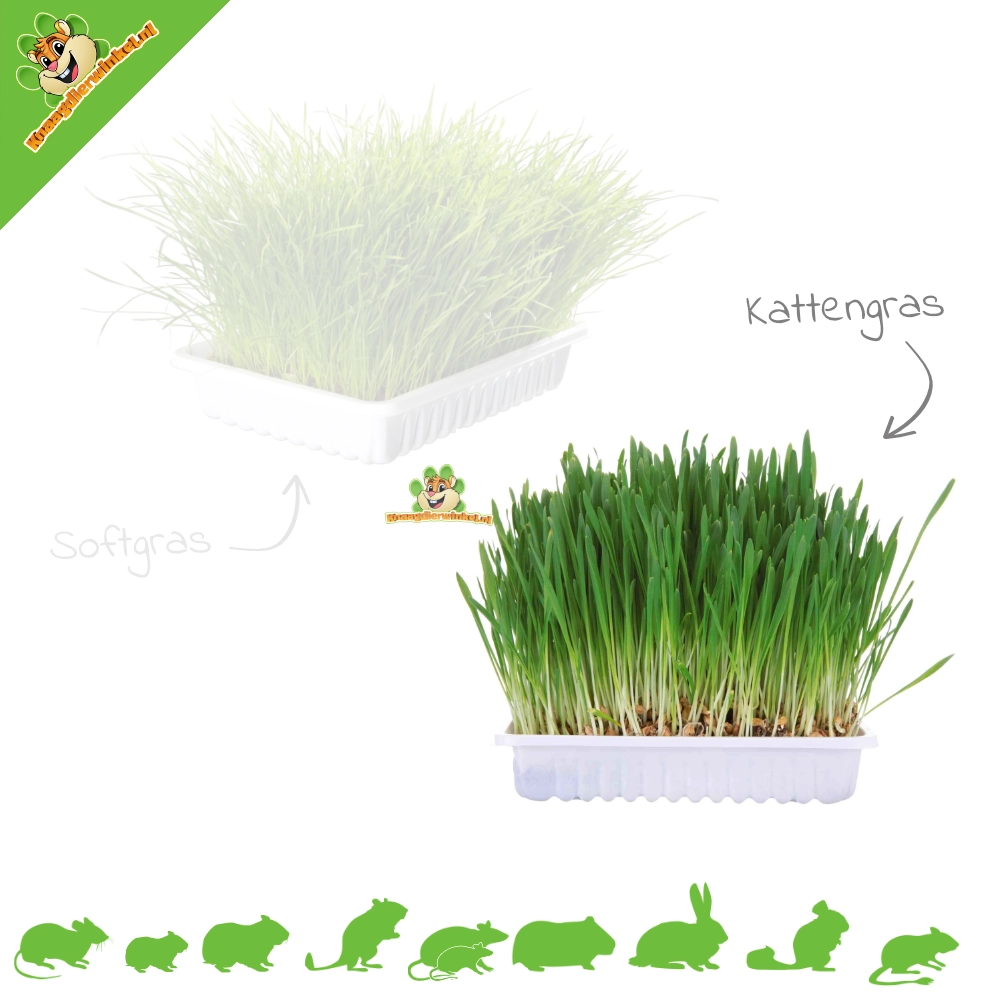
Trixie Rodent Grass, also known as cat grass, is a fun growing kit that allows you to grow fresh grass yourself for your rodents and rabbits. You water the seeds, place the container in a light and warm spot, and after a few days a fresh green lawn emerges for animals to nibble on, sniff, or walk through.
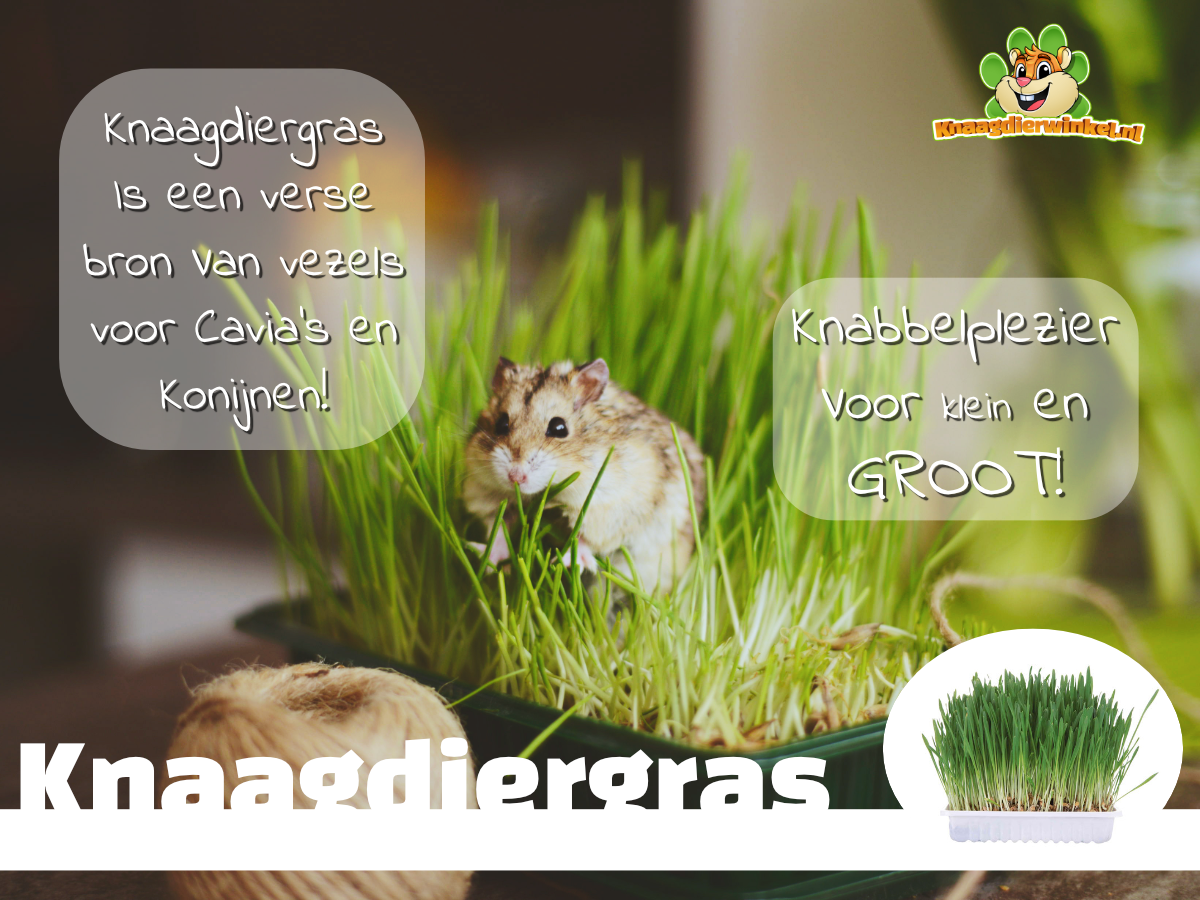
For small rodents, rodent grass is primarily a fun form of enrichment. Mice, dwarf hamsters, hamsters, and gerbils often find it interesting to search and explore among the blades. For guinea pigs and rabbits, the grass can be a tasty, fresh change alongside their daily basic diet.
In short
- Rodent grass/cat grass for home cultivation
- Contents: 100 grams
- Nice as a fresh snack and natural enrichment
- Can be raised outside the enclosure
- Can also be divided among several small bowls or containers.
- When used in the enclosure, preferably place in glass, ceramic, or other chew-resistant material.
Pros of Trixie Rodent Grass
✔ Grow your own fresh grass: fun to grow and then offer to your animals.
✔ Natural enrichment: animals can sniff, search, nibble, and discover.
✔ Great for scaping: fits nicely with hamster scaping, gerbil scaping, and natural decor.
✔ For multiple animal species: suitable as a fresh change for various rodents and rabbits.
✔ Easy to use: water, place in a light and warm spot, let grow, and offer.
Why choose rodent grass?
Rodent grass is a simple way to add some fresh greenery and extra sensory stimulation to the enclosure. Animals often react curiously to the scent, texture, and movement of the blades of grass. They can nibble on it, sniff around in it, or use the grass as a small place to explore.
For small rodents, it is particularly interesting as enrichment. It is not just about eating, but also about searching, smelling, digging, and exploring. That is precisely what makes a small container of grass fun in a hamsterscape, gerbilscape, or naturally decorated enclosure.
For guinea pigs and rabbits, fresh grass can be a tasty change. However, always offer it as part of your pet's normal diet and introduce fresh products gradually if your pet is not yet used to it.
For which animals is rodent grass suitable?
- Mouse: nice as a sniffing and discovery spot. Mice can walk through the grass, nibble on it, and search inside.
- Dwarf hamster: suitable as enrichment and as a natural accent in a hamsterscape. Preferably grow the grass outside the enclosure first.
- Hamster: suitable as a fresh change of pace and a landscaping element. Make sure your hamster does not dig up the seeds immediately if the grass has not yet sprouted.
- Gerbil: suitable as enrichment, especially when the grass has already grown well. Gerbils can dig actively, so it is better to use a sturdy, chew-proof container.
- Rat: can be offered as a sniffing and foraging project. Use a sturdy container and supervise, especially when they like to dig.
- Guinea pig: suitable as a fresh variation. Guinea pigs can enjoy nibbling on it, alongside their daily hay and appropriate food.
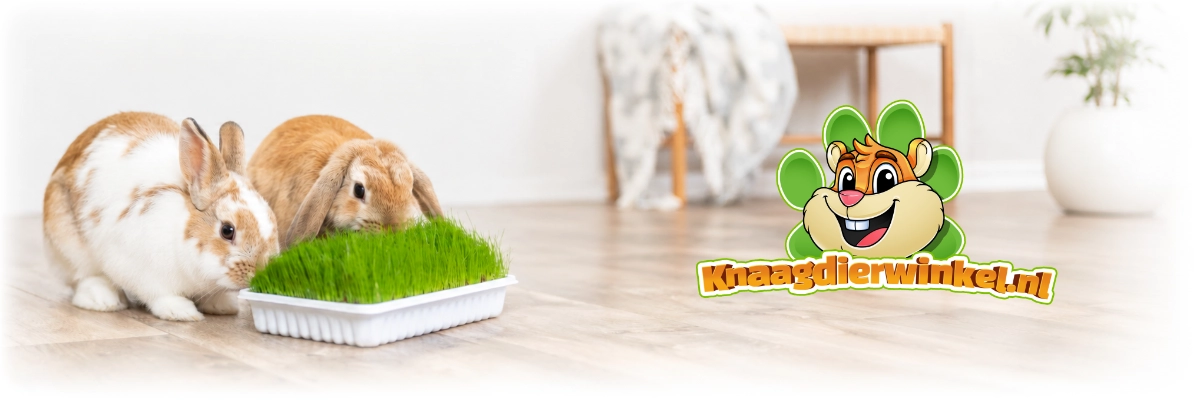
- Rabbit: suitable as a fresh variety. Introduce fresh greens gradually if your rabbit is not used to them.
- Degu: only offer appropriately within a frugal and fiber-focused diet. Give small amounts and observe closely how your animal reacts.
How do you grow Trixie Rodent Grass?
- Water the seeds according to the instructions.
- Place the container in a light, warm place.
- Keep the substrate slightly moist, but do not make it soaking wet.
- Water approximately every 3 to 5 days, depending on heat and dryness.
- Let the grass grow well before offering it to your animal.
- Before use, check that the grass smells fresh and looks neat.
We recommend growing the rodent grass outside the enclosure. Small rodents, in particular, may dig up the seeds in the beginning. Once the grass has firmly established itself, it stays in place better and you can offer it more specifically.
Use in the accommodation
You can place the grown grass short in the enclosure as enrichment. Observe closely how your animal interacts with it. Some animals nibble calmly on the blades, while others mainly want to dig, pull, or knock over the container.
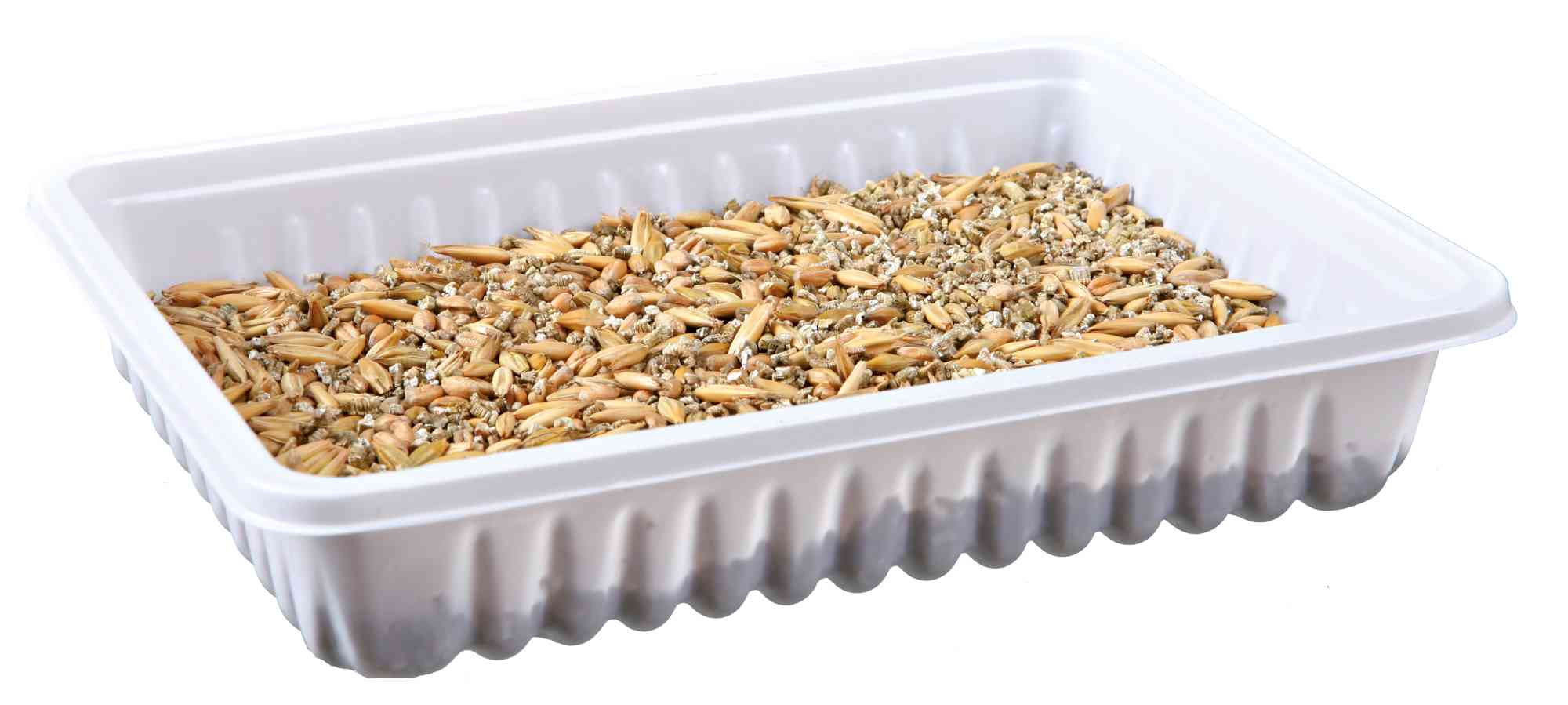
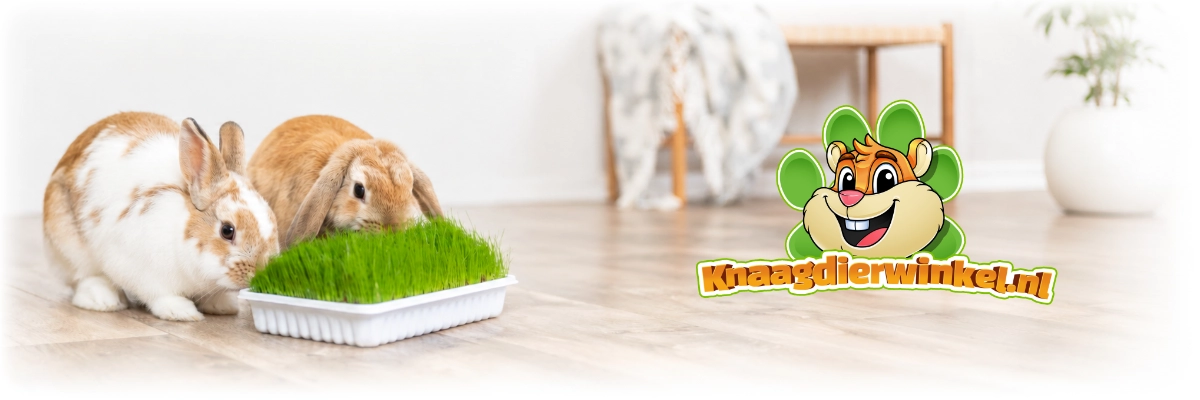
The included tray is made of plastic. If you want to place the grass in the enclosure for animals that like to gnaw, it is preferable to replace the plastic tray with a glass, ceramic, or other chew-resistant tray. This will prevent your animal from gnawing on the plastic.
You can also divide the seeds among several small containers. This is handy when you have multiple enclosures or when you want to offer smaller portions at a time.
Use for hamsterscaping and gerbilscaping
Rodent grass fits beautifully into a natural setting. In a hamsterscape or gerbilscape, you can use it as a temporary green accent, for example alongside cork, moss, sand, tunnels, and a sturdy digging layer. It immediately provides a fresh look, and animals often find it interesting to search among the blades.
Place the grass carefully. Do not put it in a spot where it gets wet quickly, falls over, or makes the bedding too damp. Use it preferably as temporary enrichment rather than as a permanent feature that remains unattended in the enclosure for days.
Gradually introduce fresh grass
Not every animal is used to fresh greens. Therefore, start with a small amount and see how your animal reacts. For guinea pigs and rabbits, fresh greens are often familiar territory, but even there, it is wise to build up gradually if an animal is mainly used to dry food.
For hamsters, dwarf hamsters, mice, and gerbils, it is mainly about a small snack and the surrounding enrichment. Do not let them eat large quantities without limit if they are not used to it.
Cleaning and maintenance
Remove the grass when it becomes limp, dirty, moldy, or too wet. A fresh growing tray should smell clean and have firm green blades. If the tray is too wet, it can become less fresh more quickly.
If you use a glass or ceramic container, clean it thoroughly after use and let it dry before offering seeds or grass again.
Dimensions and specifications
- Product: Trixie Rodent Grass / Cat Grass
- Contents: 100 grams
- Use: grow yourself and then offer as fresh enrichment
- Suitable for: rodents, mice, dwarf hamsters, hamsters, gerbils, rats, guinea pigs, rabbits, and degus
- Note: not for food-producing animals
Compound
Composition: seeds for growing cat grass/rodent grass.
The product is supplied in a plastic growing tray. If you want to place the grass in the enclosure, for animals prone to gnawing, it is preferable to choose a glass, ceramic, or other chew-resistant tray.
Good to know
Preferably grow the grass outside the enclosure first, so that the blades are sturdy enough before your animal starts nibbling on them. Use the grass as fresh enrichment and adjust the amount according to the animal species and normal diet. Do not leave the plastic container unattended with animals that might gnaw on plastic. Remove the grass when it is dirty, wet, or no longer fresh.
Frequently asked questions about Trixie Rodent Grass
Is rodent grass the same as cat grass?
This product is also referred to as cat grass. For rodents, we primarily use it as fresh enrichment, greenery for chewing, and a natural landscaping element.
How long does it take for the grass to grow?
Usually, you will see sprouts appearing after just a few days. Place the container in a light and warm spot and keep it slightly moist.
Can I put the container directly in the enclosure?
We recommend growing the grass outside the enclosure first. Otherwise, small rodents may dig up the seeds before the grass has fully sprouted.
Is the plastic bowl allowed in the enclosure?
For animals that gnaw on plastic, we recommend transferring the grass to glass, ceramic, or other chew-resistant material before placing it in the enclosure.
Is rodent grass suitable for hamsters?
Yes, hamsters can nibble on the grass and use it as a sniffing and exploring spot. Provide it as a small, fresh enrichment and supervise.
Is rodent grass suitable for guinea pigs and rabbits?
Yes, guinea pigs and rabbits can have rodent grass as a change of pace. Introduce fresh greens gradually if your animal is not used to it yet.
Can I use the grass for hamsterscaping?
Yes, the grass is nice as a temporary green accent in a hamsterscape. Just make sure to place it so the enclosure doesn't get too wet, and remove it when it's not as fresh.
How often should I water?
Water approximately every 3 to 5 days, depending on the temperature and how quickly the container dries out. Keep it slightly moist, but not soaking wet.
What do I do if the grass gets moldy?
Throw the grass away if you see mold or if it smells unpleasant. It is better to start over with a clean container and make sure it is not standing in water that is too wet.
Useful shopping links
- View fresh rodent plants
- View fresh hamster plants
- View fresh gerbil plants
- View fresh guinea pig herbs
- View fresh rabbit herbs & plants
- View hamsterscaping
- View gerbilscaping
- Are you unsure about fresh plants? We are happy to help you decide.
| Content: | 100 grams |
| Suitable for: | Rodents, Mouse, Dwarf Hamster, Hamster, Gerbil, Rat, Guinea Pig, Rabbit, Degu |
| Particularities: | - |
| Disclaimer: | Not for food producing animals |


Super! Me konijn kan hier weer lekker van genieten!
- Groeit erg snel!
- Handig bakje
Gras groeit heel snel en hoog. Mijn hamster houdt ervan om zich tussen het gras te verstoppen. Ze smult er ook lekker van, zeker een aanrader!
Bij mij 3 mannen ratjes is dit alleszins een succes! Ze moeten er een beetje voor werken en het lokt natuurlijk gedrag uit.
Gras groeit niet zo snel als verwacht. Mooi groot bakje met veel zaadjes.
Ik gebruik deze altijd in mijn digbox (nadat het gegroeid is natuurlijk) en mijn ratten vinden het geweldig
Is erg leuk om een keer te doen. Gras groeit erg snel en hoog. Hamster heeft er erg van genoten.
Het gras was binnen een paar dagen al erg hoog! Mijn hamster kruipt er inderdaad veel tussendoor. Ze knabbelt niet aan het gras, maar ze gaat in het bakje graven en opzoek naar de zaadjes. De zaadjes verstopt ze bij de rest van haar voedselverzameling!
Gaat supermakkelijk. Binnen een paar dagen waren het al sprietjes.
Het is een beetje uitzoeken hoe je het gras laat groeien, maar eens je weet hoe het moet gaat het prima! Mijn hamster is er alvast dol op :)