Polski



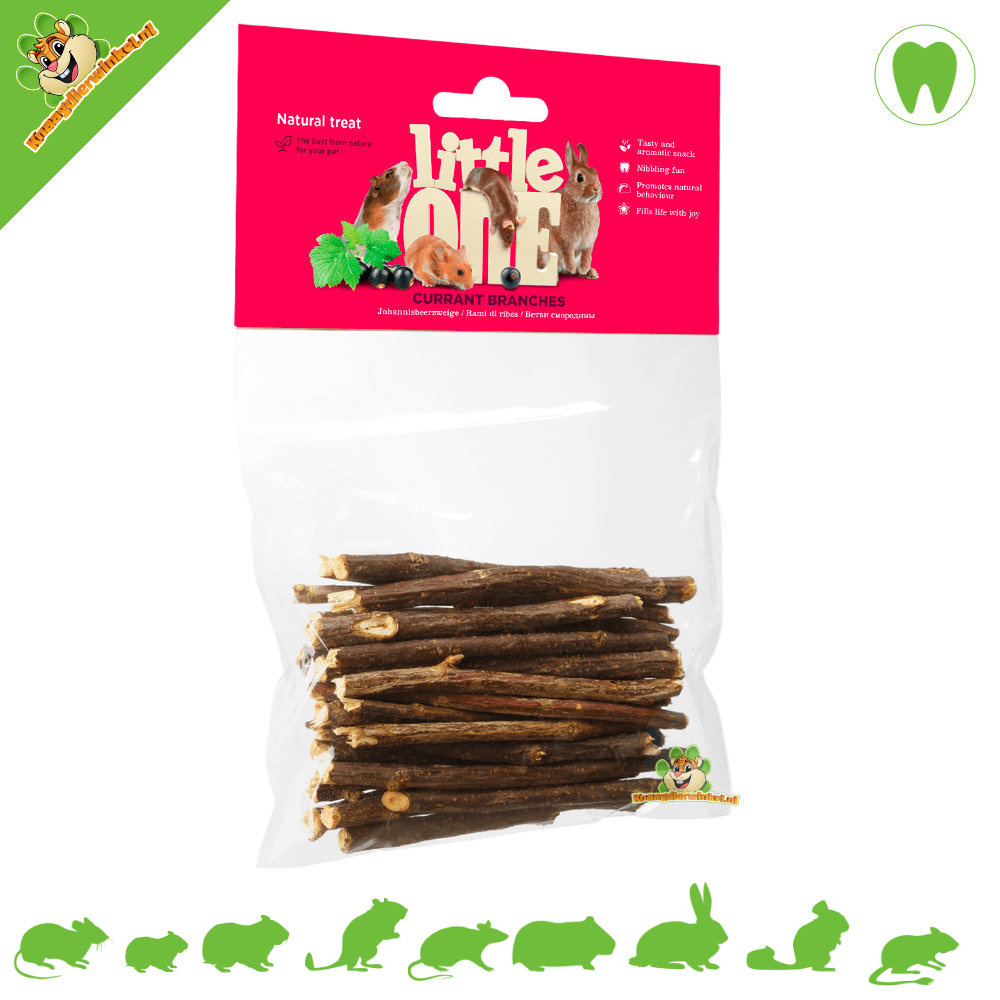
Little One Redcurrant Branches Chewing Wood for Rodents and Rabbits
- Dispatched from our own stock
- Personal & expert advice
- Always 100% rodent-friendly
- Ordered before 5 p.m., shipped the same day!
Little One Redcurrant Branches 50 grams – natural gnawing wood with bark for rodents and rabbits
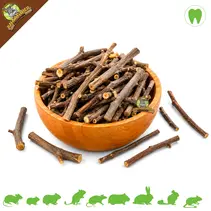
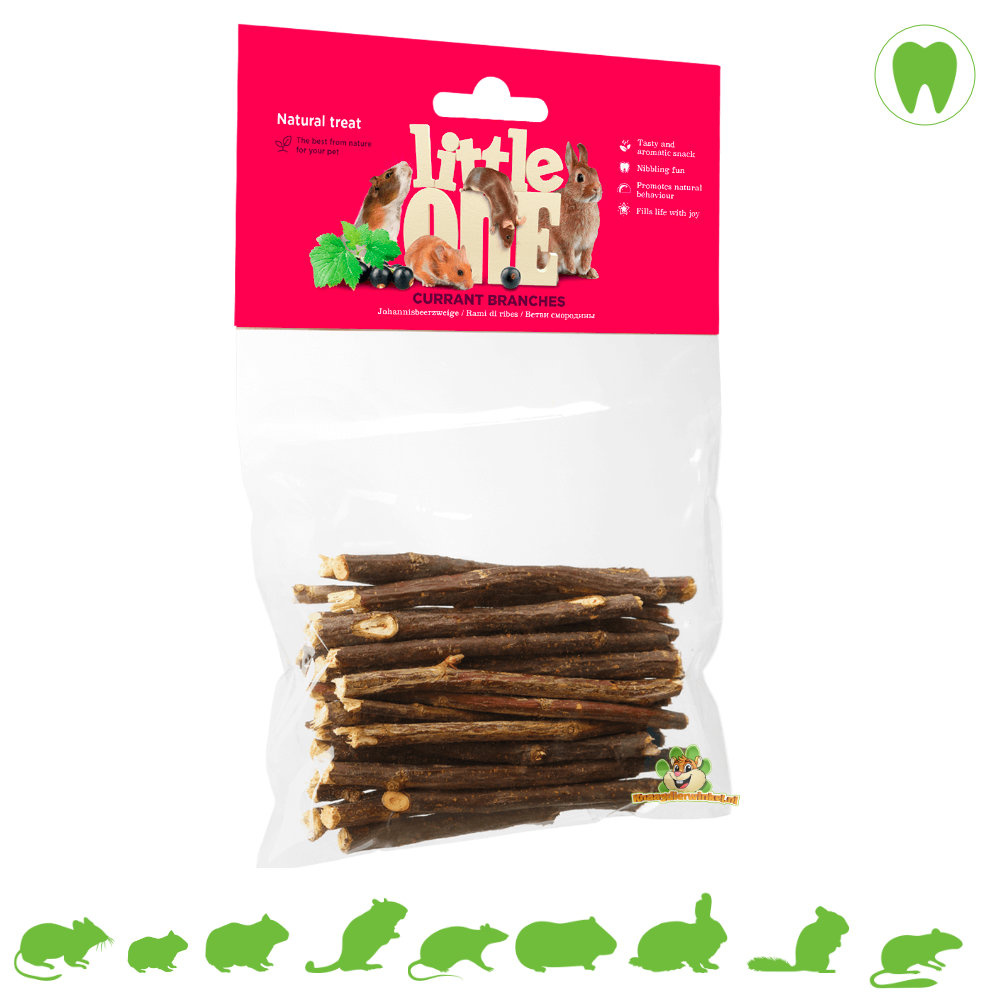
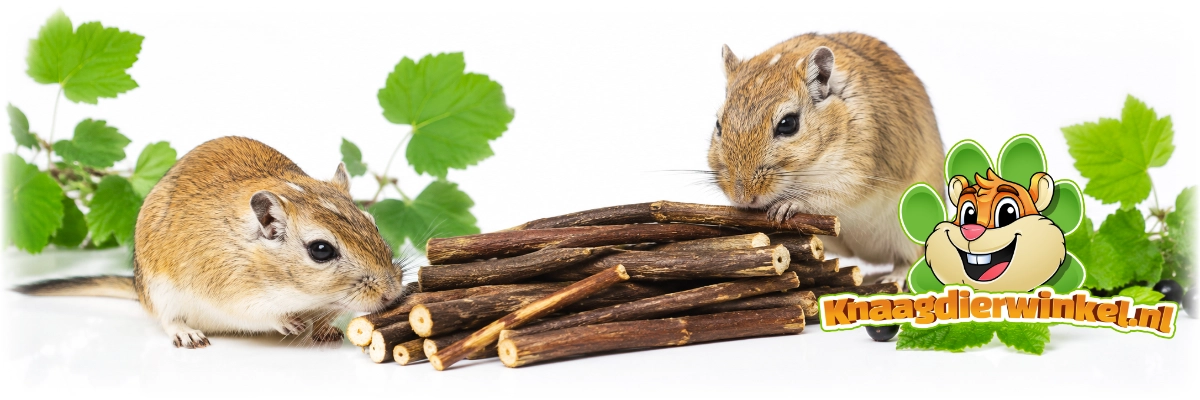
Little One Redcurrant Branches are natural branches with bark for rodents and rabbits. Branches give your animal something to explore, grasp, move, and nibble on quietly. As a result, they are not only suitable as gnawing material but also as simple, natural enrichment in the enclosure.
At DRD, when it comes to gnawing wood, we focus primarily on material, structure, and practical use. Redcurrant branches make a nice addition alongside hay, herbs, gnawing material, and natural decor. You can offer them loose, place them in hay, or incorporate them into a hamsterscaping, gerbilscaping, or ratscaping zone.
In short
- Natural redcurrant branches for rodents and rabbits
- Contents: approx. 50 grams
- With bark for extra texture
- Suitable as gnawing material, foraging material, and natural enrichment.
- Beautiful to release, hide, or incorporate into a scape.
Pros of Little One Redcurrant Branches
✔ Natural branch material with bark
✔ Encourages nibbling, exploring, and being active
✔ Easy to combine with hay, herbs, and scaving materials
✔ Suitable for rodents, guinea pigs, rabbits, chinchillas, and degus
✔ Great choice for owners who want to offer natural chewing material
Why choose redcurrant branches?
Redcurrant branches provide your animal with a different texture than soft snacks, herbs, or leaves. The branches are sturdy, natural, and have bark, allowing animals to engage with them in various ways. Some animals nibble directly on the bark, while others drag the branches around first or use them as part of their enclosure.
For small rodents, you can use the branches as a natural detail in the enclosure. For example, place them along a tunnel, near a herb corner, or between bedding and hay. This creates a place where your animal can sniff, search, and nibble.
For larger animals such as guinea pigs, rabbits, chinchillas, and degus, currant branches are particularly interesting as a quiet gnawing alternative alongside hay, herbs, leaves, and other suitable gnawing material. It is a simple way to add more natural texture to the enclosure or hay corner.
For which animals are Little One Redcurrant Branches suitable?
- Mouse: suitable as light gnawing and exploration material. Place a twig in a sniffing corner or between hay and bedding.
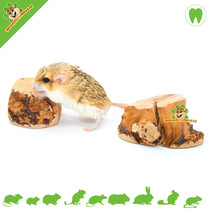
- Dwarf hamster: suitable as natural gnawing material in a hamsterscaping enclosure. Use a twig, for example, along a route or near a herb corner.
- Hamster: suitable as gnawing wood and natural enrichment. Hamsters can examine the branches, move them around, and quietly nibble on the bark.
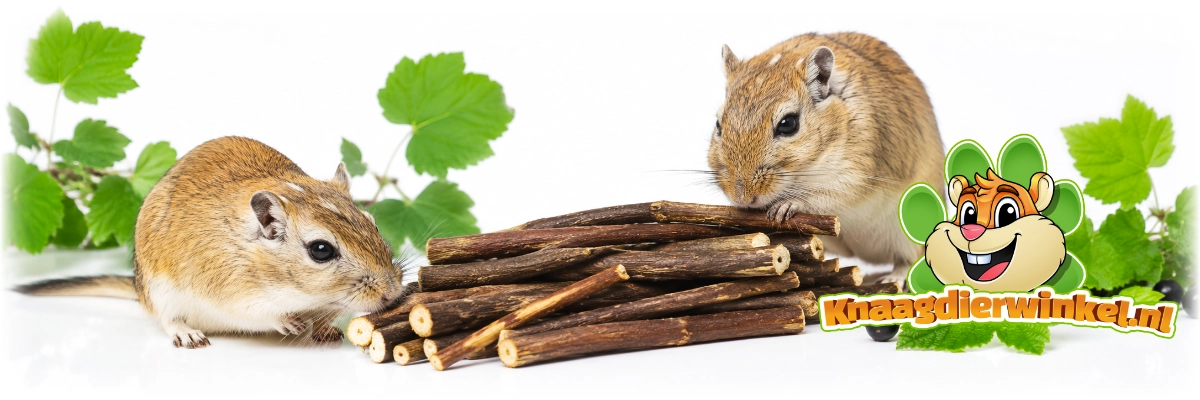
- Gerbil: very suitable as gnawing material. Gerbils are active gnawers and can work with, drag, and use the branches in their burrow.
- Dwarf rat: suitable as natural gnawing and foraging material. Because dwarf rats can vary among themselves, consider size, usage, and gnawing behavior.
- Rat: suitable as gnawing material and enrichment. Rats can hold, drag, and explore branches in a Ratscaping zone.
- Guinea pig: suitable as a natural gnawing variation alongside hay and appropriate food. Place the branches near the hay corner, for example.
- Rabbit: suitable as natural gnawing wood. Offer the branches loose or place them in the hay corner for extra structure and occupation.
- Chinchilla: suitable as gnawing material alongside hay, herbs, leaves, and other suitable gnawing wood. Give dry and check regularly how intensively your animal gnaws on it.
- Degu: suitable as natural gnawing material. Degus are active gnawers and can make good use of the branches as a form of occupation and structure in the enclosure.
Use & offer
You can place the redcurrant branches loosely in the enclosure, offer them near the hay corner, or incorporate them among natural materials. For small animals, a single branch is often enough as a new discovery opportunity. For larger animals, you can offer multiple branches, depending on the number of animals and how quickly they gnaw on them.
Do you want to turn it into a foraging moment? Then place the branches among hay, herbs, leaves, or a sniffing area. You can also scatter a small amount of dried herbs or flowers around the branches so that your animal has to search and the spot becomes more interesting.
In hamsterscaping, gerbilscaping, and ratscaping, branches work beautifully as natural route finishing. Place them, for example, along cork, wood, moss, bedding, or a tunnel. This way, you not only add gnawing material but also more natural structure.
Compound
Composition: redcurrant branches.
Analysis
Analysis: not applicable.
The value of these branches lies primarily in their natural structure, bark, scent, and the gnawing experience. Use them as supplementary enrichment alongside the daily basic diet suitable for your animal.
Good to know
Little One Redcurrant Branches are a complementary feed and natural gnawing material. Use them as variety alongside hay, herbs, suitable food, and other gnawing materials.
Because these are natural branches, shape, thickness, length, and color may vary slightly from package to package. This is characteristic of natural branch material. Inspect the branches during use and remove any residue if they are wet, dirty, or no longer clean.
Useful shopping links
- Chewing material for rodents and rabbits
- Dried branches and stems
- Natural rodent setup
- Playing and foraging
- Hamsterscaping
- Gerbilscaping
- Ratscaping
- Mealberry / Little One range
Frequently asked questions about Little One Redcurrant Branches
For which animals are Little One Redcurrant Branches suitable?
Little One Redcurrant branches are suitable as natural gnawing material for mice, dwarf hamsters, hamsters, gerbils, dwarf rats, rats, guinea pigs, rabbits, chinchillas, and degus.
What do you use redcurrant branches for?
You use redcurrant branches as gnawing material, natural enrichment, and foraging material. Animals can nibble on them, move them, investigate them, or use them as part of the enclosure.
Can you use the branches in hamsterscaping?
Yes, redcurrant branches fit nicely into hamsterscaping and gerbilscaping. Place them, for example, along a tunnel, in a herb corner, or between bedding, hay, and natural materials.
Does my animal have to eat all the branches?
No, that is not necessary. Branches are used for nibbling and playing with. Some animals eat pieces of bark, while others use the branches mainly to investigate or move.
Why is there bark on the branches?
The bark provides extra structure and makes the branches more interesting to nibble on. Many animals start specifically on the bark when they are given natural branch material.
How often do you give redcurrant branches?
You can regularly offer a twig as a natural change of pace. Observe how much your animal gnaws on it and replace the twigs when they are wet, dirty, or no longer clean.
How do you store Little One Redcurrant Branches?
Store the branches dry and tightly sealed. This way, they remain neat and pleasant to offer as gnawing material.
With Little One Redcurrant Branches, you provide your pet with natural gnawing wood with bark in a simple, practical form. A great choice for owners who want to quietly combine nibbling, foraging, and a natural interior.
| Content (approx): | 50 grams |
| Composition: | Currant branches |
| Analysis: | - |
| Promotes Foraging: | Yes |
| Suitable for: | Rodents, Mouse, Dwarf Hamster, Hamster, Gerbil, Rat, Guinea Pig, Rabbit, Chinchilla, Degu |
| Type: | supplementary pet food |
| Particularities: | - |
| Disclaimer: | Not for food producing animals |