 Polski

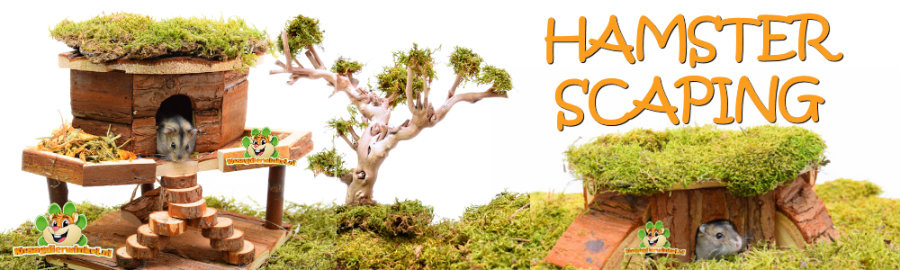
Hamster scaping in a terrarium – layout, ventilation & construction
 A terrarium (glass hamster cage) often makes a great base for hamster scaping: you can easily provide a deep digging layer, create zones, and keep the enclosure organized. This information page explains what to consider regarding ventilation , layout , stable stacking , and maintenance . Want to view suitable enclosures right away? Go to Hamster Cages & Terrariums . DRD Rodent Shop® has been a specialist since 2011 .
Quick to:
✔ Deep excavation layer
In glass, it's easier to fill the tank high with substrate that leaves tunnels. That's the foundation of a "working" scape.
✔ Quieter & clearer
Less drafts and fewer open stimuli. You can clearly define zones: digging, resting, sand, run/foraging.
✔ Maintainable
With fixed zones (sand bath/toilet area) it stays fresh longer and you can spot clean without demolishing the entire scape.
Why a terrarium for hamster scaping?
- Depth : easier deep filling (digging zone becomes really functional).
- Zoning : you create “rooms” and routes without everything collapsing.
- Peace and quiet : many hamsters feel more comfortable with shelter and clear hiding routes.
Need help choosing a suitable cage? Check out: Hamster Cage Selection Guide .
Ventilation & climate (practical)
A terrarium only works well if there's proper air circulation . Pay particular attention to:
- Ventilation grilles : better spacious and well distributed than “one small hole”.
- Location : not in direct sunlight and not next to a heat source (glass heats up quickly).
- Condensation : Do you see a lot of condensation consistently? Then the ventilation or moisture load is out of balance. Adjust zones (fewer "wet" areas) and check your vents.
Zoning: how to build smartly
Work with a clear floor plan. This is a proven, beginner-friendly layout:
- Corner A – Excavation zone : deepest ground cover (tunnel-resistant). Selection guide: ground cover selection guide .
- Corner B – Sand bath zone : fixed tank/corner (sieve/change-oriented). Shop: sand & sand bath .
- Resting area : houses and nesting material, preferably along the edge. Shop: houses and nesting material .
- Run/forage zone : exercise wheel + foraging. Shop: exercise wheels and play & foraging .
Stable stacking: platforms, bridges & safety
Height can be wonderful, but a hamster isn't a climber like some other animals. Therefore, always make the height stable and safe :
- Use platforms/bridges as support for zones (e.g. to provide stability for a sand bath or feeding area).
- Prevent “free fall” areas: provide underlying ground cover or hiding routes.
- Check wood regularly for wear/splinters and remove any parts that become broken.
Terrarium hamstercaping checklist
- ✔ Ventilation is ample and well distributed (no structural condensation)
- ✔ The accommodation is not in the sun or next to a heat source
- ✔ Excavation zone constructed deep and tunnel-proof
- ✔ Sand bath zone solid and easy to maintain
- ✔ Houses with shelter routes along the edges
- ✔ Running wheel securely placed (not wobbly, correct size)
Safety
- ✔ No sharp edges (not even with DIY parts)
- ✔ No scented materials/perfume/"fragrance granules"
- ✔ Heavy items remain stable and cannot shift
- ✔ Sand is a zone (not as main soil)
Would you like us to help you choose a suitable size for your hamster? Contact customer service .
FAQ hamster scaping terrarium
Is a terrarium better than a barred cage?
Glass is often practical for hamster scaping because you can fill it deeply and create zones with ease. The best fit also depends on your situation. See: hamster cage selection guide .
How do I prevent it from getting too hot?
Never place the enclosure in direct sunlight or next to a heat source. Keep warm rooms and ensure good ventilation.
What if I see condensation?
Condensation can indicate an imbalance in ventilation or moisture levels. Check vents, adjust zones, and prevent remaining wet spots.
Can I do hamster scaping in an IKEA box?
That's possible, but only if ventilation, edges, and stability are truly secure. Avoid sharp cutting edges and ensure a sturdy, well-ventilated lid.
Back to the hub: Hamsterscaping for beginners
