 Polski

Guinea pig bladder problems – signs regarding urination, urine, bladder grit, and bladder stones
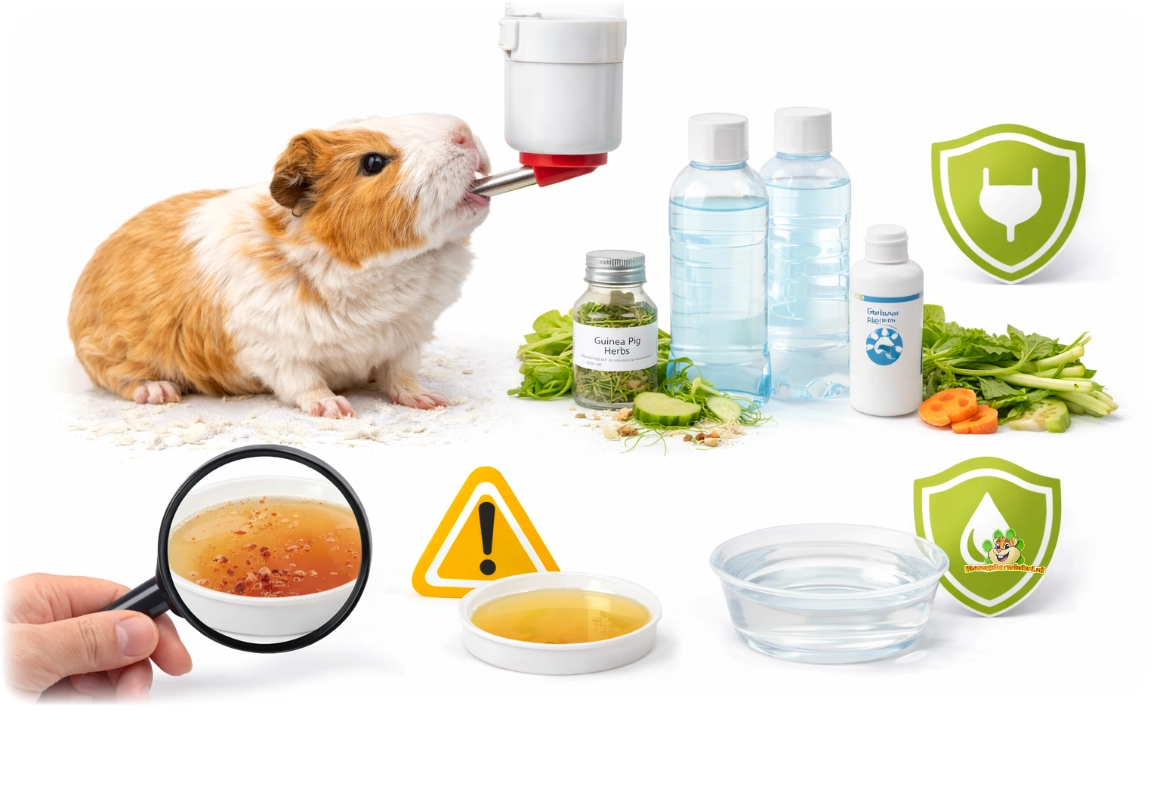 Bladder problems in guinea pigs can manifest in various ways. These include squeaking while urinating, frequent urination in small amounts, red or bloody urine, a wet hindquarters, straining, reduced appetite, lethargy, or other behavioral issues. Because bladder problems can be painful and quickly affect eating and behavior, it is important not to wait too long.
On this page, you will read about the important signs, possible causes, and steps to take. Consider reduced appetite , changes in urine, signs of pain, possible bladder grit or stones, and the role of diet, water, hay, and exercise. Consulting a veterinarian is the right step in case of pain, blood, difficulty urinating, lethargy, or loss of appetite.
At DRD Knaagdierwinkel®, we view bladder problems as a combination of signs, diet, fluid intake, living environment, exercise, and daily monitoring. Products can provide support, but they do not replace a diagnosis. Especially in cases of pain, blood, or reduced appetite, the first priority is to have the underlying cause assessed. Specialist since 2011.
Quick links:
Answer first | Signs | Evaluate urine | Possible causes | What to do immediately? | Diet & calcium | Water & exercise | Common mistakes | Checklist | FAQ
Answer first: when do you call the vet?
Call a veterinarian if your guinea pig seems to be in pain when urinating, has unexplained blood or red urine, urinates frequently in small amounts, has difficulty urinating, eats less, is lethargic, or is clearly acting differently than normal.
✔ Pain during urination, wheezing, or straining is an important signal.
✔ Red, pink, or bloody urine requires extra monitoring, especially if it persists.
✔ Difficulty urinating is an emergency.
✔ Eating less, lethargy, or sitting hunched over makes the situation more urgent.
Do not use food, herbs, or supplements as a substitute for a veterinary check-up for clear urinary symptoms.
Signs of bladder problems in guinea pigs
Bladder problems are not always immediately apparent from a single clear symptom. Often, it is a combination of urination, behavior, eating habits, and posture. Therefore, pay attention to what is normal for your guinea pigs and intervene sooner if anything changes.
| Signal | What could it mean? | What are you doing? |
|---|---|---|
| Squeaking or straining when urinating | Pain, irritation, bladder infection, grit or stone | Call the vet and describe exactly what you see. |
| Red or bloody urine | It can be caused by blood, but urine can also change color due to food. | In case of pain, persistence, or if in doubt, consult a veterinarian. |
| Peeing a lot in small amounts | Irritation or bladder/urinary tract problem | Pay attention to signs of pain and contact the veterinarian. |
| White, thick, or sandy urine | Calcium deposits, grit, or concentrated urine may play a role. | In case of repetition, pain, or abnormal behavior, have it assessed |
| Wet hindquarters or dirty belly | Urinary incontinence, pain, reduced movement, or contaminated surfaces | Check the enclosure and have your guinea pig checked if there are any symptoms. |
| Eating less or lethargy | Pain or illness can reduce appetite. | Don't wait; call the vet. |
Guinea pig not eating → | Guinea pig health → | Guinea pig language →
Guinea pig urine: what is normal and what stands out?
Guinea pig urine can vary in color and consistency. Sometimes urine dries whitish due to calcium residue. Urine can also turn somewhat darker or reddish due to diet. However, red or pink urine is not something to simply ignore, especially if your guinea pig is in pain, urinates frequently in small amounts, eats less, or is lethargic.
✔ White deposits can occur in guinea pig urine after drying, but a lot of thick/sandy urine warrants attention.
✔ Red urine can change color due to diet, but can also contain blood.
✔ Urine accompanied by pain, straining, or wheezing is always a reason to investigate further.
✔ Urinating less or being unable to urinate is serious.
If necessary, take a clear photo of the urine or the surface to show the veterinarian.
Possible causes of bladder problems
Bladder problems can have various causes. These include bladder infections, bladder grit, bladder stones, pain, urine that is too concentrated, insufficient fluid intake, lack of exercise, diet, or a combination of factors. The signs sometimes resemble each other, which is why a veterinary check-up is important.
| Possible cause | What can you notice? | Why have it assessed? |
|---|---|---|
| Bladder infection | Frequent urination, pain, blood, restlessness, or wet hindquarters | Treatment depends on the cause and examination |
| Bladder grit or bladder sand | Thick/sandy urine, pain, straining, or recurring symptoms | Can cause pain and irritation and requires a targeted approach |
| Bladder stones | Pain, blood, reduced appetite, difficulty urinating | Can become serious, especially with a blockage |
| Nutrition and calcium | Can play a role in grit/stones, depending on the animal and overall diet | It is best to adjust feed in a targeted manner and not just drastically. |
| Not drinking or exercising enough | More concentrated urine, less flushing, less activity | Water intake and movement can be supportive |
What can you do immediately if you suspect bladder problems?
The most important step is to observe carefully and contact a veterinarian if there are clear symptoms. Additionally, you can start gathering information and keep your guinea pig calm, clean, and warm.
✔ Note since when your guinea pig has been urinating differently or has different urine.
✔ Check if your guinea pig is still eating well, especially hay.
✔ Look at droppings, posture, activity, and pain signals.
✔ Clean wet spots so you can better assess new urine.
✔ Ensure that water is easily accessible.
In case of pain, blood, lethargy, or not eating, have a transport box ready for the vet visit.
Guinea pig transport box → | Guinea pig drinking bottles and water bowls → | Guinea pig cleaning products →
Nutrition, calcium, and bladder problems in guinea pigs
Calcium is often considered in cases of bladder problems. This is logical, because guinea pigs can excrete calcium through their urine and calcium can play a role in bladder grit or bladder stones. At the same time, calcium is also necessary for the body. Therefore, it is not wise to simply cut back drastically without a proper plan.
After a diagnosis, the veterinarian can advise on dietary adjustments. Consider assessing guinea pig food, herbs, vegetables, water, and total calcium intake. Hay remains the basis of the diet. The best approach is targeted: observing what your guinea pig eats, what is needed, and where you can responsibly make adjustments.
✔ Hay remains the basis of the guinea pig diet.
✔ Take a critical look at the entire diet, not at a single individual product.
✔ Use calcium-rich supplements judiciously, especially for sensitive guinea pigs.
✔ Use feeding advice after diagnosis in consultation with the veterinarian.
Change the diet gradually and monitor appetite, droppings, and behavior.
Guinea pig food and nutrition → | Guinea pig food selection guide → | Guinea pig hay → | Guinea pig herbs →
Water, drinking, and exercise support the bladder
Drinking enough helps keep urine less concentrated. Some guinea pigs prefer drinking from a bowl, others from a bottle. For guinea pigs with bladder issues, it can help to offer multiple water sources and check daily to ensure everything is functioning properly.
Movement is also important. A spacious enclosure, open runways, and multiple places to reach hay, water, and food encourage natural movement. This not only makes the enclosure more pleasant but also helps you spot more quickly if your guinea pig is in pain or walking differently.
Use a bottle, bowl, or a combination, and check daily to see if your guinea pig can drink properly.
Multiple hay racks encourage movement and prevent crowding at one spot.
A spacious guinea pig cage or run makes daily exercise more natural.
Guinea pig cage → | Guinea pig runs and enclosures → | Guinea pig hay racks →
Accommodation and hygiene for bladder problems
With bladder problems, you want to be able to clearly see how your guinea pig urinates. A clean enclosure helps with this. Clean wet spots more often, check under the houses, and keep the hay corner dry. A wet hindquarters or dirty belly can be noticed more quickly when the floor is well maintained.
✔ Check regular urination spots daily.
✔ Use absorbent bedding, pee pads, or toilets at known urination spots.
✔ Keep the hay corner dry and replace wet hay.
✔ Check soft materials, baskets, and mats for urine odor.
Take photos of abnormal urine if you want to show it to the veterinarian.
Guinea pig bedding → | Guinea pig floor mats and pee pads → | Guinea pig litter boxes → | Cleaning a guinea pig cage →
Common mistakes with guinea pig bladder problems
When you have bladder problems, it is understandable that you want to make adjustments immediately. However, it is important not to dismiss the signs too quickly as a “dietary issue.” Bladder problems can be painful and serious.
✔ Always set aside red urine as food without checking for signs of pain.
✔ Wait while your guinea pig squeaks, strains, or has difficulty urinating.
✔ Eliminate calcium only without a veterinary diagnosis or a complete nutritional plan.
✔ Viewing eating less as a minor issue, while pain can reduce appetite.
✔ Do not check if your guinea pig is still drinking and pooping normally.
Treating urinary complaints with individual products without investigating the cause.
Smartly combine guinea pig bladder problems with daily check-ups
Daily checks help you spot changes sooner. When cleaning, pay attention to urine color, urine stains, a wet hindquarters, appetite, hay intake, droppings, and activity. Small changes stand out especially when you know what is normal for your guinea pig.
In addition, ensure that water is easily accessible, hay is placed in a comfortable spot, and your guinea pigs have enough room to move around. These are not substitutes for treatment, but they do strengthen daily care.
Guinea pig care → | Guinea pig health → | Taming a guinea pig →
DRD makes the choice: taking urine signals seriously
With DRD, we do not view bladder problems as a separate urine issue. Pain during urination, red urine, thick urine, reduced appetite, or lethargy all together reveal something about how your guinea pig is feeling.
The strength lies in early recognition: daily cleaning, assessing urine, monitoring eating behavior, offering sufficient water, and arranging a veterinary check-up in case of clear symptoms.
Checklist – guinea pig bladder problems
✔ Does your guinea pig squeak, strain, or seem to be in pain when urinating?
✔ Do you see red, pink, bloody, thick, or sandy urine?
✔ Does your guinea pig often pee small amounts or not properly?
✔ Is your guinea pig eating less, is he lethargic, or is he puffed up?
✔ Check your drinking behavior, droppings, hay intake, and weight?
✔ Do you keep pee spots, hay corner, and soft materials nice and clean and dry?
Did you call a vet for pain, blood, not eating, lethargy, or difficulty urinating?
Good to know
This page helps you better recognize signs related to urination and urine, but it does not replace a diagnosis. In case of pain, blood, difficulty urinating, reduced appetite, lethargy, or recurring symptoms, consulting a veterinarian is the right step.
Would you like to read up on general background information about guinea pigs? Then also check out the LICG guinea pig information at licg.nl.
FAQ – frequently asked questions about guinea pig bladder problems
How do you recognize bladder problems in a guinea pig?
Watch out for whining or straining during urination, red or bloody urine, frequent urination in small amounts, thick or sandy urine, wet hindquarters, reduced appetite, lethargy, and signs of pain.
Is red urine in a guinea pig always blood?
No, urine can sometimes change color due to diet. However, you should take red or pink urine seriously, especially if your guinea pig is in pain, urinates more frequently, eats less, or is lethargic.
When is not being able to urinate an emergency?
If your guinea pig is straining, in pain, or unable to urinate properly, this is an emergency. Contact a veterinarian immediately.
What are bladder stones in guinea pigs?
Bladder stones consist of small particles or crystals in the urine or bladder. They can cause irritation, pain, and urinary problems and must be evaluated by a veterinarian if symptoms occur.
Can guinea pigs get bladder stones?
Yes, guinea pigs can get bladder stones. Signs can include pain during urination, blood in the urine, reduced appetite, and difficulty urinating. A veterinary check-up is then necessary.
Does calcium affect bladder problems?
Calcium may play a role in bladder grit or bladder stones, but calcium is also necessary for the body. Adjust the diet specifically after a diagnosis, and preferably in consultation with a veterinarian.
What do you feed a guinea pig with bladder problems?
Hay remains the foundation. Beyond that, it depends on the diagnosis, the overall diet, and the veterinarian's advice. Consider guinea pig food, herbs, vegetables, calcium sources, and water intake.
How do you encourage guinea pigs to drink?
Ensure clean water is available, check daily if the bottle or bowl is working, and offer multiple water sources if necessary. Some guinea pigs prefer drinking from a bowl, others from a bottle.
Can a wet hindquarters be caused by bladder problems?
Yes, a wet hindquarters can be indicative of urinary problems, pain, reduced mobility, or a soiled surface. Check the enclosure and have your guinea pig examined if there are any symptoms.
What do you combine with care for guinea pig bladder problems?
Combine veterinary checks with clean drinking water, hay, appropriate nutrition, dry bedding, pee pads, toilets, a cleaning routine, a transport box, and daily observation.
✔ Guinea pig bladder problems clearly explained with signs, urine testing, diet, water, and daily care
✔ Convenient to combine with guinea pig food, hay, water stations, bedding, litter boxes, and transport box
✔ Specialist since 2011, delivered from our own stock
Ordered before 17:00, shipped the same day | Delivered from our own stock | Specialist since 2011
